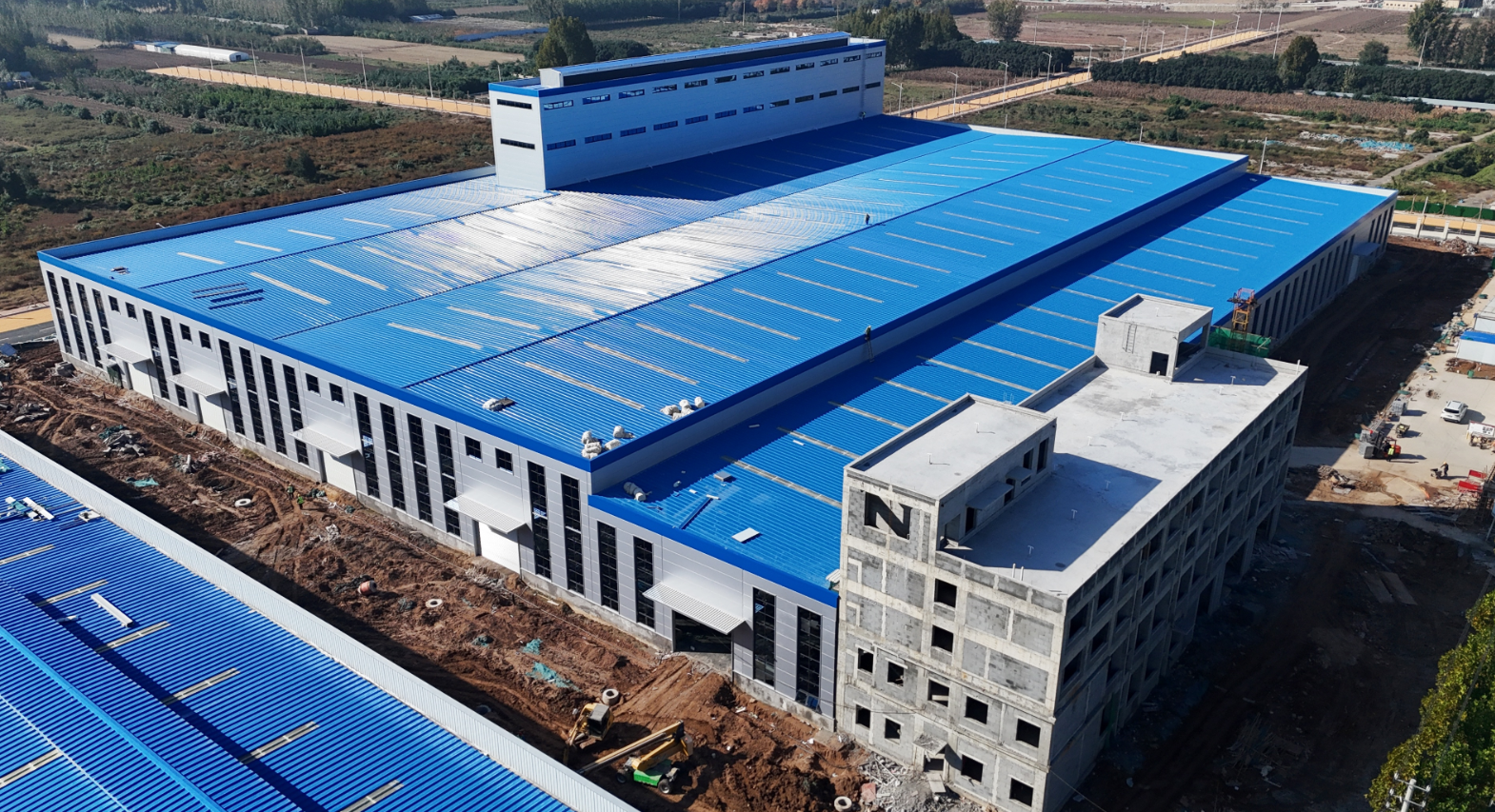
በየተከዳዳ የብረት ቤተመቅደስ መገንባት የፕሮጀክት መድረስ ይፈጣን
በሙስኩል የተገነቡ ክፍሎች በአካባቢ የመዘጋጅት ስራ እና በውጭ የሚገነቡ ምርቶች አንድ ጊዜ ላይ ይከናወናሉ
የፕሬፋብ ብረት ቤቶች በተመሳሳይ ጊዜ የሚከናወኑ ስራዎች በመጠቀም የገንዘብ ጊዜ ያስተካክሉ ናቸው። ሲል ደግሞ በቦታው ላይ የመሰረቱ ስራ ይካሄዳል፣ የሥርዓቱ ክፍሎች በተቆጣጠሩ ፋብሪካ አካባቢዎች ውስጥ በትክክል የተሰራው እና የተመረተው ነው—በዚህ ምክንያት የአየር ሁኔታ ምክንያት የሚከሰቱ የጊዜ መቆለፊያዎች እና በላዩ የሚገኙ የጥራት ልዩነቶች ይሰርዛሉ። የተደረገ የቦልት ግንኙነቶች የጊዜ ብዙ የሚወስዱ የዊልዲንግ ወይም የኮንክሪት ማስቀመጥ ስራዎችን ይተካሉ፣ እና ይህ በማስቀመጥ ጊዜ በ30–60% የሚጨምር ፍጥነት ይሰጣል በተመሳሳይ የተሰራ ኮንክሪት ጥቅም ላይ የዋለ የመሰረት ስራ ጋር በሚነጻጸር ሲሆን። የሞጁላር አቀራረቡ ደግሞ በቦታው ላይ የሚያስፈልጉ የተሰራ ሥራ ሰዎችን በመቀነስ የመጀመሪያ ስራ ማስጀመር ይፍጋል—ይህ በተለይ የሙያ ሰዎች አድርሻ ያለው ክልል ውስጥ በጣም ዋጋ ያለው ነው።
በእውነተኛ ዓለም ውስጥ የተገለጸ የጊዜ ማስፈራረብ: በተመሳሳይ የተሰራ ኮንክሪት ጥቅም ላይ የዋለ የመሰረት ስራ ጋር በሚነጻጸር ሲሆን 60% የሚያጠቃልል ጊዜ
የአዳዲስ የሎጂስቲክስ ፕሮጀክቶች እነዚህን ጥቅሞች ያረጋግጣሉ። በ2023 ዓ.ም. ሶስተኛ ክፍል ውስጥ የተጠናቀቀው የ100,000 ስኳር ፊት የተሰራ የመከፋፈል ማእከል በቀን 14 ብቻ ወደ ክዋኔ ሁኔታ ተገኝቷል—በተመሳሳይ የኮንክሪት መዋቅራት የሚወስደው ጊዜ ወደ 40 ቀናት በቀላሉ ይቀንሳል። ይህ የ60% ቅናሽ ከሎጂኮር የኢንዱስትሪ ተመሳሳይነት የተመሰረተ የዳታ ማስረጃ ጋር ይዛመዳል፣ ይህም በአማካይ የብረት የመደብለያ ቤቶች የገንዘብ ስራ ጊዜ 3–5 ወራት እንደ ሆነ ያሳያል፣ በተቃራኒው የተጨመረ ኮንክሪት ግን 6–9 ወራት ይወስዳል። ዋና የሚያስተዋውቁ ምክንያቶች የኮንክሪት ማስተካከል ሂደቶችን ማስወገድ፣ በቦታ ላይ የሰው ሃይል ስራ ሰዓታትን 45% ማቀነስ፣ እና የአየር ሁኔታ የማይገባ ስርዓቶችን በ80% በቀላሉ የሚያሳካ የተዋሃደ የአካል ስርዓቶች ናቸው። እነዚህ የክዋኔ ብቃት ያላቸው ስራዎች የንግድ ኩባንያዎች ለገበያ እድሎች ሁለት ክፍሎች በፊት ለመገኘት ይረዳሉ፣ በተጨማሪም የአጠራር ማከማቻ ወጪዎችን በተقریبا $740,000 ይቀንሳሉ (ፖኔሞን ኢንስቲትዩት፣ 2023)።
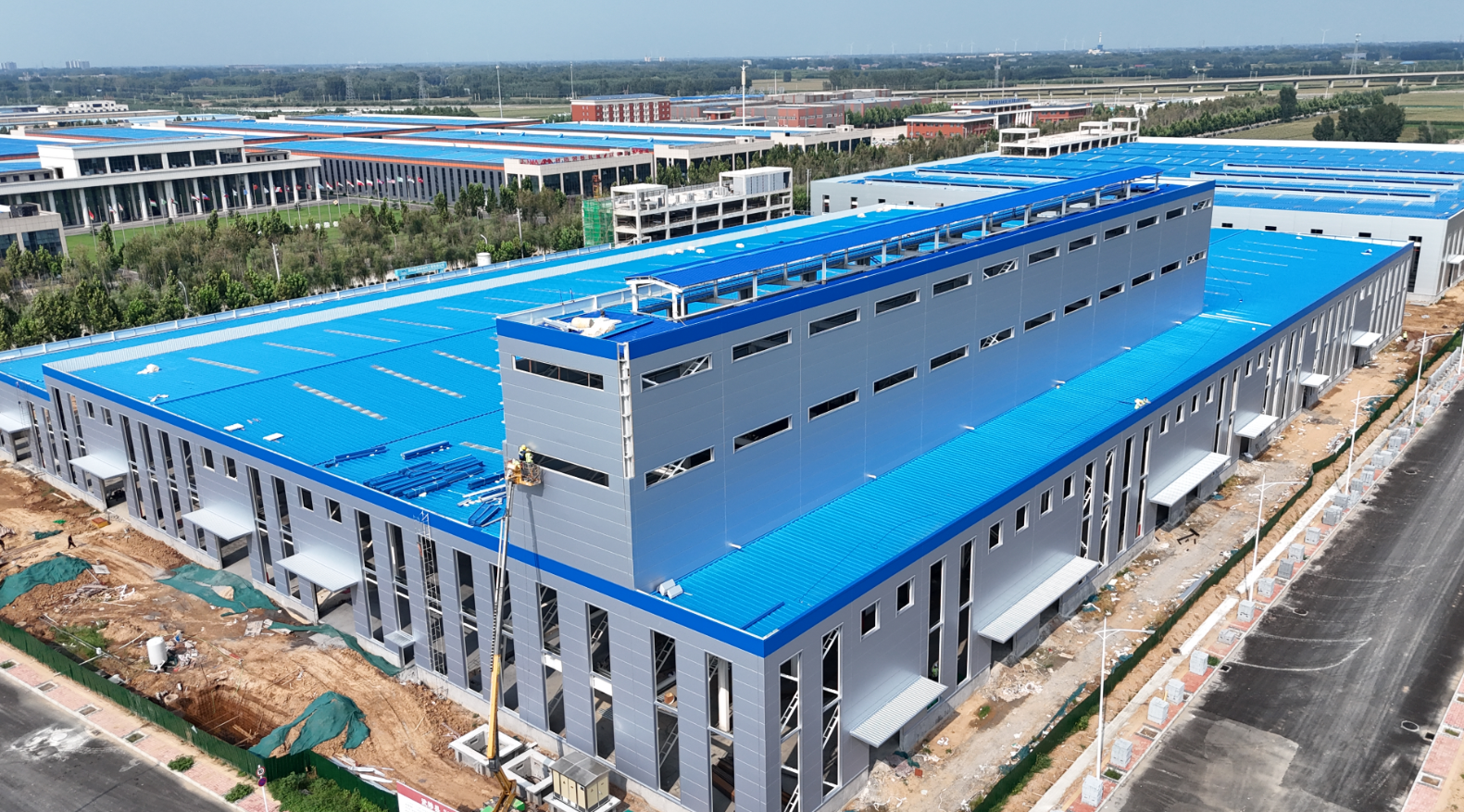
የተዋሃደ ብረት የመደብለያ ቤት የጠቅላላ የቤት ክብደት ወጪ ዝቅ
የተከፈለ የብረት ቤተመቅደስ በመጀመሪያ የሚሰራውን ኢንቨስትመንት ማጉላት እና በቀጣዩ ጊዜ ዝቅተኛ የሚቀጥሉ ወጪዎችን ማድረግ በኩል የአጠቃላይ የቤት አስተዳደር ወጪን ያቀንሳል። የባህሪያዊ አገልግሎት፣ በፋብሪካ ውስጥ ያለው የማምረት ችሎታ እና የሚቆይ የሆነ የቁሳቁስ የሁለቱንም የመጀመሪያ ወጪ እና የረጅም ጊዜ የሥራ ተግዳሮት ያቀንሳሉ።
ቀንሷ የመጀመሪያ ወጪዎች: የተመደበ የክፍሎች ዲዛይን፣ በጅምላ የተገዙ እቃዎች እና በቦታ ላይ ዝቅተኛ የሰራተኞች ስራ
የተመደበ የክፍሎች ዲዛይን ለማምረቶች በጅምላ ብረት ማዘዝ እና ጥሩ ዋጋ ለመስራት እንዲችሉ ያስችላል—እነዚህ የሚገኙ ጥቅሞች በቀጥታ ለወከሉ ይተላለፋሉ። በፋብሪካ ውስጥ የተቆጣጠረ የማምረት ሂደት የቁሳቁስ ክፍል እንዲቀንስ ያደርጋል እና ለኮንክሪት የሚያስፈልጋቸውን የቦታ ላይ የሚደረጋውን የፋርሙዎርክ፣ የማስተዋል እና የብዙ የስራ አይነቶች መስማማት ያስወግዳል። የማስተዋል ቡድኖች በስድስት ቀናት ውስጥ የተከፈለውን የቁርጠኝ እና የፓነል አካላት ያሰsemblingሉ እና የሰራተኞች ሰዓታትን እና የציוד አቀጣጠል ከፍያዎችን ያቀንሳሉ። እንደዚህ ስለሆነ፣ የተከፈለው የብረት ቤተመቅደስ በመገንባት ላይ በተለምዶ ዝቅተኛ ወጪ ያስከፍላል—የስራ ጥራት፣ የሕግ ተስማሚነት ወይም የዲዛይን ተግባራዊነት አያጠፋም።
ረጅም ጊዜ የሚቆይ የገንዘብ ችሎታ: በ25 ዓመት ውስጥ የተጠበቀው የአገልግሎት ወጪ በተጨናነቀ ኮንክሪት ወደ ትኩረት የሚውለው ከፍተኛ የሆነው 35% ነው
በ25 ዓመታዊ የህይወት ዘመን ውስጥ፣ የቅድመ-ተሰራ ብረት የማከማቻ ቤቶች የአገልግሎት ወጪ በተጨናነቀ ኮንክሪት ወደ ትኩረት የሚውለው ከፍተኛ የሆነው 35% ነው። የዝናብ የተሸፈነ እና የተሸፈነ ብረት የኮርሮዢዮን፣ የፋንጂ እና የባህሪያዊ አካላት መኖር ይከላከላል—የተደጋጋሚ የአገልግሎት ሥራዎች፣ የኬሚካል ምድራ እና የሴላንት እንደገና መተግበር ይሰርዛሉ። በተቃራኒው፣ ኮንክሪቱ የሚሰበር፣ የኤፍሎረስሴንስ እና የስፓሊንግ ችግሮች ያጋጥማል፣ ይህም የተደጋጋሚ የማሻሻያ ሥራዎች እና የሥርዓተ አካል ፍተሻዎች ያስፈልጋል። የብረቱ የተቻለ የማንቀሳቀስ ችሎታ እንዲሁ የሙቀት ማስፋፋትን ያስተዋውቃል ያልተነካ ጥፋት የሌለው። ጥሩ የሆነ የኢንሶሌሽን ፓነሎች ጋር በተጣመረ በቅድመ-ተሰራ የብረት በረራ ቤቶች የተጠቀመው የኃይል ወጪ በተጨማሪ ይቀንሳል—የረጅም ጊዜ ዋጋ ይጨምራል እና የገንዘብ የሚቋቋም የ капитал ኢንቨስትመንት እንደ ሆነ ያረጋግጣል።
የቅድመ-ተሰራ የብረት የማከማቻ ቤቶች የተገነቡ የማስፋፋት እና የወደፊት የሚቋቋም የማስተዋወቅ ችሎታ
የሞጁላር ዲዛይን የመሰረት ጠንካራ ማድረግ ወይም የስራ አቃዳ የሌለው የማስፋፋት ስራ ያስተዋውቃል
የፕሬፋብ የብረት ቤተመቅደሶች የሚጠቀሙት የሞዱላር፣ የቦልት የፍሬም ስርዓት ነው፣ ይህ ስርዓት ለቀጣዩ ልዩ ልዩ ማስፋፋት ቀላል ነው። በአካባቢ መጨመር ወይም በሰማያዊ ቁመታ መጨመር ለመድረስ ምንም ማገለገል ያለበለዚያ መሰረት አያስፈልግም—የተገኘው የስራ ድርድር ለተጨማሪ ጭነቶች ማከናዕናት የተዘጋጅቷል። ምክንያቱም አካላቱ በቅድመ-ኢንጂነር የተዘጋጁ ናቸው እና ለማሰባሰብ የተዘጋጁ በመድረስ ይገኛሉ፣ ስለዚህ የማስፋፋት ሥራዎች በቀናት—በሳምንታት አይደሉም—በማንኛውም የሥራ አዝማሚያ በጣም ትንሽ ይከናወናሉ። የኮንክሪት መዋቅራት ከተለየ የመሰረት አስተዳደር፣ የድንጋይ ግድግዳ ማስወገድ እና ረጅም የሥራ ውድቀት የሚያስፈልጉ ናቸው—የብረት ሞዱላርነት ከአግድም እና ከላይ ያለውን ግrowth ያደርጋል። ለምሳሌ በሰማያዊ ቁመታ ማስፋፋት በመሬት ላይ የሚገኝ ቦታ አያሳድግም በከፍተኛ ዘርዝር የሚደረግ የመቆያ ስርዓት ያስተዳድራል። ንግድ ተቋማት በአሁኑ የሚያስፈልጋቸው የመጠን መጠን ያለው የመዋቅር መጀመር እና በደረጃ የሚጨምሩ እንደ የእንስሳት ጥያቄ እንዲያሳድጉ ይችላሉ—በቅድመ-ተገቢ ማስተዳደር ወይም በሙሉ እንደገና ማስገንባት አያስፈልጉም።
በኢንዱስትሪያል ስፍራዎች ውስጥ የፕሬፋብ የብረት ቤተመቅደሶች የተረጋገጡ የቋሚነት እና የችሎታ ተከታታይነት
የጋላኒዝድ እና የተሸፈነ የስትራክቸርላዊ ብረት በንዑስ ግንባታ በማንኛውም ጊዜ የሚያስከናዙ ማሻሻያዎች ያልተስፋፋ የ50 ዓመታት አገልግሎት ዕድሜ ይሰጣል
የፕሪፋብ ብረት የተሰራ የአደጋ ቤቶች ላይ የሙቀት በማጥለፍ የሚጋላኒዝድ እና የከፍተኛ ጥራት ያለው የተሸፈነ የስትራክቸርላዊ ብረት ይመ rely ነው—የተዘጋጅተው ለማሳካት የኮሮዥን፣ የዩቪ ቢ (UV) የበላይነት እና የኢንዱስትሪያል ቅርፊቶች ተቃውሞ። ይህ የהגנה የአገልግሎት ጊዜ ከ50 ዓመታት በላይ ይሆናል በንዑስ ግንባታ በማንኛውም ጊዜ የሚያስከናዙ ማሻሻያዎች ያልተስፋፋ፣ የማይቋረጥ አገልግሎት እና የተስፋፋ የአገልግሎት ዕድሜ ዲዛይን ይደግፋል። በእንጨት ወይም በማይተዳደር ኮንክሪት የተለየ የጋላኒዝድ ብረት በአካባቢያዊ ግንኙነት ምክንያት የሚያስከናዙ የድግግሞሽ መልሶ ማሸፈን፣ መሰከር ወይም መተካት አያስፈልግም—የዚህ የዋጋ እና የአገልግሎት አደጋ በዕድሜ ዘመን ውስጥ ይቀንሳል።
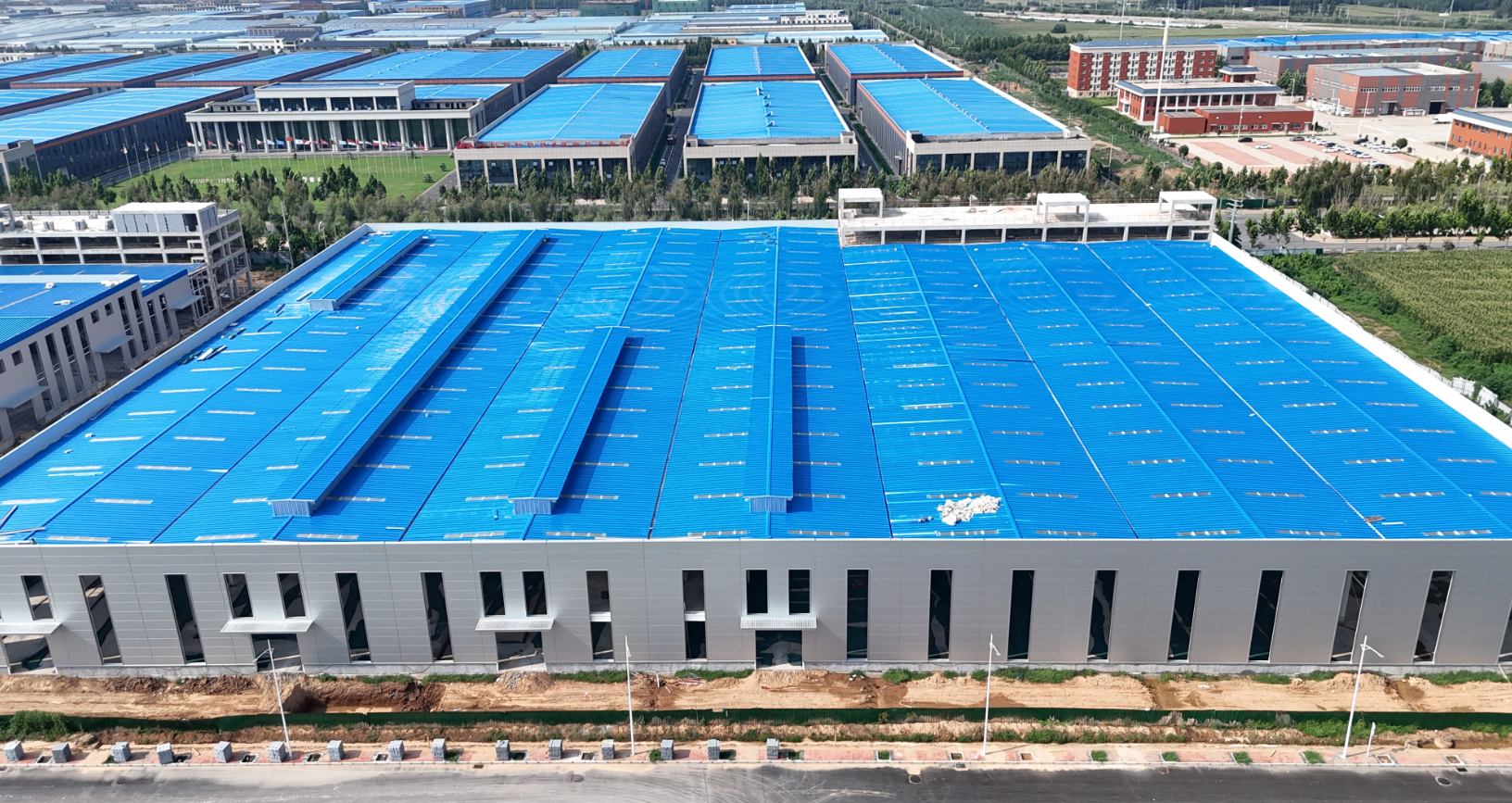
በዲናሚክ ጭነቶች ስር የተሻለ ስራ: የרוח፣ የሰይስሚክ እና የሙቀት የተደጋጋዮች
እነዚህ መዋቅሮች ከፍተኛ ተለዋዋጭ ጭነቶችን ለመቋቋም በጥብቅ የተነደፉ ናቸው። አስቀድሞ የተሰሩ የብረት መጋዘኖች እስከ ምድብ 4 የአውሎ ነፋስ ኃይል (150+ ማይል በሰዓት) ድረስ ለሚኖሩ የንፋስ ጭነቶች የASCE 7 ደረጃዎችን ያሟላሉ ወይም ያልፋሉ እንዲሁም ለመሬት መንቀጥቀጥ የመቋቋም አቅም ጊዜያዊ የሚቋቋሙ ክፈፎችን ወይም የመሠረት ማግለያዎችን ያካትታሉ። የሙቀት መረጋጋትቸው በተደጋጋሚ መስፋፋት እና መኮማተር ድካምን ይከላከላል - ይህ በኮንክሪት ውስጥ የማይክሮክራክሽን እና የመገጣጠሚያ ውድቀት የተለመደ ምክንያት ነው። የኢንዱስትሪ ኦፕሬተሮች ከባድ የአየር ሁኔታ ክስተቶች ከደረሱ በኋላ ፈጣን ወደ አገልግሎት መመለስን በተከታታይ ሪፖርት ያደርጋሉ፣ ይህም የስራ ሰዓት ተልዕኮ ወሳኝ በሆነበት አስተማማኝነት ላይ ያተኩራል።
የቅድመ-ተሰራ የብረት ቤቶች ተደጋጋሚ ጥያቄዎች
የቅድመ-ተሰራ የብረት ቤቶች ለመገንባት ጊዜ የሚሰጡ ጥቅሞች ምንድናቸው?
የቅድመ-ተሰራ የብረት ቤቶች በመሠረቱ የሚሰራ እና በውጭ ቦታ ላይ የተሰሩ ክፍሎች በአንድ ጊዜ ማዘጋጀት በመንገድ የፕሮጀክት መጨረሻ ማፍራት ይቻላል፣ ይህም በተለምዶ የሚገነባውን የመገንባት ጊዜ በ 30-60% ያቀንሳል።
የቅድመ-ተሰራ የብረት ቤቶች የሚያሳዩት የገንዘብ ችግር ምንድን ነው?
የሚከሰቱ የፋይናንስ ጥቅሞች ከተመደቡ የዲዛይን ስታንዳርዶች፣ ከብዙ በሆነ የግዢ መንገድ፣ ከቀላል የቁሳቁስ ክፍያ፣ ከትንሽ የቦታ ላይ የሰራተኞች ስራ፣ እና ከረጅም ጊዜ የአገልግሎት ወጪ በክፉ የዝናብ የተከበረ የብረት ክፍሎች ነው።
የፕሪፋብ የብረት ቤቶች በወደፊት ሊጨመሩ ይችላሉ?
አዎ፣ የሞጁላር ዲዛይን በመሰረቱ የመጨመር ስልጣን ይሰጣል የመሰረት ጥገኝነት ወይም ትልቅ የሥራ ክስተት የሌለበት፣ ስለዚህ ለሚለወጡ የንግድ ፍላጎቶች በጣም ተስማሚ ነው።
የፕሪፋብ የብረት ቤቶች የሚቆዩ ናቸው?
አዎ፣ እነዚህ ቤቶች ከዝናብ የተከበረ እና ከተመረቀ የብረት ክፍሎች የተሰሩ ናቸው፣ እና ከ50 ዓመታት በላይ የአገልግሎት ጊዜ ያቀርባሉ በትንሽ የአገልግሎት ወጪ እና በከፍተኛ የአየር ሁኔታ ሁኔታዎች እንደ ድልድል፣ የመሬት መፈናቀል፣ እና የሙቀት ማዞሪያ ሁኔታዎች ይቋቋማሉ።