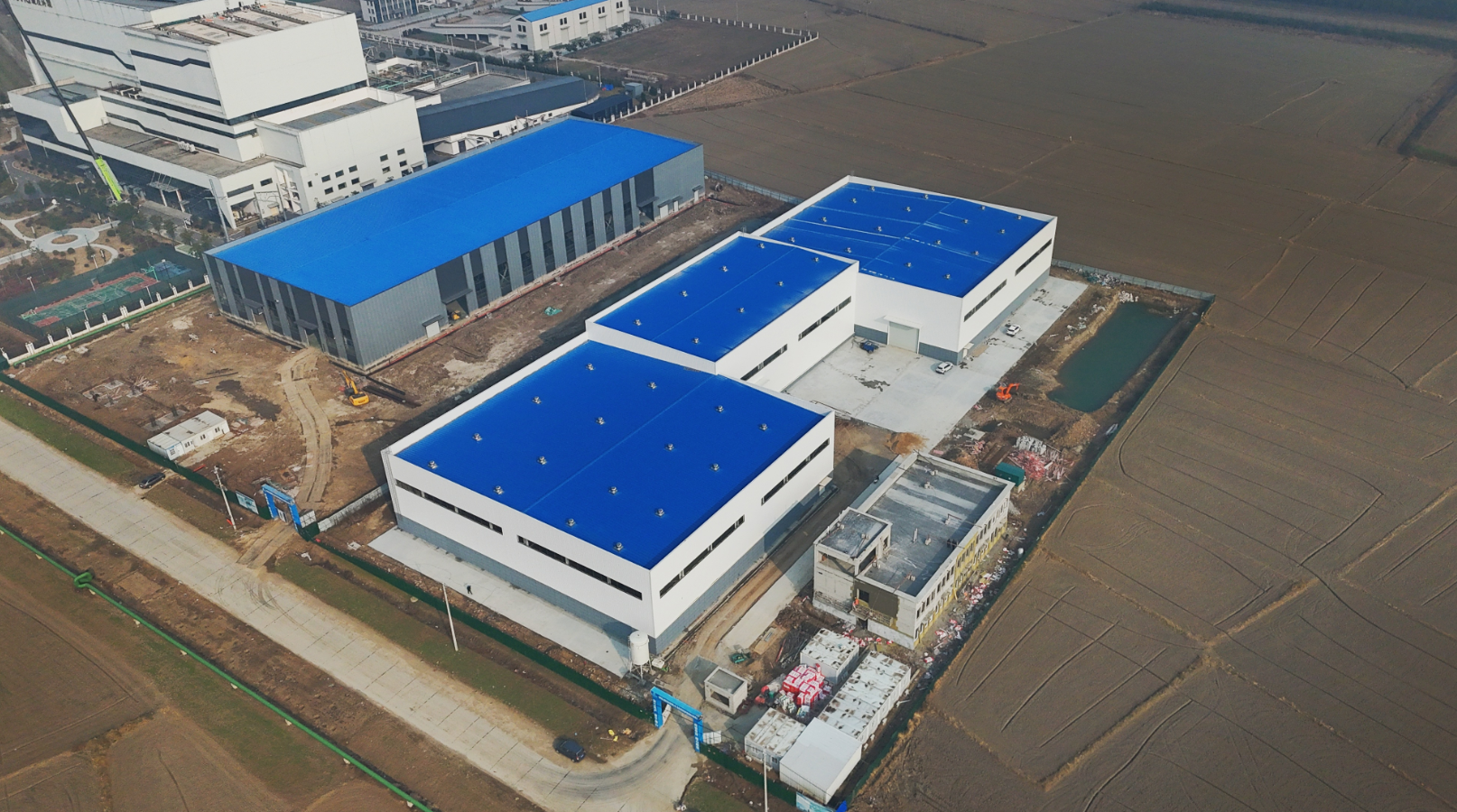
যখন শিল্প সম্পত্তি ডেভেলপার, যুক্তিযুক্ত ব্যবস্থাপনা নির্বাহী এবং বাণিজ্যিক রিয়েল এস্টেট বিনিয়োগকারীরা অবকাঠামোর বিকল্পগুলি মূল্যায়ন করেন, তখন একটি মৌলিক মেট্রিক প্রায় সবকিছুকে ছাড়িয়ে যায়: কাঠামোগত দীর্ঘস্থায়িত্ব। একটি ভবন কেবল মজুত বা উৎপাদন লাইনের জন্য একটি আবরণ নয়; এটি একটি দীর্ঘমেয়াদী মূলধন সম্পত্তি যা দশক ধরে কার্যক্রমের ক্ষয় এবং পরিবেশগত চাপ সহ্য করতে হবে। আধুনিক নির্মাণ খাতে, একটি উচ্চ-মানের প্রি-ইঞ্জিনিয়ার্ড স্টিল নির্মাণ ইস্পাত ভবন কম রক্ষণাবেক্ষণ প্রয়োজনীয় টেকসইতার জন্য সর্বশ্রেষ্ঠ পছন্দ হিসেবে ধারাবাহিকভাবে উঠে এসেছে।
তবুও, এর প্রকৃত শারীরিক সময়সূচী নিয়ে দীর্ঘস্থায়ী ভ্রান্ত ধারণার একটি মেঘ প্রায়শই ঘিরে থাকে। অনেক স্টেকহোল্ডার ভুলবশত ইস্পাত গঠনকে হালকা মডুলার আশ্রয়গুলির মতো একই অস্থায়ী বিভাগে ফেলেন। বাস্তবে, কঠোর প্রকৌশল কোডের অধীনে নকশা করা এবং পদ্ধতিগত পরিচালন তদারকির মাধ্যমে যত্ন নেওয়া হলে, একটি বাণিজ্যিক ইস্পাত সুবিধা সহজেই ঐতিহ্যগত কাঠের গঠনকে ছাড়িয়ে যায় এবং ভারীভাবে পুনর্বলিত কংক্রিট ফ্রেমওয়ার্কের সাথে প্রতিযোগিতা করতে পারে, যা একাধিক প্রজন্ম জুড়ে বিশাল আর্থিক মূল্য রক্ষা করে।
আধুনিক ফ্রেমিংয়ের ধাতুবিদ্যা ও গাঠনিক অখণ্ডতা
কোনও শিল্প কাঠামোর বেসলাইন আয়ুষ্কাল নির্ধারিত হয় অত্যন্ত আগেই—যখন নির্মাণস্থলে প্রথম অ্যাঙ্কর বোল্টটি ঢালাই করা হয় না। এটি উৎপাদন পর্যায়ে ধাতুবিদ্যা সংমিশ্রণ এবং কাঠামোগত ফ্রেমিং ডিজাইনের মধ্যে নির্ধারিত হয়। উচ্চ-মানের শিল্প ইস্পাত ফ্রেমিং, যা সাধারণত বিশ্বব্যাপী প্রকৌশল মানদণ্ড দ্বারা সার্টিফাইড কাঠামোগত গ্রেড ব্যবহার করে, একটি অত্যন্ত ভবিষ্যদ্বাণীযোগ্য ইয়েল্ড পয়েন্ট এবং অতুলনীয় শক্তি-প্রতি-ওজন অনুপাত প্রদান করে।
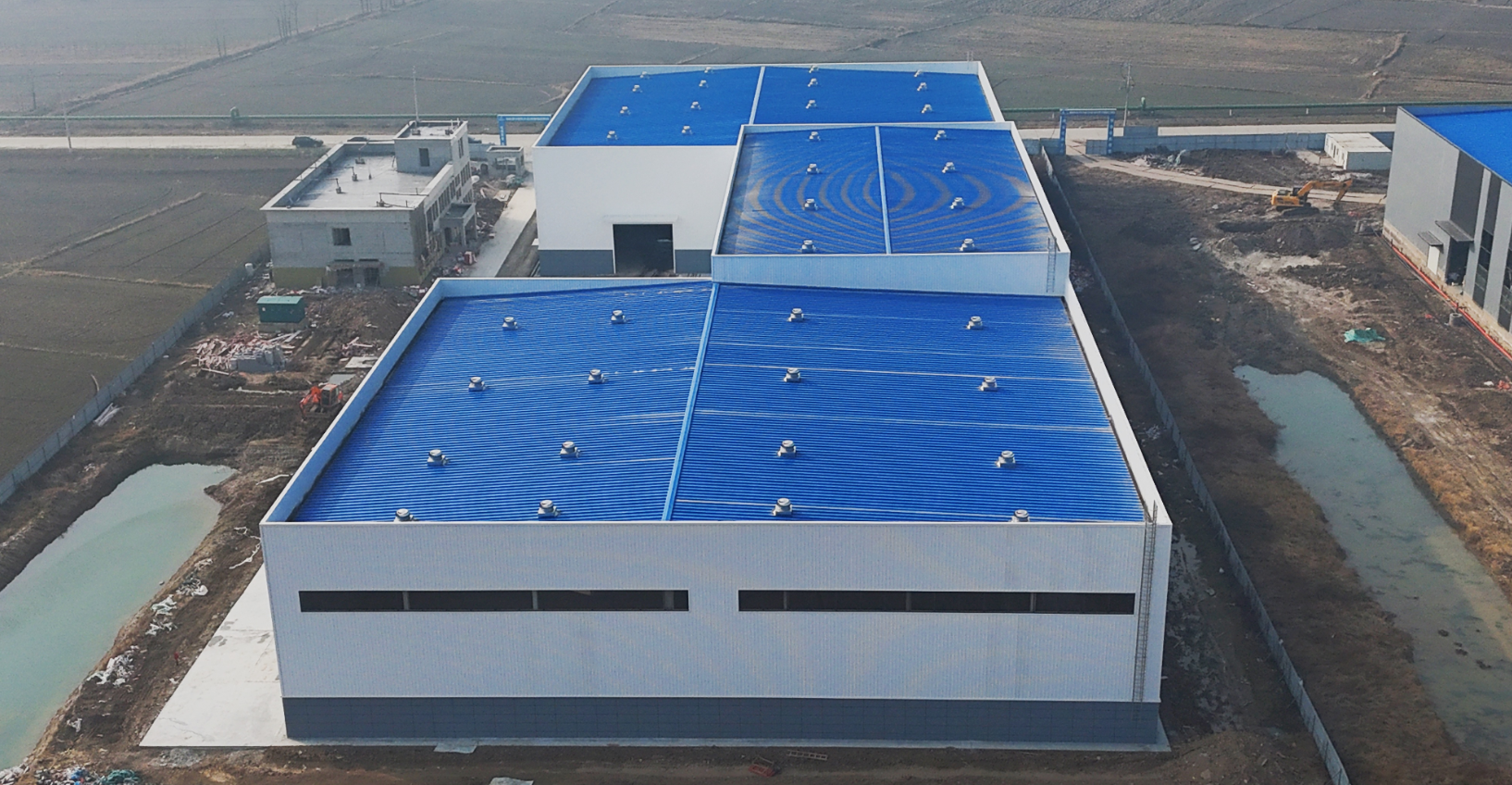
জৈব ভবন উপকরণগুলির বিপরীতে—যেগুলি সময়ের সাথে সঙ্কুচিত হয়, বিকৃত হয়, পচে যায় অথবা কীটপতঙ্গের আক্রমণের শিকার হয়—উচ্চ-মানের কাঠামোগত ইস্পাত চিরকাল পর্যন্ত পরম মাত্রিক স্থিতিশীলতা বজায় রাখে। পুরনো ভারী শিল্প সুবিধাগুলির ক্ষেত্রে কাঠামোগত মূল্যায়ন দেখায় যে, যখন কোনও ফ্রেমকে দীর্ঘমেয়াদী আর্দ্রতা প্রকাশের থেকে রক্ষা করা হয়, তখন কলাম, রাফটার এবং ওয়েব স্টিফেনারগুলির মূল লোড-বহনকারী ক্ষমতা ওভারহেড ক্রেন এবং উচ্চ-বেগের বাতাসের শিয়ার বলের কারণে পঞ্চাশ বছর ধরে চলমান গতিশীল লোডের পরেও প্রায় শূন্য ক্ষয় হয়।
উন্নত কোটিং বিজ্ঞান এবং পরিবেশগত স্থিতিস্থাপকতা
মিশ্র ধাতুর অসাধারণ গঠনমূলক লোড ধারণ ক্ষমতা সত্ত্বেও, একটি স্টিল নির্মাণ জীবনকালকে সীমাবদ্ধ করে এমন চূড়ান্ত সীমা হলো রাসায়নিক ক্ষয়। কাঁচা লোহার যৌগগুলি প্রাকৃতিকভাবে বায়ুমণ্ডলীয় আর্দ্রতা ও অক্সিজেনের সংস্পর্শে এলে তাদের জারিত অবস্থায় ফিরে যেতে চায়। এই দুর্বলতা প্রতিহত করতে, আধুনিক বাণিজ্যিক ইস্পাত উৎপাদন শিল্প সর্বোচ্চ মানের সুরক্ষামূলক বাধা কোটিং-এর উপর নির্ভরশীল।
গবেষণা অন্তর্দৃষ্টি অনুযায়ী, মেটাল বিল্ডিং ম্যানুফ্যাকচারার্স অ্যাসোসিয়েশন (MBMA) এবং আমেরিকান ইনস্টিটিউট অফ স্টিল কনস্ট্রাকশন (AISC) উন্নত হট-ডিপ জিঙ্ক গ্যালভানাইজেশন, অ্যালুমিনিয়াম-জিঙ্ক মিশ্রণ সুরক্ষা স্তর (যেমন গ্যালভালুম) এবং বহুস্তরীয় ফ্লুরোপলিমার ফিনিশ পেইন্ট সিস্টেম ব্যবহার করে দৈর্ঘ্য সম্পর্কিত সমীকরণটি সম্পূর্ণরূপে পরিবর্তন করা হয়। এই কোটিং ম্যাট্রিক্সগুলি একটি আত্মত্যাগী রক্ষামূলক স্তর তৈরি করে যা সক্রিয়ভাবে ক্ষয়কারী উপাদানগুলিকে বাধা দেয়। সাধারণ মাঝারি জলবায়ু বা হালকা শিল্প অঞ্চলে, এই বিশেষায়িত ভারী দায়িত্বপূর্ণ কারখানা-প্রয়োগকৃত ফিনিশগুলি প্রাথমিক ক্ষেত্র-প্রয়োগকৃত পুনঃকোটিংয়ের প্রয়োজন হওয়ার আগ পর্যন্ত চল্লিশ থেকে পঞ্চাশ বছর ধরে অবিচ্ছিন্ন রক্ষা প্রদান করে, যার ফলে এর নীচে অবস্থিত প্রাথমিক কাঠামোগত ইস্পাত কোরটি সম্পূর্ণরূপে অক্ষত ও শারীরিকভাবে অক্ষত থাকে।
জীবনকাল বৃদ্ধি করে এমন প্রতিরোধমূলক রক্ষণাবেক্ষণ প্রোটোকলগুলি
যদিও কাঠামোগত ফ্রেমটি বহু-দশক ধরে টিকে থাকার জন্য প্রকৌশলীদের দ্বারা নকশা করা হয়েছে, তবুও ৬০ থেকে ৮০ বছরের অধিক সময় ধরে এর আয়ু বৃদ্ধি করা সম্পত্তির মালিকের নিয়মিত প্রতিরোধমূলক রক্ষণাবেক্ষণের প্রতি মনোযোগ দেওয়ার উপর ব্যাপকভাবে নির্ভরশীল। বাহ্যিক ছোটখাটো দুর্বলতা উপেক্ষা করলে পরিবেশগত সামান্য আর্দ্রতা প্রবেশের সূযোগ সময়ের সাথে সাথে গভীরতর কাঠামোগত জটিলতায় পরিণত হতে পারে।
| ভবন রক্ষণাবেক্ষণ বিভাগ | উপেক্ষিত সুবিধা প্রোফাইল (প্রতিক্রিয়াশীল পদ্ধতি) | অপ্টিমাইজড পরিচালিত সম্পদ প্রোফাইল (প্রতিরোধমূলক যত্ন) |
| ফাস্টেনার ও ওয়াশারের অখণ্ডতা | ক্ষয়প্রাপ্ত নিওপ্রিন ওয়াশার (সূক্ষ্ম লিকেজের কারণ) | নিয়মিত পরিদর্শন, ১০-১৫ বছর পর পূর্ণ ব্যবস্থাগত প্রতিস্থাপন |
| গাটার ও জল নিষ্কাশন ব্যবস্থা | ময়লা জমা, জল জমে থাকা | ছয় মাস পরপর পরিষ্কার করা, দ্রুত জল নিষ্কাশনের জন্য অপ্টিমাইজড ঢাল |
| তাপ বাধা সিল | ক্ষতিগ্রস্ত অপরিবাহী বাষ্প বাধা (ঘামছে) | অখণ্ড তাপ বিরতি, সক্রিয় আর্দ্রতা নিয়ন্ত্রণ |
| প্রত্যাশিত কাঠামোগত আয়ুষ্কাল | প্রায় ৩০ থেকে ৪৫ বছর | সহজেই ৬০ থেকে ১০০+ বছরের বেশি সময় অতিক্রম করে |
ক্ষেত্রে অর্জিত অভিজ্ঞতা প্রমাণ করে যে, সবচেয়ে গুরুত্বপূর্ণ রক্ষণাবেক্ষণ কাজ হলো ছাদ ও দেয়াল প্যানেলগুলি সুদৃঢ় করে রাখা হাজার হাজার স্ব-বোরিং ফাস্টেনারগুলির পরিদর্শন। এক দশকের বেশি সময় ধরে মৌসুমি তাপীয় প্রসারণ ও সংকোচনের ফলে একীভূত EPDM বা নিওপ্রিন সিলিং ওয়াশারগুলি ধীরে ধীরে ক্ষয়প্রাপ্ত হতে পারে। এই ফাস্টেনারগুলি প্রতি দশ থেকে পনেরো বছর পরপর পদ্ধতিগতভাবে প্রতিস্থাপন করা, এবং ছাদের গাটারগুলিকে সম্পূর্ণরূপে আর্দ্র ও স্থির ধ্বংসাবশেষমুক্ত রাখা—এই দুটি ব্যবস্থা একত্রিত করলে আর্দ্রতা ফাস্টেনারের থ্রেড ও ইনসুলেশন ক্যাভিটিতে প্রবেশ করতে বাধা দেয়। এই সরল রক্ষণাবেক্ষণ প্রোটোকলটি সফলভাবে তাপীয় ব্রিজিংয়ের ঝুঁকি ও ঘনীভূত জলের জমাটবদ্ধ হওয়া নিষ্ক্রিয় করে, যার ফলে সম্পূর্ণ সম্পত্তির ব্যবহারিক কার্যকরী আয়ু শতাব্দীর পরেও অনেক দূর পর্যন্ত বৃদ্ধি পায়।
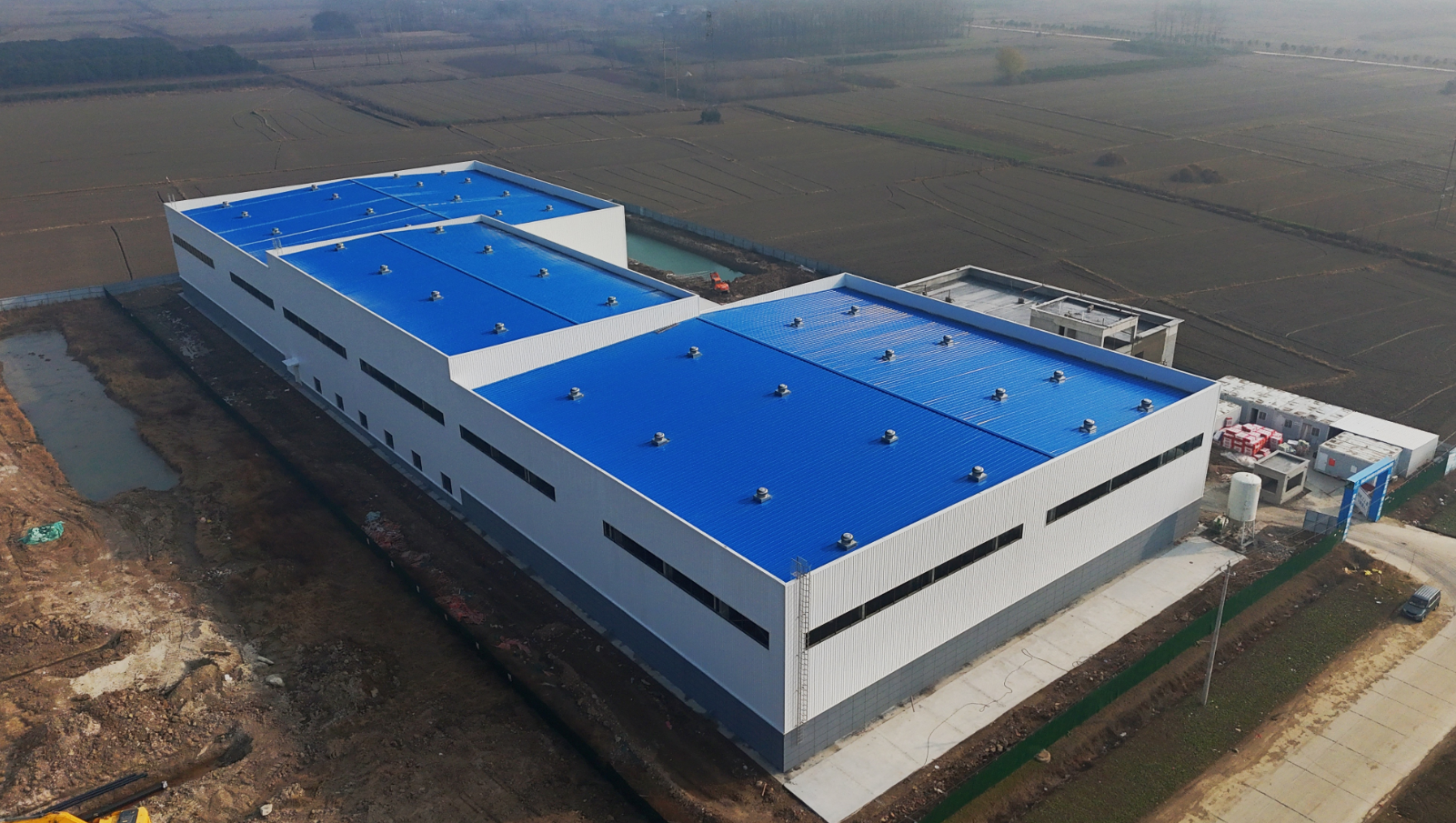
বাণিজ্যিক ROI এবং টেকসই সম্পত্তি মূল্য সর্বোচ্চকরণ
শীতল কর্পোরেট আর্থিক দৃষ্টিকোণ থেকে, কোনো গঠনের আয়ুষ্কাল মূল্যায়ন করতে গেলে সর্বদা মোট মালিকানা খরচ (টিসিও) এবং দীর্ঘমেয়াদী বিনিয়োগে আর্থিক রিটার্নের একটি বিস্তারিত বিশ্লেষণের সাথে সংযোগ স্থাপন করতে হবে। একটি সস্তা বিকল্প নির্মাণ পদ্ধতি প্রাথমিক ক্রয় চালানে আর্থিকভাবে আকর্ষক মনে হতে পারে, কিন্তু চিরস্থায়ী গাছপালা রক্ষণাবেক্ষণের লুকানো খরচ, ব্যয়বহুল কীটনাশক চিকিৎসা এবং ত্বরিত গাছপালা অবমূল্যায়নের ফলে সেই পৃষ্ঠতলীয় প্রারম্ভিক সঞ্চয় দ্রুত মুছে যাবে।
উচ্চ-মানের প্রি-ইঞ্জিনিয়ার্ড ইস্পাত সমাধানে বিনিয়োগ করা নিশ্চিত করে যে সম্পত্তির অবমূল্যায়ন বক্ররেখা অত্যন্ত ভবিষ্যদ্বাণীযোগ্য এবং রৈখিক হবে। তদুপরি, আজকের প্রতিষ্ঠানিক ক্রেতারা এবং বৈশ্বিক উদ্যোগগুলি পরিবেশগত অনুপালন মানদণ্ড—যেমন LEED সার্টিফিকেশন কাঠামোগত ইস্পাত পৃথিবীর সবচেয়ে ঘনিষ্ঠভাবে পুনর্ব্যবহারযোগ্য উপকরণগুলির মধ্যে একটি, যা যতবারই গলানো ও পুনরায় ব্যবহার করা হোক না কেন, এর আদি ভৌত বৈশিষ্ট্যগুলি অপরিবর্তিত থাকে। এই উচ্চ-মানের জীবনচক্রের শেষ পর্যায়ে অবশিষ্ট মূল্য, যা ইস্পাতের প্রাকৃতিক অগ্নি-প্রতিরোধী ও ভূকম্প-প্রতিরোধী ধর্মের কারণে অত্যন্ত নিম্ন বীমা প্রিমিয়ামের দ্বারা সমর্থিত, কোনো সম্পত্তির বাজার মূল্য বৃদ্ধি করে, ফলে তা একটি অত্যন্ত তরল (লিকুইড), উচ্চ-মানের বাণিজ্যিক সম্পদে পরিণত হয়—যা এর বহু-দশক ধরে চলমান কার্যক্রমের যেকোনো সময়ে ভাড়া দেওয়া, পুনর্বিত্তীয়করণ করা বা বিক্রয় করা সহজ।
নির্ভুল ভারী-দায়িত্বপূর্ণ উৎপাদন ও বৈশ্বিক অবকাঠামো পূরণ
বৃহৎ-স্কেল, টেকসই শিল্প অবকাঠামো প্রকল্পগুলি সফলভাবে বাস্তবায়ন করতে হলে একজন প্রকৌশল ও উৎপাদন অংশীদারের প্রয়োজন হয় যিনি বিশ্বব্যাপী কঠোর ক্ষেত্র পরিস্থিতির জন্য অপ্টিমাইজড, শূন্য-ত্রুটিযুক্ত কাঠামোগত উপাদানগুলি সরবরাহ করতে সক্ষম হন। স্টিল ঘর এই উচ্চ-নির্ভুলতাসম্পন্ন ভারী উৎপাদন খাতে একটি অগ্রণী অগ্রদূত হিসেবে কাজ করে বিশ্বব্যাপী একটি প্রভাবশালী সুনাম অর্জন করেছে। ভারী শিল্প গুদাম, জটিল বহু-স্প্যান বাণিজ্যিক কাঠামো এবং অত্যন্ত বিশেষায়িত যাতায়াত ও লজিস্টিক্স কেন্দ্রের শেষ পর্যন্ত (এন্ড-টু-এন্ড) নির্মাণে বিশেষায়িত হয়ে, " স্টিল ঘর "-এর উৎপাদন সুবিধাগুলি অত্যাধুনিক স্বয়ংক্রিয় সিএনসি ড্রিলিং লাইন, উন্নত প্লাজমা কাটিং গ্রিড এবং স্বয়ংক্রিয় উচ্চ-ঘনত্বের সুরক্ষামূলক কোটিং সিস্টেম ব্যবহার করে যাতে প্রতিটি কাঠামোগত উপাদান আন্তর্জাতিকভাবে সবচেয়ে কঠোর সহনশীলতা মান মেনে চলে।
একটি গভীরভাবে অপ্টিমাইজড আন্তর্জাতিক প্রকৌশল সরবরাহ শৃঙ্খল নেটওয়ার্ক দ্বারা সমর্থিত, স্টিল ঘর বাণিজ্যিক ক্লায়েন্টদের জন্য সম্পূর্ণ একীভূত OEM/ODM ডিজাইন ইঞ্জিনিয়ারিং, কঠোর অ-বিধ্বংসী গঠনগত পরীক্ষা প্রোটোকল এবং দ্রুত বৈশ্বিক বহু-প্রকার পরিবহন সেবা প্রদান করে। এই প্রতিষ্ঠানগত ফোকাস নির্ভুল বাস্তবায়নের উপর রাখা হয়েছে, যা নিশ্চিত করে যে কোনও কাজের সাইটে আসা প্রতিটি শিপমেন্ট সহজে ক্ষেত্রে সংযোজনের জন্য নিখুঁতভাবে ডিজাইন করা হয়েছে, সবচেয়ে কঠোর শিল্প অপারেশনাল সময়সূচী সহ্য করার মতো করে নির্মিত হয়েছে এবং প্রজন্ম পর প্রজন্ম ধরে বিশ্বস্ত সেবা প্রদানের জন্য গঠনগতভাবে অপ্টিমাইজ করা হয়েছে।