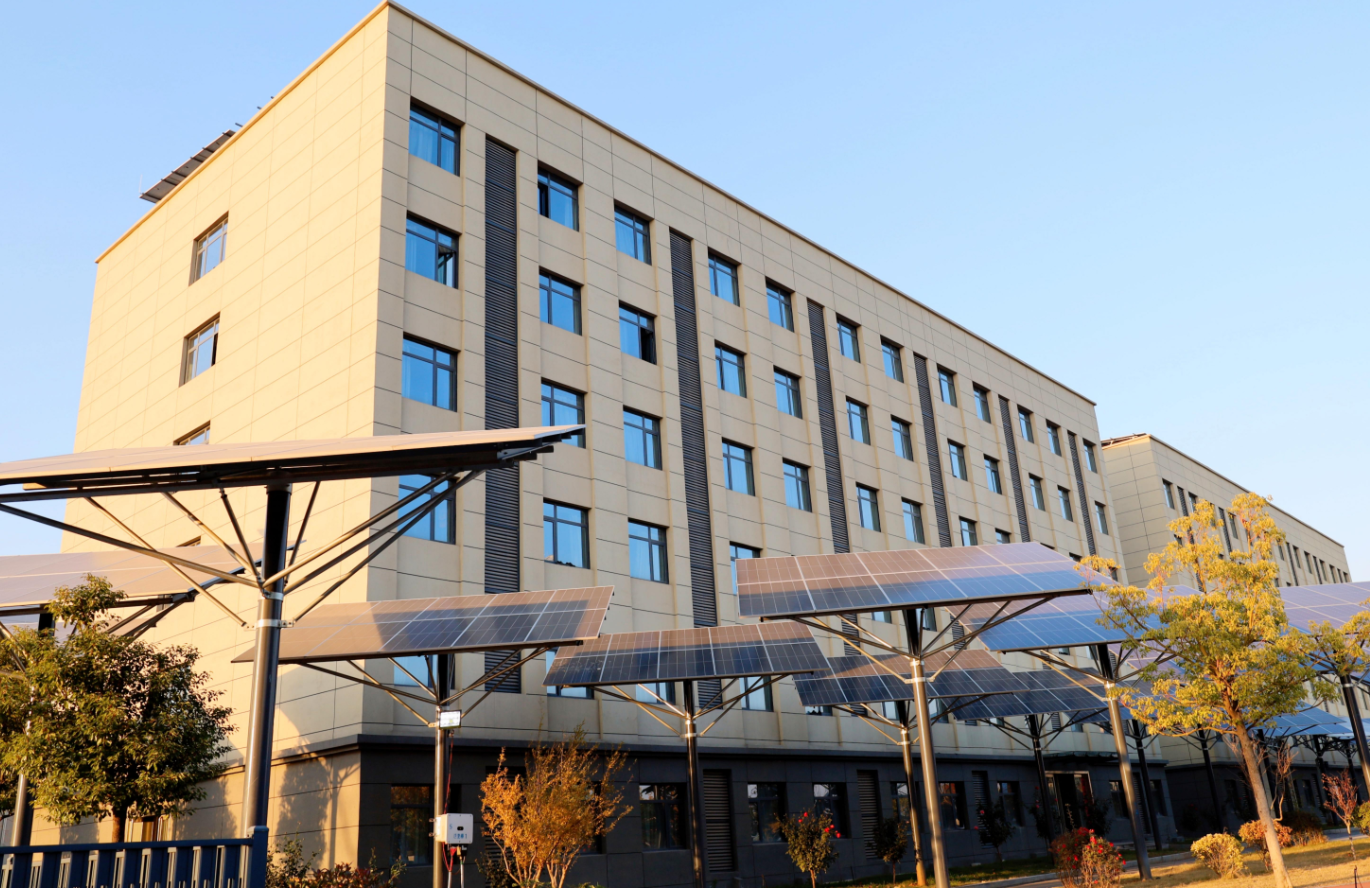
Utilisations agricoles et fermières des bâtiments en acier
Logements pour le bétail et la volaille : structures en acier durables et bien ventilées
Les structures en acier des granges et des poulaillers sont supérieures aux constructions en bois et en brique pour résister à la rouille, aux dégâts causés par les tempêtes, à la neige et aux incendies. Un avantage majeur des structures en acier réside dans l’absence de colonnes de soutien internes, ce qui permet aux agriculteurs d’adapter la grange selon leurs besoins afin d’optimiser la ventilation, de faciliter l’accès pour l’alimentation des animaux et de mettre en place des systèmes efficaces de gestion des déchets. Malheureusement, les systèmes de ventilation dans lesquels les agriculteurs investissent sont souvent inefficaces. Toutefois, lorsqu’ils installent des aérateurs de faîtage au sommet des toits de leurs granges, associés à des ouvertures latérales et à des ventilateurs automatiques, les éleveurs peuvent créer un système de ventilation autorégulé capable de maîtriser l’humidité et la qualité de l’air. Des études publiées dans des revues agricoles ont montré que des systèmes efficaces de régulation du climat peuvent réduire jusqu’à 40 % l’incidence des affections respiratoires chez les animaux élevés en enclos. En outre, l’acier est un matériau non poreux et lisse qui n’encourage pas la prolifération des moisissures ni des bactéries, ce qui entraîne une diminution des épizooties et des coûts de nettoyage. Les granges modernes en acier offrent souvent une isolation ainsi que des panneaux vitrés dotés d’un dispositif de contrôle thermique captant la lumière, intégrés dans les plafonds isolés. L’utilisation de la lumière naturelle dans les granges contribue à réguler les rythmes circadiens des animaux et réduit les coûts liés à l’éclairage électrique. Face aux exigences croissantes en matière de bien-être animal, les granges en acier, grâce à leur multitude d’avantages, aident les exploitations agricoles à répondre à ces obligations à mesure qu’elles se développent.
Options de stockage pour les machines agricoles, les cultures, les céréales et le foin
Les besoins en matière de stockage pour les exploitations agricoles, notamment les silos et les granges spécialisées, ont fait des bâtiments en acier une option populaire. L’espace dégagé permet d’accueillir des engins de grande taille, tels que les moissonneuses-batteuses, les broyeurs à rouleaux et les vis sans fin pour camions à céréales. Les bâtiments à portée libre sont disponibles dans une gamme variée de largeurs et de hauteurs, ce qui facilite l’installation de systèmes de convoyage, de systèmes de séchage des céréales ou de tout système de surveillance. Par rapport au bois, les bâtiments en acier sont moins susceptibles d’être endommagés par les insectes et moins sujets à la pourriture. Ils ne présentent pas d’interstices permettant aux nuisibles d’y pénétrer, ce qui simplifie le respect des réglementations en matière de sécurité sanitaire des aliments ; comme le montre l’analyse des tissus, les interstices offrant un accès aux nuisibles sont très limités, ce qui répond aux exigences de la réglementation en matière de sécurité sanitaire des aliments.
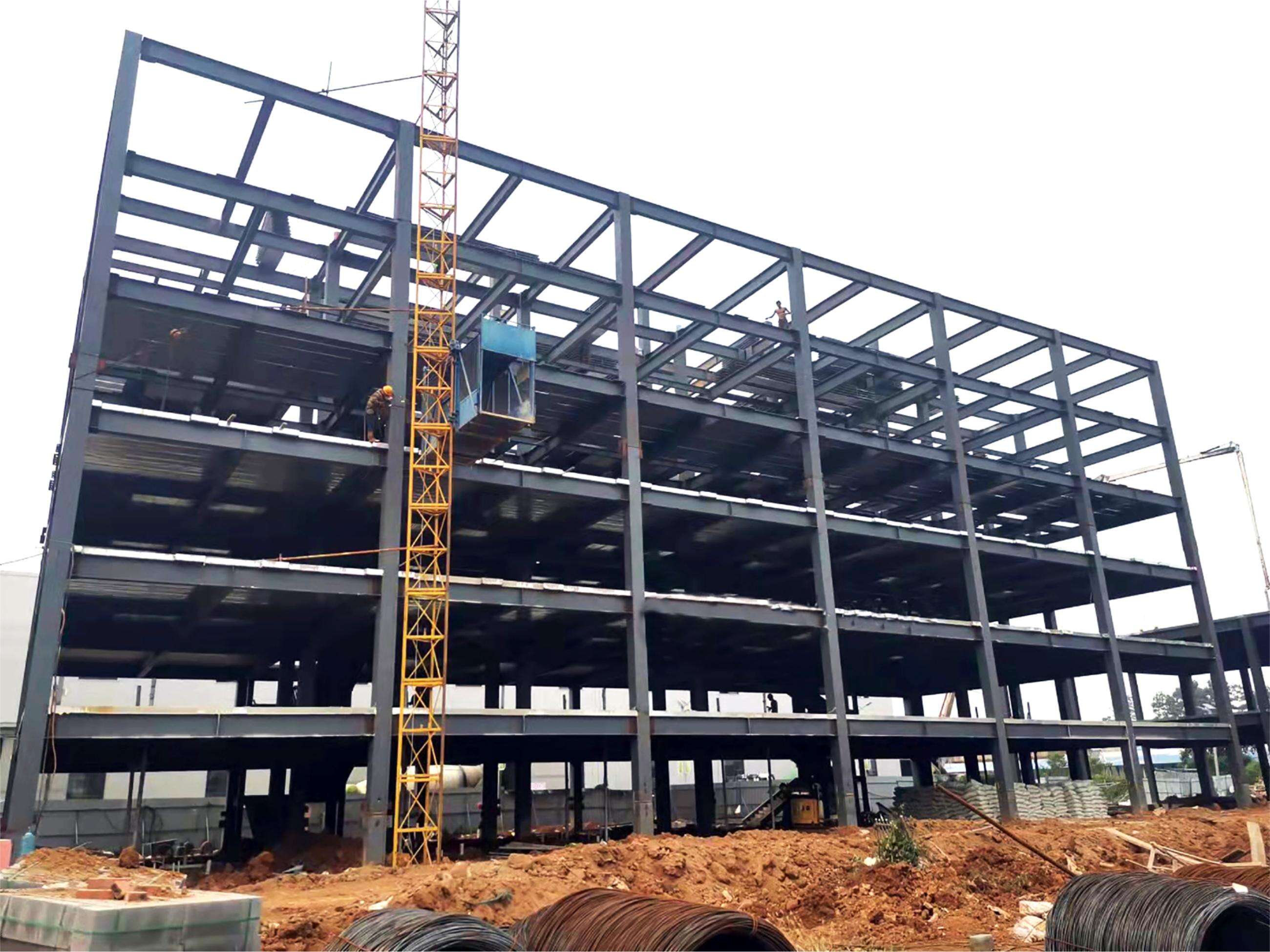
Les agriculteurs peuvent terminer l’assemblage de la plupart des bâtiments en acier en moins de quatre semaines et peuvent ainsi les avoir prêts juste à temps pour la prochaine saison des récoltes. En outre, la conception modulaire des bâtiments permet d’élargir progressivement la capacité de stockage à mesure que l’entreprise se développe au fil du temps.
Depuis que les bâtiments en acier peuvent entraîner des améliorations considérables des opérations commerciales et de la logistique, leur popularité ne cesse de croître auprès des entreprises industrielles, des entrepôts et des centres de distribution. Éviter toute interruption du fonctionnement fluide d’un centre de distribution ou d’un entrepôt est essentiel à leur réussite, et les bâtiments en acier permettent d’augmenter la capacité de stockage ainsi que la possibilité de faire fonctionner sans interruption des convoyeurs sur toute la surface au sol. La construction en acier résiste aux conditions rudes d’un centre de distribution ou d’un entrepôt pendant de nombreuses années, qu’il s’agisse des intempéries ou des contraintes sévères imposées par les chariots élévateurs et les palettes de type industriel. Comparée à la construction d’entrepôts et de centres de distribution utilisant des panneaux coulés sur place ou préfabriqués, la construction en acier entraîne systématiquement des coûts d’entretien plus faibles. La construction en acier est généralement achevée dans un délai plus court que celle en béton, et les niveaux d’humidité plus faibles des structures en acier peuvent contribuer à une meilleure sécurité des denrées alimentaires, des médicaments et des équipements électroniques sensibles entreposés dans le bâtiment en acier. Les structures en acier sont souvent mieux régulées en termes de température et d’humidité que les bâtiments en béton ; ainsi, les bâtiments modernes en acier sont fréquemment conçus et construits avec des systèmes intégrés de confinement des incendies afin d’offrir une solution préventive de sécurité incendie qui compense l’augmentation des coûts de construction. La construction en acier est largement reconnue pour sa rapidité d’exécution, ses performances fiables en cas de fortes chaleurs et sa capacité à respecter les réglementations en matière de sécurité incendie établies par le Code international du bâtiment (International Building Code) et l’Association nationale de protection contre l’incendie (National Fire Protection Association).
Usines de fabrication et installations de transformation avec charpentes en acier sur mesure
Le cadre en acier sur mesure fournit une fondation flexible pour les principales applications manufacturières. Prenons, par exemple, les usines de transformation alimentaire qui exigent des surfaces conformes aux normes de l'USDA en acier inoxydable, conçues pour un nettoyage fréquent, ou les usines automobiles nécessitant des ponts roulants suspendus à haute capacité (50 tonnes) avec des planchers d’assemblage isolés des vibrations. Dans les applications chimiques ou dans les zones côtières exposées à l’air salin, le Galvalume et l’acier patinable surpassent leurs concurrents en matière de résistance à la corrosion. Les composants modulaires sont conçus pour un montage aisé et peuvent être utilisés afin d’étendre les opérations lors d’une rénovation, que ce soit pour de nouveaux modules de production ou pour des mezzanines supplémentaires suspendues. Les panneaux métalliques isolés s’avèrent également efficaces pour éviter les effets néfastes sur les équipements de précision et les procédés d’emballage stérile pouvant résulter de la condensation et des variations de température. Ces caractéristiques, ainsi que d’autres, signifient que l’acier n’est plus une source de gaspillage énergétique, mais bien un atout opérationnel pour des activités allégées et économes en énergie, avec une évolutivité aisée.
Espaces adaptatifs commerciaux, de bureau et mixtes
La construction en acier offre une grande flexibilité et adaptabilité, tant pour les usages commerciaux que civiques. Grâce à l’utilisation de poteaux en acier, les espaces intérieurs peuvent être facilement reconfigurés. Pensez à la facilité de transformer un espace commercial en zone événementielle temporaire, ou à la façon dont un espace de coworking pourrait être converti en cabinet médical, ou encore à la manière dont une zone de stockage pourrait être aménagée en bureaux et en espace commercial. La construction en acier permet une grande souplesse pour ajouter, supprimer ou rénover des espaces. Du point de vue de la durabilité, il est logique de prolonger la durée de vie d’un bâtiment et de réduire les déchets de construction. En raison de sa flexibilité, la construction en acier convient particulièrement bien aux équipements communautaires, qui accueillent un grand nombre d’utilisateurs et connaissent un niveau d’activité élevé. Par exemple, les installations sportives communautaires, les bibliothèques publiques, les espaces créatifs et les ateliers communautaires exigent souplesse, robustesse et capacité d’adaptation aisée à des usages et activités variés. Dans les zones urbaines où le foncier est rare, la construction en acier permet une utilisation efficace du terrain et répond aux exigences relatives à la hauteur, à la densité et à l’accessibilité. L’acier permet de construire des bâtiments plus hauts tout en utilisant moins d’acier pour atteindre ces niveaux supérieurs.
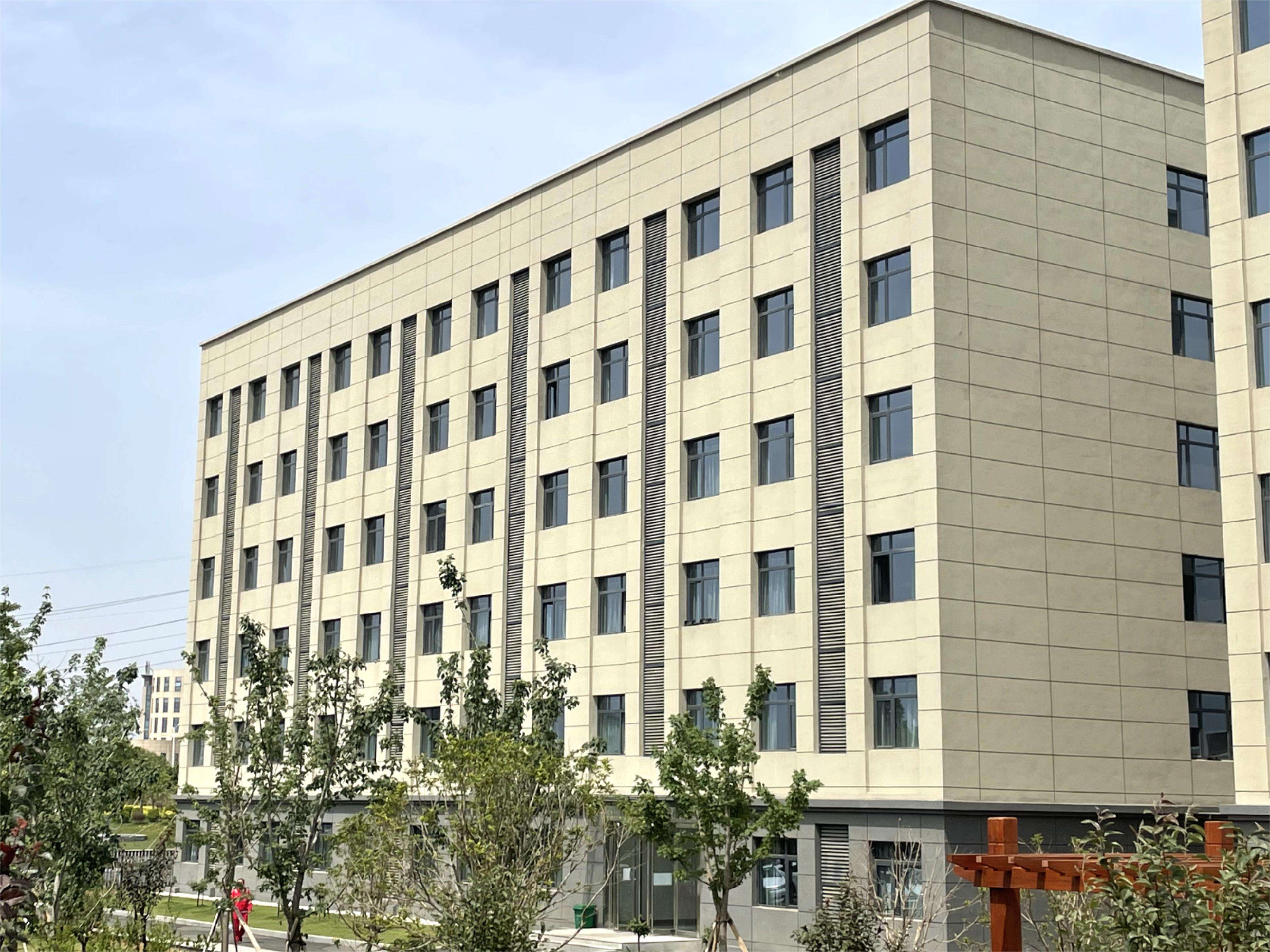
Applications spécialisées et émergentes des bâtiments en acier
Abris d'urgence temporaires, hangars d'avions et installations récréatives
Les constructions en acier font face aux exigences les plus rigoureuses et aux applications les plus critiques. À titre d’exemple des exigences et des besoins propres à la construction modulaire, les abris d’urgence préfabriqués peuvent être mis en service en quelques jours seulement, permettant ainsi aux intervenants d’urgence d’arriver sur place et de commencer immédiatement leurs opérations de sauvetage, sans retards importants. Ces abris sont conçus conformément aux normes de la FEMA et sont destinés à résister aux catastrophes naturelles ou à tout type de vents dévastateurs ou d’impacts que ces catastrophes sont susceptibles de générer, ce qui permet de les utiliser comme abris d’urgence modulaires, ainsi que comme abris de mise en place ou de repos pour les travailleurs sur les chantiers de construction. Dans le domaine aéroportuaire et de l’aviation, la construction d’édifices en acier offre la particularité unique de pouvoir entièrement dégager l’espace d’un hangar (c’est-à-dire sans aucune colonne). L’espace ainsi libéré dans un hangar est indispensable à son utilisation opérationnelle, notamment pour l’entretien et le stockage des équipements. La construction en acier utilisée pour le revêtement des réservoirs de stockage aériens contribue également à atténuer les effets des produits de dégivrage en hiver et de l’air salin dans les régions sous-côtières. La construction d’installations sportives et d’autres installations récréatives constitue également un avantage. Ainsi, la réalisation d’arènes couvertes, de piscines et de gymnases profite de la capacité à couvrir de grandes portées (de longues travées) sans colonnes porteuses, ce qui permet d’optimiser les agencements architecturaux et d’améliorer la visibilité des spectateurs. Les récentes innovations dans le domaine des matériaux isolants (tels que les panneaux isolants) et des matériaux employés pour fabriquer les façades extérieures ou d’autres composants extérieurs offrent aux concepteurs la possibilité de concevoir des structures améliorées, identiques à toutes les autres, et dont l’entretien requis au fil de leur durée de vie est moindre que celui nécessaire pour maintenir des bâtiments construits avec des matériaux obsolètes tels que la maçonnerie ou le bois.
FAQ
Quels avantages les bâtiments en acier offrent-ils pour l’élevage du bétail et de la volaille ?
Grâce aux bâtiments en acier, les installations d’élevage du bétail et de la volaille bénéficient d’une meilleure circulation de l’air et d’une hygiène améliorée, car ces bâtiments résistent à la rouille, à la moisissure, aux incendies et aux tempêtes, ce qui permet de réduire les éclosions de maladies animales.
Quels sont les avantages des structures en acier pour le stockage des machines, des cultures et des céréales ?
Les structures en acier contribuent au respect des réglementations applicables au stockage des machines, des cultures et des céréales, grâce à leur espace de stockage vaste, exempt de parasites, contrôlé en humidité et conforme aux exigences en vigueur.
Les structures en acier conviennent-elles aux entrepôts et aux centres de distribution ?
Absolument : les structures en acier offrent des espaces de stockage, d’isolation et de ventilation qui réduisent les coûts d’entretien et de stockage.
Pourquoi les charpentes en acier sont-elles privilégiées dans les usines de fabrication ?
Les charpentes en acier sont essentielles pour répondre aux normes de l’USDA et offrent une résistance à la corrosion, ce qui améliore les opérations de fabrication et permet une plus grande flexibilité en cas d’agrandissements.
Les structures en acier peuvent-elles être utilisées dans certains espaces commerciaux et communautaires ?
Absolument. En raison de leur facilité de modification, les charpentes en acier offrent une grande flexibilité et résistance pour une variété d’utilisations dans des espaces restreints.