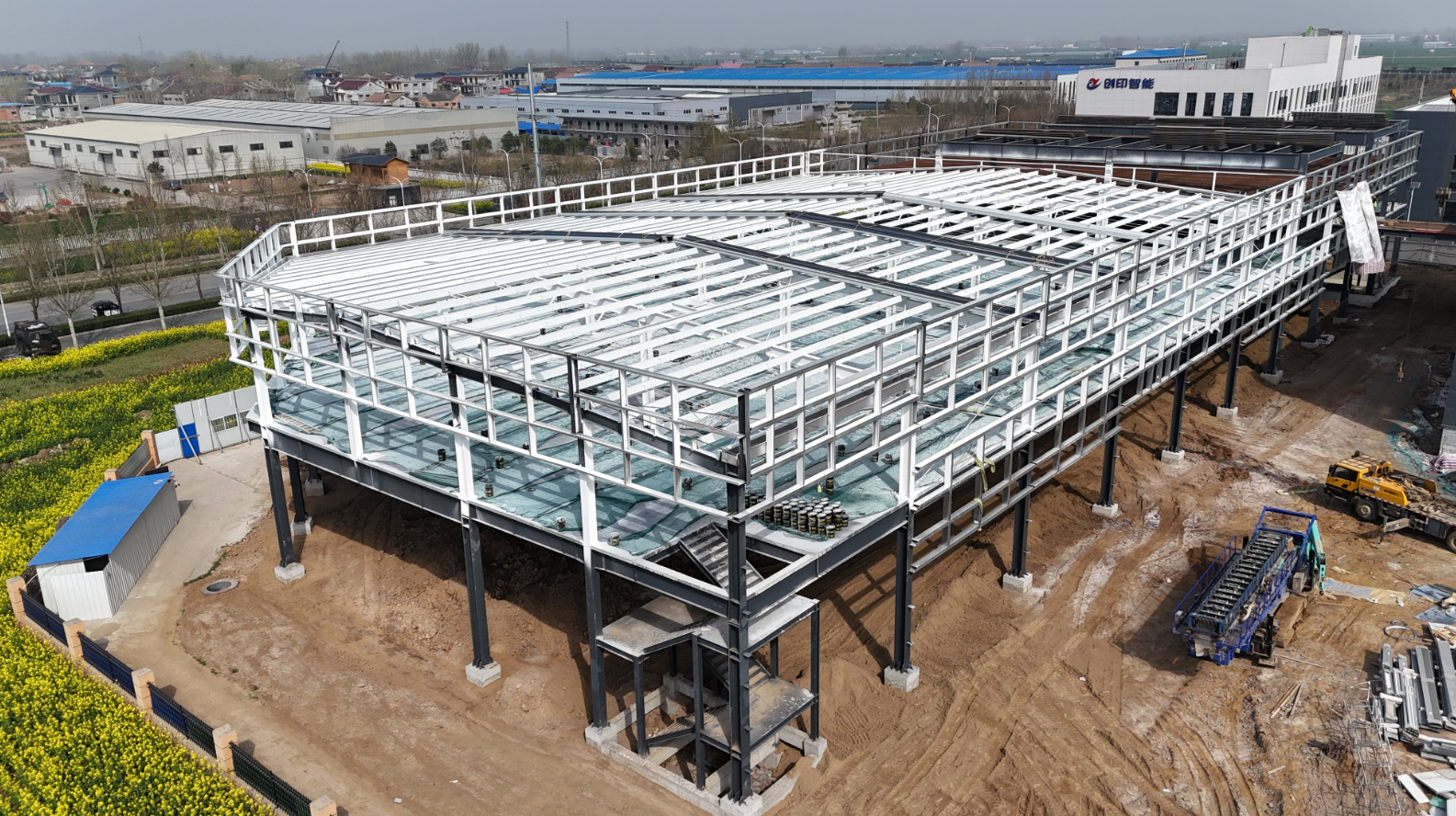
A Steel Structure Building can absolutely be designed for extreme snow loads when the structure follows a disciplined engineering process. Cold-region projects succeed only when snow load, wind, and thermal behavior are treated as one system rather than separate checkboxes.
Why Snow Load Drives the Whole Structural Design
How Ground Snow Load Becomes Roof Load
A Steel Structure Building starts its snow design from the local ground snow load, the weight of snow expected at grade level for a given return period. Engineers convert that value into balanced roof load using exposure, thermal, and importance factors from ASCE 7. Getting this conversion right decides every member size downstream, so it is never rushed.
In a real lake-region distribution center, the published ground snow load looked modest until drift against a tall adjacent wall was modeled. The unbalanced case doubled one bay's load. Re-running the load calculation with the drift term forced a heavier rafter, preventing a costly mid-winter retrofit.
The Role of Roof Pitch and Snow Drift
Roof pitch controls how much snow a roof sheds before it accumulates. Steeper slopes reduce sustained load but complicate equipment and drainage. Snow drift forms where wind sweeps snow onto a higher roof or against parapets, creating localized peaks above the balanced value.
Good layout separates roof heights and keeps parapet walls low, which limits drift formation. Where drift is unavoidable, the framing must carry the peak at the drift wedge. Treating drift as an afterthought is a common failure mode in cold-region buildings that were sized only for the balanced case and later strained by real storms.
Reading the ASCE 7 Load Calculation
For a Steel Structure Building, ASCE 7 splits the work into balanced load, drift load, and partial loading used for sliding and unbalanced cases. The standard also ties snow to wind and rain-on-snow scenarios, so a credible design reads all three together. A qualified engineer documents each factor so the fabrication shop and the local reviewer see the same numbers.
Most projects also reference IBC for the permitted load path and MBMA for metal-building guidance, while AISC shapes connection design. ANSI and OSHA rule the site side, and NFPA covers fire and snow-removal safety.
Choosing Materials That Hold Up in a Cold Region
Steel Grade and High-Strength Bolt Connections
A Steel Structure Building in a cold region relies on steel grade that keeps its toughness at low ambient temperature. Q355 steel, comparable to S355, resists brittle fracture better than mild grades when the thermometer drops. The H-section columns and beams carry the roof load through a continuous frame, while high-strength bolt connections transfer the forces at splices and bases.
Galvanized steel hardware and high-strength bolt assemblies are chosen for strength and field reliability. Bolt pretension, not weld-only joints, gives the frame stiffness to resist drift-induced eccentricity. CE and ISO certification on mill and shop documents confirms the material trace.
Corrosion Protection for Long Service Life
A Steel Structure Building in corrosive coastal or industrial cold sites needs protection from the start. Winter maintenance spreads de-icing salt and traps moisture against the steel, so corrosion protection is not optional. Hot-dip galvanizing seals members before they leave the shop, while an epoxy zinc-rich primer with micaceous iron-oxide intermediate and fluorocarbon topcoat adds a robust barrier.
A sound coating plan extends the service life and lowers lifetime maintenance cost. QC at fabrication checks film thickness and surface prep, because a weak spot becomes where rust starts. Regular inspection stops small defects from growing into structural loss.
Envelope, Ventilation, and Moisture Control
On a Steel Structure Building, the envelope must stop heat loss that would melt roof snow and refreeze as ice dams. Rock-wool or full-PU sandwich panels with thermal-bridge prevention, plus an aluminum alloy window package with a tight weather seal, keep the interior dry. Ventilation through roof turbine ventilators and louvers controls humidity before it condenses on cold steel.
ASHRAE guidance on vapor control and waterproof detailing at gutters and siphonic drainage points protect the frame from hidden moisture. Dust and condensation near insulation are removed during scheduled maintenance, preserving the envelope and the steel behind it.
From Load Calculation to a Buildable Frame
Purlin Spacing, Deflection, and Bracing
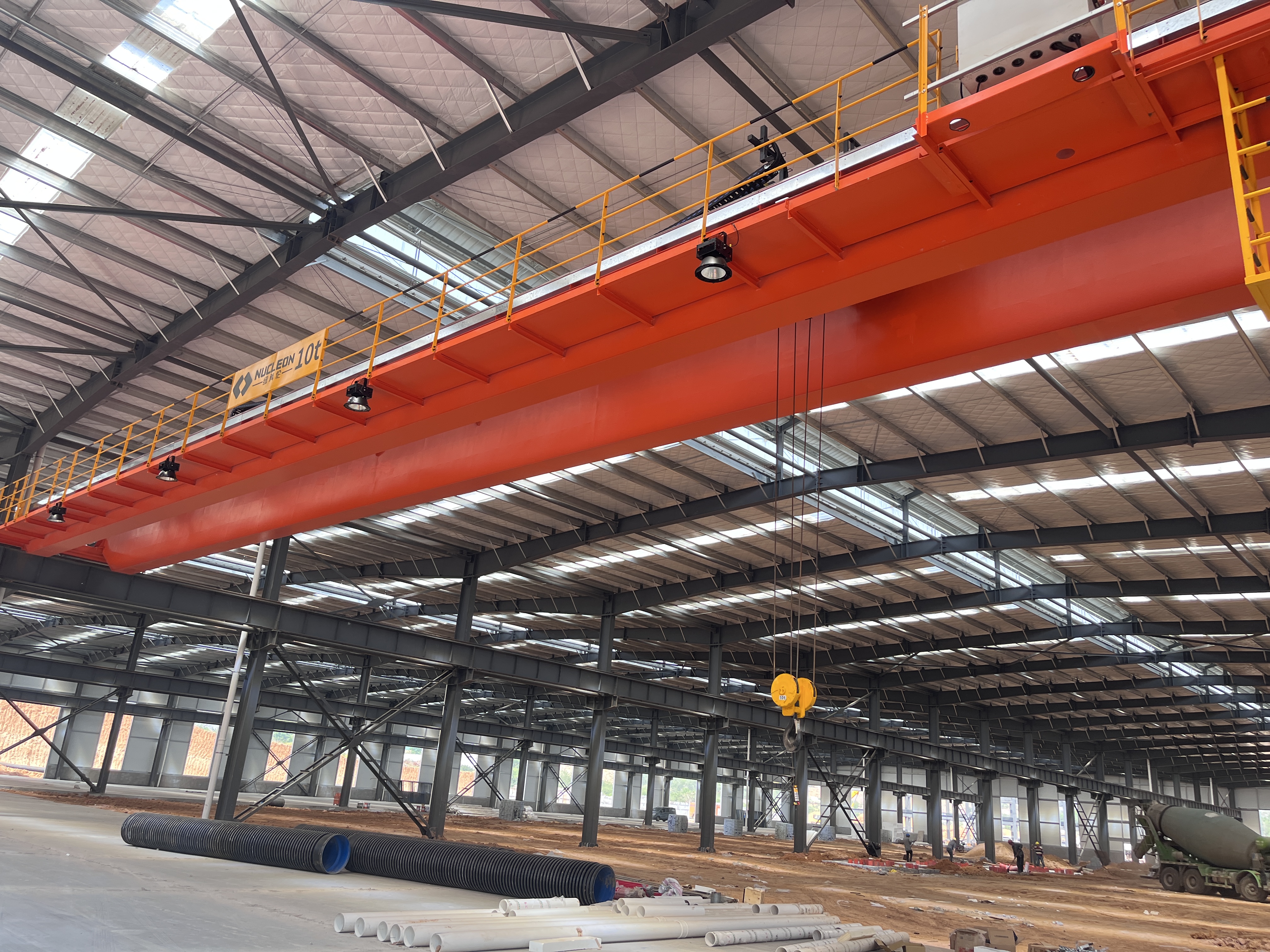
A Steel Structure Building reaches the shop floor only after purlin spacing, deflection limits, and bracing are set. Tighter purlin spacing reduces the localized bending between frames, and a lower deflection limit keeps the roof from visibly sagging under a deep snow pack. Cross bracing and the roof diaphragm share the lateral and uplift forces that storms add to the gravity load.
Temperature distribution across the frame changes with sun and snow cover, so connections allow controlled movement without loosening. Repeated freeze-thaw cycles feed the lifespan estimate, and the design reserves margin so normal winters never approach the failure mode of brittle or overloaded members.
Inspect, Maintain, and Avoid Overloading
A Steel Structure Building stays reliable with a simple seasonal routine. Before winter, clear drains and check the high-strength bolt torque at base plates. After a major storm, look for uneven snow and remove drift piles near walls. Avoid overloading one bay by storing heavy stock under a different span so the load path stays balanced.
Plan a maintenance walk each spring to log coating wear, corrosion at cut edges, and seal gaps at penetrations. Early repair protects service life and keeps the building safe through decades of cold-region use.
Summary
A Steel Structure Building engineered for extreme snow loads is the result of disciplined load calculation, the right steel grade, and details that respect drift, deflection, and moisture. Buyers should demand documented ASCE 7 figures, certified materials, and a maintenance plan, then verify them on site before a single bolt is tightened.
Frequently Asked Questions
Question 1
What snow-load standard should a cold-region steel building follow? A steel building in snow country should be designed to ASCE 7 for balanced, drift, and unbalanced loads, with IBC governing the permitted path. The local ground snow load sets the starting point, and the engineer applies exposure and thermal factors. Reviewers expect the calculation to be documented and traceable to the site address.
Question 2
Why does roof pitch matter for snow accumulation? Roof pitch changes how quickly snow sheds versus builds up. Steeper slopes shed more but complicate drainage and equipment, while low slopes hold deeper packs and larger drift wedges. The chosen pitch balances shedding, cost, and the unbalanced load cases that ASCE 7 requires for the specific building geometry and local wind exposure.
Question 3
How are high-strength bolt connections checked for snow loads? High-strength bolt groups are checked for shear, tension, and the eccentricity that snow drift creates at splices. Pretension keeps joints stiff under repeated loading, and the shop verifies torque and coating. Field teams confirm base-plate bolts after storms, because a loose connection reduces the frame's ability to share winter forces safely.
Question 4
Can a prefab steel building be modified for heavier snow later? A Steel Structure Building retrofitted for heavier snow is possible but expensive, often needing new rafters, purlins, or bracing. It is far cheaper to size the frame for the worst credible load at design time. A documented margin at the start avoids a disruptive mid-life structural upgrade after local snow records are broken by a severe season.
Question 5
Where should drainage and corrosion protection be detailed? Drainage belongs at eaves, gutters, and siphonic points so meltwater leaves fast and ice dams stay small. Corrosion protection starts with hot-dip galvanizing or a certified coating system, then continues with seasonal inspection of cut edges. Detailing both at the shop, not the site, gives the longest trouble-free cold-region service.