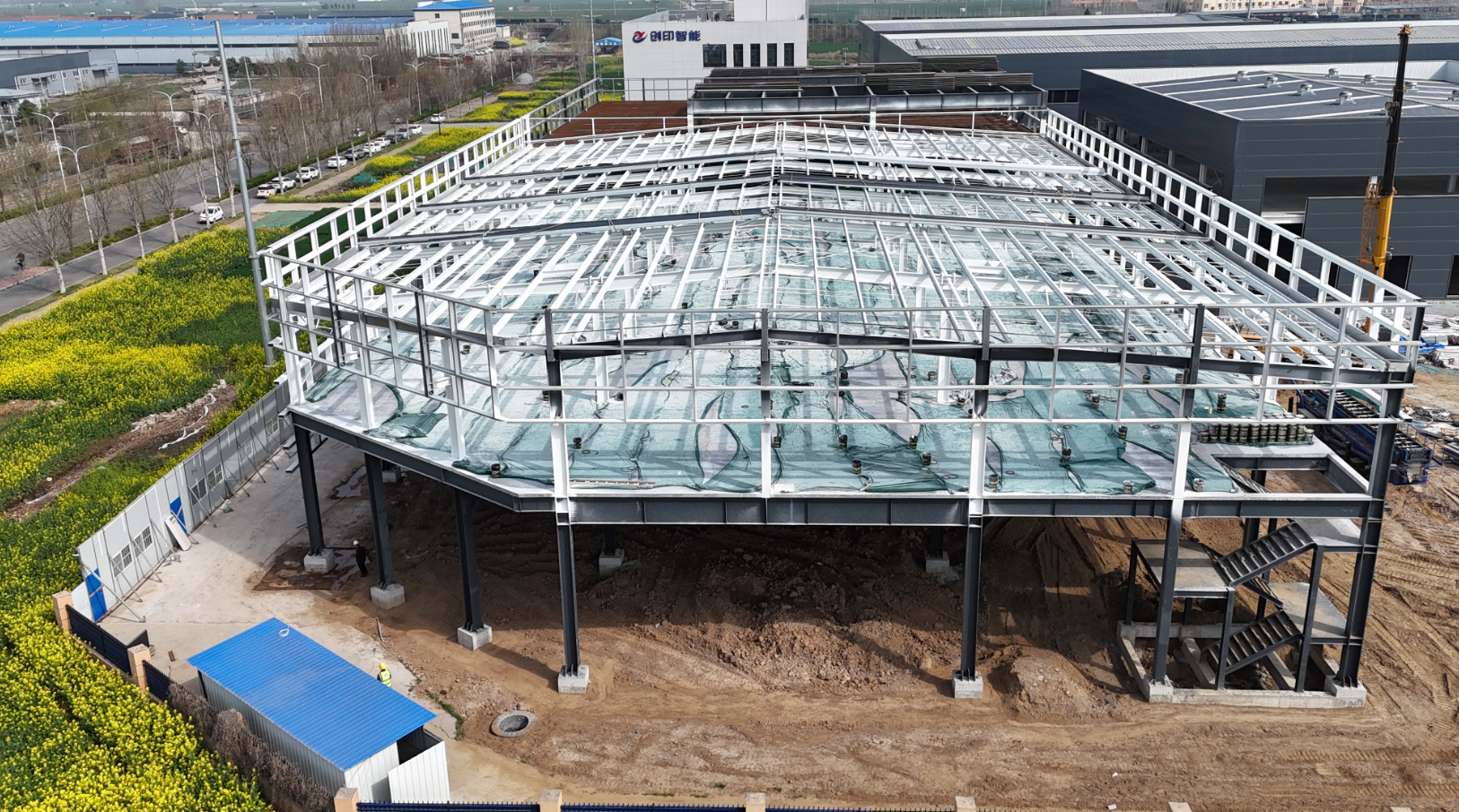
1. Thời gian thi công rút ngắn và tiến độ giao hàng dự báo chính xác với kho thép tiền chế WEITAI
Các kho thép tiền chế khai thác sản xuất tại nhà máy để rút ngắn đáng kể tiến độ dự án. Trong khi công tác thi công nền móng và san lấp mặt bằng diễn ra tại hiện trường, thì các cấu kiện—khung chính, tấm vách, hệ thống mái—được thiết kế kỹ thuật, cắt, hàn và đục lỗ sẵn trong các nhà máy có kiểm soát nhiệt độ. Quy trình làm việc song song này loại bỏ những trì hoãn theo chuỗi vốn có trong phương pháp xây dựng truyền thống từng phần. Khung thép được vận chuyển đến hiện trường ở dạng đã gia công hoàn chỉnh, cho phép đội thi công lắp ghép bằng bu-lông thay vì hàn tại chỗ—một quy trình giúp giảm thời gian lắp dựng tới 60% (Hiệp hội Nhà sản xuất Công trình Thép, MBMA 2023). Độ chính xác ở mức milimét đảm bảo sự khớp nối chính xác, loại bỏ hoàn toàn việc sửa chữa, điều chỉnh tại hiện trường. Kết quả là một kho thép tiền chế nhịp thông thủy có thể được bao che kín và chống thấm trong vài ngày—chứ không phải vài tuần—với tổng thời gian thi công ngắn hơn từ 40% đến 60% so với các phương pháp truyền thống. Việc đẩy nhanh tiến độ này giúp rút ngắn thời gian chiếm dụng vốn và tạo điều kiện để bắt đầu thu nhập doanh thu sớm hơn nhiều tháng.
2. Giảm lao động tại hiện trường, trì hoãn do thời tiết và chi phí thay đổi thiết kế đối với kho thép tiền chế
Các hệ thống thép được sản xuất tại nhà máy làm giảm đáng kể nhu cầu lao động tại hiện trường: việc gia công nặng được thực hiện trong nhà xưởng, cắt giảm yêu cầu về thợ lành nghề cũng như tổng số giờ lao động lên đến 50% (Tạp chí Construction Executive, 2022). Vì tường và mái dạng tấm được lắp đặt nhanh chóng, nên thời gian tiếp xúc với mưa, gió hoặc nhiệt độ cực đoan được giảm thiểu — loại bỏ một trong những nguyên nhân lớn nhất gây chậm tiến độ trong các công trình xây dựng truyền thống. Việc phối hợp thiết kế kỹ thuật số giúp phát hiện sớm các xung đột trước khi bắt đầu gia công, từ đó giảm trung bình 30% số lượng thay đổi thiết kế (Hiệp hội Thiết kế–Xây dựng Hoa Kỳ, DBIA 2021). Gia công ngoài hiện trường với giá cố định cũng giúp xác định sớm chi phí vật liệu, ngăn ngừa tình trạng vượt ngân sách do điều chỉnh tại công trường. Tổng hợp lại, những yếu tố này biến sự bất định trong tiến độ thành tính dự báo rõ ràng trong hợp đồng đối với prefab steel warehouses — khiến việc bàn giao đúng tiến độ và đúng ngân sách không chỉ khả thi mà còn là điều được kỳ vọng.
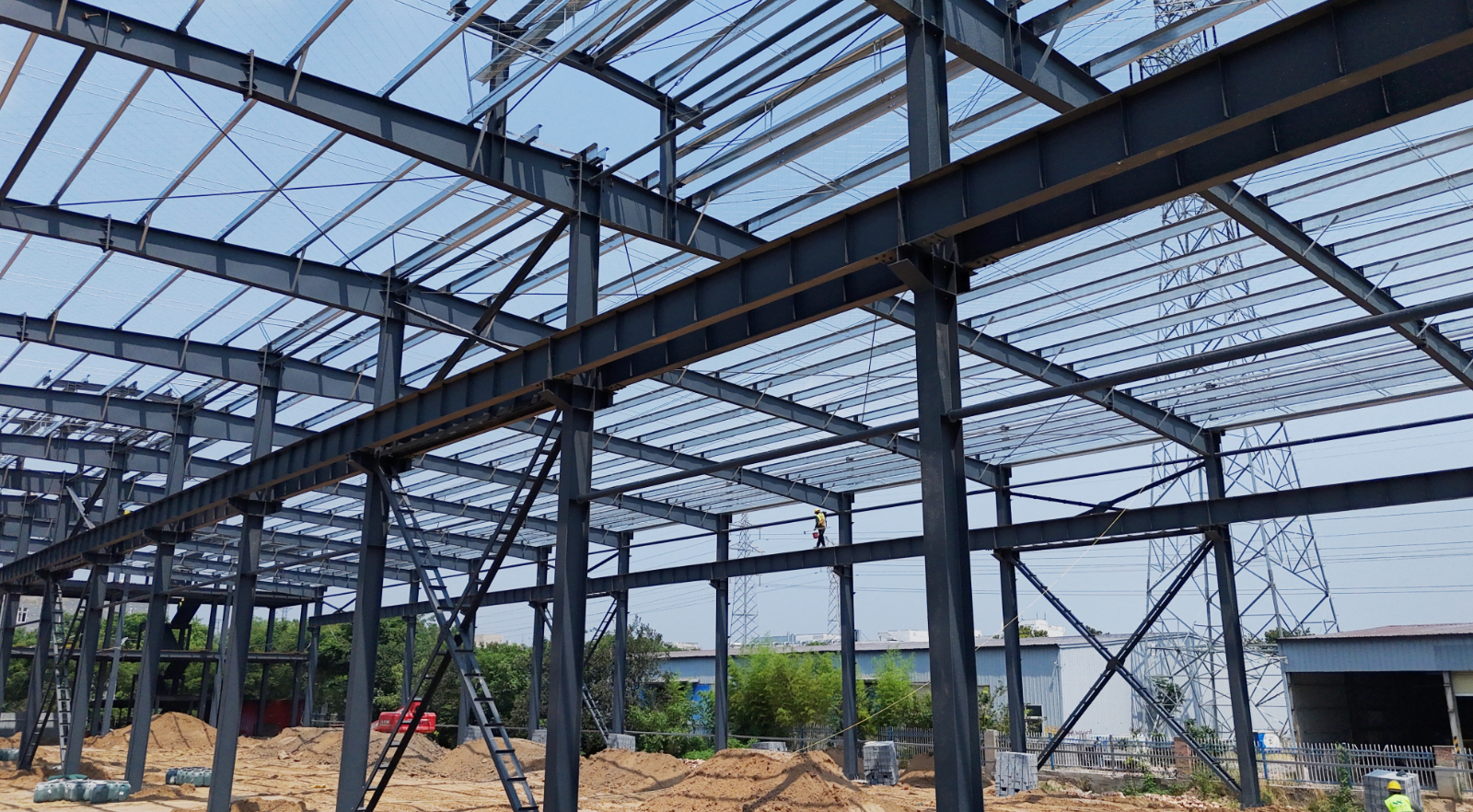
3. Độ bền vượt trội và hiệu quả chi phí vòng đời của kho hàng thép tiền chế
Tiêu chuẩn chống cháy, khả năng chịu tải gió/tuyết và bảo vệ chống ăn mòn
Kho hàng thép tiền chế vốn không bắt lửa - đây là ưu thế an toàn và bảo hiểm nền tảng. Lớp bảo vệ chống cháy được tăng cường thông qua các cấu tạo tuân thủ quy chuẩn như bọc thạch cao hai lớp hoặc lớp phủ phồng giãn, mang lại xếp hạng chống cháy từ 1 đến 4 giờ theo quy định địa phương. Độ bền kết cấu được thiết kế theo tiêu chuẩn ASCE 7-16 cho tải gió và tuyết đặc thù địa điểm; nhiều kho hàng thép tiền chế chịu được gió giật 150 dặm/giờ và tải tuyết mặt đất lên đến 70 psf mà không cần cột trụ bên trong. Khả năng chống ăn mòn đáp ứng tiêu chuẩn ngành nghiêm ngặt: mạ kẽm nhúng nóng theo ASTM A123 bảo vệ hàng thập kỷ trong môi trường khắc nghiệt, trong khi thép chịu thời tiết ASTM A588 tạo lớp gỉ ổn định tự phục hồi, lý tưởng cho khu vực ven biển hoặc công nghiệp.
| Danh Mục Bảo Vệ | Tiêu chuẩn / Phương pháp điển hình | Kết quả hiệu suất |
| Khả năng chống cháy | Lớp bao bọc thạch cao, sơn phồng nở | Đạt xếp hạng chịu lửa lên đến 4 giờ, ngăn ngừa sập cấu trúc |
| Độ bền với gió | Thiết kế theo tiêu chuẩn ASCE 7-16, khung giằng | Chịu được gió tốc độ 150 dặm/giờ, bảo vệ mái và tường |
| Trọng lượng tuyết | Khoảng cách xà gồ được tính toán kỹ lưỡng, độ dốc mái | Chịu tải tuyết mặt đất 70 psf, loại bỏ tích tụ tuyết cục bộ |
| Sự ăn mòn | Mạ kẽm nhúng nóng (ASTM A123), thép chịu thời tiết (ASTM A588) | tuổi thọ lớp phủ trên 50 năm, ít cần sơn lại |
Cách tiếp cận tích hợp này đảm bảo tính liên tục vận hành cho kho hàng thép tiền chế—gần như loại bỏ hoàn toàn thời gian ngừng hoạt động do thời tiết và suy giảm hiệu suất dài hạn.
độ bền cấu trúc 50 năm: Dữ liệu NIST về giảm bảo trì và tiết kiệm chi phí sở hữu tổng thể (TCO)
Phân tích vòng đời xác nhận lợi thế kinh tế dài hạn của thép. Theo nghiên cứu của NIST (2021), khung thép được bảo trì đúng cách cần ít hơn 50% lần sửa chữa trong vòng 50 năm so với gỗ hoặc gạch đá—loại bỏ các điểm yếu như mục, cong vênh và hư hại do mối. Tỷ lệ độ bền trên trọng lượng cao còn giúp giảm chi phí nền móng, trong khi lớp bao che tiết kiệm nhiệt và mái phản quang góp phần tiết kiệm năng lượng liên tục. Khi đánh giá tổng chi phí sở hữu (TCO)—bao gồm chi phí xây dựng, tiêu thụ năng lượng, bảo trì và tái chế sau sử dụng—kho hàng bằng thép tiền chế thường có TCO thấp hơn 30% so với các giải pháp truyền thống. Khả năng tái chế gần như 100% của thép khi kết thúc vòng đời giúp giảm trách nhiệm xử lý chất thải và hỗ trợ các mục tiêu ESG. Chủ sở hữu kho hàng bằng thép tiền chế được hưởng ngân sách bảo trì hàng năm dự báo chính xác và độ tin cậy về mặt kết cấu phù hợp với tuổi thọ thiết kế 50 năm của tài sản—từ đó biến giải pháp này vừa bền vững vừa hiệu quả về mặt tài chính.
4. Khả năng mở rộng tích hợp để tăng trưởng hoạt động bằng kho thép tiền chế
Mở rộng theo mô-đun mà không cần cải tạo: Thêm các dãy nhà, tầng lửng hoặc khu vực bảo quản lạnh
Tính chất mô-đun của khung thép tiền chế cho phép mở rộng một cách liền mạch và ít gây gián đoạn. Khác với các công trình xây bằng gạch đá hoặc bê tông—yêu cầu phá dỡ, gia cố và ngừng hoạt động trong thời gian dài—kho hàng thép tiền chế cho phép lắp thêm các khoang mới trực tiếp vào khung hiện hữu, tăng diện tích sàn mà không làm gián đoạn hoạt động. Không gian nội thất không cột (clear-span) cung cấp chiều cao thông thủy dồi dào và khả năng chịu tải đồng đều trên toàn bộ mặt bằng, giúp việc lắp đặt sàn lửng trở nên đơn giản và tiết kiệm chi phí. Đối với hàng tồn kho nhạy cảm với nhiệt độ, các khu vực bảo quản lạnh được tích hợp trơn tru bằng tấm kim loại cách nhiệt và lớp chắn hơi—không cần thay đổi cấu trúc. Đây không phải là các giải pháp cải tạo sau này, mà là các phần mở rộng lắp ghép bằng bu-lông, vẫn tuân thủ đúng ý đồ kỹ thuật ban đầu. Nhờ đó, các doanh nghiệp logistics và sản xuất đang phát triển, khi sử dụng kho hàng thép tiền chế, có thể tránh được chi phí đầu tư lớn và sự gián đoạn vận hành do xây dựng mới gây ra—đảm bảo cơ sở hạ tầng luôn phù hợp với nhu cầu kinh doanh đang không ngừng thay đổi.
5. Tính linh hoạt trong thiết kế của các kho thép tiền chế hỗ trợ nhu cầu công nghiệp hiện đại
Không gian nội thất không cột, nền tảng sẵn sàng cho tự động hóa và các tùy chọn tùy chỉnh về mặt thẩm mỹ
Các kho thép tiền chế loại bỏ các cột bên trong, mang lại không gian thông suốt không bị cản trở, tối đa hóa diện tích sử dụng và đơn giản hóa việc bố trí lại cơ sở. Bố cục mở này hỗ trợ tự động hóa hiện đại—bao gồm xe dẫn đường tự động (AGV), hệ thống chọn hàng bằng robot và giá kệ mật độ cao—mà không gây cản trở. Nền móng cho các kho thép tiền chế có thể được thiết kế chính xác để đáp ứng tải trọng thiết bị động, kiểm soát rung động và độ phẳng của bản sàn ở mức milimét—yêu cầu then chốt đối với các hệ thống xử lý vật liệu tiên tiến. Ngoài chức năng, tính linh hoạt về mặt thẩm mỹ cũng được tích hợp sẵn: các dạng tấm ốp tùy chỉnh, nhiều lựa chọn màu sắc phong phú và vật liệu ốp kiến trúc cấp cao cho phép cơ sở thể hiện bản sắc doanh nghiệp hoặc tuân thủ quy định quy hoạch và thiết kế địa phương. Sự kết hợp giữa tự do không gian, khả năng chịu lực sẵn sàng cho tự động hóa và khả năng thích ứng thị giác này khiến các kho thép tiền chế trở thành lựa chọn cơ sở hạ tầng cho các hoạt động công nghiệp linh hoạt và sẵn sàng cho tương lai.
Câu hỏi thường gặp
-
Lợi ích tiết kiệm thời gian của các kho thép tiền chế là gì?
Các kho thép tiền chế rút ngắn thời gian xây dựng từ 40–60% nhờ sản xuất các bộ phận tại nhà máy bên ngoài công trường trong khi đồng thời tiến hành chuẩn bị mặt bằng. Cách tiếp cận song song này làm giảm đáng kể tổng thời gian thực hiện dự án.
-
Các hệ thống thép tiền chế xử lý các trì hoãn do thời tiết như thế nào?
Các hệ thống tiền chế giảm thiểu các trì hoãn do thời tiết bằng cách chế tạo sẵn các bộ phận chính và sử dụng các tấm lắp đặt nhanh cho tường và mái. Quy trình này hạn chế việc tiếp xúc tại chỗ với mưa, gió và nhiệt độ cực đoan.
-
Các kho thép tiền chế có hiệu quả về chi phí trong dài hạn hay không?
Có, các kho thép tiền chế mang lại tổng chi phí sở hữu (TCO) thấp hơn 30% so với các công trình xây dựng truyền thống. Chúng yêu cầu ít bảo trì hơn, có khả năng tái chế cao hơn và hỗ trợ tiết kiệm năng lượng nhờ thiết kế cách nhiệt hiệu quả.
-
Các kết cấu thép tiền chế có thể đáp ứng nhu cầu mở rộng trong tương lai hay không?
Đúng vậy, thiết kế mô-đun của chúng cho phép lắp thêm các bộ phận như khu vực xếp hàng, tầng lửng hoặc khu vực bảo quản lạnh một cách liền mạch bằng bu-lông mà không làm gián đoạn hoạt động hiện có hay yêu cầu cải tạo quy mô lớn.
-
Độ bền của các kho thép tiền chế như thế nào?
Các kho thép tiền chế đáp ứng các tiêu chuẩn cao về khả năng chống cháy, khả năng chịu tải gió và tuyết, cũng như khả năng chống ăn mòn. Chúng được thiết kế để sử dụng trên 50 năm với mức bảo trì tối thiểu.