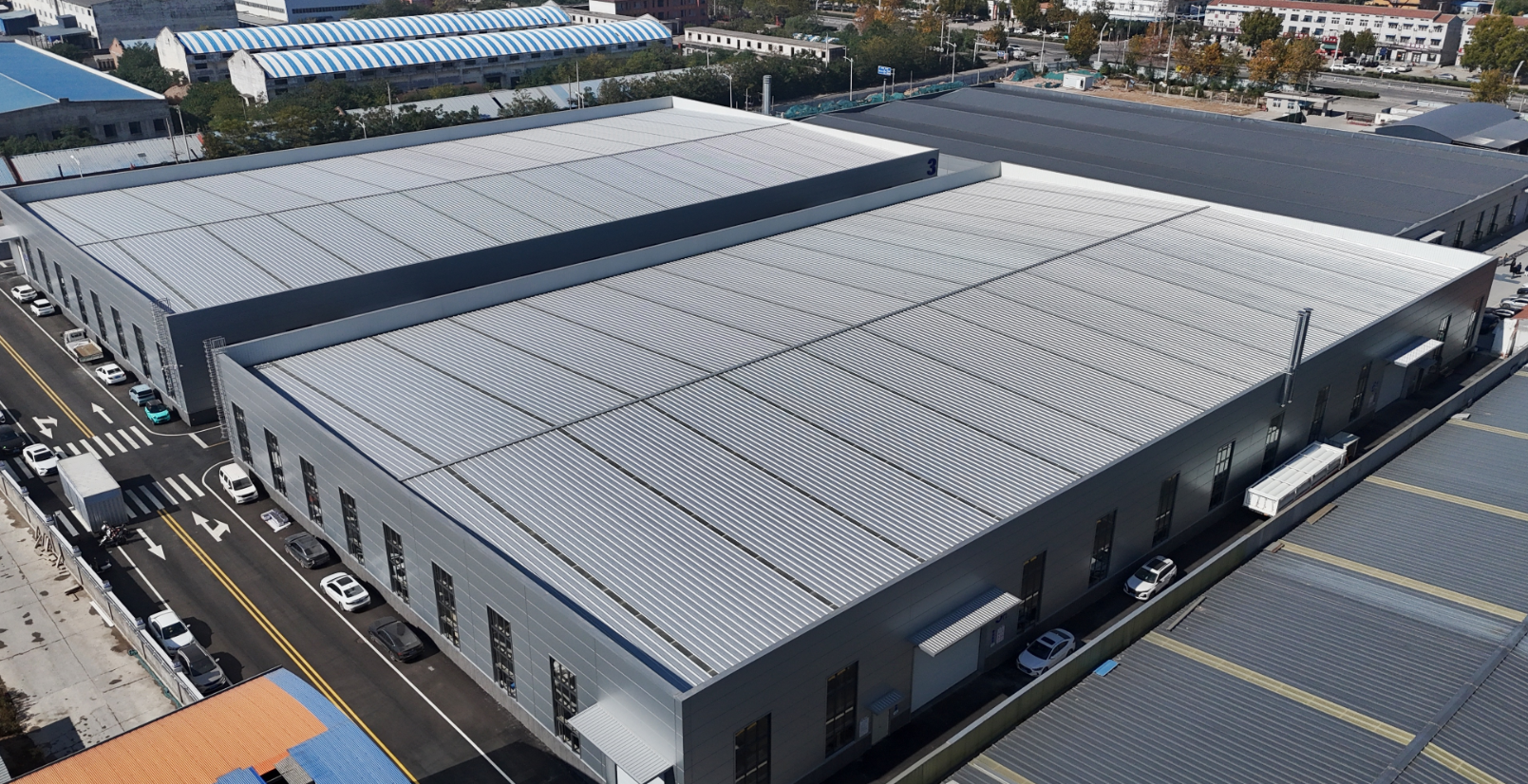
የተከዳዳ የብረት የማህደር ቤት የዋጋ ተመን ተስፋ
ዝቅተኛ የመጀመሪያ ኢንቨስትመንት እና የተስተካከለ የቢጅቴ አስተዳደር
ከላይ የተጠቀሰው የተለየ ምርት እና የአሰምብሊ ቤቶች ጋር በመነፃፈስ ላይ፣ የፕሬፋብ ብረት ቤቶች ትልቅ እና የተገመተ የገንዘብ ማቆሚያ ውጤት ይሰጣሉ። የተለየ ቦታ ላይ የተሰራ የሞዱላር ክፍሎች በመጠቀም እና በቀላል አሰምብሊ ምክንያት የሰው ሃይል ሰዓቶች በመቀነስ በማተርያል መበላሽ ላይ እስከ 20% በመቀነስ ይከናወናል። ይህ የተገመተው ዋጋ በካሬ ጎዳን ላይ $18 እስከ $22 መካከል ነው፣ እና ይህ የንግድ ተቋማት ከተለመደው ምርት ጋር የሚያሳዩ የቢጅቴ ችግሮችን ለመከላከል ያስችላል። በዚህ ሁኔታ የኢንጂነሪንግ ሥራ በጣም ትክክለኛ ነው ስለዚህ ዋጋውን በትክክል ማገናኘት ይቻላል፣ እና የባለቤቱ በተገመተው ጊዜ ጀምሮ የተረጋገጠ ሆኖ ይገኛል።
ከተደረገ የስራ አሰራር እና የማተርያል ችግር የተነሣ የሰው ሃይል ወጪ እና የማተርያል ችግር
በፋብሪካ ምስራቅ ቁጥጥር ስር ፣ በቀድሞ ተቆረጠው የብረት ክፍሎች መጠቀም የሚያስችል የኮምፒዩተር በኩል የተሰሩ ክፍሎች እና በቦታ ላይ የሚከሰቱ የንዑስ ስራ ጥረቶች ምክንያት የሰው ሃይል በ30% ይቀንሳል በተለመደው ዘዴ ጋር ሲነጻጸር። በቦታ ላይ የሚካሄደው ምስራቅ ባህሪ ምክንያት የተገለጸው የአካል ክፍሎች የማሰባሰብ ጊዜ በ40% እስከ 50% ይቀንሳል። ይህ በተጨማሪ የተሻሻለ የንዑስ ስራ በቡንድል (ለምሳሌ የንዑስ ስራ ማስተላለፊያ እና ማሰባሰብ) እና የምስራቅ እና የተሽከርካሪ ተጽእኖ ለመቀነስ የሚያስችል ነው፣ ይህም በትንሹ የዋጋ ክፍያ (የትንሹ የስርዓተ-አካል የተረጋጋነት አጎዳጣም) የፍጆታ ብቃትን ያስገኛል።
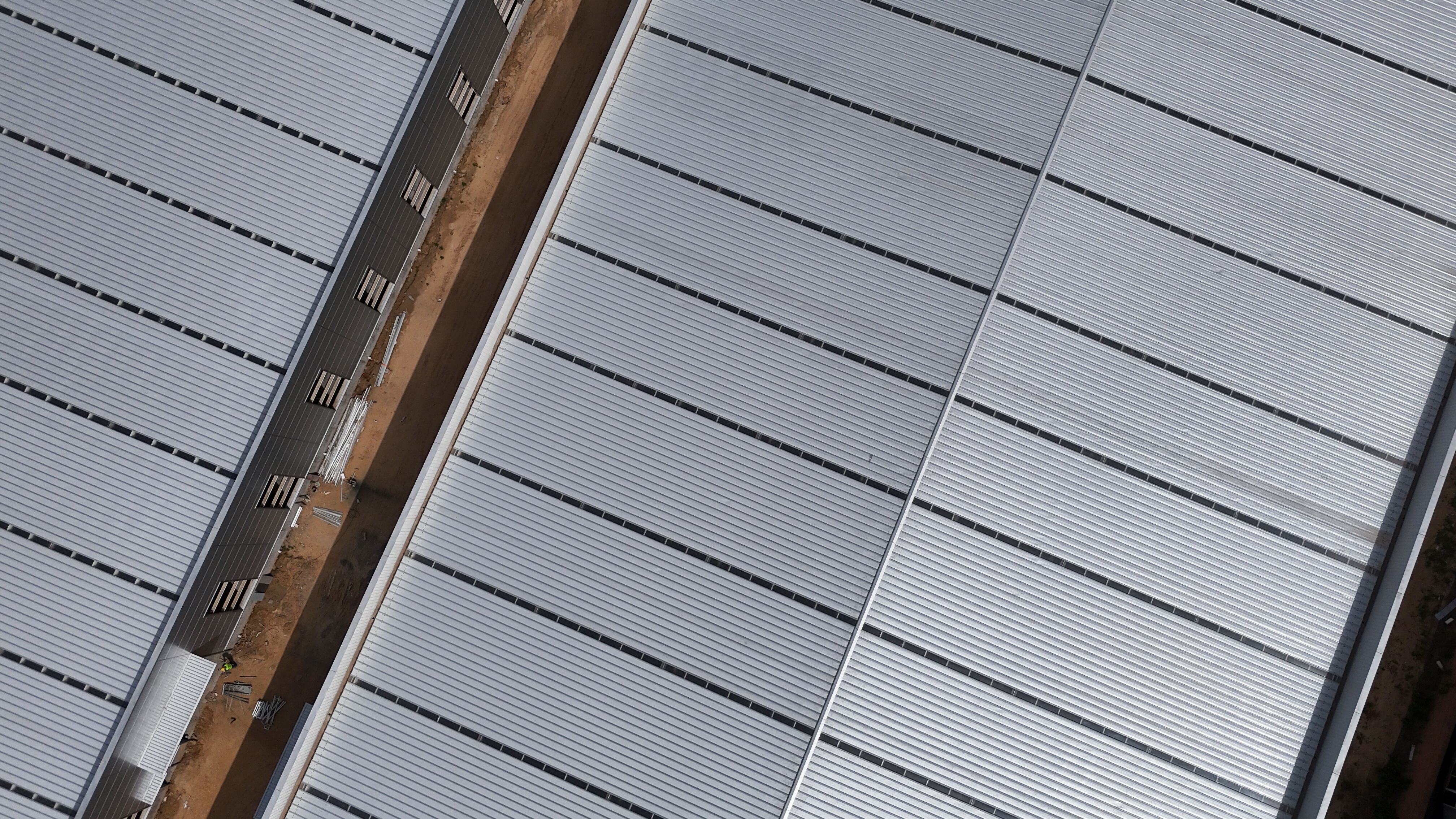
ረጅም ጊዜ የሚቆይ የገንዘብ ማስቀመጥ: በጣም ዝቅተኛ የግንኙነት ሥራ እና የተሻሻለ የኢነርጂ ብቃት
ከግንባታ ቁሳቁሶች ጋር ሲነጻጸር የብረት መጋዘኖች ከህንፃው አሠራር ጋር ተያይዘው የሚመጡ ወጪዎችን ይቆጥባሉ ። የብረት ግንባታ መጋዘኖች የማይነድ ናቸው፣ እና ከ 50 ዓመታት በላይ ለዝገት የሚቋቋሙ ሽፋኖች መጠቀማቸው ዓመታዊ የጥገና ወጪን ቢያንስ በ 38% ይቀንሰዋል። ይህ በኤች ፣ ቪ እና ኤሲ ክፍተቶች ላይ የተቀናጀ ማገጃዎችን በመጠቀም የኃይል ወጪን በ 50% ይቆጥባል ። በተጨማሪም ከፍተኛውን ዝቅተኛ (የሚጠቀሙበት) ቁሳቁሶችን ለመያዝ ከዓምድ ነፃ የግንባታ መጋዘኖች የተቀናጀ አጠቃቀም መዋቅሩ ወደ ዜሮ (በዚህ አውድ ውስጥ) የግንባታ መረጋጋት ቅርብ በሆነ ሁኔታ ከፍተኛውን (የሙቀት) የአየር ሁኔታን እንዲቋቋም ያስችለዋል ። ይህ ግንባታ በረጅም ጊዜ የአሠራር ቁጠባ እና አስተማማኝነትን በተገቢው ወጪ ያስችላል።
የቅድመ-የተሰራ የብረት መጋዘን ጋር ማድረስ ፍጥነት እና የንግድ ቀጣይነት
ከዲዛይን ማጽደቅ እስከ ማዛወር ከ90 ቀናት ባነሰ ጊዜ ውስጥ
የፕሬፋብ ብረት የማህደር ቤቶች ከሌሎች ስልተ በስመታዎች ጋር በሚነጻጸር ሲሆን በፍጥነት የሚገነቡ ናቸው። ይህ በአንድ ጊዜ የመስቀሉ አቀማመጥ እና የግንባታ ሂደት ማዘጋጀት በማድረግ የስራ ጊዜ ማቀናጀት በማድረግ ይከናወናል። ይህ ዘዴ የግንባታ ጊዜን ወደ 30–50% ያቀንሳል በተለምዶ የሚያገለግሉ የግንባታ ዘዴዎች የሚወስደው ጊዜ ይህ ዘዴ ደግሞ በየ ዓመቱ የሚከሰቱ የስራ ፍላጎት መጨመር ወይም የስራ መስፋት የሚፈልጉ ኩባንያዎች ለማቅረብ በጣም ተስማሚ ነው። በክፍሎቹ ላይ ባለው ባለ ቅድመ-ተቆርጦ የተገነቡ ቀዳዳዎች የአየር ሁኔታ ምክንያት የሚከሰቱ የስራ ድጋፍ እና የእቃ አቅርቦት እና የስራ ድጋፍ የማይታወቅነትን ያስወግዳሉ።
በከፍተኛ አቅም ስራ ማድረግ ከነጻ የግንባታ ድጋፍ ጋር
የቦታ ላይ የሚካሄደው የገንዘብ ስራ በተለመደው የገንዘብ ስራ ጊዜ የሚወስደው እንደ አራት ክፍል ብቻ ነው እና በተጨማሪም በገንዘብ ስራ ሂደት ውስጥ የከባድ መሳሪያዎች ፍላጎት በጣም ያቀነሰዋል። የገንዘብ ስራ ድምፅ እና ድርቅ በጣም ያቀነሰዋል፣ ስለዚህ የገንዘብ ስራ የሚፈጥረው የማሽከርከር ችግር በተለመደው የገንዘብ ስራ ዘዴዎች የሚፈጥረው የማሽከርከር ችግር ከ70% በላይ ነው። የሞጁላር ዘዴው ደግሞ የገንዘብ ስራ በቅደም ተከተል ማከናዕናት ይፈቅዳል። ይህ ዘዴ ደግሞ ለሎጂስቲክ ማእከላት በጣም ተስማሚ ነው፣ ምክንያቱም የገንዘብ ስራ የሚያስፈልገው ቦታ የመንገድ መስመሩ ብቻ ነው፣ እና የገንዘብ ስራ የሥራ ሂደቱን በቀጣዩ ሁኔታ ማካናዕናት ይፈቅዳል።
የፕሬፋብ የብረት የአገልግሎት ቤቶች የሚቆይበት ጊዜ እና የተረጋገጠ የስራ አፈፃፀም
በቀድሞ የተረጋገጠ የአይስ፣ የרוח እና የሰይስሚክ አደጋዎች ተቃውሞ
ከቅድሚያ የተሰራው የብረት መሣሪያ ቤቶች ላይ የከባድ የአየር ሁኔታ ጭነቶች የተዘጋጁ የዲዛይን ባህሪዎች ናቸው። የበለጠ ከ150 psf የሚል ብርድ ቢኖር፣ የቆ cứng ፎርም ጭነቶችን ያስተላልፋል፣ እና የጨለማ ተቃውሞ ያላቸው የተጨመሩ የገጣጠሚ ግንኙነቶች የ4ኛ ደረጃ የእንዳስተር የጎረቤት ኃይሎችን ይቋቋማሉ። በቀጥታ የሰውነት ቅስቀሳ ቦታዎች በየተለየ የመሸከም የአደጋ የጎንደል ፎርም ይሙላሉ፣ እና የመውደቅ አደጋ ይከላከላል፣ እ thậm በከፍተኛ የመሬት አካCELERሽን እንኳ ቢኖር። በተፈጻሚ ሕይወት ውስጥ ያለው ማስረጃ 98% የእነዚህ መዋቅሮችን የሚጠቀሙ ንግድ አድራጎች በከባድ የተለየ የአየር ሁኔታ ሁኔታዎች በኋላ እንደገና የሥራ አቀማመሱን ይቀጥላሉ፣ ይህም የሚያስከትለው የሚከስፍለው የሥራ አቃፊነት ጊዜን ያቀናል፣ እና የእነዚህ መዋቅሮችን እንደ የመሰረታዊ ንብረት ስታቱን ያጠናክራል።
የተሻለ የብረት ጥፋት ጾዳኔ እና ረጅም የሕይወት ዘመን
የጋልቫኒዝድ ኮቲንግ እና የጋልቫሉም® አልሙኒየም-ዜንክ አሌይ የተዋሃደ መከላከያ ማስቀመጥ ነው፣ ይህ በጣም ጠንካራ የባህር እና የኢንዱስትሪ አካባቢዎች ውስጥ እንዲሁም ኦክሳይዴሽንን ያከላከላል። የብረት መሰረቶች የማይነዳኑ በመሆናቸው ተገቢውን የሥራ ዕድሜ ከ30 ዓመታት በላይ ያድርጋሉ። የቆረጠው ኮሮዥን ዑደት በተረጋገጠው የመከላከያ ስርዓት የሚታይ ሲሆን ይህ በተለያዩ የአፈፃፀም ዕድሜዎች ላይ የሚከሰቱ የአገልግሎት ወጪዎችን በ40% ይቀንሳል፣ በተለይም በተጠበቀ መልኩ የሚገለፁ የስትራክቸር ኮሮዥን በአመት ከ0.5 ሚሜ በታች የሚያሳዩ ናቸው።
የፕሪፋብ የብረት የማህደር ቤቶች የዲዛይን ተጽዕኖ እና የማስፋፋት ችሎታ
ከ pillar የተነቃቃ ውስጣዊ ክፍሎች እና ሙሉ በሙሉ የሚስተካከሉ የድረት እና የማጫወቻ አቀማመጦች
በ300 ጫማ (ፒት) እና ከዚያ በላይ የተዘረጋው የዲዛይን ስፓን ያለ አምድ የሚገኝበት ውስጣዊ ቦታ ያለው የቅድመ-ተሰራ የብረት መደብር ለአጠቃላይ ተጠቀምተኛ የከፍተኛ የሂደት ትክክለኛነት እድል ይሰጣል። ይህ ዲዛይን የውስጣዊ ጥቅም ለ pallet racks እና ለራስ-ሰር የሚሰራ መሽን ለመጠቀም በፍጥነት እና በተመሳሳይ ሁኔታ በተሻለ ለመስራት የአካል ተግባር እና ለማከማቻ ማስተዋወቅ የሚያስችለው ቦታ ይጨምራል። የብረት መቆዳዣዎች የድንበር በር እና የእርሻ ቦታ፣ የትኩስ ቁመት፣ እና የተለየ የተለየ ዘንግ የማስገንዘብ አማራጭ ይሰጣሉ፣ በተጨማሪም የላይ የሚሰሩ የክሬን እና የሚገቡ ዘንጎች፣ እና በሙሉ የተጠበቀ ቦታዎች ይጨምራሉ። ይህ ዲዛይን የሎጂስቲክስ አስተዳዳሪዎች በሥራ ሂደታቸው የትክክለኛነት እድል ለመድረስ ይረዳል፣ ለማከማቻ ጥቅም ለመሻሻል፣ ለማሳደግ ብቃት፣ እና ስለዚህ ለማሳደግ የውጤት ብቃት፣ በአንድ ቦታ ውስጥ በሙሉ የሚገኙ ቦታ ለመቀነስ ይረዳል። የመቆዳዣው ዲዛይን ትክክለኛነት በመጠቀም በአማካይ 15% እስከ 30% ድረስ የተሻለ ውጤት ይገኛል።
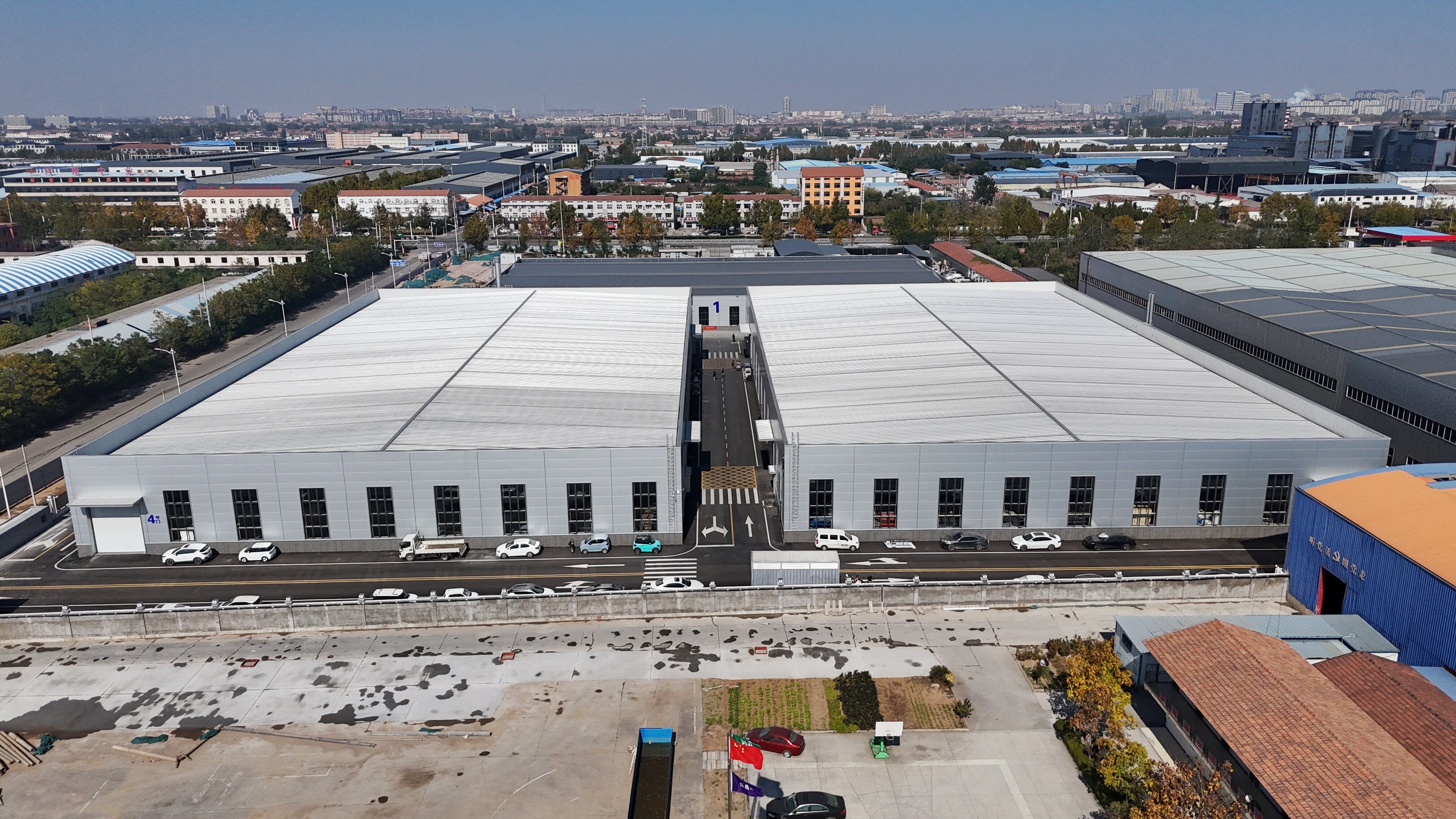
ለሞጁላር ማስፋፋት እና ለተዋሃድ የቢሮ ወይም የሜዛኒን አማራጭ
በተስማሚ ዲዛይናቸው ምክንያት፣ ትክክለኛ የተዘጋጁ የግንባታ ስርዓቶች (PEB) በቀላሉ ሊሰፋዉ ይችላሉ። ኢንዱስትሪያላዊ አካል በአነስተኛ ጊዜ ውስጥ (ከአንድ ወር በታች) ባዮቹን ወይም የፋብሪካውን ቦታ ማሳደግ ይችላል፣ ይህ ደግሞ የተመረቀ የገጣጠሚ ነጥቦች እንዲሁም የተመረቀ የገጣጠሚ ስርዓት ምክንያት ነው። የቦታ መጨመር በከፍተኛ የሥራ መቆፈር፣ በድጋሚ ዲዛይን ወይም በድምጽ የሚከሰቱ የግንባታ ስራዎች በغير የሚያስፈልጉ ሁኔታ ሊከናወን ይችላል። በተጨማሪም፣ የመሠረቱ አካል የብረት መዝኒን ፎሎርስን ለማስቀመጥ የሚያስችል ስለሆነ፣ የቦታ መጨመር በየቅድመ-ተሰሩ የግንባታ ስርዓቶች ላይ የሚገኘውን የመሠረቱ አካል ሳይጨምር ሊከናወን ይችላል። ስለዚህ ሰራተኞች ቤቶች፣ ላቦራቶሪዎች ወይም ሰራተኞች ቦታዎች በማንኛውም ጊዜ በቡልት የሚገናኙ አካላት እንደ ተጨማሪ አካል ሊጨመሩ ይችላሉ። ይህ የተዋሃድ የማስፋፋት ስራ ሌሎች የግንባታ ዘዴዎች ጋር በሚነጻጸር ሁኔታ የማስፋፋት ወጪን እስከ 40% ድረስ ያቀንሳል። ይህ የሞዱላር ስርዓት በግንባታ ጊዜ የንግድ አክቲቪቲዎች እንዲቀጥሉ ያስችላል፣ እንዲሁም የማስፋፋት ስራ በገቢው የገቢ አድስት ጋር በተስማሚ ሁኔታ ሊከናወን ይችላል።
በተደጋጋሚ የሚጠየቁ ጥያቄዎች
የትኛው የግንባታ አማራጮች በጣም የአካባቢ ጥበቃ የሚያደርጉ: የፕሬፋብ ብረት የማህደር ቤት ወይም የተለመደው የግንባታ ዘዴ?
የፕሬፋብ ብረት ቤቶች አሰራር በተለመደው አሰራር የሚነካ ነው እና በስራ ኃይል የበለጠ የሚያስፈልግ ነው። ዋጋው በአንድ ስኳር ፊት ላይ $18 እስከ $22 ይሆናል። በተቃራኒው፣ በተለመደው አሰራር የገንዘብ መጨረሻ በፍላጎት የሚያሳድር ነው።
ፕሬፋብ ብረት ቤቶች አሰራር በየቀኑ የንግድ እንቅስቃሴዎች ላይ ምን ተጽእኖ ያሳድራል?
የፕሬፋብ ብረት አሰራር የሞጁላር እና የማጣቀሻ ስርዓት ነው። ይህ በארגון ውስጥ አነስተኛ ጉዳት ያስከናወታል። ይህ ስርዓት በስራ ኃይል የበለጠ የሚያስፈልግ ነው፣ ስለዚህ የመኪና እንቅስቃሴ እና ሌሎች ጉዳቶች አነስተኛ ይሆናሉ።
የፕሬፋብ ብረት ቤቶች ውስጥ የአካባቢ እና የአየር ሁኔታ ሁኔታዎችን ለመከላከል የሚያገለግሉ የዲዛይን ባህሪያት ምን ናቸው?
የፕሬፋብ ብረት ቤቶች በከፍተኛ ሞዝ ላይ የሚቆም የጭነት የሚያስተዳድር ጥንካሬ ያላቸው የጭነት አቀማመሽ ይዞ ይገነቡ ናቸው። በተጨማሪም በከፍተኛ ድምፅ የሚቋቋሙ እና በመከራ የሚቋቋሙ ናቸው። የከፍተኛ አየር ሁኔታ ሁኔታዎችን ማስተዋል ይቻላል፣ ስለዚህ የአንድ ድምፅ በኋላ የስራ አቋረጥ በጣም ያቀንሳል።
የፕሬፋብ ብረት ቤቶች የግል አቀራረብ እና የማስፋፋት እድል ይሰጣሉ?
በእርግጥ። የተለያዩ ማስፋፋት አቅም አላቸው እና የሚዛን ግቢዎች፣ የተለየ በረራዎች እና የመጫን ድካቶች ያሉ ባህሪያትን ሊጨምሩ ይችላሉ። የዲዛይን ተለዋዋጭነት የድል እና የፍሰት ለውጦችን ያስተዋውቃል።