

July 07, 2026



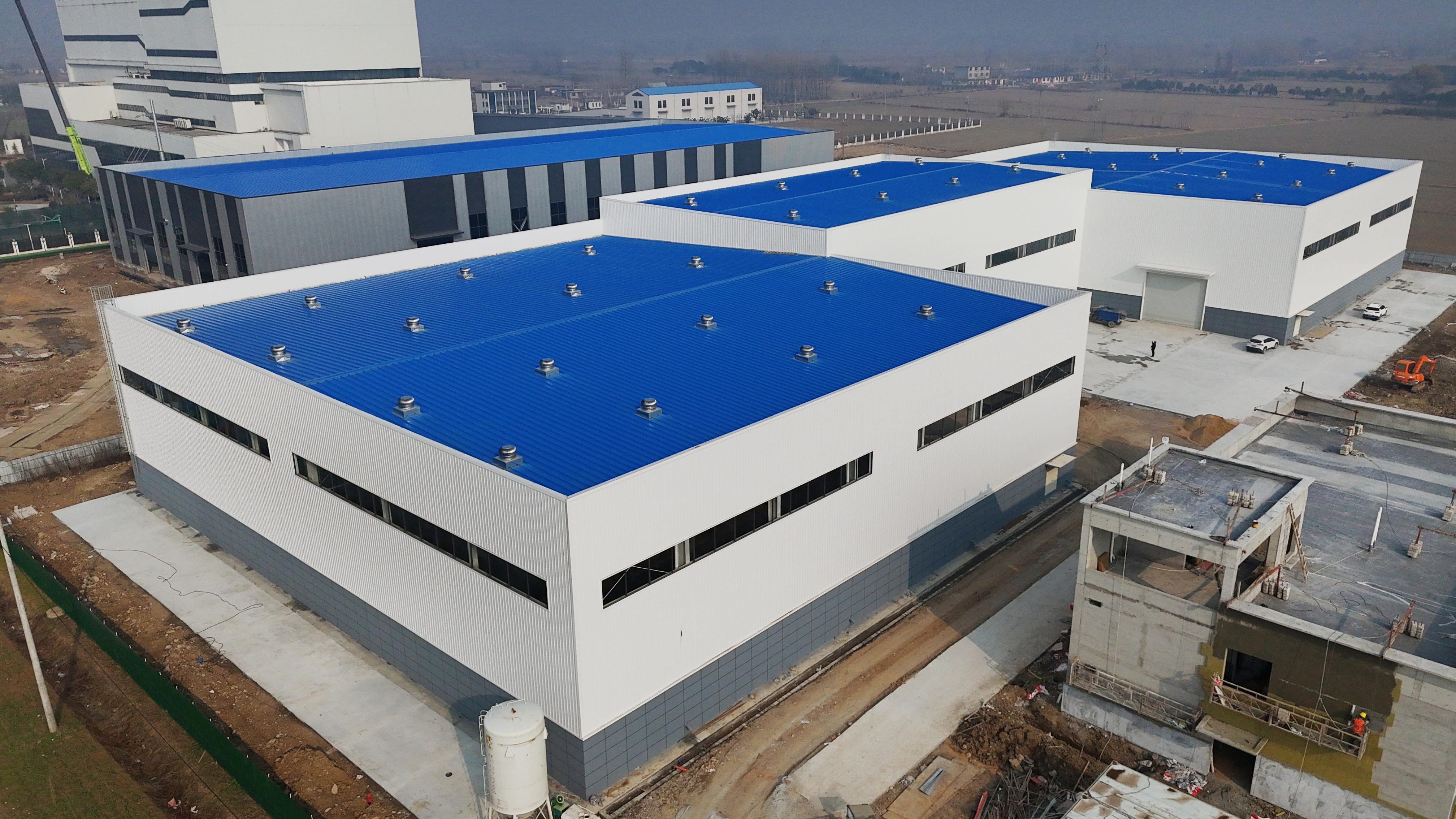
The short answer is yes. Compared with traditional concrete or masonry construction, prefab steel buildings are generally faster to install, more cost-effective, and easier to expand. These advantages make them a popular choice for steel warehouses, factory buildings, industrial workshops, and logistics centers worldwide.
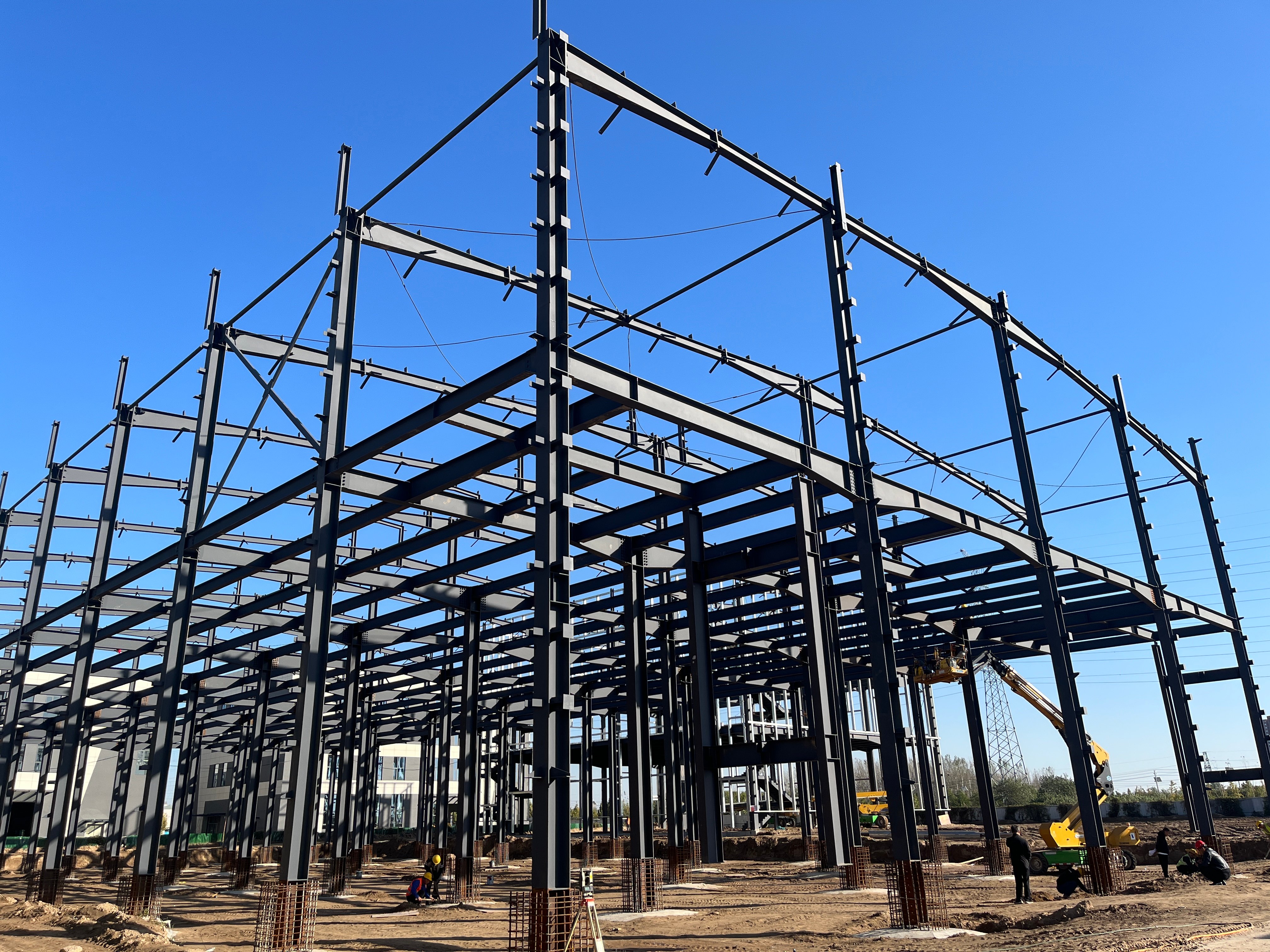
Most prefabricated steel building components are manufactured in a factory before being delivered to the project site. Once delivered, the steel frame is assembled using bolted connections, significantly reducing on-site construction time.
Compared with conventional construction, prefab steel buildings can shorten project schedules by 30–50%, allowing businesses to begin operations sooner.
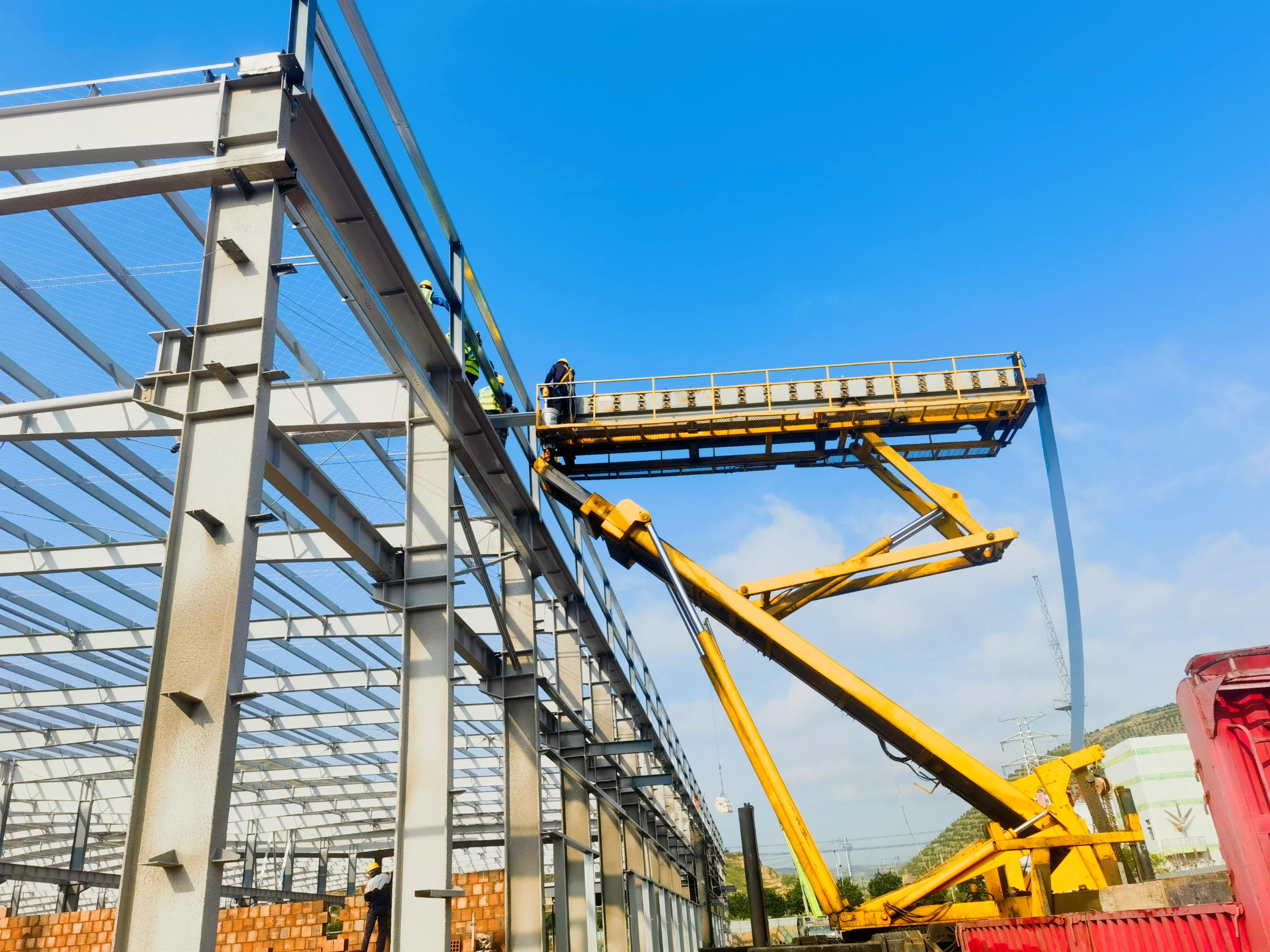
Although material prices vary, prefab steel buildings often reduce total project costs by:
These savings are especially valuable for industrial and commercial projects.
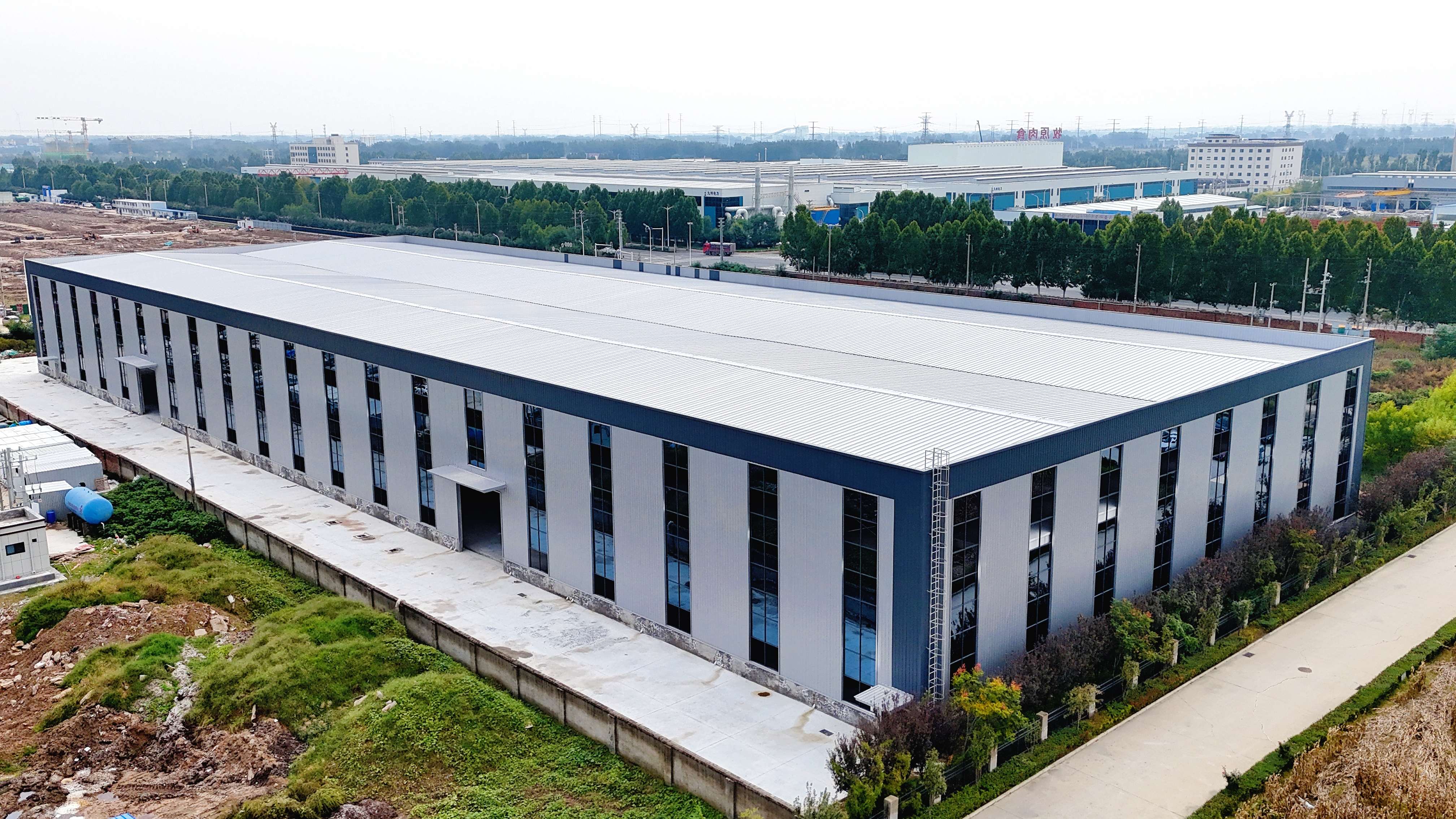
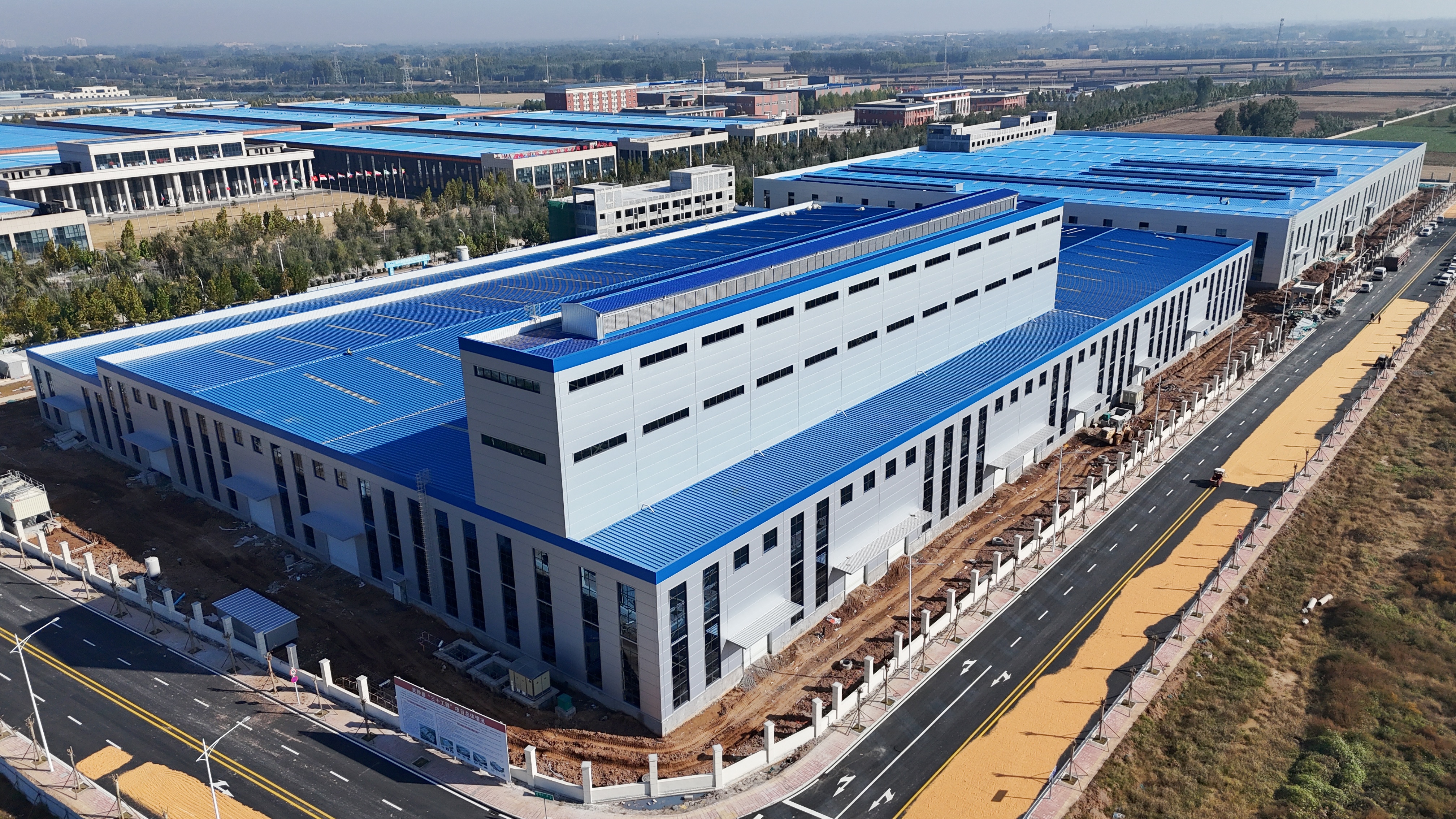
Steel buildings offer large clear-span spaces with fewer interior columns, making them ideal for manufacturing, warehousing, and logistics operations. They are also easy to expand as business needs grow.
With proper design and corrosion protection, steel structure buildings provide excellent durability and a long service life.
Demand for steel warehouses, industrial steel buildings, and prefab workshops continues to grow in Nigeria, Kenya, South Africa, Tanzania, Ghana, Ethiopia, Uganda, and Zambia, where businesses need fast, reliable, and cost-efficient construction solutions.
For most industrial projects, prefab steel buildings offer clear advantages over traditional construction methods. Their faster installation, lower overall costs, flexible design, and long-term durability make them an excellent choice for modern warehouse construction, factory buildings, and industrial facilities.