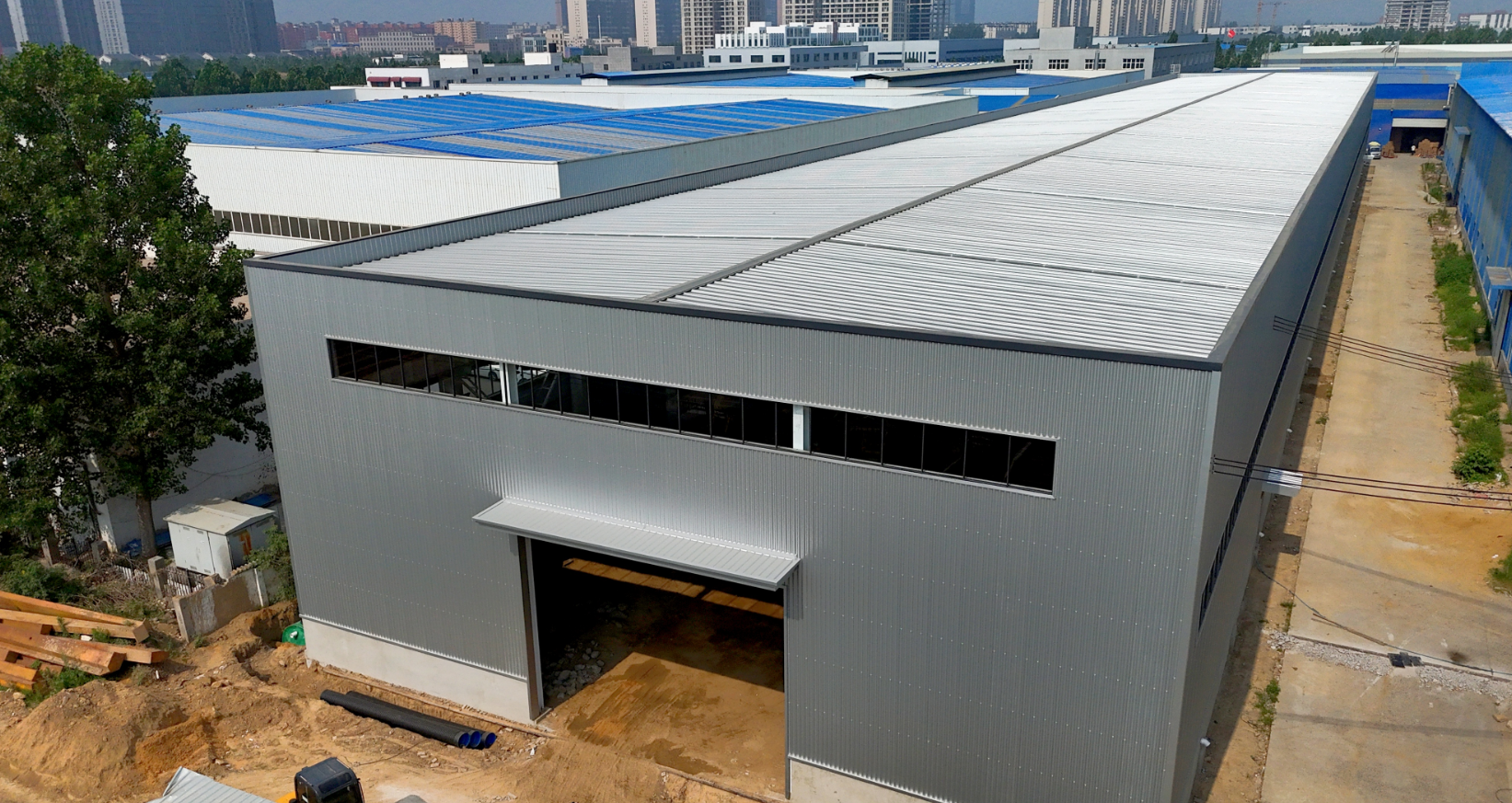
Why Steel Warehouses Need Specialized Ventilation
Thermal Dynamics: Metal Roof Heat Absorption and Air Stratification
Due to excellent heat conduction, steel warehouses’ temperature fluctuations are extreme. Metal rooftops absorb heat quickly on clear days, often exceeding outside air temperatures by 50 to 70 degrees. This creates serious heat challenges indoors. What is the next step? Warm air rises, naturally forming layers where the hot air lingers near the roof and the cooler air stays near the ground where workers are. Unventilated buildings have temperature differentials that can be surprising, often exceeding 30 degrees difference from floor to roof. This makes heating and cooling systems work much harder, costing the business more money on its utility bills. Aside from being a waste of money, unventilated layered heating also shorts the life of expensive equipment and creates an uncomfortable environment for employees. The solution is a good ventilation system that focuses on moving and mixing the hot air layers and creates consistent temperature distribution without the same energy drain.
The cold steel surfaces' condensation, corrosion, and insulation failure give rise to moisture risks.
The main issue with steel is that if warm, humid air meets cold steel surfaces (especially at night when temperatures dip), the steel will not let moisture escape easily., causing serious problems with the materials. Steel at ambient temps above the dew point will condense moisture on its surfaces three times faster than materials with insulation or other porous materials (which can also absorb and then release moisture). This leads to further moisture problems. Next, the steel is further corroded (weakens the structural integrity). On top of that, the water will also permeate the insulation, causing a 40% reduction of its effectiveness, and mildew will form (which is the root of the insulation's demise). These materials, wood and masonry, will absorb and release moisture and, as such, behave differently than steel, which will not do anything to ease the conditions. This is also true of the steel and the condensation. There is a further compounding of the problem with steel, because there is little to no vapor exchange in the building, further exacerbating the problem. There should not be it, but with the ambient temperatures above the dew point, there will be condensation. In the future, the ambient conditions will have a significant impact on the materials that will be stored in the building; if it is not vapor permeable and there is not a continuous liquid water supply above the dew point. These factors all taken together will ensure the building will be subjected to significant damage over the years.
Applying Natural Ventilation to Steel Warehouses
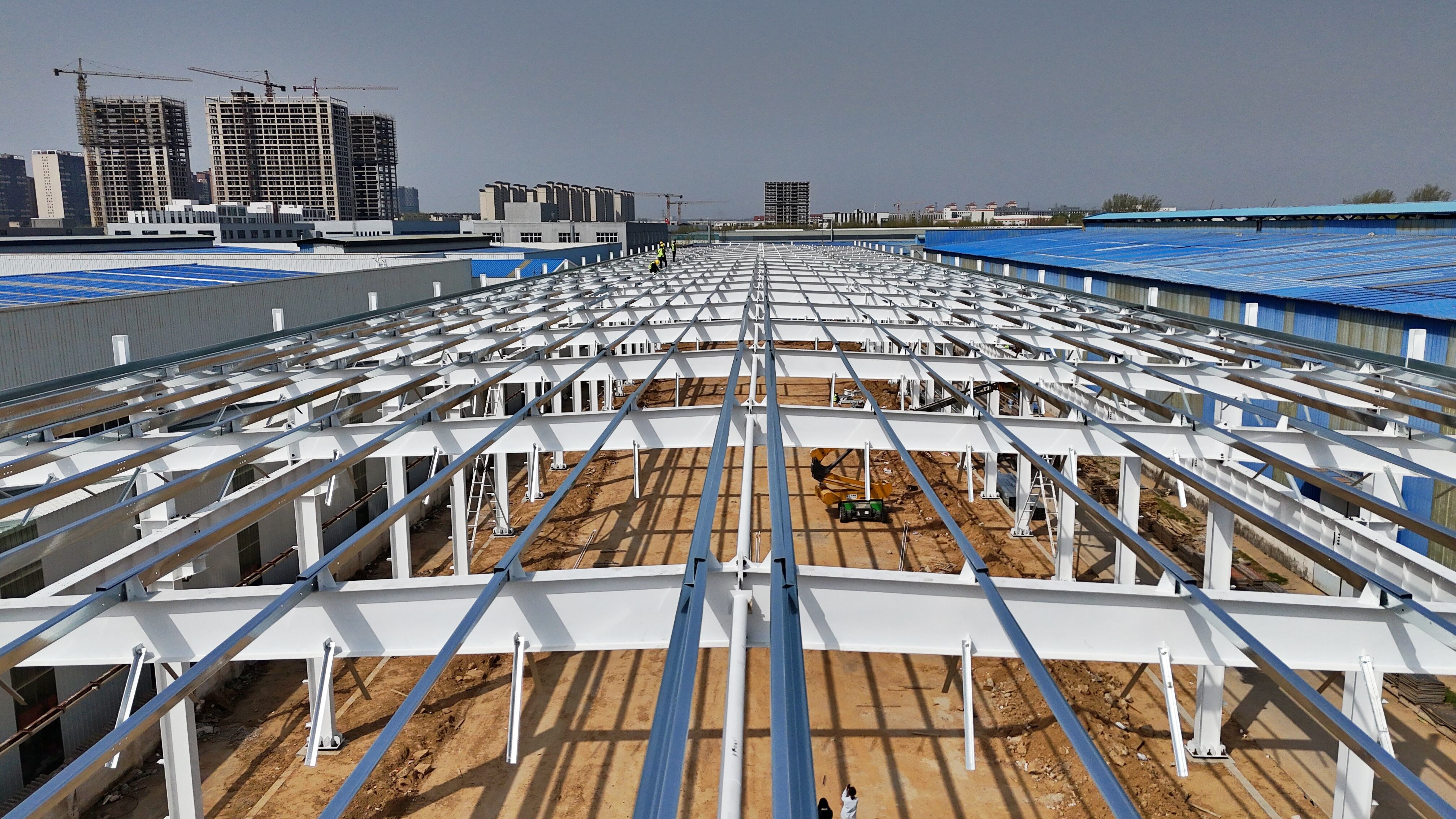
The Effectiveness of Ridge-to-Eave Convection Design and Other Factors
The ridge-to-eave system utilizes the natural tendency of warm air to rise. When warm air escapes through roof ridge vents, and fresh air is drawn through lower side vents. This system is favorable in steel warehouses, as metal roofs are heated deeply and also release the heat at night, improving airflow. Effectiveness is very site-dependent. ASHRAE has published research which states that in dry, windy conditions, these systems will have an air change rate that is 40% greater than that of humid, stagnant climates. Coastal buildings with the proper cross-ventilation design will have 8 - 10 air changes per hour. In contrast, tropical climates exert high humidity levels and therefore require additional systems to control moisture. Maximizing the systems performance is highly dependent on the specific design of the vents. Many engineers utilize computer simulations, or CFD models, to design the systems before construction.
When systems appropriately align with local weather patterns, the need for mechanical cooling can be reduced by approximately one third which saves money and energy over the long term.
Mechanical and Hybrid Ventilation Systems' Steel Warehouse Application
Natural Flow Shortfalls: Consistent High Humidity, Process Ventilation, and Tight Envelope Situations
Natural ventilation simply cannot suffice in a myriad of real-world scenarios. Think of all situations in real life that involve a lot of moisture. Case in point: the kitchen of a restaurant. Also consider the place where concrete is being cured. Similarly, think of a factory where heat is generated and vapors are emitted. Think of a place that has a lot of dust particles. Also think of tightly controlled buildings designed for temperature control or security. In all of these scenarios, there is a common problem. Passive air systems are outperformed and become ineffective at quickly and sufficiently counteracting the moisture build up. Condensation accumulates at an unsafe rate, posing a risk for the building’s structural integrity as insulation gets damaged and materials become rusted. Research shows that uncontrolled humidity in steel structures can lead to as little as 60% of the structures designed life being utilized. This is one of the leading causes for the rapid adoption of hybrid ventilation systems. Whether on a normal day or when the system is activated, the natural airflow is primarily responsible for most ventilation. In these systems, natural airflow is responsible for most of the work.
However, when humidity increases too drastically or the temperature exceeds 30 above the external temperature, the automatic exhaust fans kick in to maintain compliance with ASHRAE standards. These systems, designed to be flexible, protect the quality of the air and the integrity of the building materials while reducing energy costs by 25% to 50% relative to conventional mechanical systems.
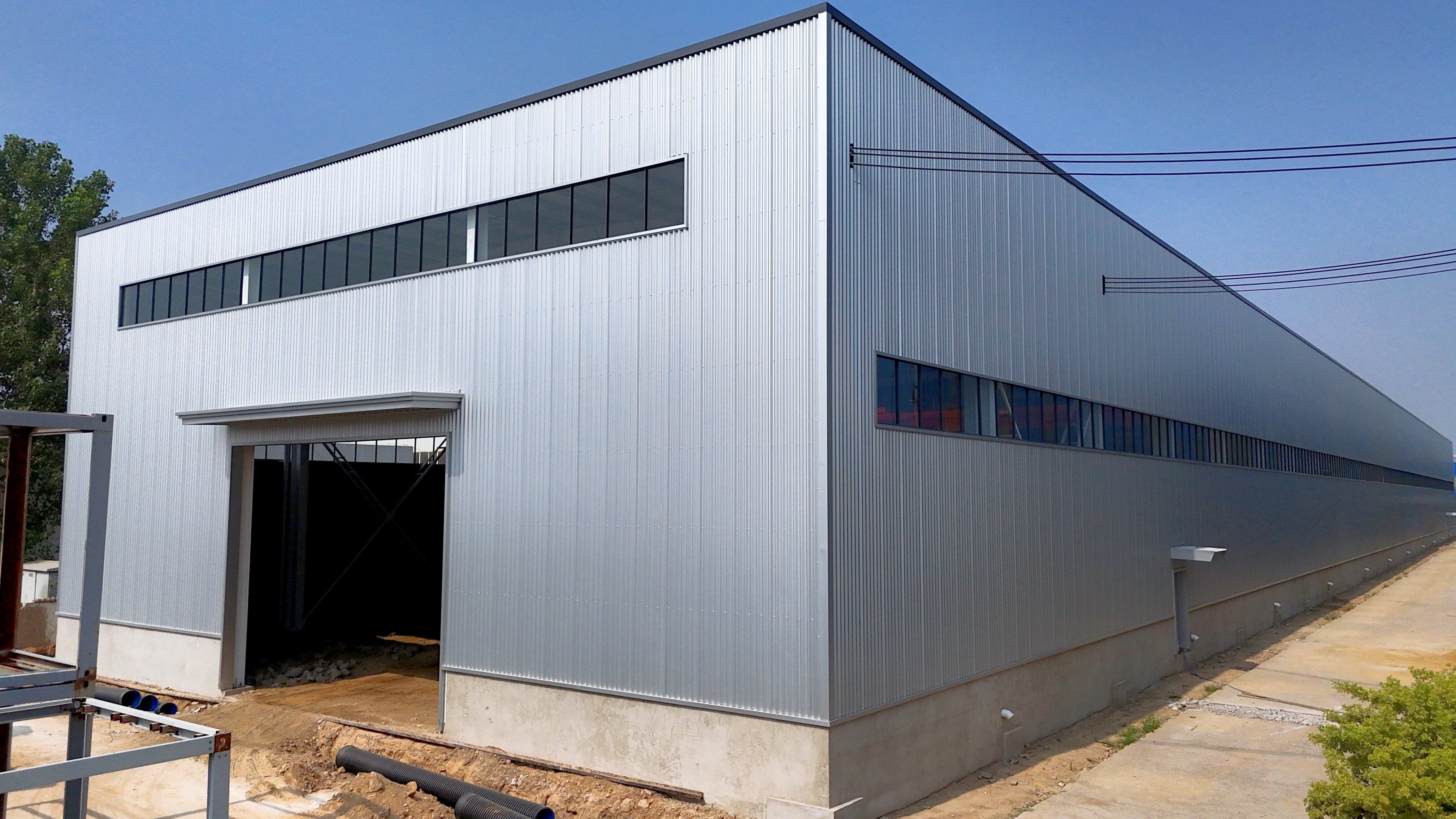
Efficient Design of Airflow and Vent Positioning in Steel Warehouses
Balanced Intake and Exhaust: Low-Inlet/High-Outlet Ratio Stipulated by CFD Analysis
The design of ventilation in industrial steel warehouses hinges more on the specific location of airflow vents than on the number of vents. For example, optimal designs in the industry will have low inlet and high outlet balanced ventilation systems. When air is drawn in through the walls or soffit vents at the ground level, it warms up and rises, leaving the space through the upper ceiling vents. This ventilation design actively promotes the upward movement of hot air and moisture while isolating cold surfaces that are prone to condensation. Computational modeling also shows that steel warehouses 'breathe' best and dead spots are reduced by 70% if the input area is 60% of the output area. What are the end results? Air is kept in constant motion, occupants are kept comfortable, the corrosion of steel is slowed, and damp floors are less of a slipping hazard.
Frequently Asked Questions
What is the importance of ventilation in steel warehouses?
Temperature differences and moisture accumulation can create a myriad of problems, and ventilation can help control and reduce these issues. A well-ventilated will minimize the effects on equipment, improve the comfort of workers, and also the energy costs.
What problems can steel warehouses face with poor ventilation?
Build up of moisture, large differences in temperature, and condensation can all be caused by poor ventilation. Corrosion, and the failure of insulation can also be potential problems caused and structural and inventory damage can arise from these problems.
What is the purpose of natural ventilation in steel warehouses?
Warm air rises, and steel warehouses can take advantage of this simple fact of physics in natural ventilation systems like ridge-to-eave. In these systems, warm air is pushed out through the top openings while cool air is drawn in through lower openings.
Are hybrid and mechanical ventilation systems needed?
When natural ventilation is insufficient due to warmth, humidity, or air-tightness, hybrid and mechanical systems are necessary to create ventilation in these areas. These systems are also used to ensure that moisture does not collect in areas where the structure could be damaged.