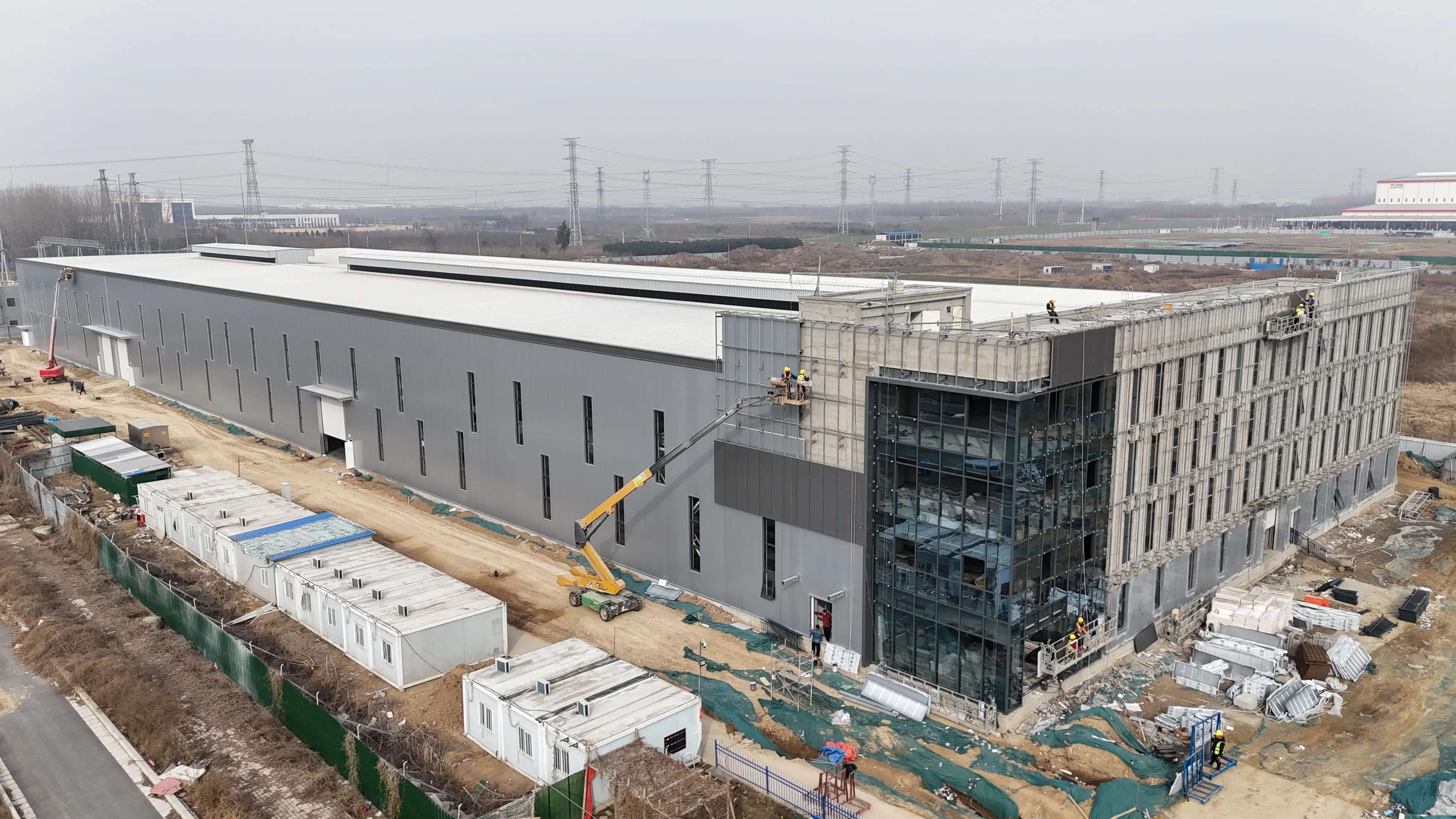
Structural Integrity and Load Capacity Verification
Structural integrity issues will soon be apparent in the design of prefab steel buildings where the thickness of materials, spacings of columns, or the anchorage of foundations do not correlate with the operating loads on the building. In addition, secondary framing connections and the dynamic loads of equipment and inventory stored in the building will present even more risk when they are not included in the load calculations.
Reasons for early deformation of under-designed prefab steel buildings
Excessive deformation of the beams and columns of steel frames and steel portals occurs mostly due to the absence of proper live and dead load calculations. In unfortunate cases, bucket ditches locate the lower-grade steel at connections and the steel frame breaks in a repetitive, not questionable manner. Research on the performance of buildings shows that unengineered buildings go out of service seven times more than buildings designed with load calculations.
Wind and Seismic Load Calculations per EN 1991-1-4 and ASCE 7-22
Within the scope of EN 1991-1-4, there is a requirement for a localized wind uplift study with defined wind zones. In coastal areas, wind uplift is expected to be greater than that in the interior. In the ASCE 7-22 provisions, seismic categories are related to soil types, and the absence of that relation is one of the reasons why 32% of anchor bolt failures were attributed to structural audits. In areas where snow loads have a value of 1.6 kN/m2 or greater, the joint use of the two standards becomes the norm to address combined loadings.
Case Study: Coastal Guangdong Collapse (2022) linked to unverified wind uplift resistance
A warehouse collapse in Guangdong in 2022 revealed a major oversight in wind pressure resistance. The building resisted wind pressure at levels of 0.35 kN/m², while the requirement for the region was 0.85 kN/m². Investigators traced the failure to the purlins and rafters of the roof. The roof members in question did not have a bracing system and were spaced at 1.5m, or 40% greater than the spacing in ASCE 7–22. The incident resulted in updates to regulations enforcement on a national scale. The updates focused specifically on the requirement for asymmetric wind load calculations in coastal designs for prefabricated structures.
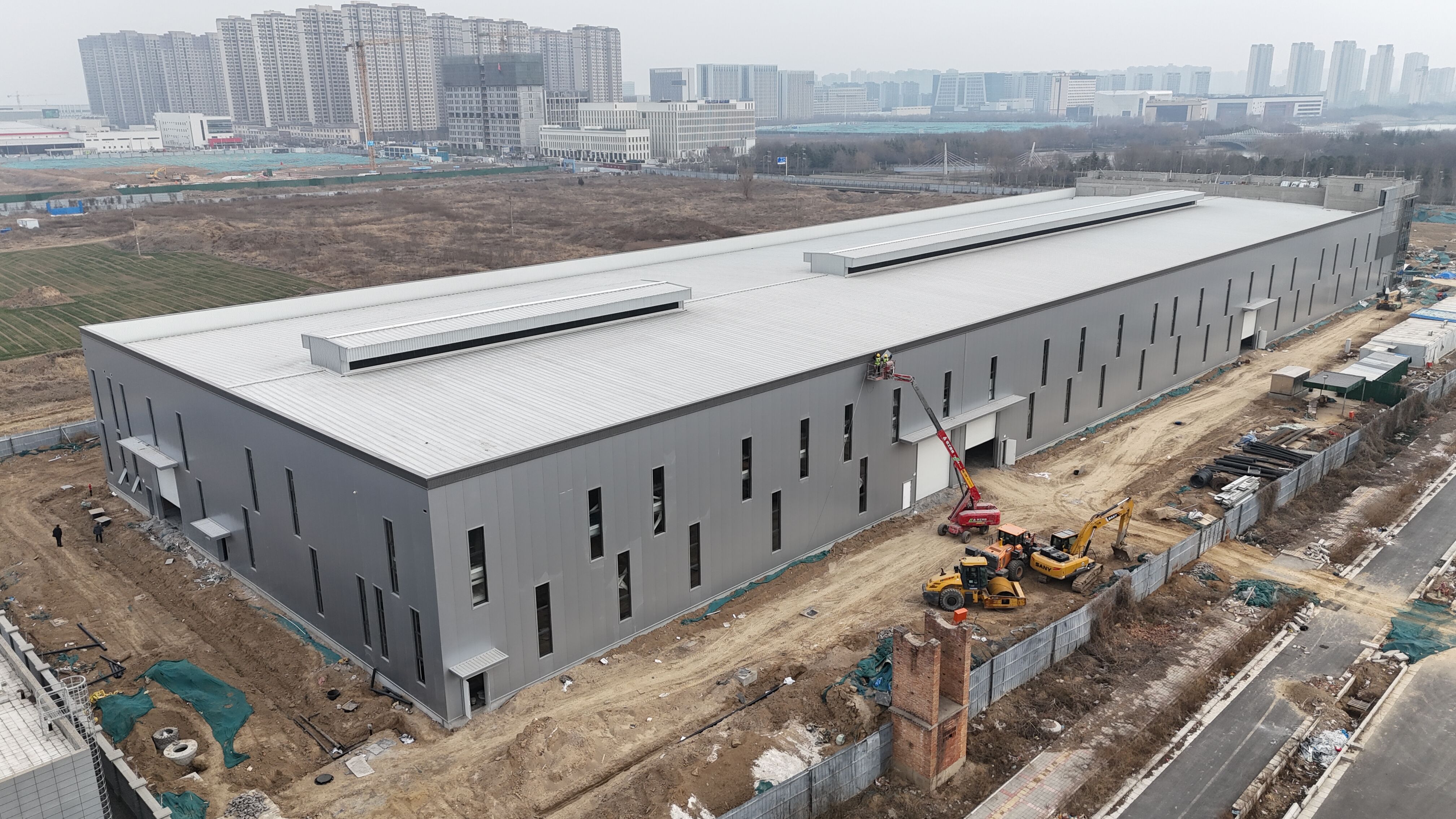
Assess Corrosion Protection for the Durability of Prefabricated Steel Warehouse Structures
Why Localized Corrosion Causes 68% of Premature Failures of Prefabricated Steel Warehouses (ISO 12944–2018)
Localized corrosion, according to ISO 12944–2018, begins at weak points, which can be cut edges, welds, or areas with wear, which can result in a failure of the protective coating. Moisture can result in a form of corrosion that is concentrated and occurs beneath the surface. This can cause the protective coating to fail and concentrate stress in that area. These attacks can greatly reduce the reliability of the structure, while the corrosion can remain invisible and undetected for a long time.
The Appropriate Matching of Hot Dipping and Coating Systems C3–C5 to the Severity of the Environment
Corrosion prevention must be matched to the environmental classification:
Industrial and Coastal Areas (C5-M): Hot Dipping (≥85 μm) + Epoxy Polyurethane topcoat
Humid Temperate Areas (C4): Zinc-rich primer + 200 μm polyester topcoat
Dry Interiors (C3): Polyester powder coating alone is sufficient
In the aggressive marine environment of Guangdong
Validate Steel Grade Selection and Material Certification
Yield strength variance in non-certified Q345B batches — up to 15% risk
Due to uncertain Q345B steel certified content, safety may be compromised: independent testing results show yield strength under specification due to hot rolling, lack of control, and alloy unevenness, resulting in strength reductions up to 15%. This variance compromises the material's structural integrity. EN 10204 3.1 mill test reports are the only recognized verification and provide a test result report, including a chemical analysis, verification of yield/tensile strength, and traceability for each batch.
With regard to the ASTM A656 and EN 10025–2 standards, it is worth evaluating minimum yield and tensile strength, as well as their cold-forming ability.
Standard Min. Yield Strength Min. Tensile Strength Cold-Forming Suitability
ASTM A656 Gr.50 345 MPa 450 MPa Limited (≥16mm thickness)
EN 10025–2 S355 355 MPa 470 MPa Excellent (all sections)
EN 10025–2 S355 provides appreciably greater ductility and weldability compared to ASTM A656, resulting in a 40% reduction in cracking risk at complex connections. Further, its predictable mechanical characteristics combined with third party evidence provide excellent support for reliable seismic detailing.
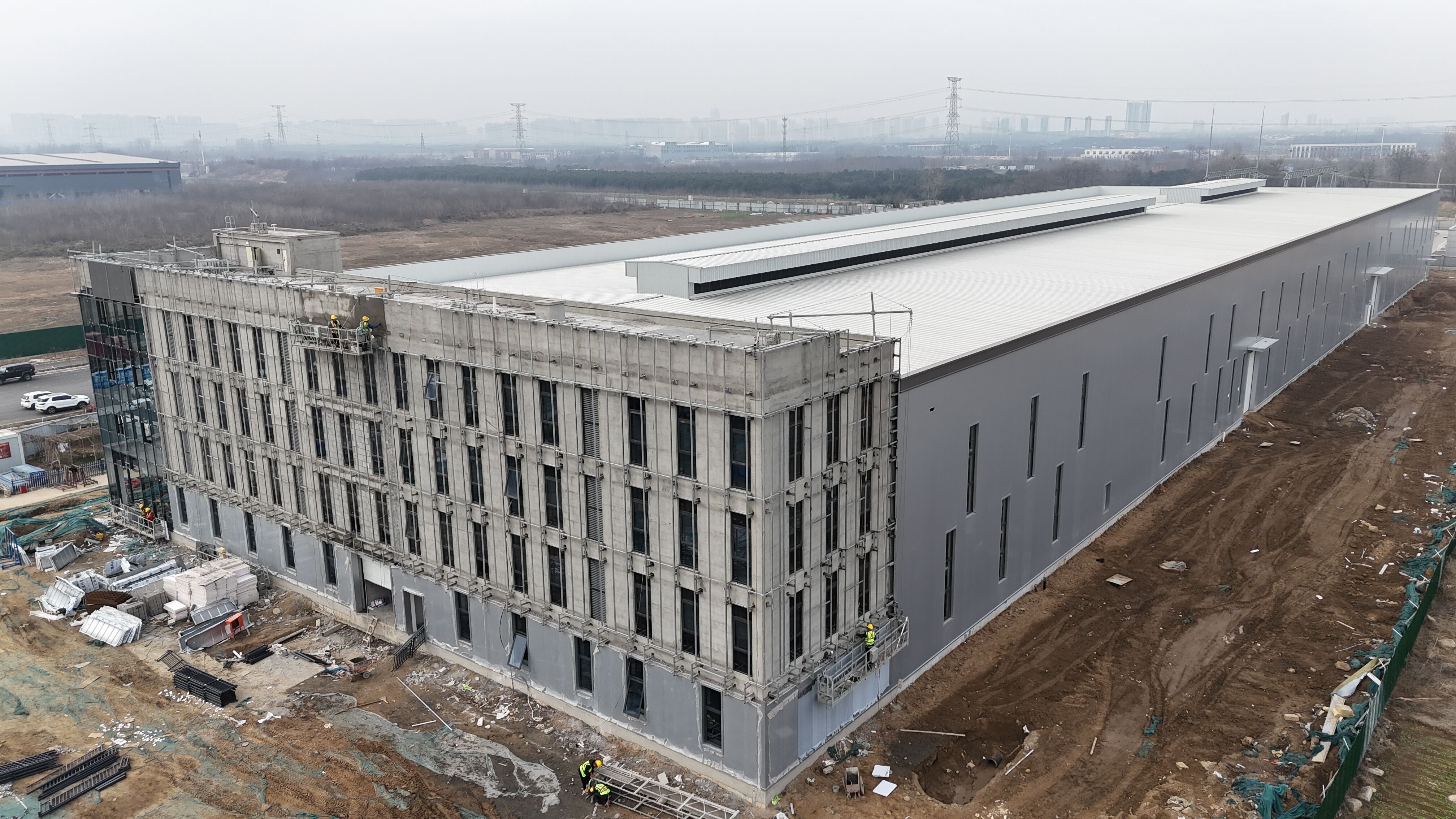
Confirmation of Compliance with International Standards and Quality Certifications
41% of Prefab Steel Warehouse Imports Rejected by European Market (2023 report) due to EN 1090-1 Execution Class 2 Documentation Gaps
For markets that are legally controlled, EN 1090-1 Execution Class 2 certification is mandatory for load-bearing prefab steel structures. A 2023 European Union (EU) report cited that 41% of imports were rejected due to the absence of some critical documentation such as welding procedures, material traceability and load test records. The failure to provide complete documentation results in delays and increases overall costs by 15%-30%, due mainly to the costs associated with storage, rework, and retesting. Members should always demand:
- Third party verified Certification for Factory Production Control (FPC)
- CE marking with a Declaration of Performance, in accordance with Annex ZA
- Technical files detailing corrosion protection and detailing connections and load assumptions
Lack of an ISO 9001 certification from a supplier indicates a failure to provide a full audit trail for their quality management system. This poses a challenge for compliance with seismic, uplift, corrosion, and long term durability aspects.
FAQ Section
Why is Corrosion Protection Critical for Prefabricated Steel Warehouse Structures?
The importance in the design of warehouses is to ensure that the structure does not collapse, and dwells in a stable state, therefore deformation and disfigurement due to the failure of designs that are not engineered to meet operational loads is avoided.
What Standards Must be Considered for Analysis of Wind and Seismic Loads?
Standards like EN 1991-1-4 and ASCE 7-22 emphasis the importance of analyzing the wind and seismic loads in order to design structures to avoid the risk associated with structural failure, for example, failure of anchor bolts.
How does Corrosion Affect Prefab Steel Warehouses?
Corrosion that is localized is especially dangerous for welds, seams, and cut edges. This can concentrate stresses in a structural member and degrade material integrity. Ultimately, this form of localized corrosion exhibits premature failure of the structure.
C3, C4, and C5 classifications are used in ISO 12944–2018, and determine the protective measures put in place to protect against corrosion. Areas that require C5-M systems are the marine and industrial environments.
What is the value of having a better grade steel in the construction of the warehouse?
By implementing a higher grade steel like EN 10025–2 S355, the steel would have a much better performance against earthquakes, and due to the steel’s fluidity nature, there would be a significant decrease in yield strength.
What are the crucial ones for global compatibility?
For the global markets and for conducting international trading, EN 1090–1 (Execution Class 2), CE marking, and ISO 9001 quality management systems are the relevant standards.