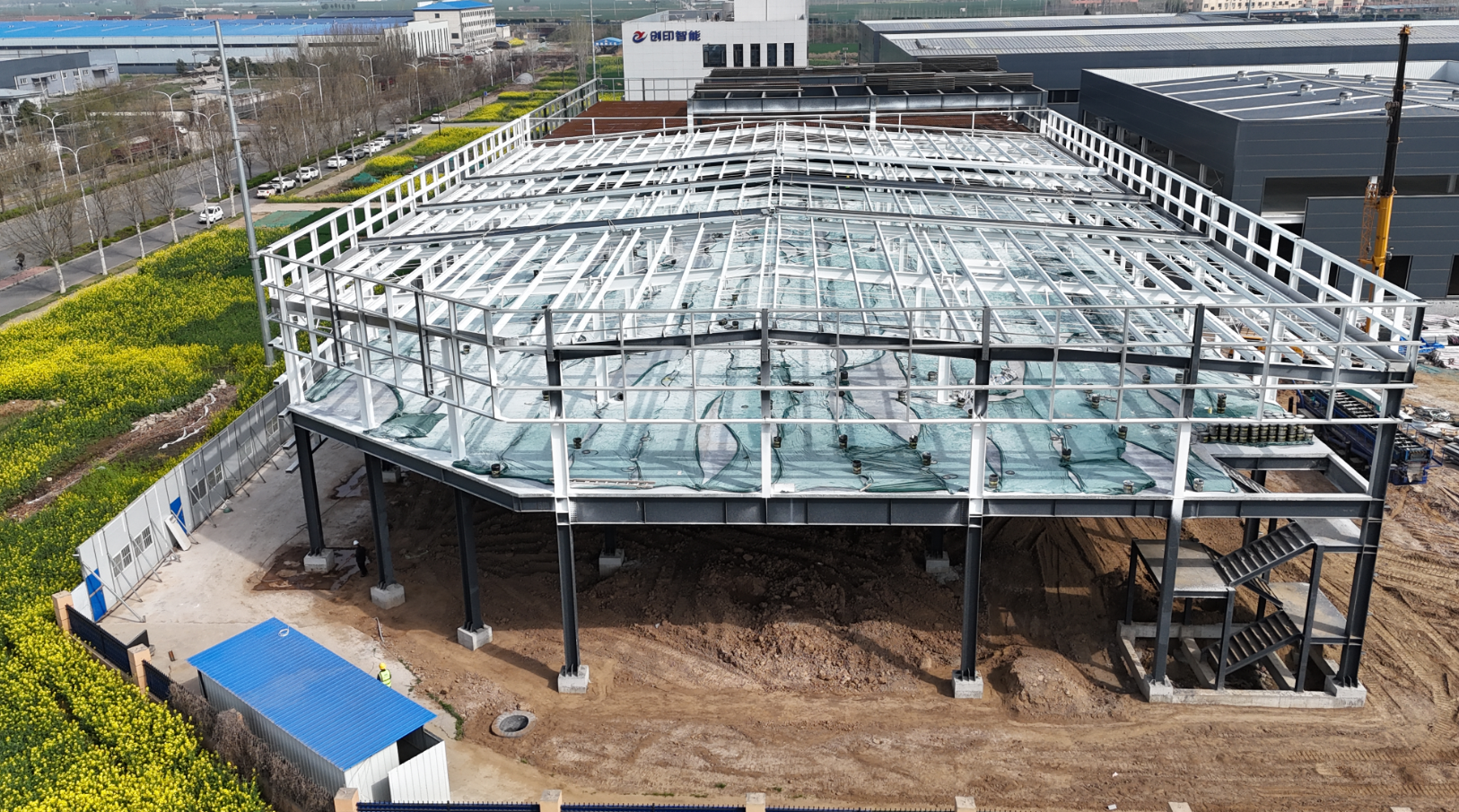
Choosing a Steel Structure Building for commercial or industrial projects has shifted from being a mere alternative to becoming the gold standard for savvy real estate developers and project managers. The inherent commercial value is clear: exceptional durability, flexible interior clear spans, and a highly predictable construction timeline that accelerates the return on investment. However, bringing a heavy-duty facility or an intricate industrial complex to life requires more than just raw material; it demands a highly meticulous engineering and planning sequence. Understanding the professional architectural and structural engineering journey is vital to ensuring that your project remains on budget, structurally compliant, and optimized for long-term operational efficiency.
Strategic Site Evaluation and Conceptual Requirements Alignment
Every resilient structural project begins far away from the drafting table. Experienced project managers know that skipping a rigorous site evaluation guarantees expensive design revisions down the road. This foundational phase centers on analyzing the unique environmental and geographical variables of the plot. Structural engineers closely evaluate soil bearing capacity reports, seismic risk factors, and local localized wind load requirements. In a recent industrial warehouse project in a heavy-snow zone, a failure to properly calculate drift loads during preliminary planning would have resulted in roof collapse risks. By matching the precise commercial goals—such as desired clear-span clearances and crane weight capacities—with specific environmental constraints, the project team establishes a bulletproof conceptual roadmap that aligns client expectations with strict local building codes.
Advanced Engineering Analysis and Three-Dimensional Structural Modeling
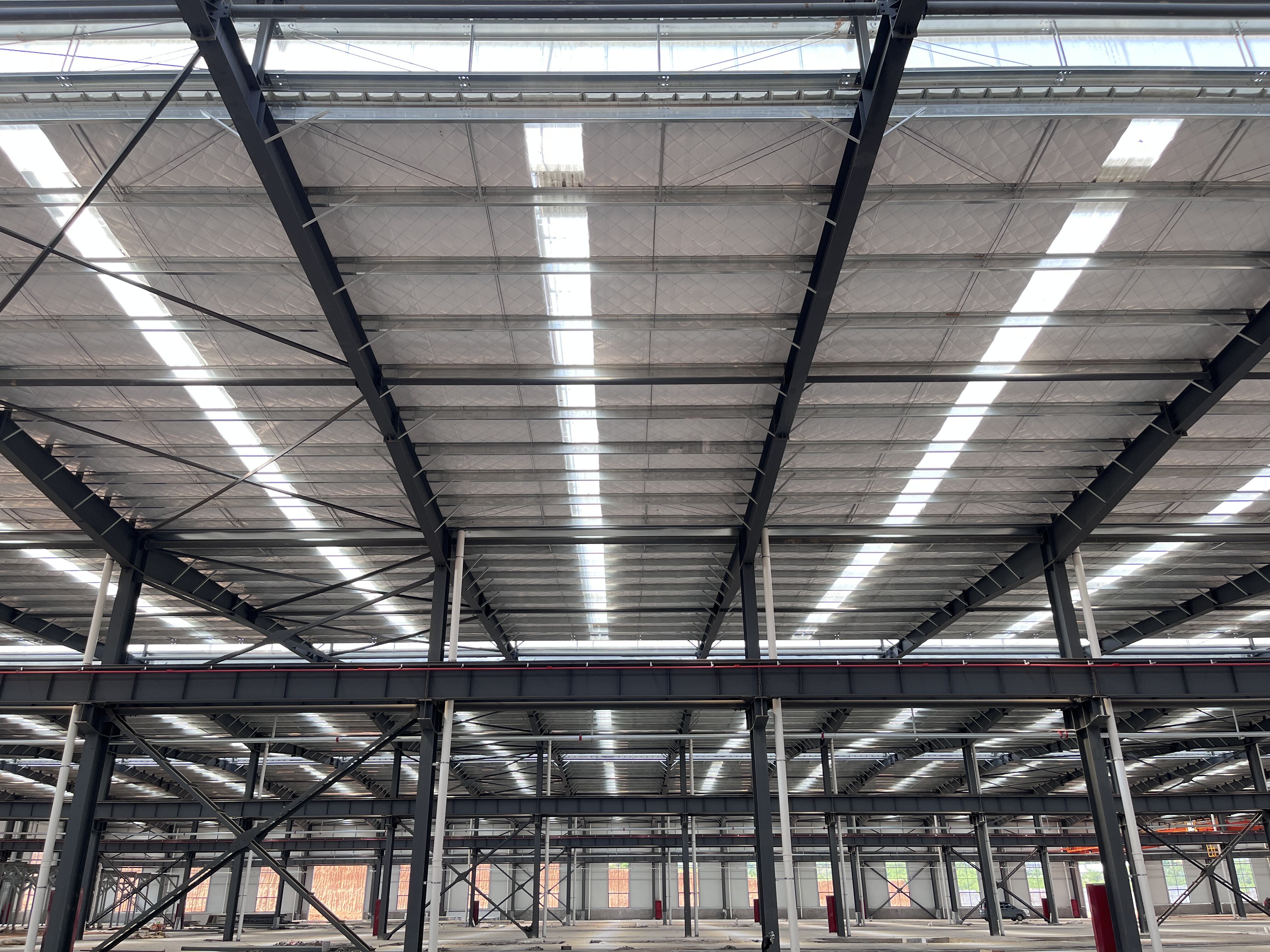
Once the structural boundaries are set, the design transitions into advanced engineering analysis. Modern engineering teams do not rely on static calculations; instead, they utilize sophisticated software to perform Finite Element Analysis (FEA) and create a comprehensive Building Information Modeling (BIM) framework. This process ensures compliance with rigorous international guidelines, such as the American Institute of Steel Construction specifications and ASTM material standards. Engineers model every structural column, primary beam, and secondary purlin under simulated combinations of dead loads, live loads, and wind stresses. This deep analytical phase identifies potential stress concentrations and optimizes member sizes, ensuring the structural framing achieves maximum load-bearing efficiency without unnecessary over-engineering that wastes budget.
To better understand how these engineering decisions translate into practical structural requirements, the following matrix outlines the key design parameters and their industrial benchmarks:
| Design Phase Parameter | Key Technical Focus | Primary Compliance Standard | Impact on Project Value |
| Load Bearing Evaluation | Combined environmental and structural dead/live loads | Recognized National Structural Codes | Prevents structural failure under extreme conditions |
| Material Selection | Yield strength and grade optimization based on application | International Steel Material Standards | Minimizes total steel tonnage and lowers raw material costs |
| Spatial Optimization | Clear-span distances and crane runway clearances | Local Codes and Structural Associations | Maximizes usable interior floor space for operations |
Connection Detail Optimization and Fabrication Drawing Generation
A structure is only as strong as its weakest joint. The next critical step focuses entirely on connection design, which dictates how separate steel components bolt or weld together in the field. Structural detailers transform the high-level engineering models into high-precision shop drawings and bills of materials. This phase requires an intimate understanding of the physics of shear and moment connections. Choosing between field-welding and high-strength factory-bolted connections directly impacts both the safety of the erection crew and the total labor costs on-site. Precision during this detailing stage prevents the dreaded field mismatches that can stall a construction site for weeks, translating theoretical engineering into highly functional, reality-ready building components.
Design for Manufacturability and Collaborative Value Engineering
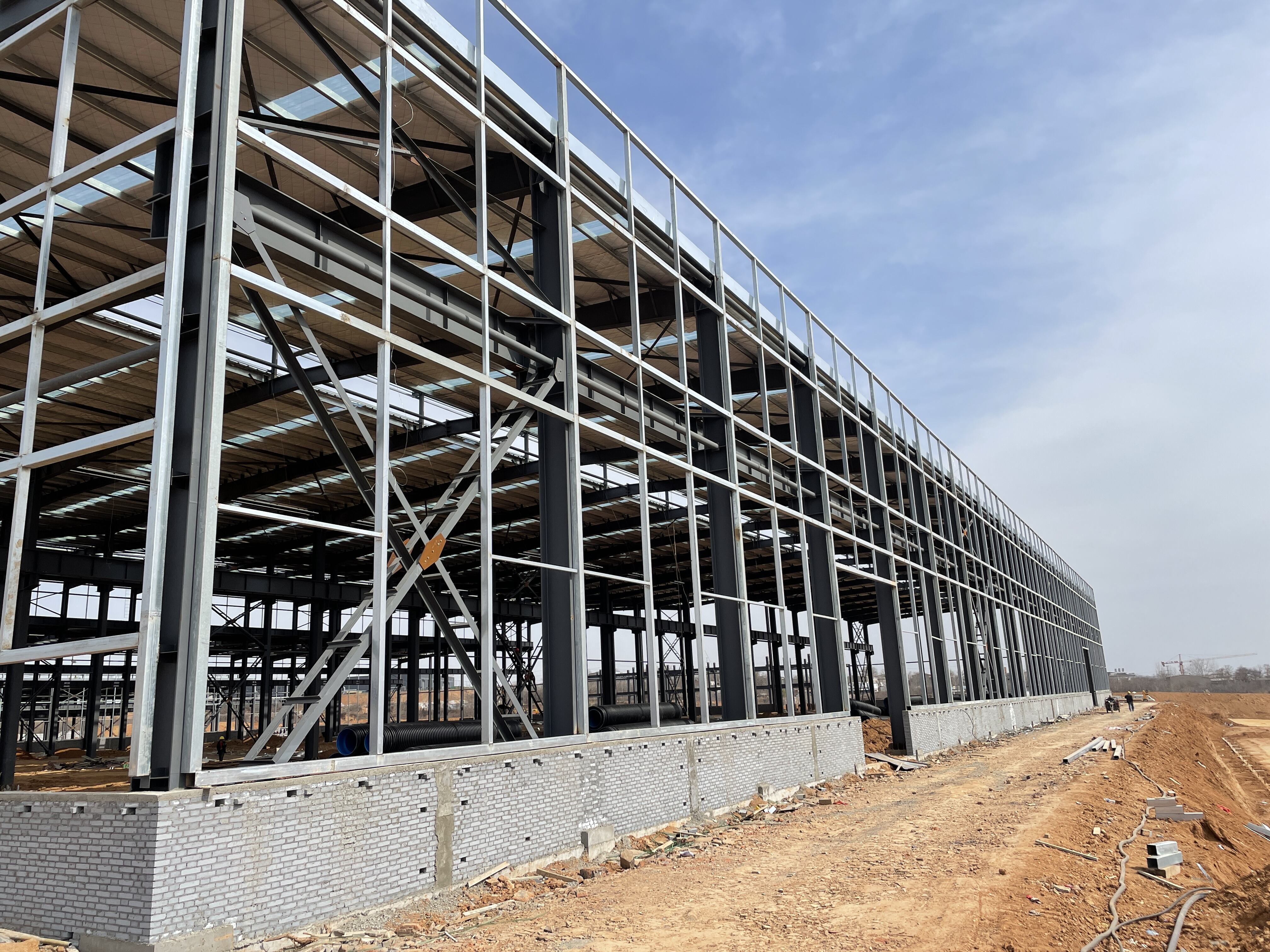
The most brilliant structural design remains flawed if it cannot be manufactured or transported efficiently. Value engineering bridges the gap between creative architectural design and practical shop-floor realities. During this step, engineers review the entire structural layout to standardize beam lengths and plate thicknesses, which significantly minimizes material waste during cutting and nesting. Furthermore, shipping logistics must be integrated into the design footprint; large trusses or columns need to be strategically segmented to fit standard flatbed trailers or shipping containers without requiring cost-prohibitive oversize transport permits. This practical optimization ensures that the design is tailor-made for a streamlined production workflow, maximizing material yield and keeping project budgets highly predictable.
Integrated Supply Chain Synchronization and Precision Manufacturing
The final, crucial step in a successful project realization is seamlessly transitioning the approved design drawings into physical reality through an integrated supply chain. This is where having a sophisticated industrial partner makes all the difference. Leading global networks, such as Steel Warehouses, redefine this phase by combining immense raw material procurement power with state-of-the-art metal processing capabilities. When the engineering data flows directly into automated CNC plasma cutting, drilling, and robotic welding lines, human error is virtually eliminated. This level of supply chain integration ensures that every structural component is manufactured to exact tolerances and delivered in synchronized phases right when the field erection team needs it, providing a seamless execution from the initial engineering line to the final structural bolt.
Table of Contents
- Strategic Site Evaluation and Conceptual Requirements Alignment
- Advanced Engineering Analysis and Three-Dimensional Structural Modeling
- Connection Detail Optimization and Fabrication Drawing Generation
- Design for Manufacturability and Collaborative Value Engineering
- Integrated Supply Chain Synchronization and Precision Manufacturing