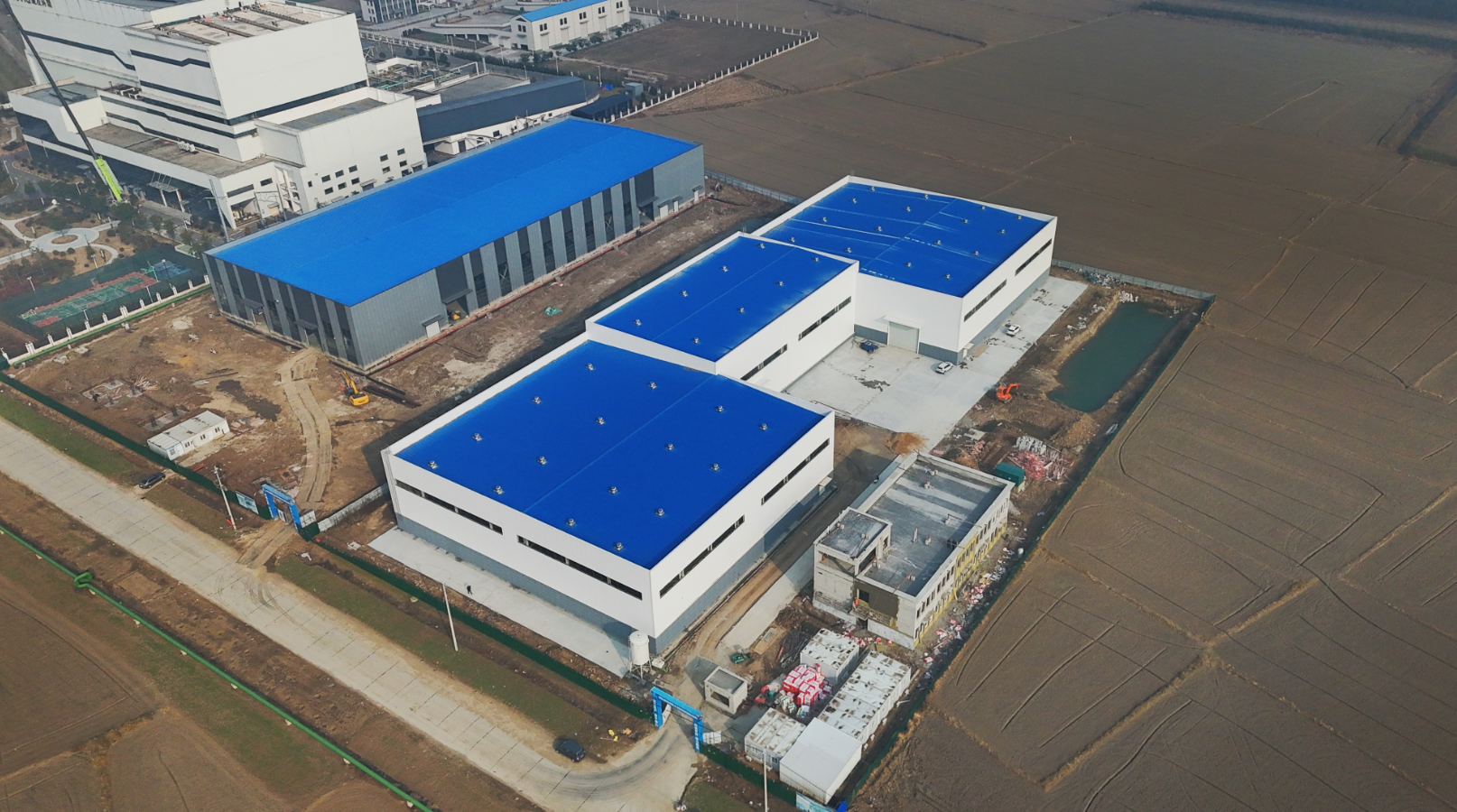
Industrial suitability is measurable, not stylistic. A Steel Structure Building earns its place when it carries load predictably, survives seismic events, sheds water, and adapts as production changes.
Field Experience: A 40 m Clear Span Workshop
Background and the Problem
A non-ferrous metals workshop needed a pre-engineered steel building with 40 m clear span, a 20 t crane, coastal air, pickling fumes. The Steel Structure Building question: can a steel portal frame close it without deep trusses? Load runs sheeting, purlin, rafter, column, base plate; roof bracing squares the frame.
Solution and Outcome
Q355B (ASTM A572 Grade 50) went into rafters and columns; a shallower section carries the same moment. Q235B (ASTM A36) stayed on purlins and girts, where cold-formed purlin sections buckle locally. Each crane runway beam followed AISC 360 with crane maker dynamic factors. Coating followed ISO 12944 category C4; the pre-engineered steel building went up in weeks.
Risk Analysis: Where Industrial Steel Work Fails
Corrosion, Fatigue, and Ponding
Failures in a pre-engineered steel building follow a pattern. Coastal or chemical atmospheres attack coating at edges, bolt heads and lap joints, so a generic spec fails. Fatigue develops in crane runway beam connections over millions of cycles. Deflection passing strength checks still cracks cladding and jams doors; ponding traces to blocked gutters and missing flashings.
Fire Separation and Deflection Limits
Fire performance is an occupancy question. IBC separation rules and hazard class set where separation belongs, and NFPA 13 sprinklered design changes what a steel portal frame must survive. Unprotected steel loses half its yield strength by 550 degrees Celsius, so intumescent coatings decide the outcome for a Steel Structure Building. AISC 360 and ASCE 7 set structural deflection limits; cladding makers demand tighter.
Engineering Criteria and Buyer Checks
Load Path, Steel Grade, Frame Choice
Steel grade selection matters: Q355B (ASTM A572 Grade 50) over Q235B (ASTM A36) lifts yield strength about half, so a shallower member carries more moment at less weight. A tapered H-section rafter follows the bending moment diagram, deep at the eaves, buying long clear spans. AISC 341 sets seismic provisions: capacity design lets selected members yield while the rest stays elastic. Past 30 to 35 m a steel portal frame loses to trusses, a switch that matters to industrial steel building budgets.
Coatings, Fire, and Vibration
Corrosion protection for a Steel Structure Building is a category decision, not a product one. ISO 12944 rates the setting from C1, a dry interior, to C5, marine; each category implies a coating family and dry film thickness. Hot-dip galvanizing to ISO 1461 suits exposed steel but resists on-site repair, while paint allows touch-up but depends on surface prep and DFT readings. Vibration needs its own check: footfall and crane-induced movement limit equipment and people.
Adaptability, Maintenance, Buildability
Adaptability decides whether a Steel Structure Building can change use: regular bay spacing lets wall openings, doors and a roof monitor be framed in a steel portal frame. Size the crane runway beam for the heaviest hoist and design mezzanines into the frame. Maintenance depends on access: bolted connections within reach, cladding panels that lift out one by one, resealable flashings. Shop welding rather than field welding cuts closures during repair, and a pre-engineered steel building erects faster where skilled labour is thin.
Ask for the design basis, load combinations, code editions, steel grade with mill certificates, and coating system with dry film thickness for the industrial steel building. Confirm span and height options, crane runway provision, and fire protection strategy before ordering the pre-engineered steel building. Before shipment, check mill certificates with heat numbers, weld records and NDT to AWS D1.1, coating DFT readings, trial assembly report, and anchor bolt template. On site, verify plumbness, bolt torque, panel fixings, sealant and drainage, then keep a wash-down, rust touch-up, gutter clearing and coating inspection calendar.
Suitability is measurable: strength-to-weight for clear span, ductility for seismic events, erection speed for ramp-up, fire rating for occupancy, coating category for corrosion, and bolted access for maintenance. A Steel Structure Building scoring on those measures is worth buying.
Frequently Asked Questions
Q: What makes a Steel Structure Building suitable for industrial use? A: An industrial steel building earns suitability when a steel portal frame carries load on a legible path, keeping material out of the structure. Beyond strength, suitability means ductility for seismic events, a coating matched to the environment, a fire rating matched to occupancy, and bolted access that keeps maintenance simple.
Q: When does a truss beat a portal frame? A: Tapered rafters in a steel portal frame stay practical to about 30 to 35 m clear span. Beyond that a truss gains depth and controls deflection more efficiently, at a cost in steel. The crossover moves with load: heavy cranes or snow push it lower, and a lighter industrial steel building stretches further.
Q: Which steel grade suits a workshop with an overhead crane? A: A steel portal frame pairs Q355B, or ASTM A572 Grade 50, with the rafters, columns and crane runway beam, since higher yield strength keeps sections shallow and stiff. Q235B, or ASTM A36, remains adequate for purlins, girts and secondary bracing, and A992 gives a Steel Structure Building better ductility.
Q: What coating works for a steel frame near the coast? A: ISO 12944 classifies coastal sites as C4, or C5 where salt is heavy. A paint system needs a surface preparation standard, an epoxy or zinc-rich primer, and dry film thickness matching the category, typically 200 to 280 microns for C4. Hot-dip galvanizing to ISO 1461 suits exposed members of a Steel Structure Building where appearance matters.
Q: How often should an industrial steel building be maintained? A: An annual wash-down of sheeting, gutters and downpipes keeps drainage open and exposes corrosion. Rust touch-up follows impact damage, and bolts on the crane runway beam are re-torqued on schedule. In corrosive C4 or C5 settings, coatings inspected every two to three years catch thinning before perforation, so an industrial steel building stays in service.