Η στρατηγική σημασία της υποδομής εισόδου στη σύγχρονη λογιστική
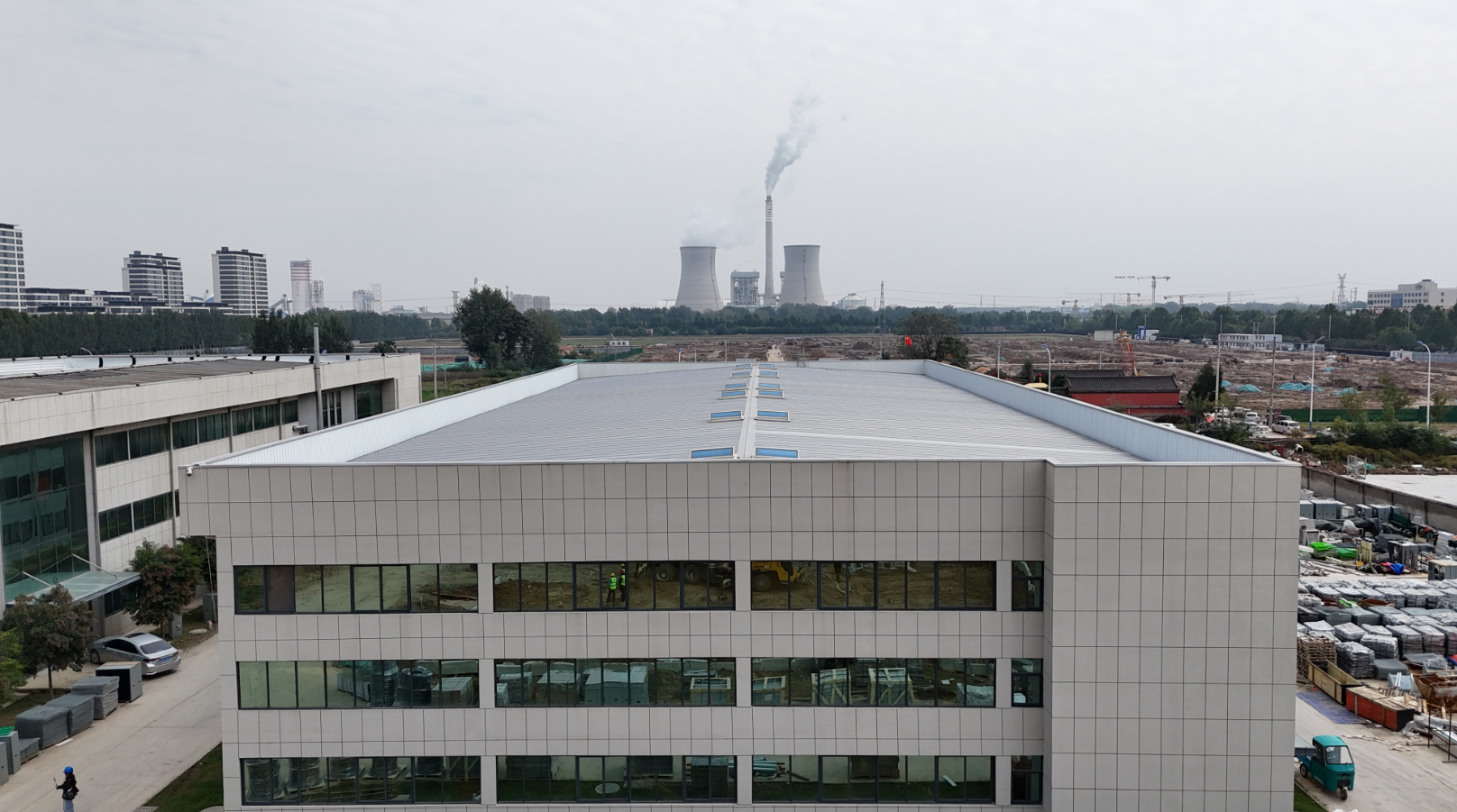
Η διεξαγωγή μιας ομαλής και ταχύτατης λογιστικής λειτουργίας απαιτεί μια φυσική εγκατάσταση που λειτουργεί ως αποτελεσματικός αγωγός και όχι ως σημείο συσσώρευσης αποθηκευτικών αποθεμάτων. Σε κάθε βιομηχανική ανάπτυξη, οι ζώνες αποστολής και παραλαβής υφίστανται τη μεγαλύτερη καθημερινή λειτουργική πίεση. Κατά τον σχεδιασμό μιας σύγχρονης Χάλκινος συνδυασμός αποθεματοχώριου η καταγραφή της υποδομής εισόδου αποτελεί κρίσιμο καθήκον που επηρεάζει άμεσα την καθημερινή απόδοση σε επίπεδο κέρδους. Εάν αυτές οι ζώνες είναι υπερβολικά στενές ή κακώς τοποθετημένες, οι εγκαταστάσεις αντιμετωπίζουν γρήγορα μακριές ουρές φορτηγών, καθυστερημένες παραγγελίες και αυξημένους κινδύνους ακούσιας ζημιάς στα προϊόντα. Η σχεδίαση ενός λογιστικού κέντρου υψηλής απόδοσης σημαίνει τη μετατροπή αυτών των περιοχών διέλευσης σε εξαιρετικά συγχρονισμένους χώρους, όπου μεγάλα οχήματα, εξοπλισμός χειρισμού υλικών και προσωπικό του αποθηκευτικού χώρου αλληλεπιδρούν απρόσκοπτα και χωρίς καθυστέρηση.
Η δομική μηχανική των διεπαφών βαρέων μεταφορών
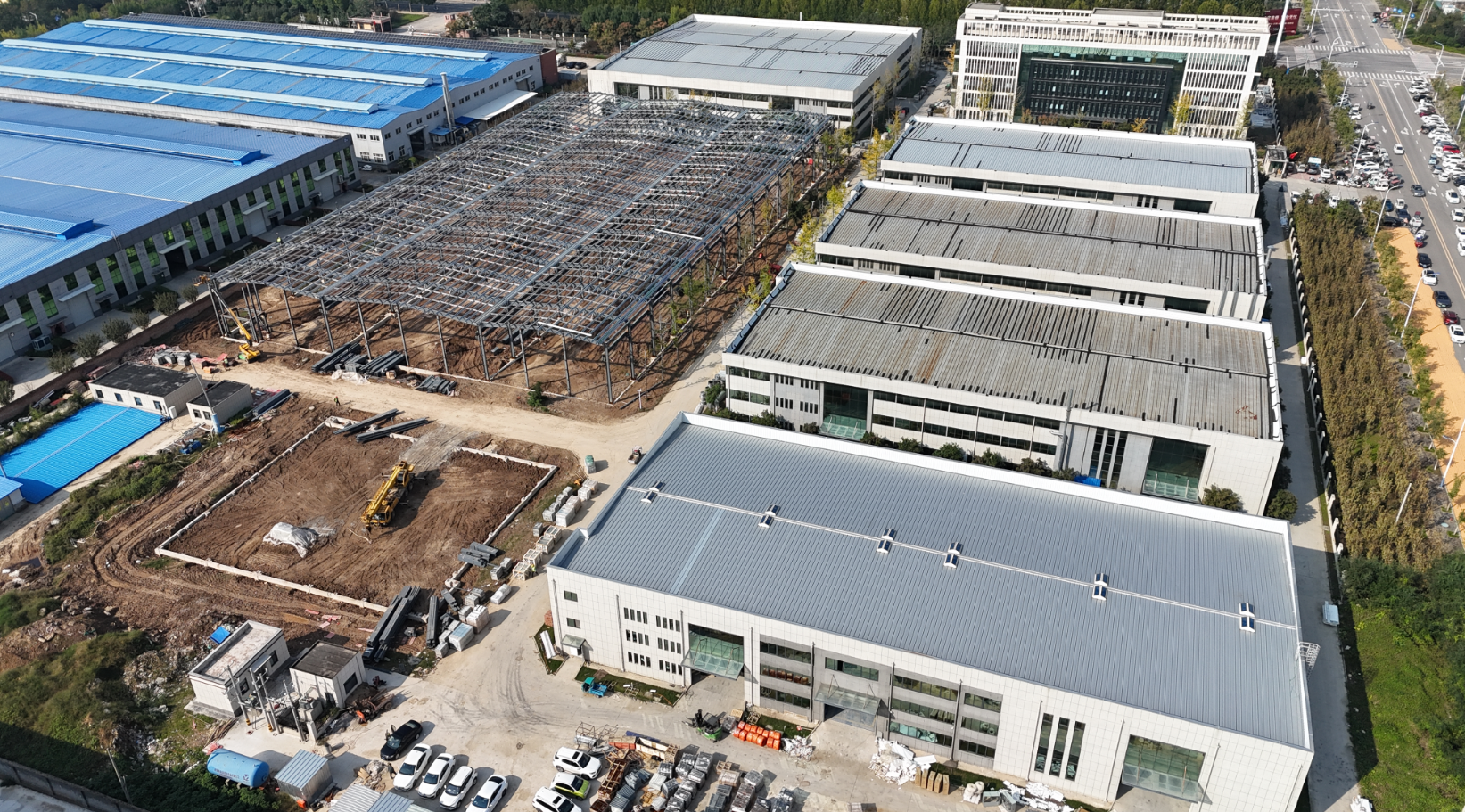
Η ενσωμάτωση επιβαρυμένων αποθηκών φόρτωσης/εκφόρτωσης σε προμηχανοποιημένο σκελετό από σκληρό χάλυβα απαιτεί προσεκτικούς δομικούς υπολογισμούς και χωρικό σχεδιασμό. Σε αντίθεση με τα παραδοσιακά κτίρια από τούβλα και μορτάρι, οι μηχανολογικά σχεδιασμένες μεταλλικές κατασκευές προσφέρουν εξαιρετικά μεγάλα ελεύθερα ανοίγματα, εξαλείφοντας ενοχλητικές εσωτερικές κολόνες. Αυτός ο ανοικτός δομικός σχεδιασμός είναι ιδανικός για τη δημιουργία ανεμπόδιστων διαδρόμων διασταύρωσης φόρτωσης (cross-docking) και ευρύχωρων ζωνών προετοιμασίας ακριβώς πίσω από τις πόρτες των αποθηκών. Οι μηχανικοί πρέπει να υπολογίζουν με ακρίβεια τα σημειακά φορτία κατά μήκος των περιμετρικών τοίχων, καθώς αυτές οι περιοχές υποστηρίζουν βαριά αυτοματοποιημένα συστήματα εξισορρόπησης επιπέδου δαπέδου (dock levelers), εμπορικές ανυψωτικές πόρτες και συστήματα ασφάλισης οχημάτων. Επιπλέον, η κατακόρυφη ελεύθερη ύψος κάτω από την προεξοχή (canopy) πρέπει να επιτρέπει εύκολα την εισαγωγή μεγάλων εμπορευματοκιβωτίων σε διάφορες καιρικές συνθήκες, διατηρώντας ταυτόχρονα τη σταθερότητα της θερμομόνωσης του κτιρίου.
Για να βοηθήσουν οι σχεδιαστές εγκαταστάσεων και οι βιομηχανικοί αναπτυξιακοί φορείς στην αξιολόγηση αυτών των κρίσιμων παραμέτρων διάταξης, παρατίθενται παρακάτω οι βασικές δομικές και χωρικές προδιαγραφές:
| Αρχιτεκτονικό Στοιχείο | Προδιαγραφή Μηχανικής Διάστασης | Κύριο Ρυθμιστικό Πρότυπο | Πλεονέκτημα Λειτουργικής Εγκατάστασης |
| Καθαρό Ύψος Ανοίγματος | 3,0 μέτρα έως 4,5 μέτρα | Συμμόρφωση προς τις προδιαγραφές OSHA / Διεθνές Πρότυπο ISO | Διαθέτει χώρο για τυπικά φορτηγά με υψηλό κουτί (high-cube shipping trailers) |
| Φορτίο Ανυψωτικής Πλατφόρμας Φόρτωσης/Εκφόρτωσης (Dock Leveler) | 15.000 kg έως 25.000 kg δυναμικό φορτίο | Μηχανική σύμφωνα με τα πρότυπα ANSI / MH30.1 | Υποστηρίζει βαριά φορτία εισόδου και εξόδου ηλεκτροφόρτων |
| Χώρος Προστασίας Βρύσης | συνολικό Βάθος από 35 μέχρι 40 μέτρα | Τοπικοί Κωδικοί Μεταφοράς | Παρέχει ασφαλή ακτίνες στροφής για βαρέα εμπορικά φορτηγά |
| Βαθμός Κατασκευαστικού Πλαισίου | Q355B / ASTM A572 Υψηλής Αντοχής Χάλυβας | Προδιαγραφές Σχεδιασμού AISC | Εξασφαλίζει εξαιρετική διάρκεια ζωής της κατασκευής υπό τάση |
Πραγματικές επιθεωρήσεις διανομής και εφαρμογή χωρικής ροής
Στην εντατική λογιστική, μικρά λάθη σχεδιασμού μπορούν γρήγορα να προκαλέσουν ακριβά καθημερινά λειτουργικά καθυστερήματα. Κατά τη διάρκεια μιας πρόσφατης επιθεώρησης βελτιστοποίησης της γραμμής εκπλήρωσης για ένα κύριο κέντρο διανομής ηλεκτρονικού εμπορίου, βιομηχανικοί μηχανικοί κατέγραψαν καθυστέρηση 22 λεπτών ανά όχημα κατά τις αιχμές ώρες πρωινής παραλαβής. Η ριζική αιτία ήταν ένα απλό λάθος στη δομική διάταξη: οι πόρτες εισόδου είχαν τοποθετηθεί πολύ κοντά σε μια κύρια δομική δοκό, με αποτέλεσμα να περιορίζεται η γωνία στροφής των βαρέων ερπυστριοφόρων. Για τη διόρθωση αυτού του προβλήματος, η ομάδα τροποποίησε τη διαμόρφωση του δευτερεύοντος πλαισίου, ώστε να αυξηθεί η απόσταση μεταξύ των κολόνων γύρω από την περιοχή φόρτωσης. Αυτή η απλή δομική αλλαγή επέτρεψε στα ερπυστριοφόρα να κινούνται κατά μικρότερες και ευθύτερες διαδρομές, με αποτέλεσμα την άμεση μείωση των χρόνων επιστροφής των οχημάτων κατά 31% και τη σημαντική μείωση του κόστους ενέργειας του αποθηκευτικού χώρου μέσω ταχύτερης λειτουργίας των πορτών.
Πρωτόκολλα ασφάλειας συμμόρφωσης και διαχείριση θερμικών ορίων
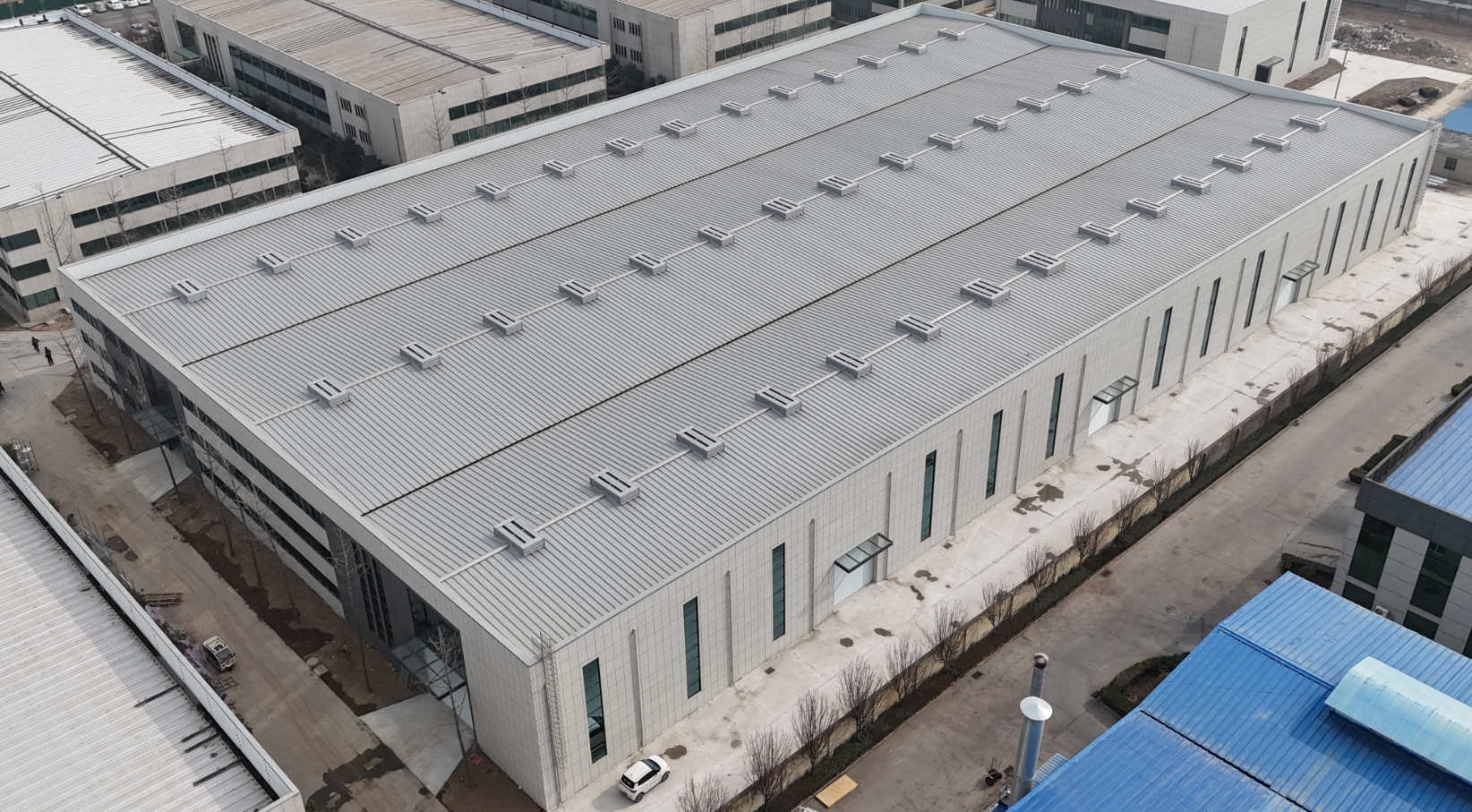
Η κατασκευή αξιόπιστων βιομηχανικών εγκαταστάσεων απαιτεί την αυστηρή τήρηση των διεθνών κανονισμών οικοδομικής τεκμηρίωσης και των ρυθμίσεων για την ασφάλεια των εργαζομένων. Οι ζώνες υψηλής απόδοσης για τη μεταφορά υλικών πρέπει να συμμορφώνονται με τα παγκόσμια αρχιτεκτονικά πρότυπα, συμπεριλαμβανομένων των παραμέτρων σχεδιασμού AISC και των τοπικών οδηγιών για την υγεία και την ασφάλεια στην εργασία. Πέραν της βασικής δομικής ακεραιότητας, η διαχείριση του θερμικού ορίου του κτιρίου γύρω από μεγάλες εξωτερικές ανοιγματικές επιφάνειες είναι απαραίτητη για τη μείωση των μακροπρόθεσμων ενεργειακών δαπανών. Η εγκατάσταση επαγγελματικών σφραγίδων φόρτωσης, φουσκωτών κατασκευών προστασίας και αυτοματοποιημένων θερμομονωτικών πορτών εξασφαλίζει την τέλεια σταθερότητα του εσωτερικού κλίματος κατά τη διάρκεια φόρτωσης/εκφόρτωσης οχημάτων. Αυτός ο προηγμένος έλεγχος του κλίματος αποτρέπει την είσοδο κρύου αέρα τον χειμώνα ή υγρού αέρα το καλοκαίρι στην εγκατάσταση, προστατεύοντας ευαίσθητα φορτία από ζημιές λόγω υγρασίας και μειώνοντας το φορτίο επί των συστημάτων θέρμανσης, ψύξης και εξαερισμού (HVAC) του κτιρίου.
Μακροπρόθεσμη απόδοση επένδυσης και βιομηχανική κλιμάκωση
Από εμπορικής και επενδυτικής σκοπιάς, μια καλά σχεδιασμένη περιοχή αποστολών μειώνει δραστικά το συνολικό κόστος κατοχής ενός εγκαταστατικού για δεκαετίες ενεργού λειτουργίας. Αποτελεσματικές διατάξεις εξαλείφουν τα ακριβά τέλη καθυστέρησης φορτηγών, διασφαλίζοντας προβλέψιμους και γρήγορους χρόνους φόρτωσης. Επιπλέον, η επιλογή ενός μοντάρισματος μεταλλικού πλαισίου επιτρέπει εύκολες μελλοντικές επεκτάσεις, οι οποίες δεν προσφέρονται από παραδοσιακά σκυρόδεμα κτίρια. Εάν οι περιφερειακές αγοραστικές ανάγκες διπλασιαστούν, οι ιδιοκτήτες μπορούν απλώς να προσθέσουν επιπλέον δομικές θυρίδες με βίδωμα, χωρίς να διακόψουν τις τρέχουσες λειτουργίες. Αυτή η εκπληκτική ευελιξία επιτρέπει στις εταιρικές αλυσίδες εφοδιασμού να κλιμακώνουν τις δυνατότητες αποθήκευσής τους, να προσαρμόζονται σε προηγμένα ρομποτικά συστήματα ταξινόμησης και να εκμεταλλεύονται ευκαιρίες σε μεταβαλλόμενες αγορές πριν από τους ανταγωνιστές τους.
Εξαιρετική βιομηχανική κατασκευή και πλήρης ενσωμάτωση της αλυσίδας εφοδιασμού
Η συνεχής παράδοση αυτών των βαρέων, υψηλής ακρίβειας βιομηχανικών κτιρίων απαιτεί έναν εταίρο μηχανικής με προηγμένη υποδομή κατασκευής και εμπεριστατωμένη εμπειρογνωμοσύνη στην αλυσίδα εφοδιασμού. Εδώ είναι που ο εξειδικευμένος δομικός πρωτοπόρος SteelWarehouses προσφέρει ανεπίκλητη στρατηγική αξία σε παγκόσμιες εμπορικές αναπτύξεις. Λειτουργώντας κορυφαίες αυτοματοποιημένες γραμμές συγκόλλησης δοκών H, συστήματα πλάσμα κοπής ελεγχόμενα από υπολογιστή και πολυσταδιακές γραμμές αντιδιαβρωτικής επεξεργασίας με ψεκασμό, SteelWarehouses διασφαλίζει ότι κάθε μεμονωμένη κολόνα, δοκός και περιμετρική δοκός (purlin) πληροί τα αυστηρότερα διεθνή πρότυπα ποιότητας. Παρέχοντας ευέλικτη προσαρμοστική μηχανική, πλήρως ενσωματωμένη συντονισμό λογιστικής και αξιόπιστη τεχνική καθοδήγηση επιτόπου, η μάρκα απλοποιεί τα περίπλοκα διεθνή έργα κατασκευής κτιρίων για λογιστικούς φορείς παγκοσμίως. Η συνεργασία με έναν ηγέτη του κλάδου όπως ο SteelWarehouses εγγυάται εξαιρετική δομική ανθεκτικότητα, απόλυτη συμμόρφωση προς τους κανονισμούς και ομαλή, μακροπρόθεσμη εμπορική επιτυχία για την επόμενη επένδυσή σας σε εγκαταστάσεις.
Περιεχόμενα
- Η στρατηγική σημασία της υποδομής εισόδου στη σύγχρονη λογιστική
- Η δομική μηχανική των διεπαφών βαρέων μεταφορών
- Πραγματικές επιθεωρήσεις διανομής και εφαρμογή χωρικής ροής
- Πρωτόκολλα ασφάλειας συμμόρφωσης και διαχείριση θερμικών ορίων
- Μακροπρόθεσμη απόδοση επένδυσης και βιομηχανική κλιμάκωση
- Εξαιρετική βιομηχανική κατασκευή και πλήρης ενσωμάτωση της αλυσίδας εφοδιασμού