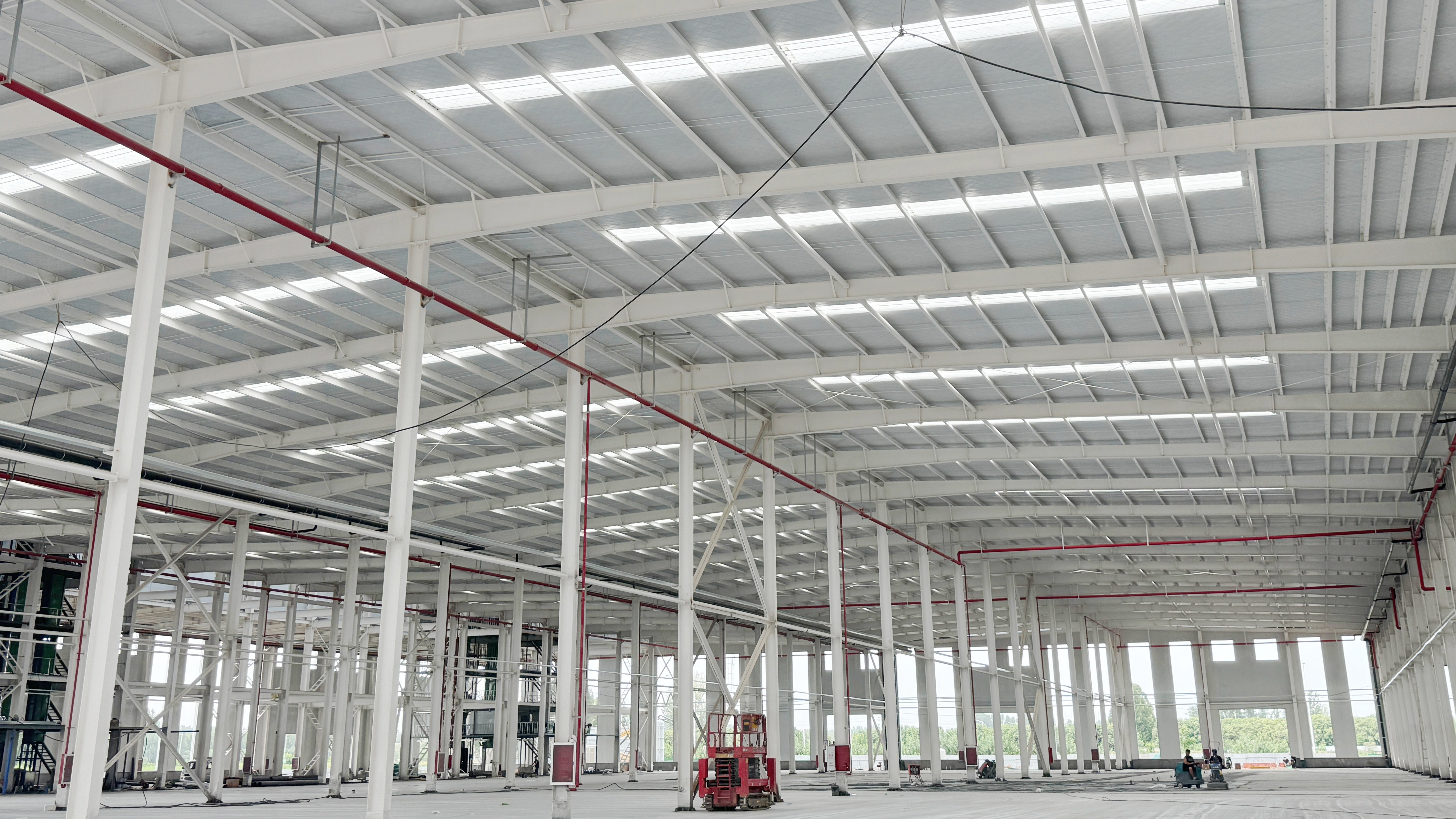





Driven by the dual forces of intelligent manufacturing and sustainable development, the construction philosophy behind steel structure workshops is undergoing profound transformation. For small and medium-sized entrepreneurs planning to invest in new production facilities, understanding forward-looking industry trends is no longer optional—it is essential to building factories that are efficient, cost-effective, and future-ready.
As global manufacturing continues to evolve toward automation, data integration, and low-carbon operations, steel structure buildings are no longer merely physical enclosures for production. They are becoming integrated platforms that combine structural performance, digital intelligence, and environmental responsibility. At Zhengzhou Weilan Steel Structure Engineering Co., Ltd., we closely monitor these industry developments to ensure our clients benefit from advanced technologies and long-term value.
Today, we explore three major trends that are currently redefining the steel structure sector and shaping the next generation of industrial facilities.
Trend One: Full Lifecycle Digitalization (Deep Application of BIM)
Digitalization has expanded beyond the design stage and now encompasses the entire lifecycle of a steel structure project—from planning and engineering to construction and long-term operation.
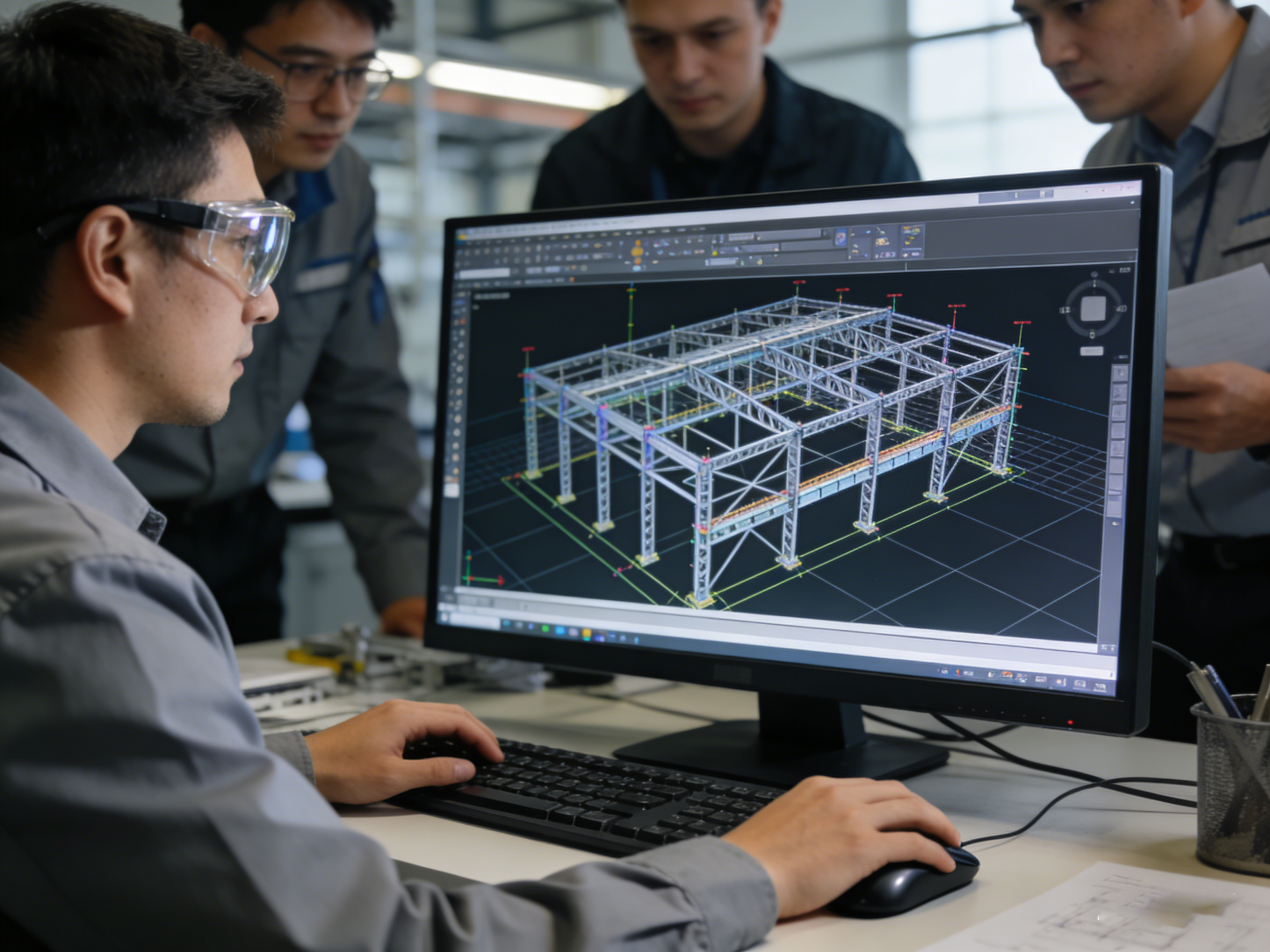
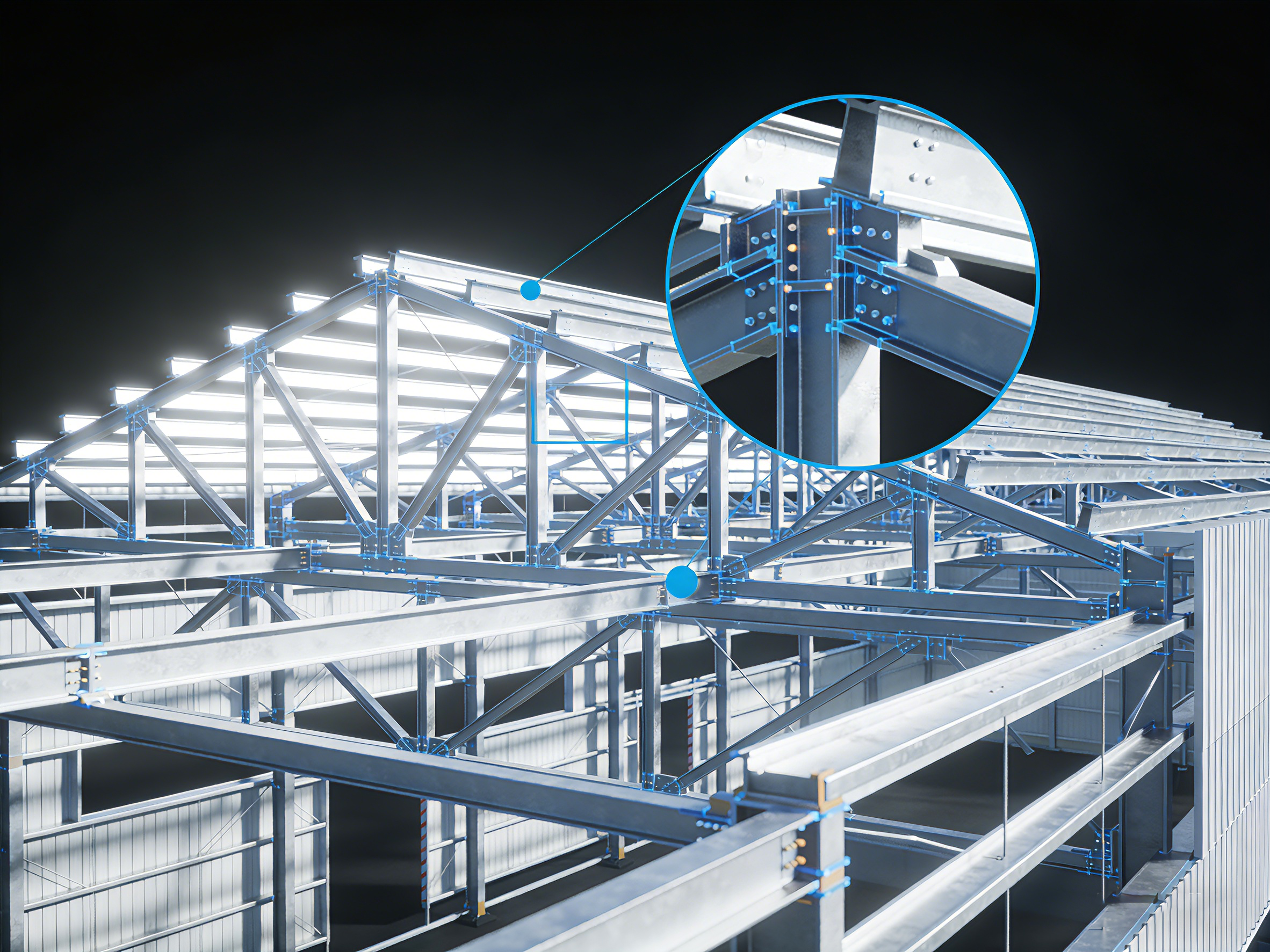
At the center of this transformation lies Building Information Modeling (BIM) technology. During the design phase, BIM enables three-dimensional visualization of the entire building system. Through collision detection and simulation, potential conflicts—such as clashes between structural members, piping systems, and electrical installations—can be identified and resolved before construction begins. This proactive coordination significantly reduces design errors, change orders, and unexpected site modifications.
During the construction phase, BIM supports precise component fabrication and optimized lifting sequences. Structural elements can be prefabricated according to exact digital specifications, improving manufacturing accuracy and minimizing material waste. On-site assembly becomes more efficient, reducing rework, shortening project timelines, and enhancing overall quality control.
More importantly, BIM delivers long-term value beyond project completion. Owners receive not only a physical facility but also a synchronized digital twin model—a comprehensive digital representation of the workshop that mirrors the real structure. This digital asset provides powerful data support for equipment management, energy monitoring, facility upgrades, and future expansion planning. When modifications or expansions are required, the digital model allows accurate simulation and risk assessment before implementation.
By integrating BIM deeply into project workflows, Zhengzhou Weilan Steel Structure Engineering Co., Ltd. helps clients reduce uncertainty, control costs, and enhance transparency throughout the entire construction process. Digitalization is no longer a supplementary tool; it is becoming the backbone of modern steel structure engineering.
Trend Two: Integration of Structural Health Monitoring and Intelligent Operation
Modern industrial facilities are evolving into structures that are “perceptive” and “responsive.” Advanced sensing technologies and data-driven management platforms are redefining how steel structure workshops are maintained and operated.
Through the installation of sensors at critical structural points, real-time monitoring of stress, deformation, vibration, and environmental conditions can be achieved. This continuous data collection enables early warning systems that identify abnormal structural behavior before it escalates into safety risks. Instead of relying solely on periodic manual inspections, owners can adopt a predictive maintenance strategy based on measurable performance indicators.
Structural health monitoring not only enhances safety but also extends service life. By detecting minor issues—such as excessive deflection or localized stress concentrations—corrective actions can be taken promptly, preventing long-term damage.
In parallel, intelligent operation platforms integrate lighting systems, ventilation, temperature control, and energy consumption data into centralized management dashboards. Using algorithm-based optimization, these systems automatically adjust operational parameters to improve efficiency and reduce energy waste. For example, adaptive lighting schedules and demand-based ventilation can significantly lower electricity consumption without compromising productivity.
The financial impact of intelligent operation is substantial. Over the lifespan of a factory building, operational costs often exceed initial construction costs. By reducing energy expenditure and preventing unexpected structural repairs, intelligent management systems directly contribute to long-term cost savings and asset value preservation.
This preventive and data-driven approach to facility management represents a major shift from reactive maintenance to proactive optimization. It enhances safety, reliability, and efficiency while strengthening a company’s competitive position.
Trend Three: Green Construction and Photovoltaic Integration
Environmental regulations and global sustainability goals are accelerating innovation in materials and construction methods within the steel structure industry.
High-performance fireproof and anti-corrosion coatings are improving durability and extending maintenance cycles. Advanced protective systems reduce structural degradation in harsh environments, ensuring that industrial facilities remain safe and operational for decades.
More significantly, the widespread adoption of prefabricated construction and Building-Integrated Photovoltaics (BIPV) is reshaping how steel structure workshops are conceived and utilized.
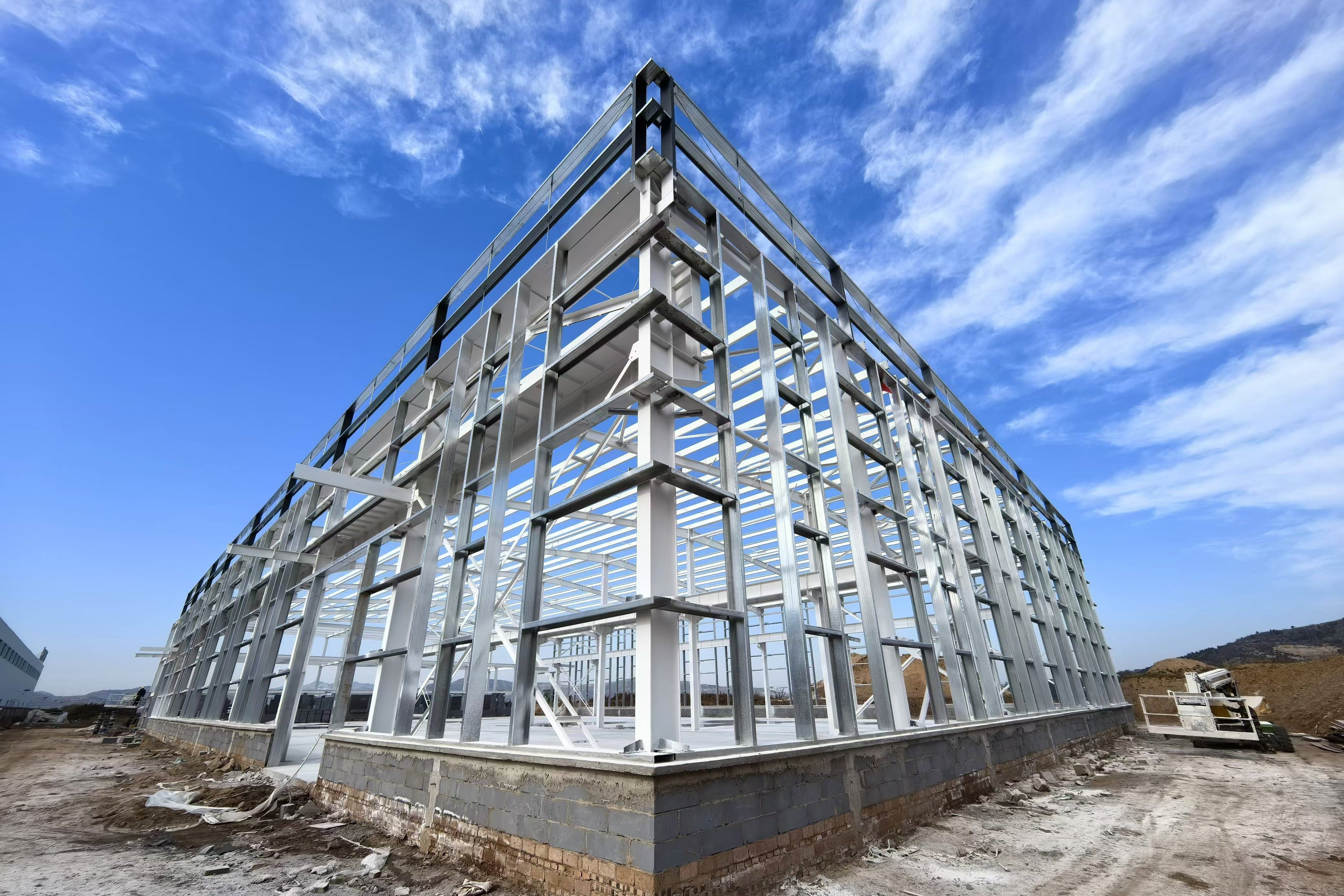
Prefabricated steel components are manufactured under controlled factory conditions and assembled efficiently on-site. This approach minimizes on-site labor, reduces construction waste, shortens project duration, and improves quality consistency. Standardized components also enhance scalability and simplify future modifications or expansions.
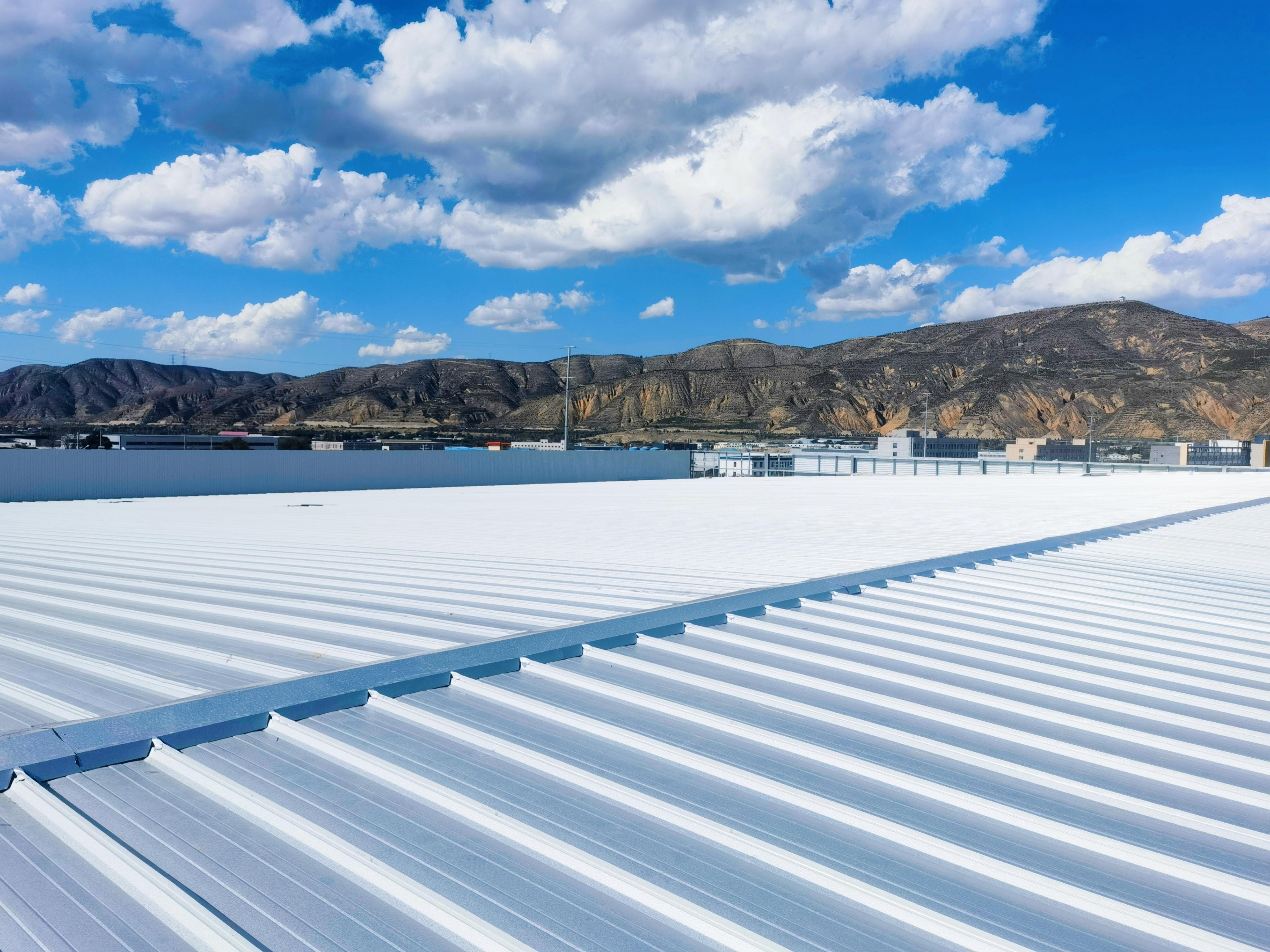
Meanwhile, photovoltaic integration is transforming factory rooftops into renewable energy power stations. By installing solar panels directly onto steel structure roofs, enterprises can generate clean electricity for self-consumption, reducing dependence on external energy sources and lowering carbon emissions. In some regions, surplus electricity can even be fed back into the grid, creating additional economic returns.
The combination of steel structure systems with renewable energy technologies embodies the principles of fast, green, and cost-effective construction. It enables enterprises to meet environmental compliance requirements while strengthening their brand image as responsible and sustainable manufacturers.
Green construction is no longer merely a regulatory obligation—it is a strategic advantage that enhances operational resilience and long-term competitiveness.
Conclusion: A Strategic Path Toward Intelligent, Digital, and Sustainable Development
Intelligence, digitalization, and sustainability are no longer optional concepts reserved for large corporations. They are becoming essential pathways for enterprises of all sizes seeking to enhance competitiveness in a rapidly evolving industrial landscape.
Selecting a service provider with integrated technological capabilities ensures that your factory project begins with a strong foundation. From digital design coordination and intelligent monitoring systems to green construction strategies and photovoltaic integration, a comprehensive approach delivers measurable value across the building lifecycle.
Zhengzhou Weilan Steel Structure Engineering Co., Ltd. serves clients worldwide, providing integrated planning, design, and construction services for private enterprises, agents, and general contractors. We combine practical application requirements with in-depth structural optimization to deliver cost-effective steel structure solutions for workshops, warehouses, industrial plants, agricultural facilities, hangars, and other specialized buildings.
By aligning structural engineering expertise with advanced digital tools and sustainable construction practices, we help clients achieve an optimal balance between cost control and quality assurance. Our commitment is to create steel structure facilities that are not only structurally sound but also intelligent, efficient, and environmentally responsible.
If you are planning a steel structure workshop project, we welcome your inquiry for detailed consultation. Let us work together to build industrial spaces that are designed not just for today’s needs, but for tomorrow’s opportunities.