

September 16, 2026



The global demand for EPC steel structure projects is increasing as businesses and developers look for faster construction, better cost control, and simpler project management. From steel warehouses and factories to logistics centers and industrial parks, EPC delivery is becoming an important approach for modern industrial construction.
EPC stands for Engineering, Procurement, and Construction. Under this model, one contractor manages multiple stages of the project, including:
This provides the client with a single point of responsibility from design to project completion.
Faster Project Delivery
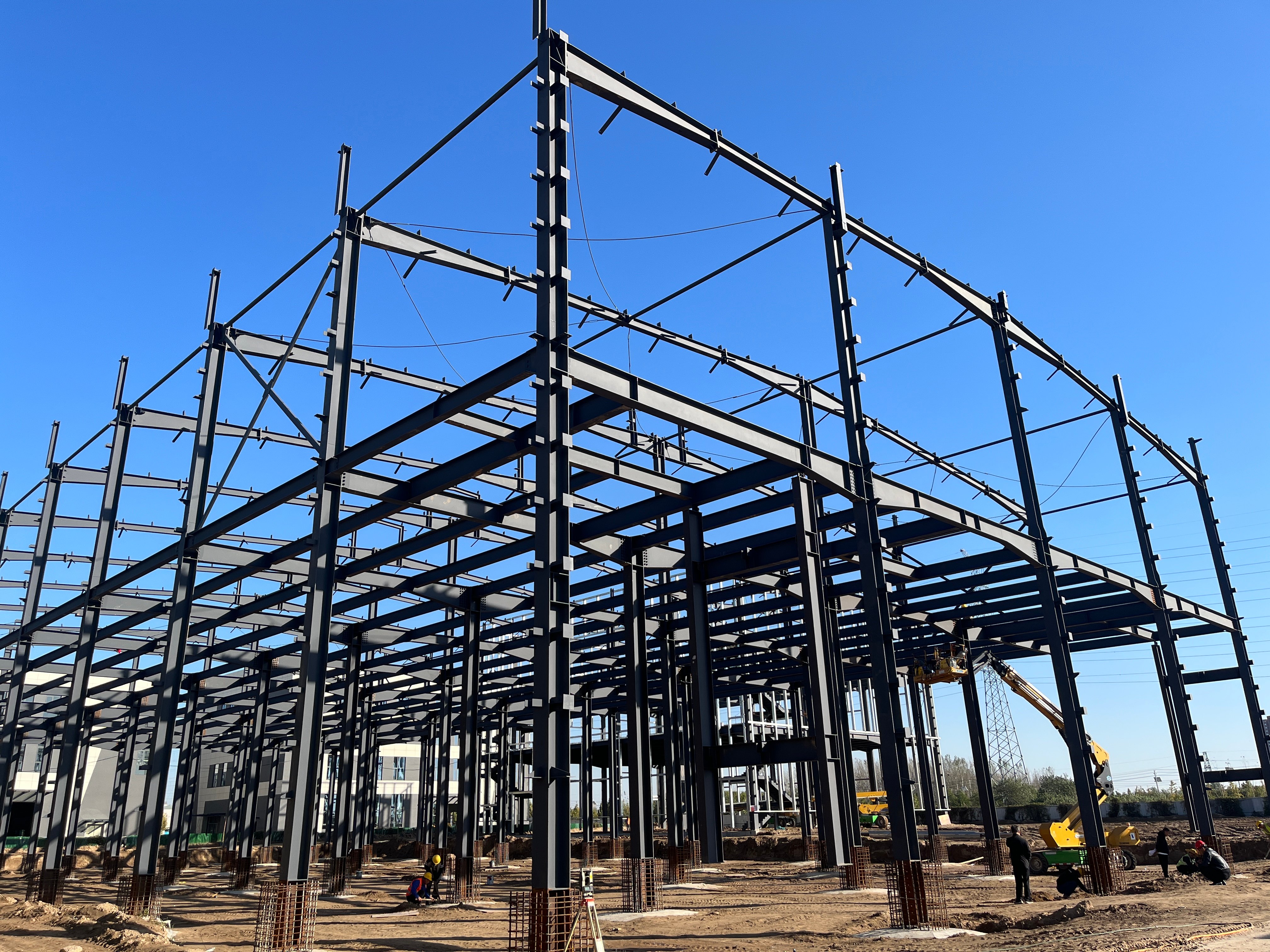
An EPC steel structure contractor can coordinate engineering, fabrication, transportation, and construction as one process. Factory production can also take place while foundations and other site work are being prepared, helping reduce unnecessary waiting time.
Better Cost Control
Integrating different project stages makes it easier to coordinate material quantities, production schedules, and construction requirements. This can help clients manage the overall project budget more effectively.
One-Stop Project Management
Instead of coordinating separate designers, steel suppliers, fabricators, and installation teams, clients can work with one EPC partner. This is particularly useful for overseas industrial projects where communication and coordination can be more complex.
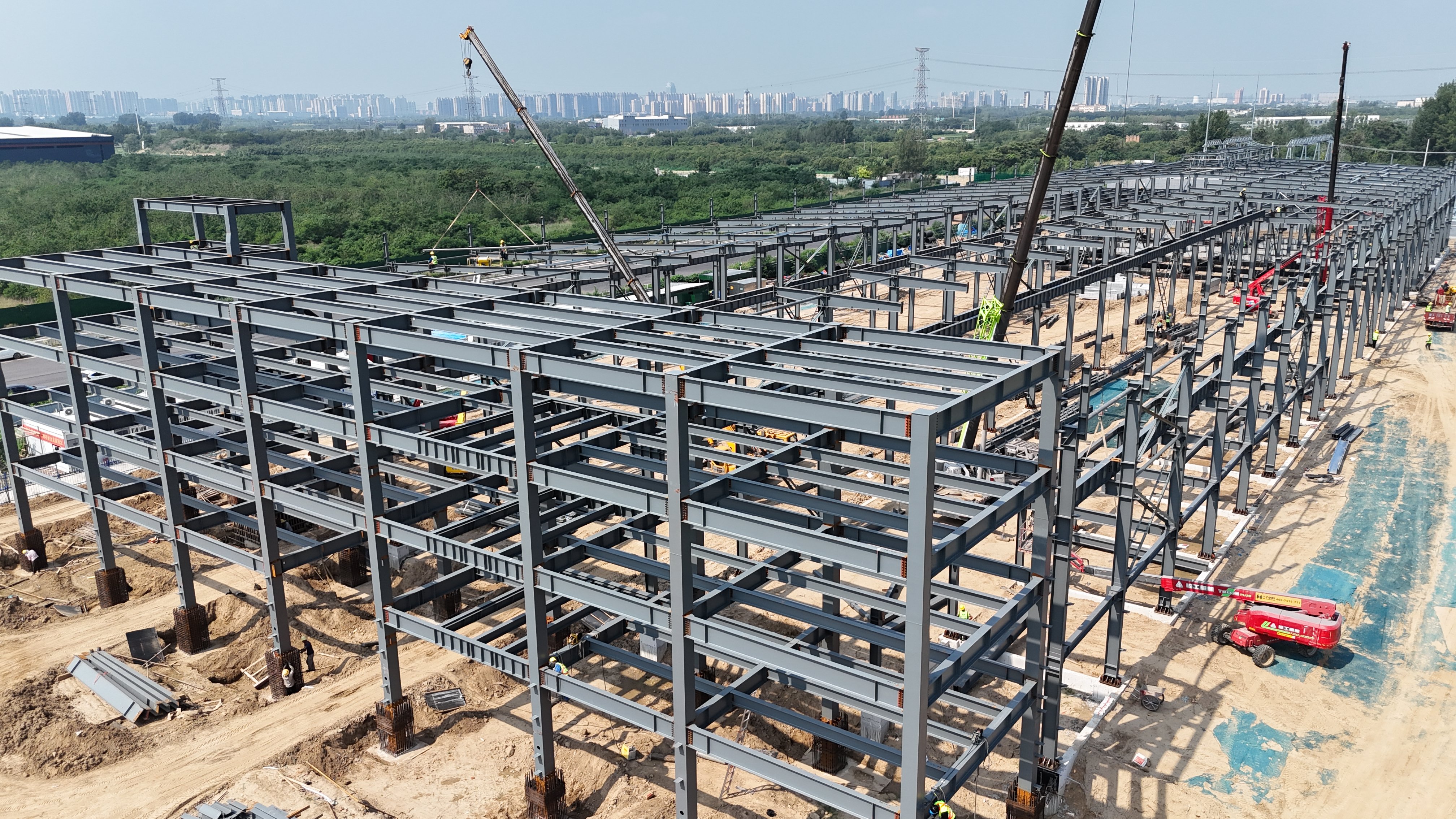
Demand for EPC steel structure projects is particularly relevant to industrial and infrastructure development in emerging markets.
In Africa, countries such as Nigeria, Kenya, Ghana, Tanzania, Ethiopia, South Africa, Uganda, and Zambia are developing manufacturing facilities, logistics infrastructure, industrial parks, and storage projects.
Similar demand can be seen across Southeast Asia, the Middle East, South America, and other developing markets, where companies need factories, warehouses, and production facilities that can be delivered efficiently.
Common EPC Steel Structure Applications
EPC solutions are widely used for:
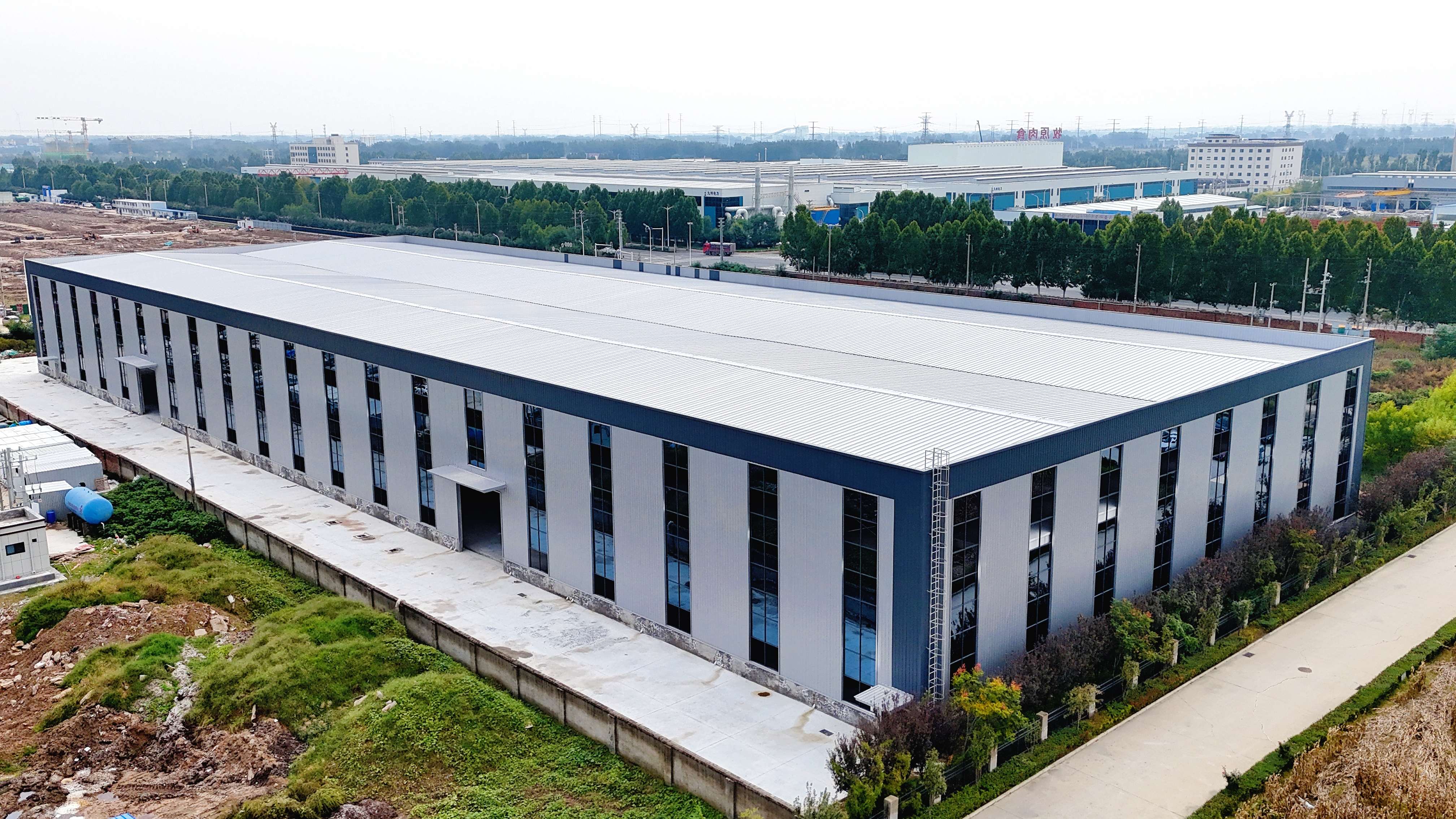
Steel Structure Warehouses
Industrial Steel Buildings
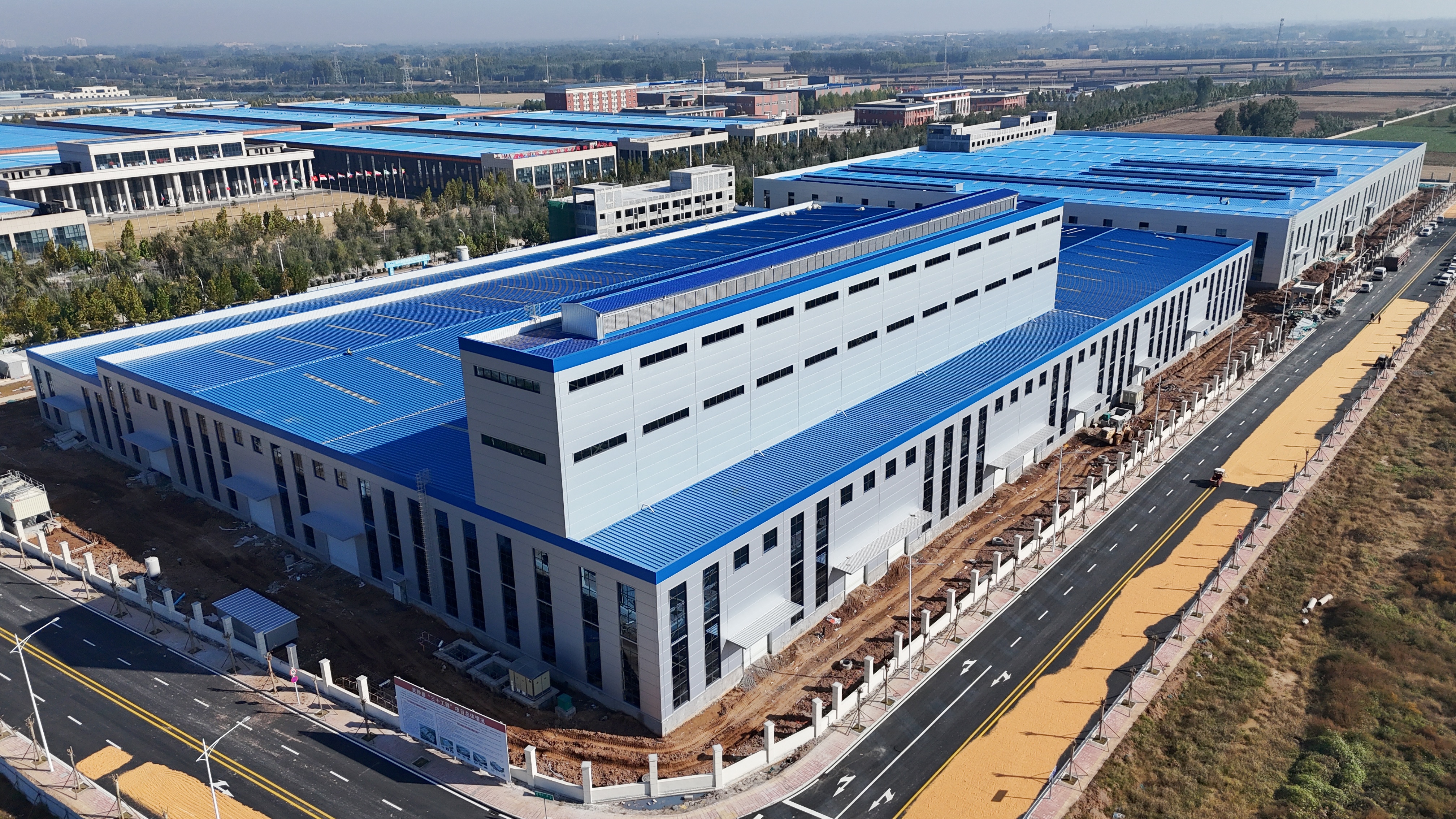
Steel Factory Buildings
Steel Workshops
Logistics Centers
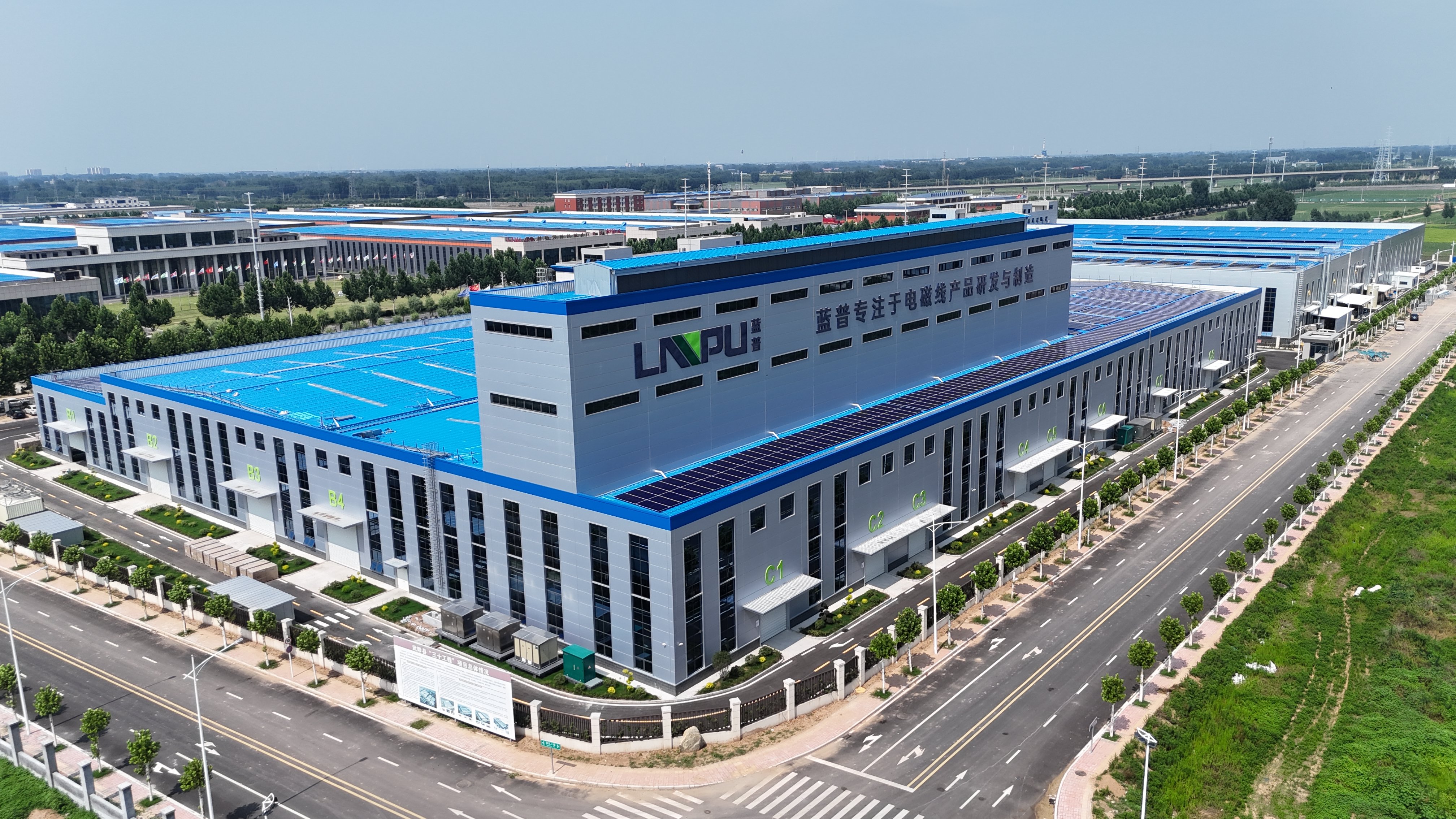
Manufacturing Plants
Industrial Parks
Agricultural and Storage Buildings
For large-span buildings, steel construction can provide flexible layouts with fewer interior columns, which is useful for manufacturing equipment, storage systems, and logistics operations.
Key Trends in EPC Steel Construction
Several trends are shaping the market:
Prefabricated construction: More components are manufactured in factories before delivery to the site.
Digital engineering: BIM, 3D modeling, and digital fabrication are improving coordination and production accuracy.
Turnkey solutions: Clients increasingly prefer integrated services rather than managing multiple independent suppliers.
Sustainable construction: Efficient material use, recyclable steel, and energy-saving building systems are becoming more important in project planning.
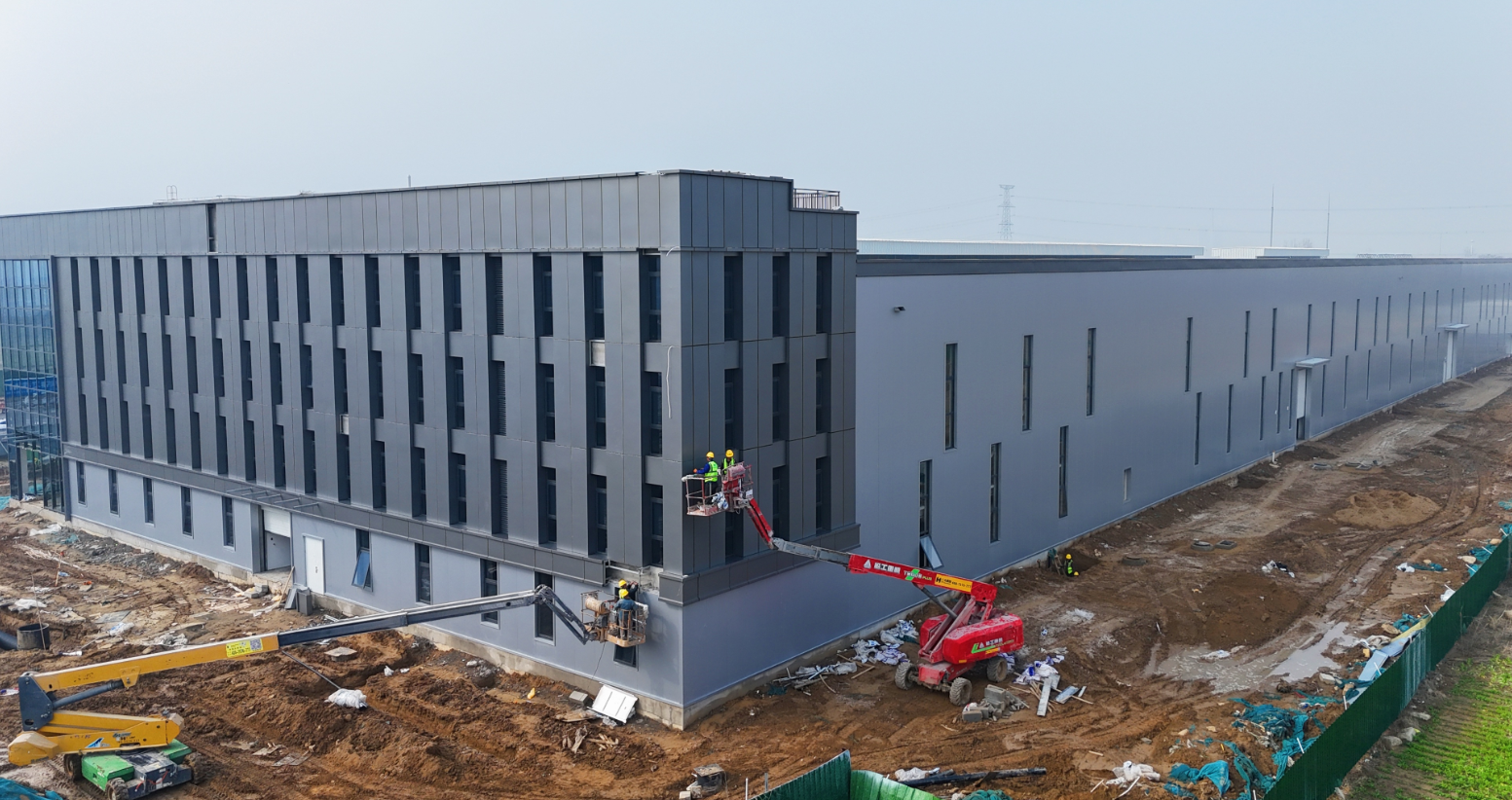
Before selecting an EPC steel structure contractor, buyers should evaluate:
Engineering and design capabilities
Steel fabrication capacity
Quality control systems
International shipping experience
Installation capabilities
Project management experience
Experience with local codes and site conditions
A contractor with integrated engineering, manufacturing, logistics, and installation capabilities can provide better coordination throughout the project.
The global demand for EPC steel structure projects is being supported by the growth of manufacturing, logistics, industrial parks, and modern warehouse construction. By combining engineering, procurement, fabrication, and construction under one project framework, EPC delivery can simplify project management and improve coordination.
For companies planning a steel warehouse, factory, workshop, or industrial steel building, an integrated EPC approach can provide a practical solution from initial design to final installation.