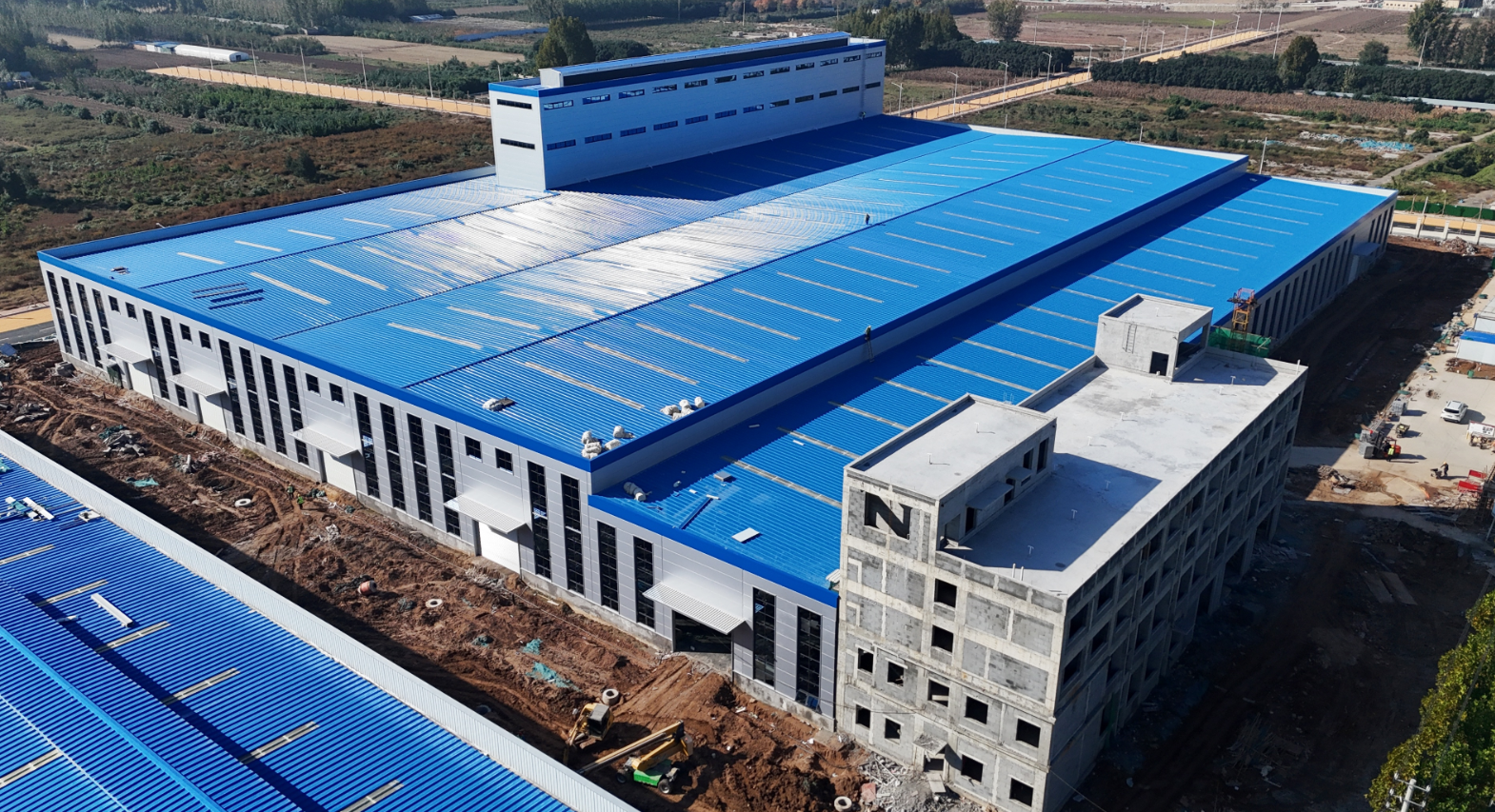
የብረት መዋቅር እና የኢንዱስትሪ የካርቦን መቀነስ እንዲሁም የተሰራ የካርቦን በህዝብ ላይ ያለው ተጽእኖ
የብረት መዋቅር በመዋቅሩ ውስጥ 93% ተደራሽ የሆነ ይዘት በመኖሩ እና በኤሌክትሪክ አርክ ፋርኔስ (EAF) በመገንባት የከፍተኛ የካርቦን መቀነስ ይገኛል፣ ይህ የ CO₂ 0.68 ሜትሪክ ቶን ይፈሳል። በተقابل የተለመዱ ባላስት ፋርኔስ ስለ 2.3 ሜትሪክ ቶን ይፈሳሉ እና በተሻሻለ የተዋሃደ የፀሐይ እና የרוח ኢነርጂ በመጠቀም የብረት ማምረት ወጪ እና የካርቦን መፈሳሽ በጣም ይቀንሳል፣ ስለዚህ የባላስት ፋርኔስ በብረት ማምረት ውስጥ በጣም ዝቅ ነው።
ብረት በተቋራጭ ስርዓቶች ላይ የሚሰራ እና የኮንክሪት እና የእንስሳ የህይወት ዙር ግምት
የግንባታ ብረት መዋቅሮች የህይወት ዙር ግምት ከተቋራጭ የግንባታ መንገዶች፣ በተለይም ከእንስሳ እና ከኮንክሪት ጋር በመነፃፀር የተካሔደ ነው። ይህ የብረት ኢንዱስትሪ በአጠቃላይ በከፍተኛ ደረጃ በካርቦን ምንዛሪያ ውስጥ ከእንስሳ እና ከኮንክሪት በላይ የሚሆን እንደ ያቀርባል በአካባቢ 50 ዓመታት ውስጥ የተገለጸ ነው። ብረት መዋቅሮች በተፈጥሯዊ ሁኔታ በጣም ታላቅ አይደሉም እና በተቋራጭ መንገዶች የሚገነቡ መዋቅሮች የሚያስገቡትን መጠን እና መጠን ያቀንሳሉ፣ ስለዚህ የመሰረቱን መጠን፣ የመሰረቱን ጥልቀት እና የመሰረቱን ዋጋ በከፍተኛ ደረጃ ያቀንሳሉ። በተጨማሪም፣ ብረት መዋቅሮች በማሽን ቤቶች ውስጥ በቅድሚያ የተሰሩ በመሆናቸው፣ ይህ በግንባታ ቦታ ላይ የሚከሰቱ የተበላሹ እቃዎችን እና የተጨማሪ የግንባታ እቃዎችን በሙሉ ያስወግዳል።
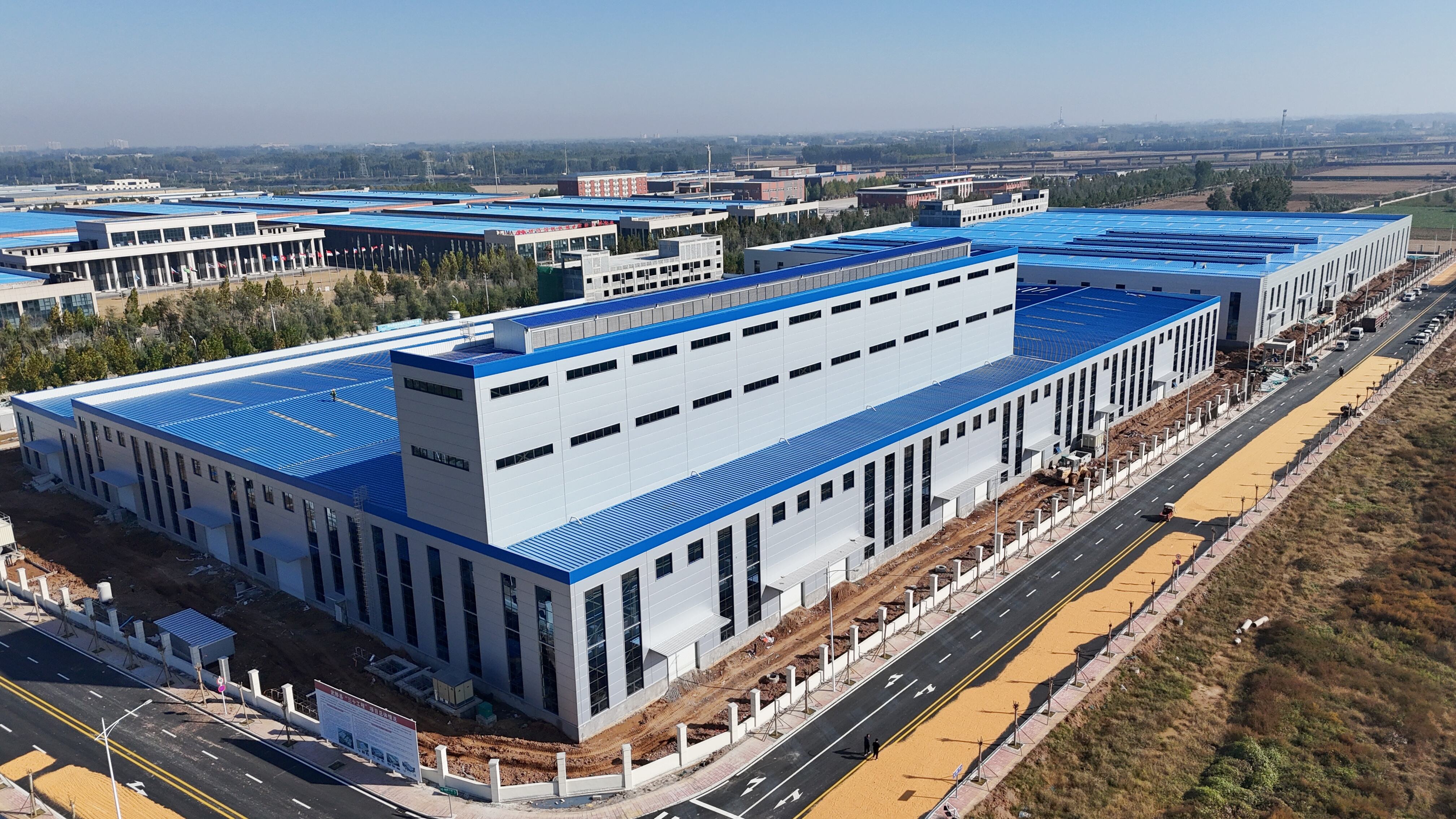
የብረት የተሰራ ካርቦን እና የተጠቀመ ካርቦን
የብረት መዋቅሮች የተሰራ ካርቦን 320 ነው በሚል ይדווח ነው፣ ይህ በ50 ዓመታት የተዘረጋ የተጠቀመ የህይወት ዙር ውስጥ የመዋቅሮች የተጠቀመ የካርቦን ምንዛሪያ የሚሰጠውን ጠቅላላ ካርቦን ምንዛሪያ በ8-12 በመቶ ያቀንሳል።
እ although የብረት መዋቅር በስራ ላይ እና በተካተተ የካርቦን መጠን ከወጣ መዋቅር ይበልጥ ነው፣ የብረት መዋቅር ለረጅም ጊዜ ያላቸው የስራ ጥቅሞች እንደ የመገናኛ ስፋት በከፍተኛ ደረጃ የሚያሳድጉ የאנרגיה ችሎታ እና የተዋሃዳዊ የፀሐይ ፓነል መዋቅር የመዋቅሩን የካርቦን ማስወገድ በተጨማሪ ያስቀድመዋል።
የሃይድሮጅን የቀጥታ የቀነሰው አይረን (DRI) ጋር የኤሌክትሪክ ማህደረ ምግቢያ ማሽኖችን ማሻሻል የብረት ኢንዱስትሪውን የካርቦን መቀነስን ማሻሻል ይችላል። የኮክ ሙሉ ማስወገድ በ2030 ዓ.ም. የካርቦን ዜโร ብረት ማምጣት ይቻላል። ተጨማሪም፣ የኤሌክትሪክ ማህደረ ምግቢያ ማሽኖች (EAF) ላይ የሚከሰቱ የግაዝ ምንጭ ስለ አንድ አይነት የአርቲፊሻል ኢንተሊጀንስ እና የተመለከተ የኤሌክትሪክ ሬሾ በኩል የግაዝ ምንጭ በ40% በላይ ሊቀንስ ይችላል። የእነዚህ ዘዴዎች በተወሰኑ ኩባንያዎች በመጀመሪያ መተግበር በአምስት ዓመታት በፊት የተመዘገበው የተካተተ የካርቦን መቀነስ 11% ተገኝቷል።
የብረት የስርዓተ አስተዳደር
የብረት ባህሪዎች ከ100% እንደገና ማቅለል የሚቻል እና በአጠቃላይ ዓለም ዙርያ የመጨረሻ ጊዜ የተጠቀሰው በ90% በላይ እንደገና ማቅለል የሚቻል ናቸው።
ብረት በጣም የማስተዳድር የሚቻል የሥራ ክፍል ነው። በዓለም ዙርያ የመጨረሻ ጊዜ የተጠቀሰው በ90% በላይ የብረት አካል በተጠቀሰበት ጊዜ ተሰብስቦ በሚቀጥለው ምርት ዘርፍ እንደገና ይጠቀማሉ። ይህ ዘርፍ ለምርት ዋነኛ የግብረመልስ እቃ የሚሆን የብረት ኦር የማግኘት ፍላጎትን ያቀንሳል እና የማግኘት እና የኦር ማቀነባበሪያ ሂደቶች ምክንያት የሚፈጠሩ የፀረ-የአየር ንብረቶችን ያቀንሳል። በቅርብ ጊዜ የኤሌክትሪክ አርክ ፋርኔስ (EAF) ክስተቶች በ93% የተደገሙ ብረቶችን መጠቀም ወደ ታላቁ የስራ ክፍሎች የማስተዳድር የሚቻል የፍላጎት ደረጃ ያስገቡ እና በማስተዳድር የሚቻል የግንባታ ምርቶች ውስጥ ብረትን የመሪ አካል ያደርጋሉ። ተጨማሪም፣ በብረት ግንባታ ውስጥ የ"ለማስወገድ ዲዛይን" (DfD) ተግባራዊ አቀራረቦች እስከ 95% የእቃ ተሰብስቦ ማግኘት ማድረግ ይቻላል።
የማገኘት ዘዴ የእቃ ውጤታማነት የካርቦን ተጽዕኖ
ማስወገድ >%95 ማገኘት 85% በተቃራኒ የማስነቆር ዘዴ የሚቀንስ
የተለመደው የግድቡ ማስወገድ <40% የማስወገድ ተጠቃሚነት 3× ከፍተኛ የካርቦን ምልክቶች
እነዚህ ስትራቴጂዎች የተለየ ጥቅም ይሰጣሉ፡ በ70% የግድብ ክፉር በቀንሳት መቀነስ፣ በ85% የካርቦን ምልክቶች በ(የחומרים ማቀናበር) ላይ መቀነስ፣ ከከፍተኛ ዋጋ ያላቸው የግድብ አካላት በቀጥታ መጠቀም። የብረት ማስወገድ በክብደት-ወደ-ጠንካራነት አንድነቱ በመጠቀም የተዛዙ ማሽኖች ትራንስፖርት በከፍተኛ ደረጃ ይሻሻላል።
በብረት የተሠራ የግድብ መዋቅር በክዋኔ ዘመን የሚያስከናዙ የአካባቢ ጥራት የሚያስከናዙ አማራጭ
በቦታ ውጭ በትክክል የተሰራ እና በግድብ ዘመን 90% የክፉር መቀነስ
በ3D ምስል መገንባት እና በራስ-ሰር የሚሰራ ሳው እና የማያያዝ ስርዓት በመጠቀም፣ ፈሳሽ አካላት በቦታው ውጭ በሚሊሜትር ትክክለኛነት ይፈabricated ይሆናሉ። ይህ የዲዛይን ሂደት ከፍተኛ ማዘዣ፣ በቦታው ላይ የሚከሰቱ ስህተቶች እና የአቀፋዊ ክብደት ክፍል ስህተቶችን ያቀንሳል፣ እና የግንባታ ክፉር በ90% ይቀንሳል በተመጣጣኝ የሚገነቡ ኮንክሪት ጋር በሚነጻጸር ሲሆን። በትክክለኛ ጊዜ የሚደረገው የመላኪያ እና የጭነት ኦፕቲማይዜሽን ከ40% የመላኪያ ጉዞዎች በመቀነስ እንዲሁም የግაზ ምንጭ በቀንሳል። ይህ ሂደት የሚያስገኝው ውጤት የፕሮጀክት መላኪያ 30–50% በፍጥነት ሲሆን፣ በቦታው ላይ የሚከሰቱ የማሽን ተቆጣጣሪዎች ይቀንሳሉ፣ እና የክፉር 90% ከመከላከያ ቦታ ይወገዳል፣ ደህንነት እና ጥራት።
የሙቀት አፈፃፀም እና የማስተዋል ችሎታ፡ የተዋሃድ የግንባታ እና የፀሐይ ስርዓቶች
የብረት መዋቅር እንዲሁም ስራውን በበለጠ የአየር ግድግዳ እና በትክክል ማከናዕን ያስችላል። የተዋሃደ የሙቀት መከላከያ ስርዓቶች እንዲሁም የሙቀት መቆጣጠሪያ መከላከያ ይገንባሉ፣ ይህም የሙቀት መስራት (thermal bridging) የሚባለውን የሙቀት መዛወር ስርዓት ያስወግዳል፣ ይህም በብረት የሌለው ስርዓት የሚመጣውን የሙቀት መዛወር በ15–25% ያቀንሳል። የገፁ እና የገፁ ስርዓቶች እንዲሁም የስራ አካላት የማጠናከር አስፈላጊነትን ያቀንሳሉ። ሌሎች የገንዘብ ስርዓቶች ከተለየ ቢሆንም፣ ብረቱ እንዲሁም በጊዜ ውስጥ የኢነርጂ ደንቦችን ያልፋል፣ እና የተጨመሩ የሙቀት መከላከያ እንዲሁም ይጨምራሉ።
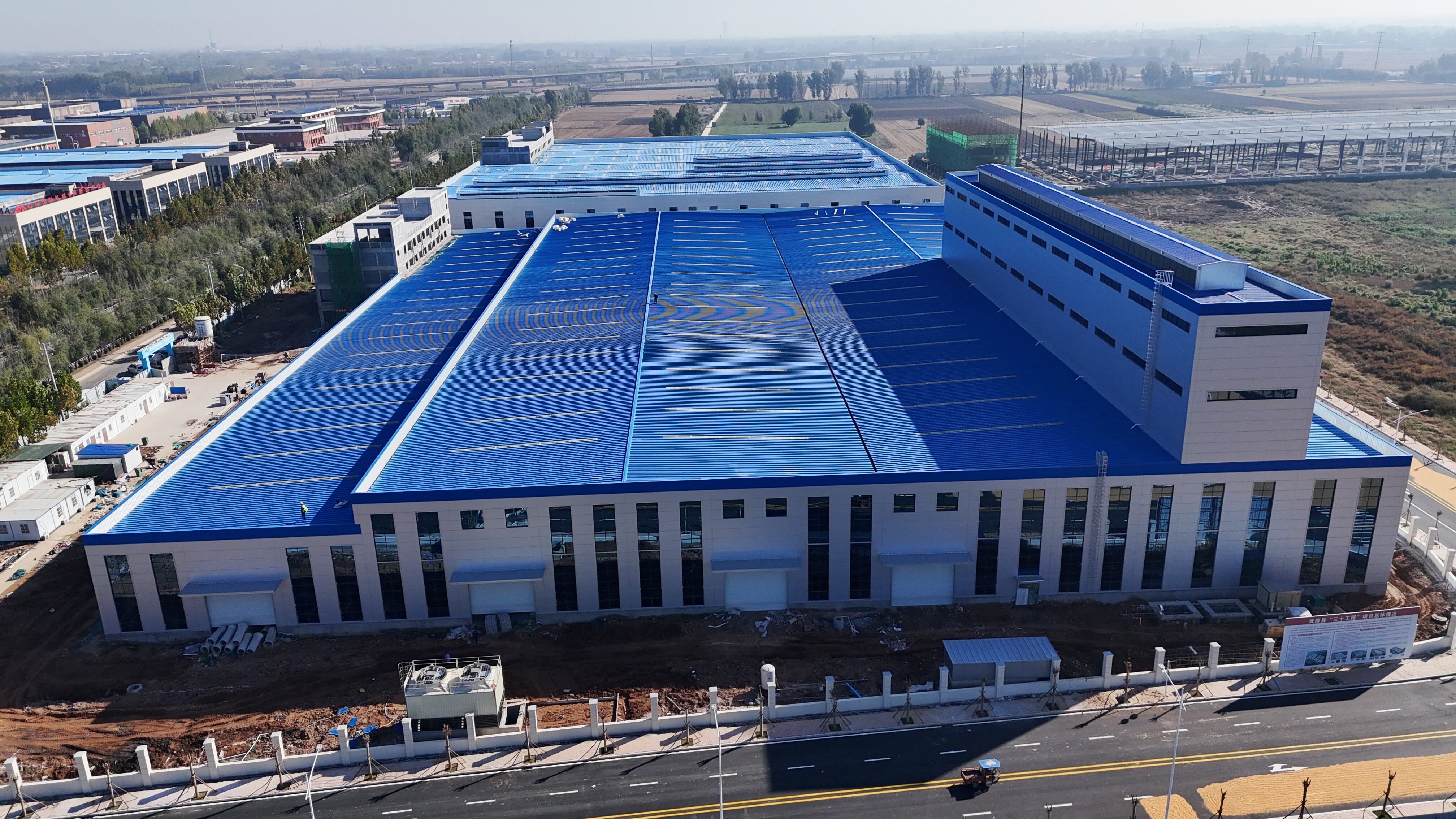
የቋሚነት፣ የሕይወት ርዝመት እና የአረንጓዴ የገንዘብ ምዝገባ የማጣመር ስርዓት
ብረት የሚያገለግልበት ጊዜ ረጅም ነው፣ በተስማሚ መንታይ ላይ ከ50 ዓመታት በላይ ይቆያል፣ እና ይህ የአካባቢ ጥራት ለማጠቀም እጅግ ጠቃሚ ነው ምክንያቱም የእሱ ተካፍል እና የресурс ፍጆታን ያቀንሳል። የዋና የአረንጓዴ የቤት ምዝገባ ስርተፊኬቶች፣ ለምሳሌ LEED፣ BREEAM እና ILFI የላይቪንግ ቤት ቻልጀንጅ፣ የትንሽ መንታይ፣ የትንሽ-ኤም የחומרים ፍጆታ፣ የተረጋገጠ ስራ በከፍተኛ አየር ሁኔታ እና የረጅም ጊዜ የሚቆይ በመጠቀም ብዙ ክሬዲቶች ይሰጣሉ። ብረቱ የሚቆይበት ጊዜ ረጅም ነው እና ከተስማሚ ፍጆታ በስተቀር አይበላሽም፣ እና ይህ የቤቱ ላይ የተደነገገው የረጅም ጊዜ የሚቆይ እና የሚስተካከል የቤቱ የተረጋገጠ የመቋቋም አቅም ጥሩ ነው። እንዲሁ ብረቱ የቤቱ ክስተቶች ላይ ትልቅ ዋጋ ይጨምራል። ይህ የተጠቃሚዎች ደህንነት፣ የመንታይ ምቾት እና የቤቱ ዋጋ ማሳካት የሚፈለገውን ውጤት ለማድረግ ይረዳል።
ተደጋጋሚ ጥያቄዎች
የተሰበሰበ ካርቦን ምንድን ነው?
የተሰበሰበ ካርቦን በቤቱ ውስጥ የሚጠቀሙ የחומרים የማስገባት፣ የማዘጋጀት እና የማስቀመጥ ጊዜ የሚለቀቀው የካርቦን ዳይኦክሳይድ መጠን ነው።
እንደ ሌሎች የተለየ ነገሮች ጋር በመነጻጸር ብረት የሚያስከትለው የተሰራ የካርቦን መጠን እንዴት ይቀንሳል?
ብረት የተሰራ የካርቦን መጠን ያቀንሳል ምክንያቱም በጣም ከፍተኛ የማገናዘብ ችሎታ አለው እና በEAF እና በሌሎች በጣም ውጤታማ ዘዴዎች ይጠቀማል ይህም የ CO₂ ም произведен ያቀንሳል።
ብረት የአፈፃፀም ማሻሻል ሳይቀር ማገናዘብ ይቻላል?
ብረት የሚኖረው በጣም የተለየ ባህሪ አንዱ ነው እንዲሁም የሙሉ ማገናዘብ ይቻላል የአፈፃፀም ማሻሻል ሳይቀር በስሩ ላይ የሚሰራ ነው።
በዳንኤል የገንዘብ ማቅረቢያ ውስጥ የብረት የተለየ ጥቅሞች ምንድናቸው?
የተቀንሰው ግዝቶች፣ የተሳካ የቅድመ-ተሰራ ስራ፣ የተቀላቀለ የማስወገድ ስራ የሚያስችል የማገናዘብ የሚቻል ቁሳቁስ፣ እና የፎቶቪoltaic ዘዴዎች በሁሉም የዳንኤል የቅድመ-ተሰራ ስራ የዳንኤል የገንዘብ ማቅረቢያ ጥቅሞች ይጠቀማሉ።
የብረት መዋቅሮች አማካይ ዕድሜ ምንድን ነው?
በተገቢ እንቆቅልሽ ጋር ብረት መዋቅሮች ከ 50 ዓመታት በላይ ይቆያሉ፣ ይህም ለተቀጠረ ጥቅም በጣም ጥሩ ነው፣ ምክንያቱም በተጨማሪ ጊዜ በስተቀር ማስተካከል ይቻላል እና የቁሳቁስ/የተጠቀመው ሃይል ጥቅም ይቀንሳል።