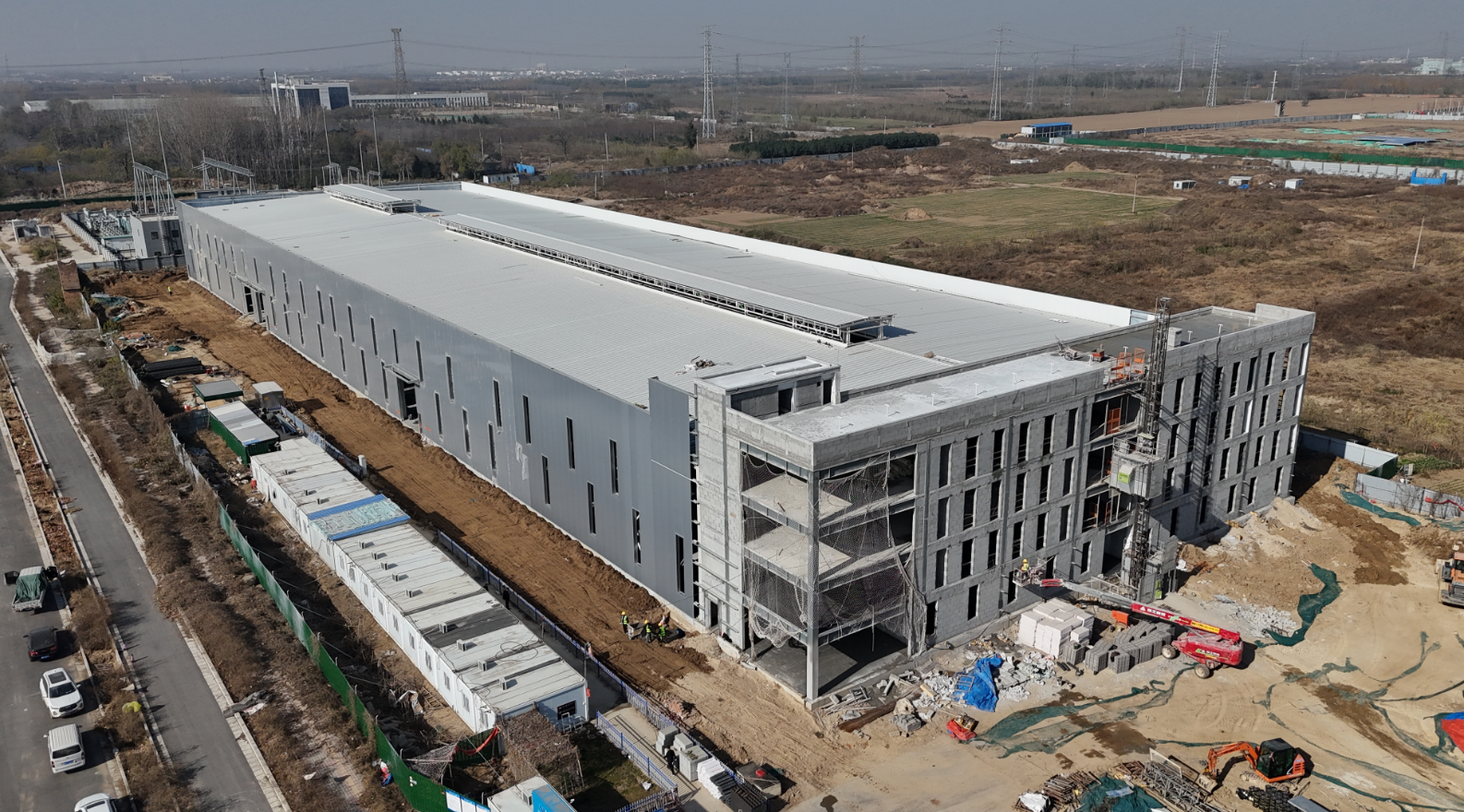
Upfront Cost Savings: Material, Labor, and Waste Reduction
The initial capital outlay for a warehouse defines the project’s financial feasibility—and a prefabricated approach fundamentally reshapes this equation. Traditional construction often suffers from volatile material pricing and inefficient on-site processes, but pre-engineered systems discipline costs from day one. Savings arise primarily from precision manufacturing and streamlined assembly—two levers that eliminate the most common sources of budget overrun.
Lower Material Costs Through Standardized Steel Components
Prefabricated warehouse frames are designed using advanced structural software that optimizes every pound of steel to match exact load requirements—cutting total tonnage significantly compared to conventional methods, which over-specify materials to compensate for field variability. Standardized connections and secondary members further reduce scrap: while traditional sites generate 15–20% waste in cut-offs and damaged materials (plus associated disposal fees), factory-controlled production achieves near-zero off-cut loss. You pay only for what’s installed—not for debris.
Reduced Labor Expenses from Off-Site Fabrication and Rapid On-Site Assembly
Labor is construction’s largest variable cost—and prefabrication transforms it. Complex tasks like welding and framing occur efficiently in the shop, where skilled labor rates run 30–50% lower than on-site equivalents (Construction Industry Institute, 2023). On-site work becomes highly disciplined: bolting together pre-cut, pre-punched, and clearly labeled components slashes crew hours and eliminates weather delays, idle equipment, and subcontractor coordination chaos. Shifting 60% of labor off-site directly compresses both schedule and payroll—delivering predictable, quantifiable savings.
Time-Driven Savings: Accelerated Timeline and Reduced Overhead
Cutting Construction Time by 30–50% and Its Direct Cost Impact
Prefabricated warehouses consistently complete 30–50% faster than stick-built alternatives (Construction Industry Institute, 2023)—a difference that translates into hard-dollar savings across multiple cost categories. Shorter timelines mean fewer labor hours, reduced equipment rentals, and less site supervision. Crucially, they also shrink construction loan draw periods: eliminating one month from a $500,000 project can save $10,000–$15,000 in interest alone. And earlier occupancy unlocks revenue faster—a warehouse operational 60 days sooner generates two additional months of rental income or throughput, accelerating break-even.
| Cost Category | Typical Saving Mechanism | Estimated Impact |
|---|---|---|
| Labor & Supervision | Off‑site fabrication reduces on‑site crew hours; fewer superintendent days | 20–40% reduction in labor budget |
| Financing | Shorter draw period lowers interest accrual | ~$10,000–$15,000 per month saved |
| Early Occupancy | Revenue generation begins sooner | 2–3 months of additional income |
Avoiding Hidden Delays: Weather, Permitting, and Coordination Savings
Prefabrication neutralizes many of construction’s stealth cost drivers. Components are manufactured indoors—removing weather-related stoppages entirely. Pre-engineered steel systems are designed to align with standardized building codes, streamlining permitting and reducing review cycles. Integrated design and fabrication ensure all members, connections, and accessories are precisely modeled and produced before delivery—virtually eliminating field conflicts and change orders. These efficiencies preserve contingency funds, maintain schedule integrity, and free up management focus for strategic priorities.
Long-Term Warehouse ROI: Lifecycle Costs and Operational Efficiency
Lower Maintenance and Energy Costs of Modern Prefab Steel Warehouses
Modern prefab steel warehouses deliver long-term value through durability and energy-smart design. Steel resists rot, pests, and fire—reducing annual maintenance by half over 30 years compared to conventional materials (Whole Building Design Guide, 2022). That equates to just $0.25 per square foot annually versus $0.50 for wood-frame structures (Building Owners and Managers Association, 2023).
Energy performance compounds those gains. Reflective “cool” roofing rejects up to 70% of solar radiation, lowering peak cooling demand by 10–15% (Metal Construction Association, 2022). Paired with high-R-value insulation and daylighting via skylights, these features cut lighting and HVAC loads substantially. As the U.S. Department of Energy confirms, effective insulation and air sealing can reduce warehouse energy use by 20–30% (DOE, 2022)—with full payback on energy upgrades typically achieved in three to five years.
Scalability and Adaptability: Future-Proofing Your Warehouse Investment
Prefab steel warehouses are inherently adaptable—supporting evolving operations without demolition or major reconstruction. Clear-span framing enables flexible reconfiguration of racking, storage layouts, and mezzanines. Modular bolt-together connections simplify expansion: adding bays or extending length requires no structural overhaul. According to the American Institute of Steel Construction, this adaptability can cut future expansion costs by 40% versus traditional construction (AISC, 2023). That flexibility protects your initial investment—deferring or eliminating the need for replacement buildings and strengthening long-term capital return.
FAQ
What are the key benefits of using prefabricated steel warehouses?
Prefabricated steel warehouses reduce upfront costs through efficient material use, lower labor expenses, and near-zero waste. Additionally, they offer time-driven savings by accelerating construction timelines and lowering financing costs.
How does prefabrication impact long-term maintenance costs?
Steel warehouses resist rot, pests, and fire, cutting annual maintenance costs by half compared to conventional materials. They are also energy-efficient, reducing HVAC and lighting expenses significantly.
Can prefabricated warehouses be expanded in the future?
Yes, prefab steel warehouses are inherently adaptable, allowing for seamless expansion and reconfiguration without significant structural changes or demolition.
How does prefabrication eliminate hidden construction delays?
Components are manufactured indoors to avoid weather-related delays. Standardized building designs streamline permitting processes and eliminate field conflicts, saving time and contingency funds.
What are the energy-saving features of prefab steel warehouses?
Energy-efficient features include reflective roofing, high-R-value insulation, and skylights for daylighting, which collectively reduce energy consumption by up to 30%.
Table of Contents
- Upfront Cost Savings: Material, Labor, and Waste Reduction
- Time-Driven Savings: Accelerated Timeline and Reduced Overhead
- Long-Term Warehouse ROI: Lifecycle Costs and Operational Efficiency
-
FAQ
- What are the key benefits of using prefabricated steel warehouses?
- How does prefabrication impact long-term maintenance costs?
- Can prefabricated warehouses be expanded in the future?
- How does prefabrication eliminate hidden construction delays?
- What are the energy-saving features of prefab steel warehouses?