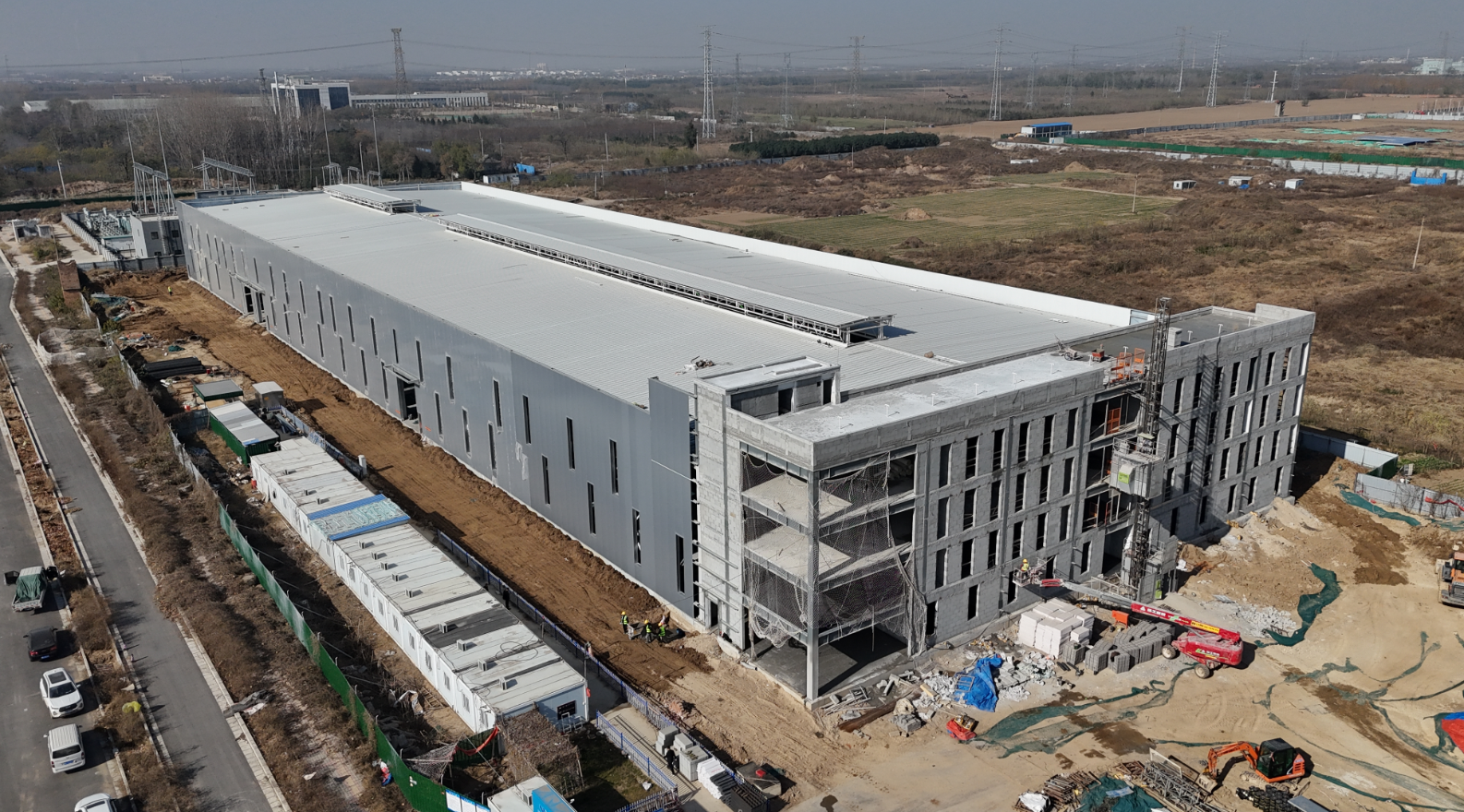
Upfront Cost Savings: Material, Labor, and Waste Reduction
How much a warehouse costs to build directly dictates whether an industrial project is financially viable. Prefabricated structures have fundamentally shifted this economic equation. Traditional construction projects frequently suffer from severe cost overruns driven by on-site labor inefficiencies, unpredictable weather delays, and material waste. Prefabricated steel construction mitigates these risks by transferring the core building processes from the field into a highly controlled, factory-style manufacturing environment.
1. Material and Labor Cost Reductions via Standardized Steel Engineering
Steel Tonnage Optimization
Advanced structural engineering software allows manufacturers to design pre-engineered steel buildings with optimal structural efficiency. By analyzing load distributions and calculating exact stress tolerances, engineers can minimize steel tonnage without sacrificing structural integrity, resulting in a lighter building and reduced raw material expenses.
Waste Minimization
Traditional on-site construction often involves significant field modification, leading to high scrap rates and disposal fees. In contrast, factory-controlled prefabrication utilizes computerized cutting and nesting technology to maximize material yield. Primary and secondary structural members are manufactured to precise lengths, ensuring zero field-cutting and eliminating waste disposal costs.
2. Time-Driven Savings: Accelerated Schedules and Reduced Financing Overhead
The Cost of Construction Delays
According to data from the Construction Industry Institute (CII), pre-engineered steel warehouses decrease total construction schedules by 30% to 50% compared to traditional stick-built methods. This drastic compression of the construction timeline delivers direct financial benefits across multiple operational areas:
-
Labor and Supervision Savings: Reduced on-site assembly hours and fewer superintendent days can lead to a 20% to 40% saving in field labor costs.
-
Project Financing Savings: Accelerated construction translates to shorter draw periods on construction loans, resulting in a $10,000 to $15,000 saving in accrued interest based on a typical $500,000 loan.
-
Early Occupancy Advantage: Fast-track occupancy allows businesses to generate revenue 2 to 3 months ahead of schedule, speeding up logistics and production payback.
Mitigating Hidden Project Delays
On-site construction is highly vulnerable to external disruptions, such as inclement weather, unexpected field coordination issues, and complex permitting processes. Prefabrication addresses these variables before components arrive at the job site. Because all structural components are pre-punched, pre-drilled, and pre-welded in the factory, field assembly becomes a predictable, mechanical process that can proceed even in adverse weather conditions.
3. Long-Term Warehouse ROI: Lifecycle Maintenance and Energy Performance
30-Year Lifecycle Cost Reductions
The initial construction price is only a fraction of a warehouse's total lifecycle cost. Prefabricated steel warehouses offer excellent long-term durability with minimal maintenance requirements.
-
Maintenance Savings: Data from the Building Owners and Managers Association (BOMA) shows that steel structures maintain a 50% reduction in maintenance costs over a 30-year lifecycle compared to conventional wood-frame or masonry structures. This lowers average maintenance expenses to just $0.25 per square foot, compared to $0.50 per square foot for wood-frame alternatives.
-
Environmental Resistance: Steel is inherently immune to dry rot, structural warping, termite infestation, and mold growth. This resistance drastically lowers insurance premiums and long-term structural repair bills.
Advanced Thermal and Energy Efficiency
Operational energy costs represent a significant ongoing expense for logistics and distribution facilities. Modern pre-engineered steel warehouses integrate advanced thermal technologies to minimize HVAC loads:
-
Reflective Cool Roofs: These systems reduce solar heat gain and peak cooling loads by 10% to 15%.
-
High R-Value Insulation: Precision sealing and advanced insulation panels create a continuous thermal barrier, lowering overall heating and cooling energy usage by 20% to 30%.
-
Daylighting Systems: Incorporating natural skylights reduces artificial lighting consumption during daytime operations.
The U.S. Department of Energy (DOE) notes that combining high-efficiency insulation with precision sealing leads to major energy savings, with typical payback periods for these upgrades ranging between 3 to 5 years.
4. Structural Scalability: Future-Proofing Industrial Investments
Column-Free Clear-Span Engineering
Pre-engineered steel designs allow for massive clear-span interiors without internal load-bearing columns. This open layout offers maximum flexibility for configuring high-density racking, automated storage and retrieval systems (ASRS), and mezzanine installations.
Modular Expansion and Adaptability
As supply chains evolve, warehouse spaces must adapt. Pre-engineered steel buildings are designed with modular connections that allow for straightforward structural modifications. Bolted connections at the end-frames facilitate rapid extension of the warehouse length or height. According to the American Institute of Steel Construction (AISC), utilizing modular steel designs reduces future expansion costs by up to 40% compared to modifying traditional concrete or brick-and-mortar structures.
Partner with a Leader in Industrial Steel Solutions
Maximizing the financial return on an industrial building requires a combination of precise engineering, lean manufacturing, and fast execution.
With over 25 years of experience as a leading steel structure integrator, Weilan delivers comprehensive, end-to-end solutions for high-performance warehouses, workshops, and logistics centers. From initial structural design and factory prefabrication to rapid on-site installation and maintenance support, Weilan optimizes every phase of your project to ensure structural safety, regulatory compliance, and rapid ROI.
Contact the engineering team at Weilan today to get a customized, cost-optimized structural proposal for your next warehouse project.
Frequently Asked Questions (FAQ)
What are the main cost benefits of prefabricated steel warehouses?
Prefabricated steel buildings reduce total project costs by optimizing material usage, cutting on-site labor hours, and reducing construction waste. The shortened construction schedule also lowers interest payments on construction loans and allows for early business occupancy.
How do steel warehouses reduce long-term maintenance costs?
Unlike wood or concrete, structural steel is resistant to moisture damage, wood rot, cracking, and pests. This durability reduces ongoing maintenance and repair costs by up to 50% over the building’s lifecycle.
Can prefabricated steel buildings be expanded or modified?
Yes. Pre-engineered steel structures utilize modular bolted connections, allowing owners to easily extend the building's length, adjust heights, or add mezzanines with minimal disruption and at a 40% lower cost than traditional construction expansion methods.
How does prefabrication prevent field delays?
Since all fabrication occurs in a controlled factory environment, fabrication schedules are unaffected by weather. On-site work is reduced to rapid assembly of pre-fitted parts, virtually eliminating field welding, drilling errors, and coordination conflicts.
What energy-efficient features can be integrated into steel warehouses?
Pre-engineered warehouses can be equipped with reflective cool roof panels, high-performance insulation, and daylighting skylights. These features work together to reduce operational heating, cooling, and lighting energy consumption by up to 30%.
Table of Contents
- Upfront Cost Savings: Material, Labor, and Waste Reduction
- 1. Material and Labor Cost Reductions via Standardized Steel Engineering
- 2. Time-Driven Savings: Accelerated Schedules and Reduced Financing Overhead
- 3. Long-Term Warehouse ROI: Lifecycle Maintenance and Energy Performance
- 4. Structural Scalability: Future-Proofing Industrial Investments
- Partner with a Leader in Industrial Steel Solutions
-
Frequently Asked Questions (FAQ)
- What are the main cost benefits of prefabricated steel warehouses?
- How do steel warehouses reduce long-term maintenance costs?
- Can prefabricated steel buildings be expanded or modified?
- How does prefabrication prevent field delays?
- What energy-efficient features can be integrated into steel warehouses?