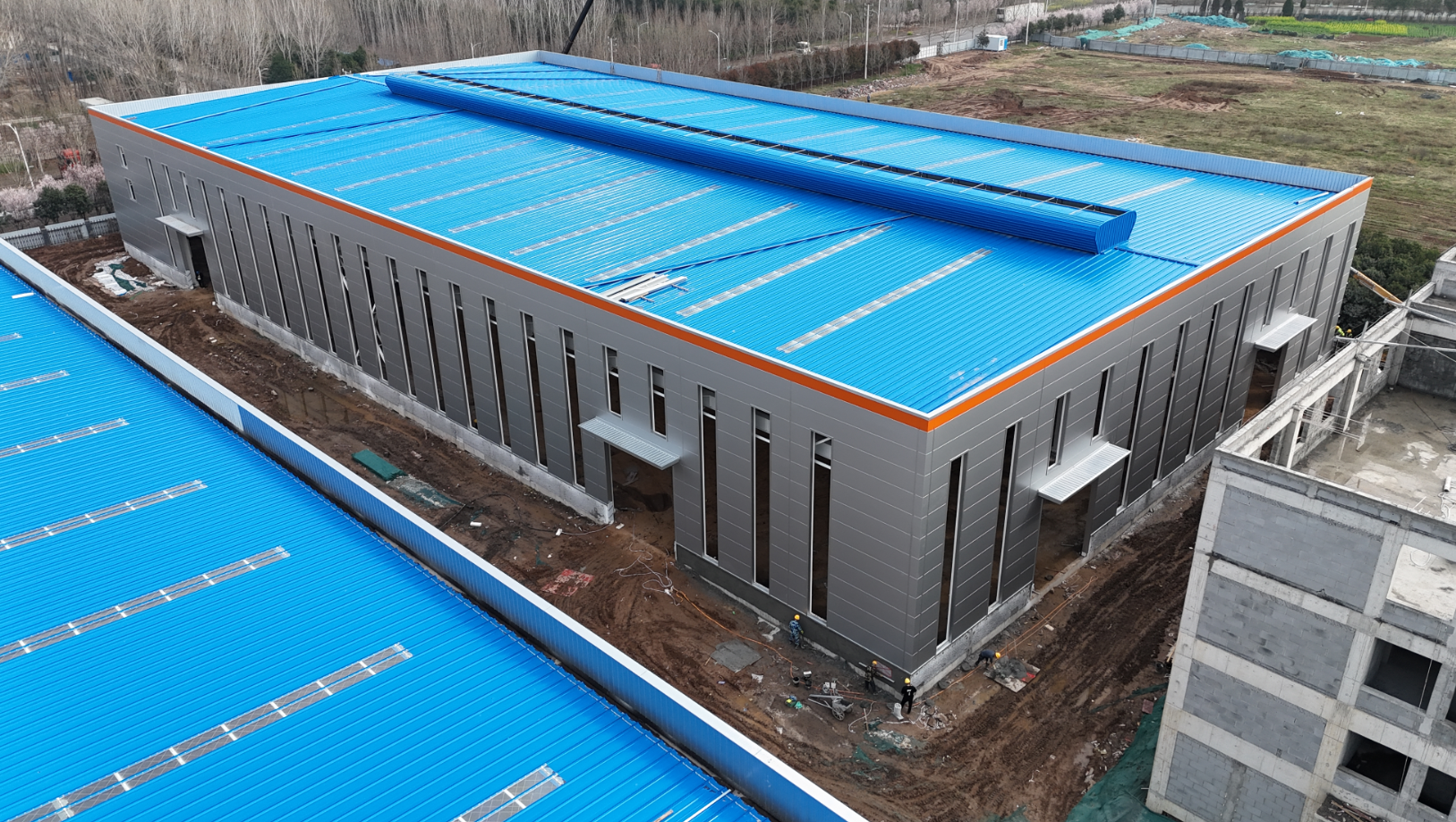
The stability of a Steel Frame Structure during the construction phase is a high-stakes balancing act. Gravity, wind loads, and seismic considerations mean that a frame is at its most vulnerable before the final enclosure is completed. Achieving structural integrity requires a rigorous approach to base connection and early-stage load distribution. A project is only as strong as its connection to the earth, and ignoring the precision of foundation-to-steel interfaces often leads to costly realignment efforts later in the build.
Bolting Down for Long-term Resilience
Base plates and anchor bolts act as the primary defense against lateral movement. If the base plate is not perfectly leveled or if the anchor bolts lack the specified embedment depth, the entire Steel Frame Structure will suffer from instability. Ensuring that the concrete slab has reached its design strength before steel erection begins is the first step in a safe build. Proper shimming and high-strength grout packing beneath base plates ensure that vertical loads are transferred evenly into the foundation.
| Component | Function in Stability | Critical Failure Point |
| Base Plate | Load Distribution | Uneven grouting causing point loading |
| Anchor Bolt | Tension Resistance | Improper embedment or thread stripping |
The Vital Role of Lateral Bracing
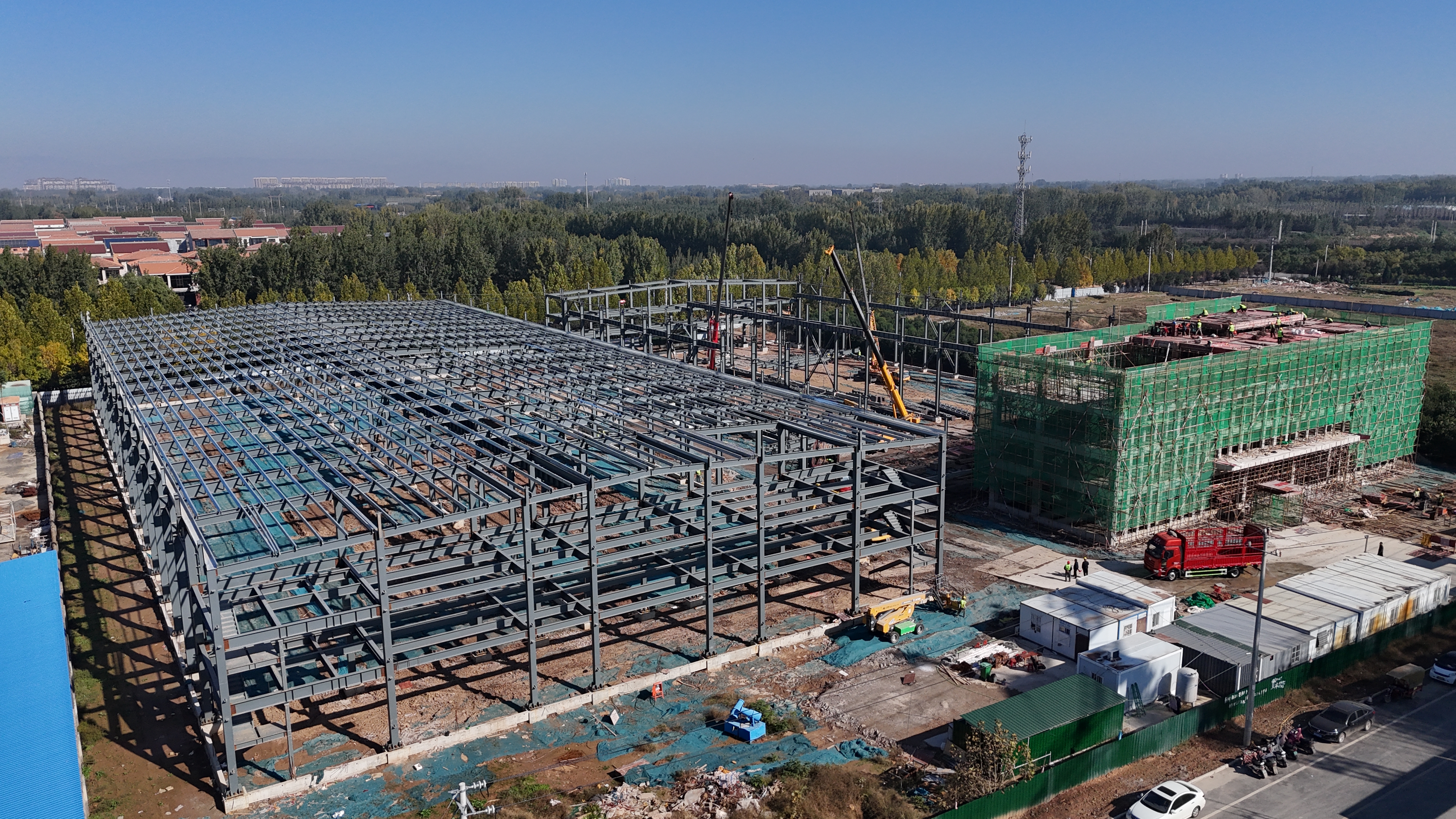
During the assembly of a Steel Frame Structure, the frame acts like a giant set of linked levers. Without temporary guying or permanent X-bracing, even a moderate wind gust can induce catastrophic buckling. Professional erectors prioritize the installation of plumb lines and temporary braces immediately after setting the first bay. This bracing system creates a "rigid box" that allows the structure to resist forces that would otherwise cause a collapse during the intermediate stages of construction.
Precision in Connections and Torque
The strength of a Steel Frame Structure relies heavily on the connection points—the joints where beams meet columns. Field bolting requires strict adherence to tightening sequences and torque specifications. If bolts are under-torqued, they fail to provide the clamping force necessary for structural friction; if over-torqued, the bolts become brittle and prone to snapping. Expert crews employ calibrated hydraulic wrenches and visual indicators to ensure every connection meets modern engineering standards.
| Connection Method | Benefit | Requirement |
| High-Strength Bolting | Predictable Tension | Calibrated torque tools |
| Full Penetration Welding | Ultimate Rigidity | Certified ultrasonic testing |
Material Quality and Environmental Preparedness
A Steel Frame Structure is only as reliable as the steel used to build it. Sourcing high-grade, certified structural sections is paramount, as substandard steel often contains inconsistencies that compromise welding integrity. Furthermore, protecting the frame from humidity and temperature fluctuations during the build is essential. Applying protective primers and monitoring the environmental conditions during the installation of connections prevents latent corrosion. Advanced supply chain solutions, such as those provided by Steel Warehouses, ensure that all structural components arrive on-site with verified chemistry and dimensional accuracy, reducing the risk of field modifications.
Building Success Through Reliable Partnerships
Construction safety is an ongoing commitment to precision and collaboration. From the initial engineering sketches to the final tightening of a bolt, every action influences the lifespan of the building. By choosing high-quality materials and coordinating with experienced supply partners like Steel Warehouses, project managers mitigate the risks of structural instability. Reliable fabrication and consistent supply chain management remain the most effective tools for delivering a Steel Frame Structure that stands the test of time, weather, and structural demand.