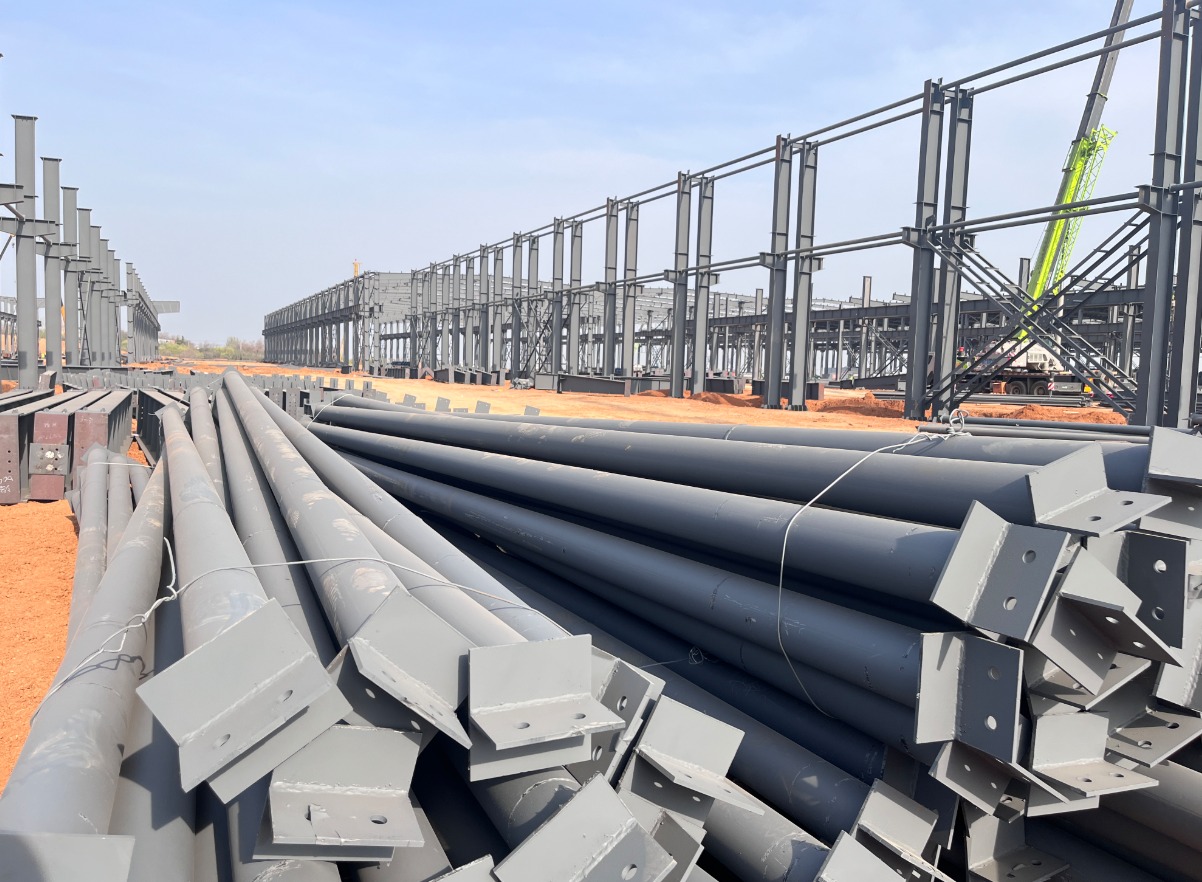
Quality control in the production of a Prefabricated Steel Building is not just about checking welds; it is about building trust into every beam, column, and joint. In modern industrial construction, speed is often prioritized, but without rigorous QC protocols, the long-term integrity of the structure can be compromised. Achieving excellence requires a seamless integration of precision engineering, material testing, and skilled craftsmanship that starts well before the materials reach the construction site.
Precision Begins in the Digital Realm
The most effective way to prevent defects is to design them out of the process entirely. Advanced Building Information Modeling (BIM) and Computer-Aided Design (CAD) are the first lines of defense. By creating a digital twin of every Prefabricated Steel Building, engineers can simulate structural loads and identify potential conflicts in geometry before fabrication begins. This digital rigor ensures that when steel components arrive at the site, they fit together with absolute precision, eliminating the need for on-site "fixes" that can weaken the steel’s protective coatings.
| QC Phase | Focus Area | Impact on Final Structure |
| Pre-Fabrication | BIM/CAD Simulation | Eliminates design-related rework |
| In-Process | CNC Accuracy | Ensures exact structural tolerance |
| Final Inspection | Dimensional Verification | Guarantees seamless site assembly |
Sourcing Integrity and Material Testing
The quality of a structure is limited by the quality of its raw materials. High-grade steel must undergo rigorous testing to ensure its chemical composition and mechanical properties—such as yield strength and ductility—meet global safety codes. Reputable manufacturers verify certifications for every batch of steel, often conducting independent non-destructive testing (NDT) on critical connections. This transparency ensures that the building won't just stand under current loads, but will remain resilient against environmental stressors like high winds, seismic activity, and heavy snow loads.
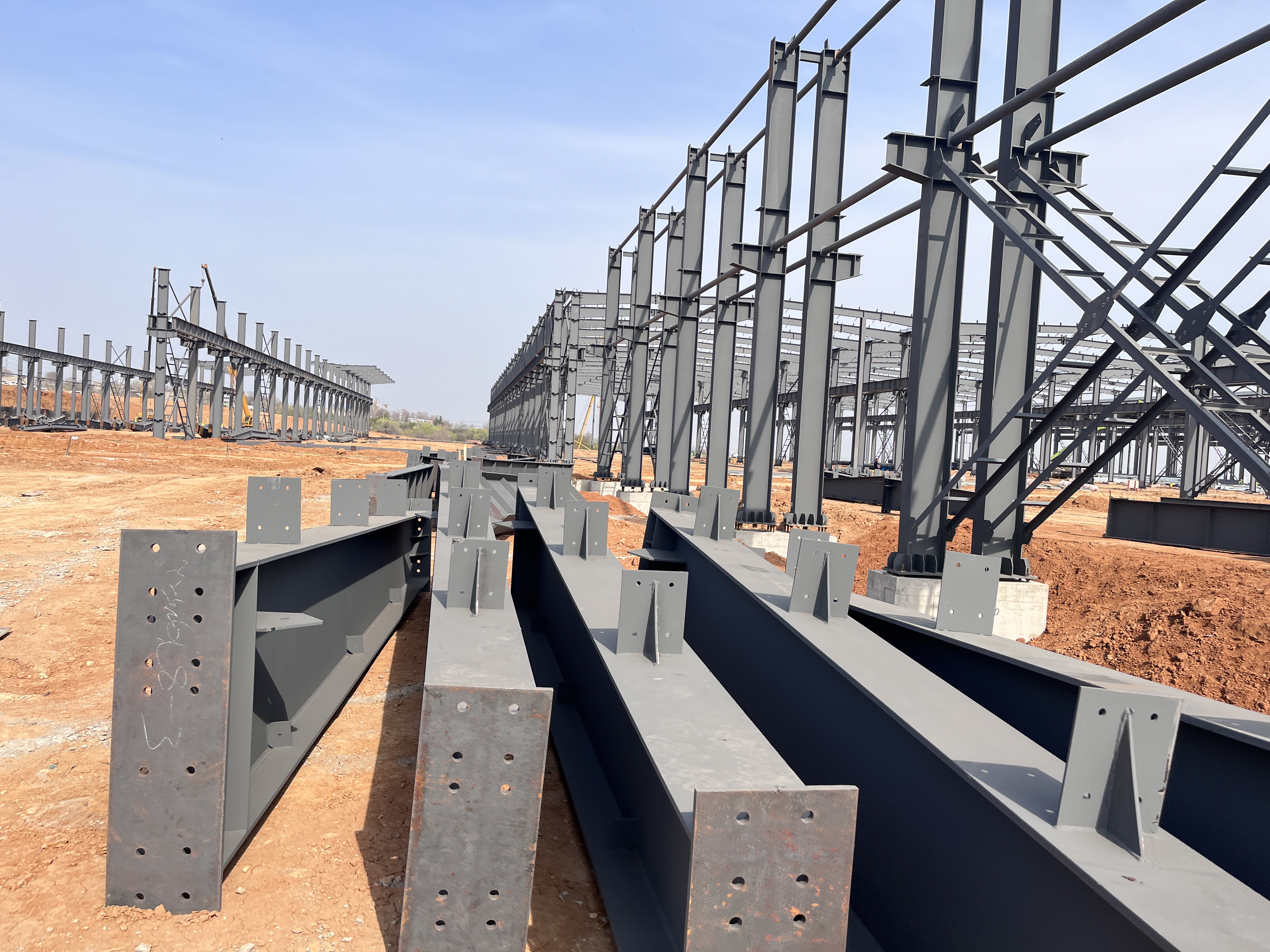
Workshop Excellence through Advanced Technology
Modern fabrication facilities have shifted from manual labor to high-precision automation. Robotic welding systems provide a level of consistency that is humanly impossible to replicate, ensuring every weld is uniform, deep-penetrating, and free of structural micro-cracks. Automated CNC cutting machines further enhance this by ensuring that all bolt holes and profiles are perfectly aligned. This transition to technology-driven fabrication is the secret to scaling large industrial projects without sacrificing the structural integrity that safety standards demand.
| Technology | Application | Quality Benefit |
| Robotic Welding | Structural Joints | Uniformity and weld penetration |
| CNC Machining | Profile Cutting | Dimensional accuracy |
| Automated Inspection | Surface Treatment | Protects against corrosion |
Delivering Unmatched Engineering Standards
Ensuring high standards across complex infrastructure projects requires more than just machines; it requires a partner with deep technical expertise and a robust, transparent supply chain. Steel Warehouses stands as a leader in this domain, providing engineered solutions that emphasize durability, precision, and safety. By integrating automated fabrication technology with stringent inspection protocols, Steel Warehouses ensures that every Prefabricated Steel Building fulfills the promise of long-term operational success. For owners and developers seeking a partner capable of handling the most demanding industrial requirements, Steel Warehouses provides the proven reliability necessary to turn blueprints into enduring physical assets.