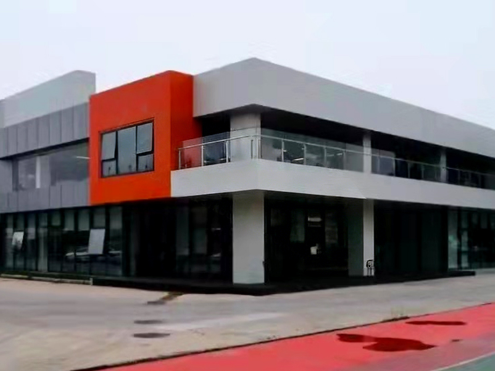
Corrosion Dynamics in Structural Steel Envelopes
Industrial structural steel elements present exceptional tensile strength and design versatility, yet environmental factors present a continuous electrochemical threat. Oxidation occurs when bare iron molecules react with oxygen and moisture, leading to the formation of iron oxide, commonly known as rust. If left unmanaged, this corrosion cycle progressively degrades structural steel thickness, compromising the safe load-bearing capacity of a Metal Building. Implementing engineering controls and systematic preventative measures preserves commercial assets and extends structural lifespans significantly.
Corrosion Control through Structural Galvanization and Barrier Coatings
The Chemistry of Hot-Dip Galvanization
Hot-dip galvanization represents the most robust metallurgical defense against steel oxidation. This process involves immersing structural steel components in a bath of molten zinc at temperatures around 840 degrees Fahrenheit. The zinc reacts metallurgically with the base steel, forming a series of zinc-iron alloy layers topped by a pure zinc outer layer. This coating provides dual protection: a durable physical barrier that blocks oxygen and moisture, and sacrificial galvanic protection, wherein the zinc corrodes preferentially to shield the underlying steel.
Advanced Polymeric and Epoxide Barrier Systems
For facilities exposed to highly corrosive industrial chemical atmospheres or coastal marine salt air, additional protective layers are required. Industrial painters apply multi-coat high-performance paint systems, starting with a zinc-rich epoxy primer. This base layer is followed by an intermediate epoxy coat to build dry film thickness, and finished with an aliphatic polyurethane topcoat. This polyurethane outer layer delivers superior resistance to ultraviolet degradation and chemical splashes, ensuring long-term aesthetic and physical defense.
Coating System
ASTM Standard Reference
Primary Protection Mechanism
Ideal Environment
Hot-Dip Galvanizing
ASTM A123
Sacrificial zinc-iron alloy barrier
High-humidity logistics hubs
Zinc-Rich Primers
ASTM D520
Cathodic protection under paint
Chemical processing facilities
Polyurethane Finishes
ASTM D4541
UV-resistant hydrophobic seal
Direct exterior exposure
| Coating System | ASTM Standard Reference | Primary Protection Mechanism | Ideal Environment |
|---|---|---|---|
| Hot-Dip Galvanizing | ASTM A123 | Sacrificial zinc-iron alloy barrier | High-humidity logistics hubs |
| Zinc-Rich Primers | ASTM D520 | Cathodic protection under paint | Chemical processing facilities |
| Polyurethane Finishes | ASTM D4541 | UV-resistant hydrophobic seal | Direct exterior exposure |
Scenario Background: Marine Logistics Depot
An international logistics provider constructed a 50,000-square-foot shipping terminal located within two miles of a salt-water port in the Gulf Coast region. The facility handled high-frequency shipping container transfers, requiring large open bays exposed constantly to marine sea spray, high ambient humidity, and intense subtropical sunlight.
Challenges in Marine Atmospheres
The combination of airborne chlorides and high humidity created a highly corrosive environment categorized as C5-M under International Organization for Standardization rules. Standard structural steel framing would begin exhibiting red rust within twelve months under these conditions, leading to rapid deterioration of fasteners and secondary framing members. This deterioration presented a significant risk of structural failure and high maintenance costs.
Engineered Solution
The engineering specifications mandated a custom-engineered Metal Building featuring fully hot-dip galvanized structural framing complying with American Society for Testing and Materials standards. All wall and roof cladding utilized high-tensile galvanized steel cladding coated with a specialized polyvinylidene fluoride polymer finish. Fasteners were upgraded to grade 316 stainless steel with integrated EPDM washers, and an active ridge ventilation system was installed to eliminate humid interior air.
Measurable Operational Outcomes
An independent structural engineering audit conducted five years post-construction revealed zero signs of red rust or coating delamination across the primary and secondary framing. The high-performance PVDF coating maintained its color integrity and hydrophobic properties despite constant exposure to salt air and intense UV radiation. The proactive deployment of galvanized steel cladding and stainless steel fasteners reduced annual structural maintenance expenditures by 85 percent compared to standard painted structures in the same region.
Moisture Management and Environmental Engineering
Condensation Control Systems and Thermal Breaks
Internal condensation occurs when warm, humid indoor air contacts cool metal surfaces, reaching its dew point. To prevent this moisture accumulation, engineers specify high-grade condensation control systems, including vapor-sealed fiberglass insulation blankets. Installing non-conductive thermal spacer blocks between the metal purlins and the outer roof panels creates a critical thermal break, preventing cold bridging and subsequent moisture condensation.
Optimized Natural and Mechanical Ventilation Design
Constant airflow is crucial for drying any moisture that enters a structure. Commercial buildings utilize a combination of continuous ridge ventilators and intake wall louvers to create a natural convective chimney effect. In high-humidity environments, mechanical exhaust fans regulated by humidistats ensure that interior relative humidity remains below 50 percent, effectively halting the electrochemical processes required for rust formation.
Warm Moist Air Rises --> Continuous Ridge Vents --> Exhausted Outdoors
                                     ^
                                     |
Interior Floor Space ----> Controlled Air Flow
                                     ^
                                     |
Fresh Dry Air Inflow --> Intake Wall Louvers
Precision Drainage and Perimeter Grading
Standing water at the base of a structural column presents an immediate corrosion risk. Concrete foundations must feature a finished elevation that slopes away from the structural base plates. Downspouts and gutters must be sized to handle localized peak rainfall intensity, directing storm water runoff at least ten feet away from the perimeter foundation to prevent pooling around the structural steel base connections.
Systematic Maintenance and Inspection Protocols
Structural Audits and Torque Verification
Facility operators must establish a rigid preventative industrial steel upkeep program. Annual inspections must include a visual examination of all structural bolt connections, ensuring that tension control bolts maintain their designed torque. Any loose bolts must be replaced or tightened to comply with Research Council on Structural Connections specifications, preventing moisture from pooling inside bolt holes.
Professional Washing and Surface Cleansing
Accumulated atmospheric salts, soot, and organic debris retain moisture on metal surfaces, accelerating localized corrosion. Washing the exterior metal wall panels annually with low-pressure water and a mild, biodegradable detergent removes these corrosive deposits. Special attention should be paid to sheltered areas, such as the undersides of eaves and trim profiles, where natural rainfall cannot wash away salt deposits.
Frequently Questions and Expert Answers
Frequently Questions
Question
How often should the structural components of a metal building be inspected for rust?
Answer
Facility managers should perform comprehensive structural inspections twice per year, ideally during spring and autumn. Inspections must target moisture-prone areas including base plates, roof penetrations, gutter connections, and lap joints. Detecting minor coating compromises early allows for cost-effective localized repairs before structural steel thickness is affected.
Question
What is the difference between standard paint and PVDF coatings for metal panels?
Answer
Standard polyester paints offer basic color styling but degrade relatively quickly under intense UV exposure and chemical atmospheres. Polyvinylidene fluoride (PVDF) coatings feature strong carbon-fluorine chemical bonds that provide superior resistance to chalking, fading, chemical attack, and moisture penetration, offering exceptional long-term corrosion protection.
Question
Can existing rust on a Metal Building be halted without replacing the steel panels?
Answer
Yes, localized surface rust can be remediated without component replacement if the structural steel thickness remains within safe design limits. The process requires mechanical wire brushing or abrasive blasting to remove loose oxidation, followed by the application of an active chemical rust converter and a high-performance zinc-rich primer system.
Question
Why are stainless steel fasteners recommended over standard carbon steel fasteners?
Answer
Fasteners represent a critical point of potential structural failure. Standard carbon steel fasteners can experience rapid galvanic corrosion when in contact with dissimilar metals in damp conditions. Grade 316 stainless steel fasteners offer excellent resistance to chlorides and acidic environments, ensuring the structural connections remain secure for decades.
Question
How does interior relative humidity affect the corrosion rate of structural steel?
Answer
Atmospheric corrosion of steel remains negligible when the relative humidity is kept below 50 percent. Once relative humidity exceeds 60 percent, a microscopic film of moisture forms on the steel surface, acting as an electrolyte that accelerates electrochemical oxidation. Installing active ventilation and insulation controls humidity to protect the structure.
Table of Contents
- Corrosion Dynamics in Structural Steel Envelopes
- Corrosion Control through Structural Galvanization and Barrier Coatings
- Coating System ASTM Standard Reference Primary Protection Mechanism Ideal Environment Hot-Dip Galvanizing ASTM A123 Sacrificial zinc-iron alloy barrier High-humidity logistics hubs Zinc-Rich Primers ASTM D520 Cathodic protection under paint Chemical processing facilities Polyurethane Finishes ASTM D4541 UV-resistant hydrophobic seal Direct exterior exposure Coastal Commercial Warehouse Case Study
- Moisture Management and Environmental Engineering
-
Warm Moist Air Rises --> Continuous Ridge Vents --> Exhausted Outdoors ^ | Interior Floor Space ----> Controlled Air Flow ^ | Fresh Dry Air Inflow --> Intake Wall Louvers - Systematic Maintenance and Inspection Protocols
- Frequently Questions and Expert Answers <