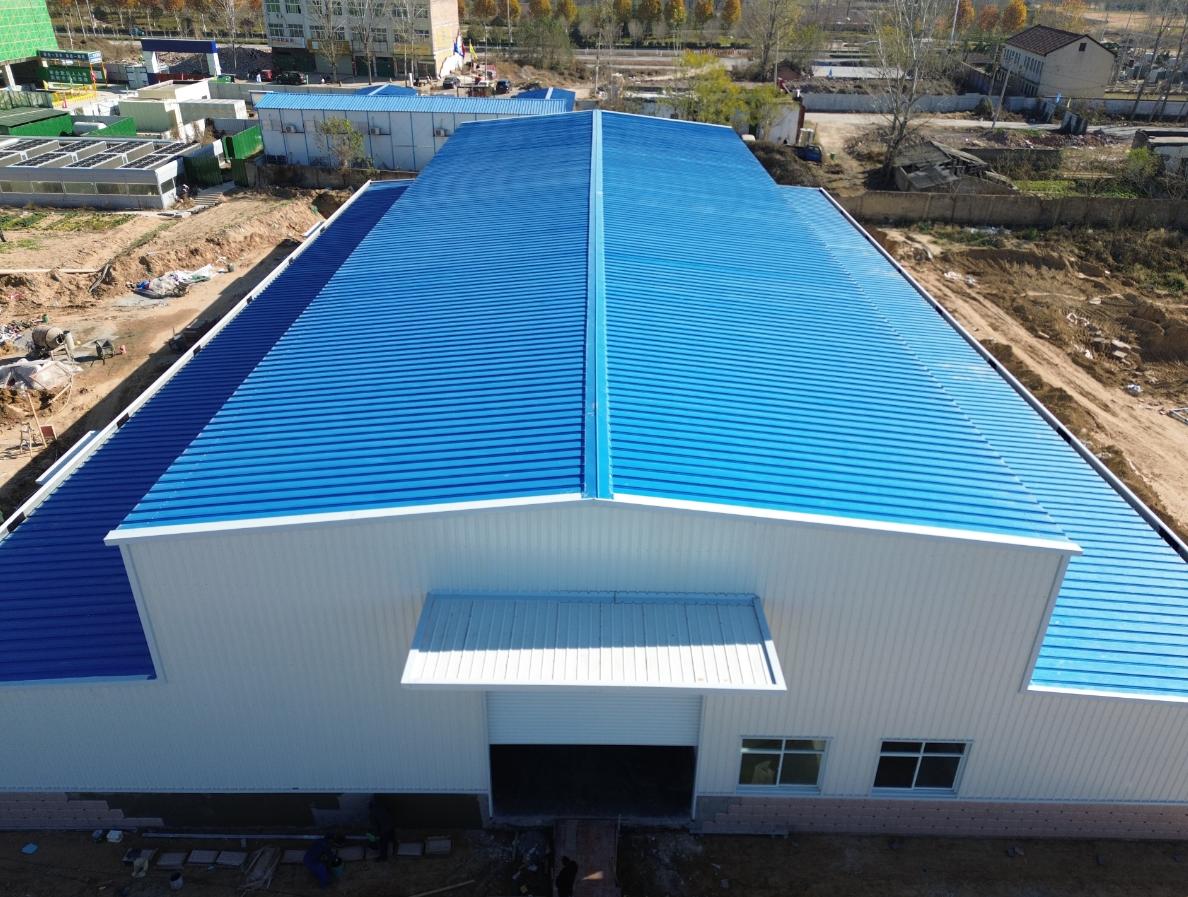
Size and Design of Structure: Considerable Factors Impacting Pricing for Steel Structures
How Square Footage and Clear-Span Dimensions Directly Scale Structural Material and Engineering Costs
If large square footage and clear-span designs of structures are taken into consideration, steel structure pricing is highly impacted. Increased square footages will drive up pricing since more primary and secondary structural components and foundation materials will be required. A rough estimate of 1.8 tons of structural steel is added per 1,000 square foot increase in large square footage. Clear-span designs are more expensive since interior columns are removed, and replaced with heavier and deeper steel and trusses. Structures with 100' clear span structures require more engineering design to evaluate and approve seismic and wind considerations. Engineering design and approvals take more time. Larger square footage designs take less time to approve because some amount of scale will reduce per square foot costs; however, this is not true with more complex designs as there is a significant proportional and often, exponential increase in cost. As size increases, design impact tolerances also increase where tolerances of size up to 1/8 inch are required.
Effects of Custom Design Features (Roof Pitch, Bay Spacing, Eave Height) on Fabrication Complexity.
Custom architectural features lead to moving away from standard manufacturing processes, requiring custom project fabrication which increases both costs and lead times. A 6:12 roof pitch increases steel tonnage by ~15% relative to a 4:12 slope and adds the challenge of custom angular connections, which require custom tools and skilled welders to complete. Greater bay spacing provides a reduction in the number of columns, but requires deeper trusses, heavier purlins, and reinforced foundations. Every additional foot of eave height requires the use of taller columns, and upgraded bracing and wind uplift systems. These customizations increase the labor required by 30-50%, increase the standards of precision for welding (with components being rejected due to an angular deviation greater than 3°) and increases material waste, all of which increase the final cost of the steel building.
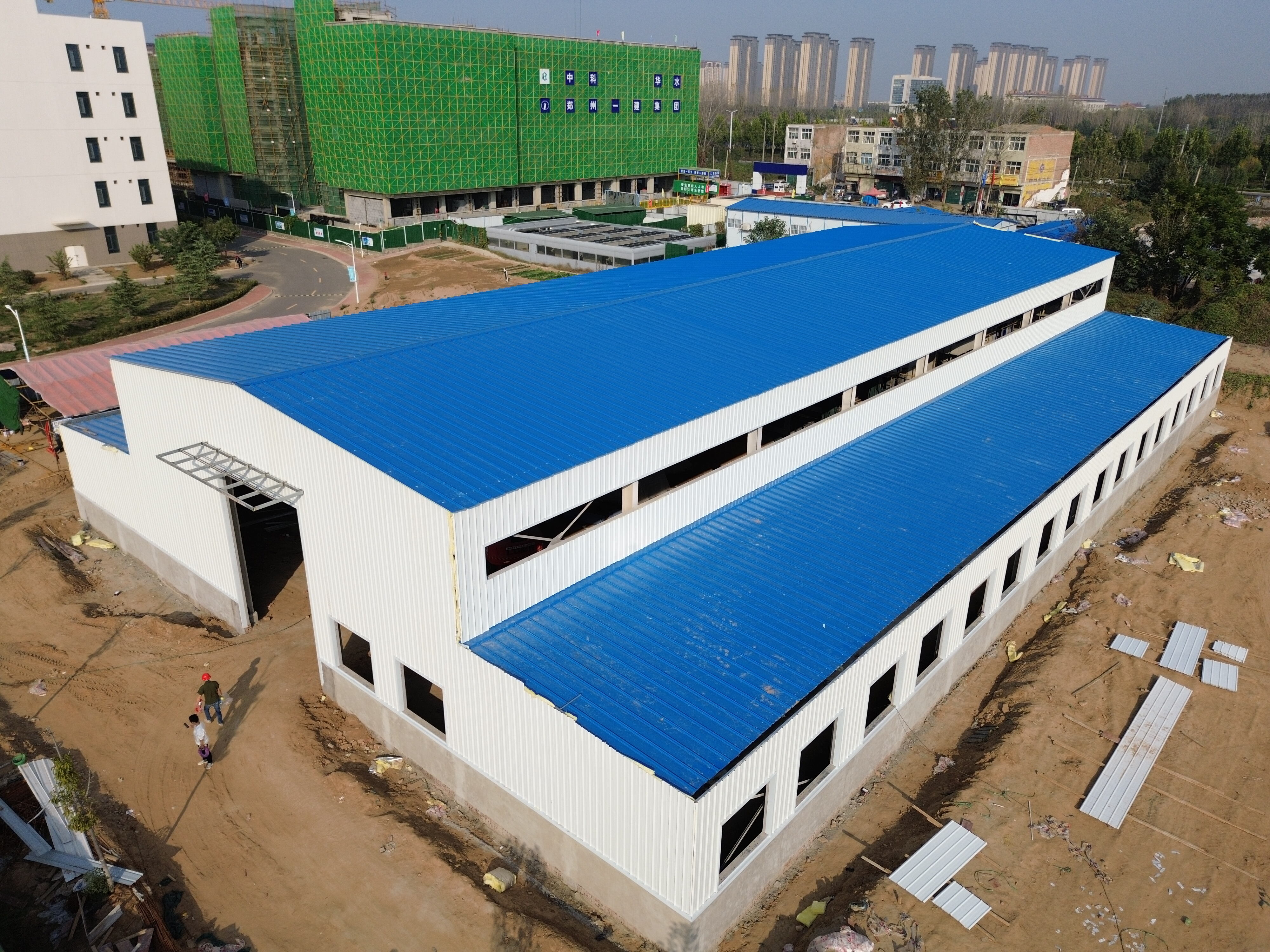
Location-Based Requirements: Climate and Site Conditions That Affect Building Cost
Structural Reinforcements of Snow Loads, Wind Ratings, and Seismic Zones
Local building codes set the rules for structural reinforcements that are directly related to the environment, and the regulations will dictate costs without negotiation. In areas of high snow fall, the use of steeper roof pitches, and heavier framing to prevent the roof from collapsing due to the snow accumulation can increase the cost of materials by 15-20%. Areas that are coastal require wind-rated components such as hurricane straps, reinforced anchor bolts, and improved fastening of wall panels, all to reinforce the building for wind gusts that are greater than 150 mph. Zones that are seismically active require the use of flexible moment frames, detailed bracing, and ductile connections per ASCE 7 and IBC Chapter 16. These upgrades incur greater costs due to the increase in the engineering work, the additional reviews that must be done, and the added weight of the materials that must be used. These costs must be absorbed and are directly dependent on the severity of the risk and the stringency of the jurisdiction.
Foundation Variability Associated with Apost-Nrof Pgeorgraphcal Variance and Soil Preparation Costs
Foundation method and soil prep costs vary by location and soil type and can account for 10–30% of the total project costs. In addition, flood-prone sites require more budgeting for foundation supports with more than 25–30% estimated costs. Foundations in swampy ground add soil prep and drainage, and then require more costs in soil stabilization and less in the soil setup and consolidation of soils prior to soil stabilization. Prep costs can be higher for remote sites or areas of limited access. More rigging, hauling prep costs, and heavier construction equipment are needed in areas with limited access. In remote areas or areas needed more limited access, higher prep costs are needed.
They can be deterred by access issues and remote locations.
Flexibility of Materials and Market Conditions
Gauge Thickness, Compliance with ASTM, and Coatings (Galvalume® and Galvanized)
The performance, life span, and costs of construction materials affect design structure and overall construction performance. In addition, higher-quality materials and thicker gauges (12-gauge compared to 26-gauge) offer greater performance, as will the higher level of compliance with ASTM A653 and A992. A 15–25% cost of higher full compliance with applicable ASTM standards can be greater overall construction cost. A 15% cost of higher quality material compliance with ASTM standards and fully tested and verified higher grade materials can lower overall construction costs in harsh, high-snow conditions, high construction level, or high-wind conditions. Also, fully galvanized materials and higher quality materials are markedly better.
Steel prices are dictated by tariffs, supply chain restrictions, and fluctuations in iron ore prices, and are subject to a %20-30% shift per year. This, along with the price risk mitigation techniques that are highlighted below, outlines the challenge presented to companies trying to find the best steel option without jeopardizing their budget or project specifications.
Coating Type Composition Corrosion Resistance Cost Impact vs. Uncoated Steel
Galvalume® 55% Al-Zn alloy High (salt/chemical) +10–15%
Galvanized Zinc Moderate +5–8%
There are also additional costs for the construction and building of the steel structures related to the installation, labor and logistics, and these range from 18-35% across the board. Planning for costs associated with these factors: the installation, labor, logistics and construction, and the steel structures is critical given the costs can vary so greatly. In urban settings, labor costs can be 20-30% higher, and construction can be even more expensive due to shortages or the need to have specialized labor, with costs increasing 15-25%. For construction and logistics, the distance is also a significant factor. In fact, for distance of over 500 miles to the construction site, the additional logistics costs can range $2,000-$5,000. Further construction and logistics site specific restrictions like, narrow laydown areas, overhead wires, etc. can potentially lead to a need for more equipment and possibly specialized grade rigging, which can also add an additional 10-15% to the construction costs. These factors relating to the construction and labor of the steel structures are localized, and for accurate budget development, localized costs, rather than averages across an area, should be employed.
Performance Upgrades and Add-Ons Accessories and Insulation Impact Steel Building Costs
Doors, Windows, and Exterior Finishes: A Cost Perspective on Function, Security, and Aesthetics
In building economics, the use of operational elements such as insulated roll-up doors, impact-resistant glazing, or high-speed industrial doors, add costs but also enhance operational efficiency and safety. Wind-rated glazing and doors, which are required to meet ASTM E1234 or Miami-Dade specifications, increase costs by 20% to 40% compared to the same units that do not meet these standards. Architectural finishes such as custom paint systems, metal panels with different textures, or exposed structural elements, offer aesthetic value but increase costs by 15% to 30% compared to standard ribbed wall panel systems. Some finishes, such as panels with PVDF coatings, may be more expensive initially, but offer reduced long-term maintenance by up to 40% with a value that extends beyond the first costs.
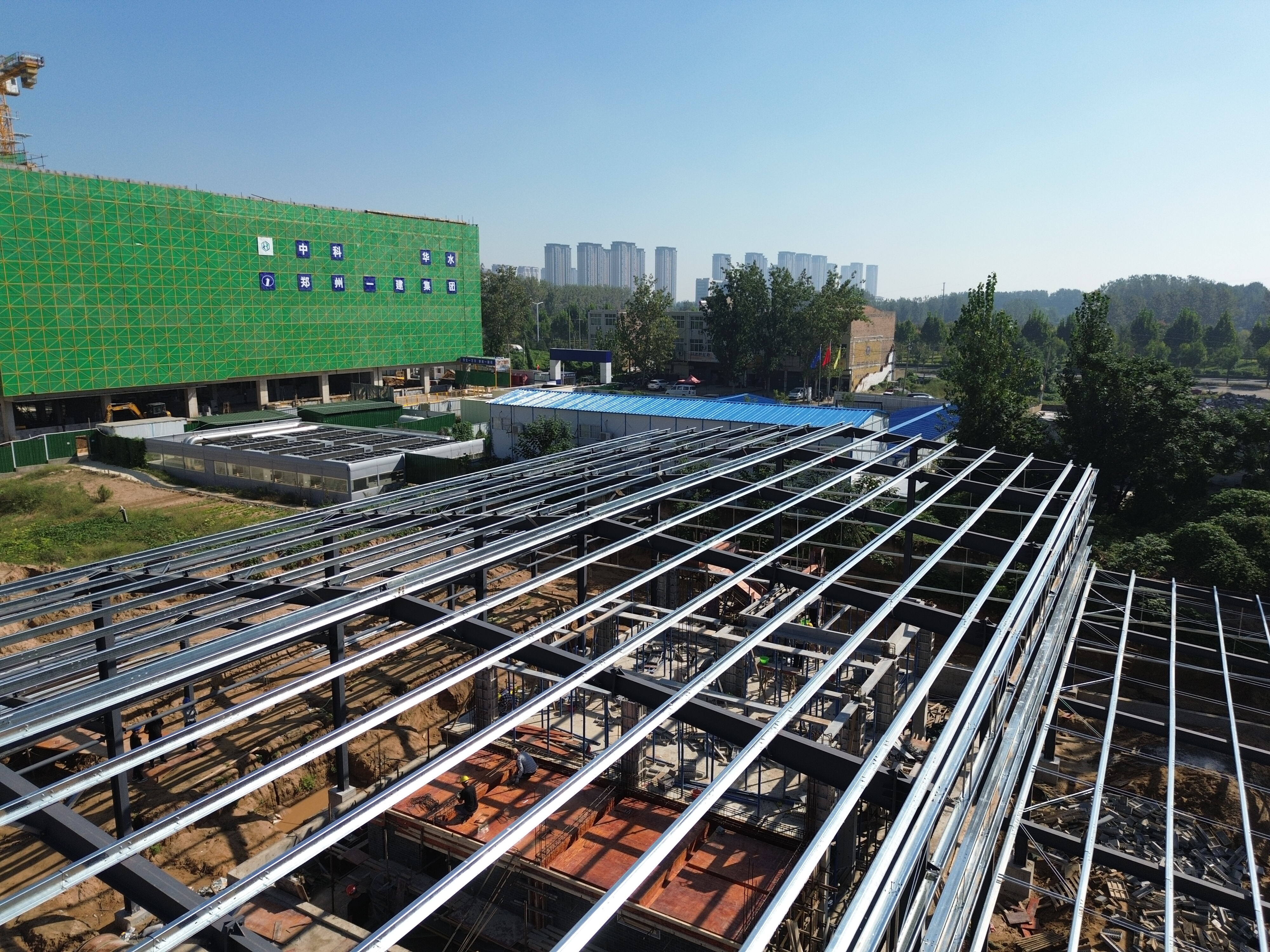
Types of Insulation and Energy Efficiency: Initial Costs Compared to Long-Term Operational Savings
Insulation is a crucial building element; providing value through both upfront costs and long-term operational efficiency. Fiberglass batts are a cost-effective initial investment, but not the most efficient choice, and can still leave pathways for air leakage. Spray foam has a significantly higher upfront cost ($1.80 to $3.50/sq ft), but also an equally higher R-value with an ability to reduce HVAC runtime by up to 50%. Rigid board insulation is a mid-range option with a balance of improved moisture resistance and compressive strength. Energy modeling has shown that advanced insulation closes the gap on energy efficiency by 30 to 40% compared to systems using basic insulation, translating to payback periods of 3 to 7 years in more extreme climates. High-performance insulation that is also compliant with the newer energy codes is not just an upgrade; its a value addition to the structure that will result in lower lifetime costs. Enhanced occupant comfort and an improved level of sustainability are also by-products of high-performance insulation.
FAQ
Where do the costs lie when building with steel?
The costs that come with building in steel come in size and the location of the building, the custom design elements added, the specifications of the material, add-on designs that come with insulation, the labor and logistics involved and the finishes of the building.
Do larger steel buildings come at a higher price?
Yes, large buildings come with a higher price because they require more structural materials and more engineering. This increase the price of labor and materials. Clear-span designs require specialized steel and deeper trusses, adding more costs.
How does the custom design influence the steel building cost?
The costs and lead times increase because of the more complex fabrication and higher precision that comes with custom design elements such as pitch roofs and varying eave heights.
How does the weather and the location of the proposed building affect the costs?
Weather conditions that require more reinforcements like high snow and wind loads will increase the overall cost. The soil type and the location of the building greatly affect the foundation and the transportation costs.
What are the market and material costs and how do they affect the pricing?
The costs of material used in the buildings are determined by the thickness, quality of coat and the type of material used. These market conditions will also determine the costs of the overall steel building.