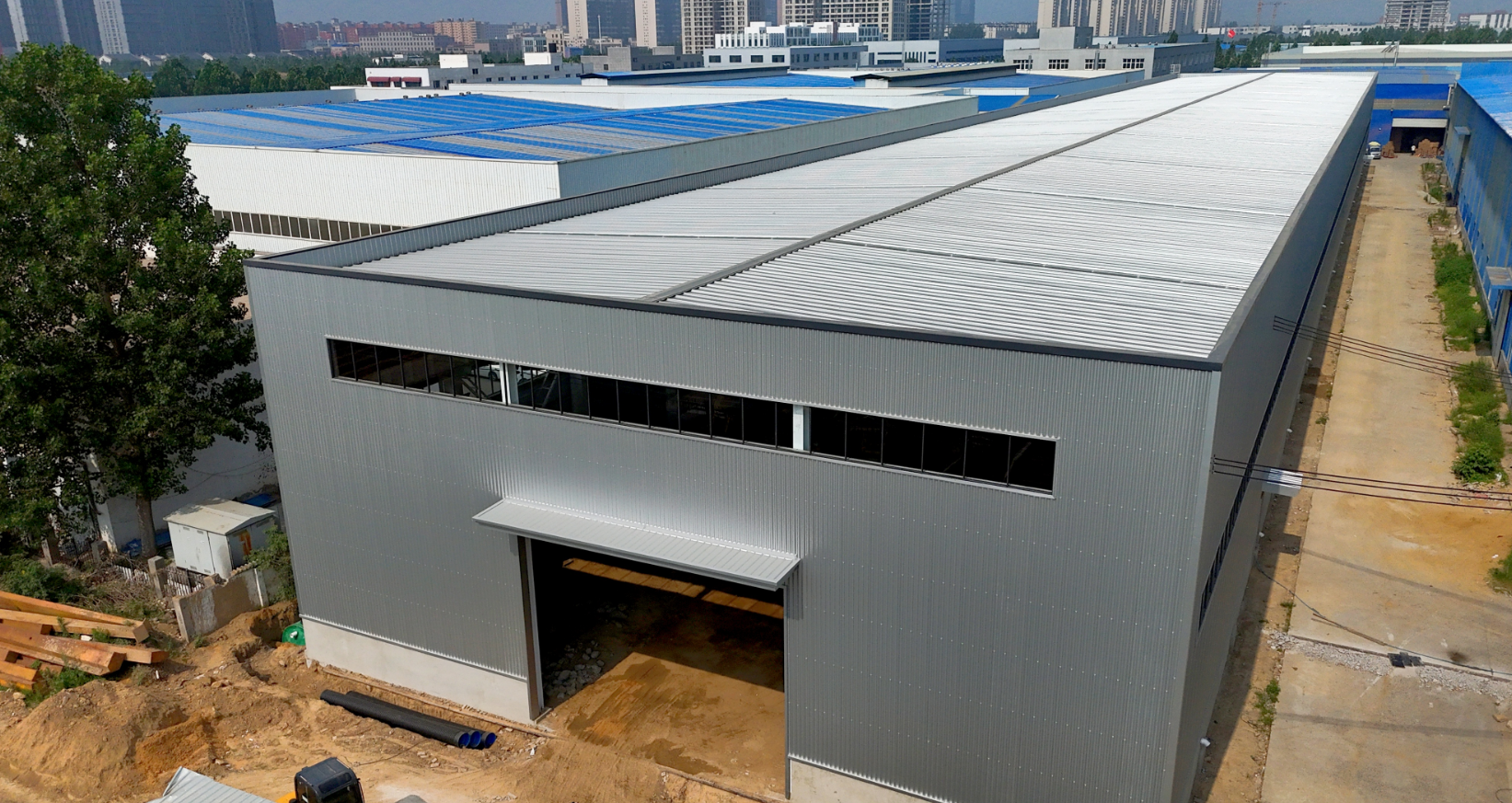
Unmatched Cost Efficiency of Prefab Steel Warehouse
Lower Labor, Insurance, and Expansion Costs vs. Traditional Construction
Prefab steel warehouses reduce labor expenses by 30–50% through controlled factory fabrication and streamlined on-site assembly—eliminating weather delays, rework, and scheduling bottlenecks. Insurance premiums average 20% lower due to steel’s non-combustible properties and proven resilience in high-wind, seismic, and wildfire-prone regions. Expansion costs drop by up to 40% compared to traditional construction: modular components enable bolt-on additions without structural demolition or operational shutdowns. This phased scalability allows businesses to align capital investment precisely with demand—deferring expansion until justified, avoiding overbuilding or disruptive relocation.
Higher Long-Term ROI Through Reduced Operational and Maintenance Overheads
Energy-efficient designs—including high-R-value insulation and cool reflective roofing—cut HVAC expenses by 25–30% annually. Steel’s inherent resistance to rot, pests, corrosion, and fire translates to 70% fewer repairs over a 50-year lifespan versus wood or concrete alternatives. Combined, these efficiencies reduce total lifecycle costs by 15–25%, with most prefab steel warehouses achieving full ROI within 5–7 years of operation, per industry benchmarks from the Metal Building Manufacturers Association (MBMA) and National Institute of Building Sciences (NIBS).
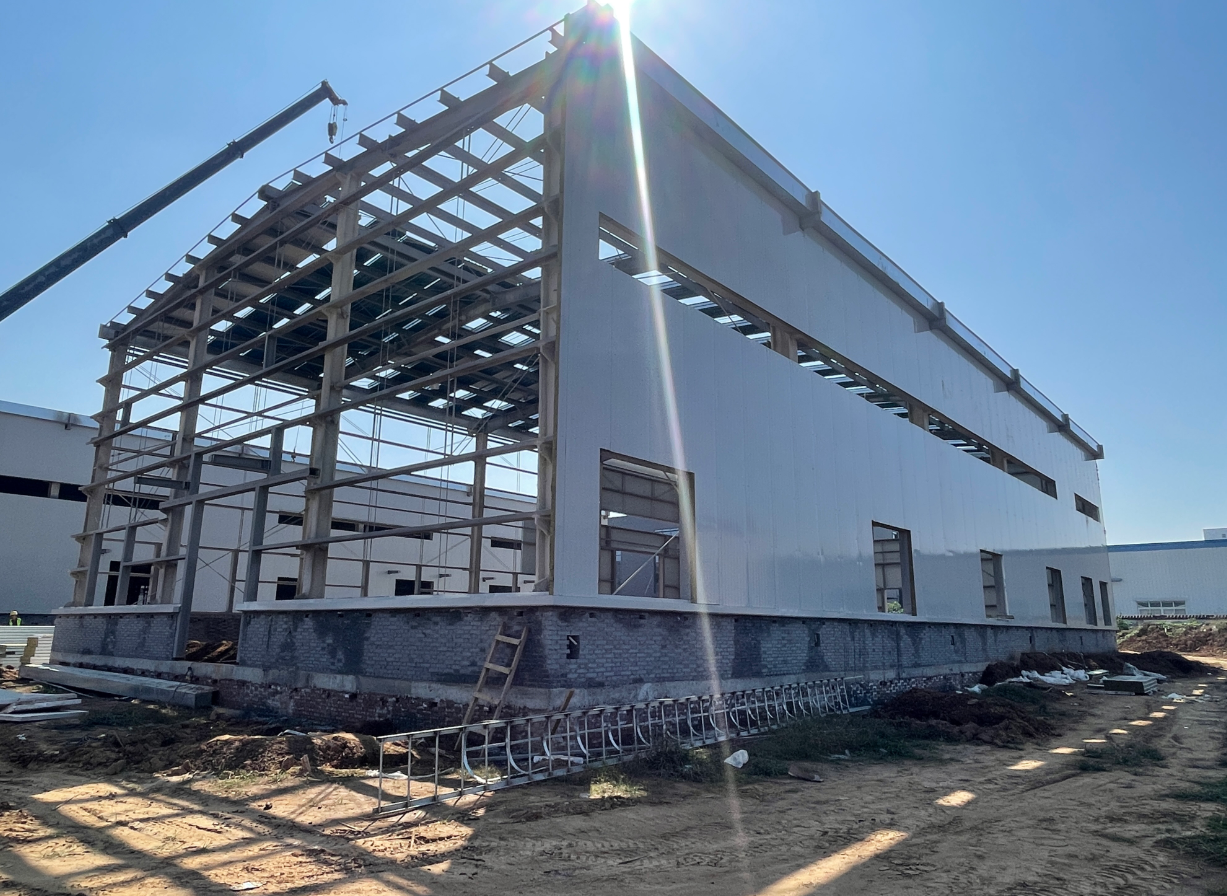
Accelerated Timeline: From Design to Occupancy in Under 90 Days
How Prefabrication Cuts Project Duration by 40–60%
Prefab steel warehouses compress construction timelines by enabling parallel workflows: while foundations are poured on-site, structural components are precision-fabricated in climate-controlled factories. For a standard 10,000 sq ft facility, this approach delivers occupancy in just 9–13 weeks—40–60% faster than conventional 6–12-month builds. Key drivers include:
- Factory production of standardized framing, wall panels, and roof systems concurrent with site prep
- Pre-integrated MEP (mechanical, electrical, plumbing) systems installed directly into wall and roof panels before delivery
- Rapid on-site erection using specialized crews—often completing structural framing in under one week
This method reduces total labor hours by 55% and eliminates 80% of weather-related delays, according to MBMA field performance data. The result is operational readiness ahead of Q4 peaks, seasonal surges, or contract deadlines—turning time savings into revenue acceleration.
Time-to-Value Benefits for Logistics, Manufacturing, and E-Commerce Clients
The sub-90-day delivery timeline delivers measurable strategic advantages across high-growth sectors:
| Industry | Operational Impact | Financial Benefit |
|---|---|---|
| Logistics | Scalable capacity deployed before peak shipping seasons | Avoids 35% premium for third-party (3PL) warehousing during peak periods |
| Manufacturing | Faster production line deployment for urgent contracts | 22% higher equipment utilization (McKinsey & Company, Industrial Operations Outlook, 2023) |
| E-Commerce | Regional fulfillment centers operational in time for holiday order volume | 19% lower last-mile delivery costs (U.S. Department of Transportation, 2022 Freight Analysis Framework) |
Rapid occupancy generates revenue 4–6 months sooner than traditional construction—improving cash flow, reducing interest on construction financing, and strengthening competitive positioning. For scaling enterprises, speed-to-value often outweighs upfront cost savings.
Proven Durability and Resilience of Prefab Steel Warehouse
Engineered Resistance to Storms, Fire, Termites, and Seismic Events
Prefab steel warehouses are engineered to stringent standards—including ASCE 7-22 for wind and seismic loads—and routinely exceed local code requirements. Structures withstand Category 4 hurricane winds (>150 mph), snow loads up to four feet of wet snow, and seismic activity through special moment-resisting frames that dissipate energy without collapse. Steel’s noncombustible nature provides superior fire resistance, while galvalume-coated components prevent rust and corrosion in humid or coastal environments. Unlike wood, steel is impervious to termites and fungal decay. With routine maintenance, service life regularly exceeds 50 years. Logistics operators in hurricane-impacted regions report 98% operational continuity following major events—minimizing costly downtime and business interruption claims.
Scalable Flexibility and Future-Ready Customization
Modular Expansion, Reconfiguration, and Tenant-Specific Floorplan Adaptation
Prefab steel warehouses are inherently modular—designed for seamless horizontal or vertical expansion without compromising structural integrity or halting operations. Bay sections can be added incrementally to extend footprint, increase clear height, or accommodate new automation systems. Interior layouts adapt quickly to shifting inventory profiles, racking configurations, or equipment footprints—no load-bearing walls to remove or reinforce. In multi-tenant facilities, units can be individually customized with distinct access points, utility feeds, ceiling heights, and loading configurations—all supported by the same underlying steel frame. This adaptability reduces modification downtime by up to 60% and eliminates the need for structural overhauls, enabling businesses to evolve their logistics infrastructure responsively and cost-effectively.
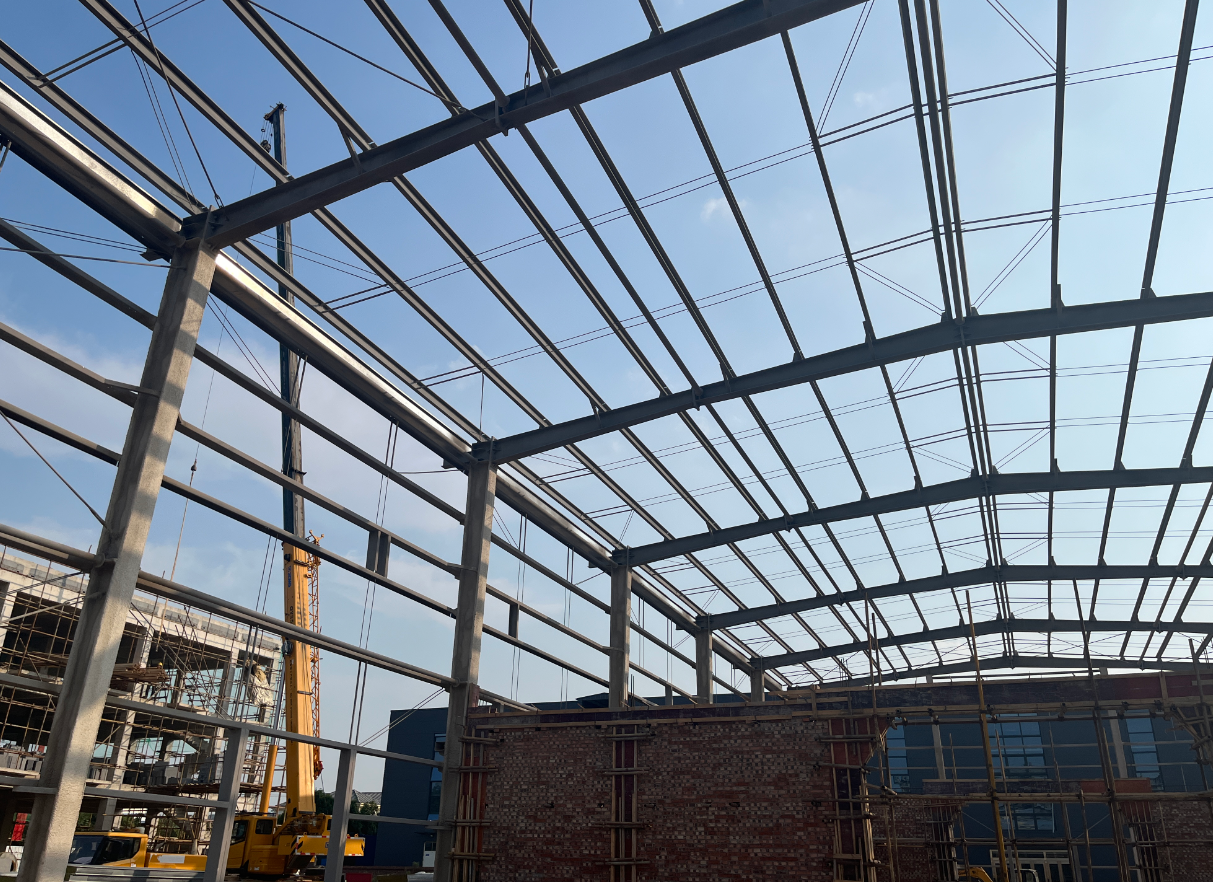
Sustainable Performance and Lifecycle Advantages
Prefab steel warehouses deliver measurable environmental and economic sustainability across their full lifecycle. Steel is the world’s most recycled material—with over 86% of structural steel reclaimed and reused at end-of-life (Steel Recycling Institute). Prefabrication minimizes on-site waste: factory-controlled cutting and assembly reduce scrap to under 2% versus 15–20% in traditional builds. The durable, low-maintenance steel frame resists environmental degradation, pests, and corrosion—extending service life and reducing replacement frequency. Energy-efficient envelope options—including insulated metal panels (IMPs) and cool roofing—lower operational energy use by up to 30%. Together, these attributes drive lower total cost of ownership, stronger asset value retention, and a significantly reduced carbon footprint—making prefab steel a strategic choice for ESG-aligned capital planning.
FAQs
What are the main cost advantages of a prefab steel warehouse?
Prefab steel warehouses reduce labor expenses by up to 50%, lower insurance premiums by about 20%, and significantly cut expansion costs, often by 40% compared to traditional builds.
How long does it take to construct a prefab steel warehouse?
A prefab steel warehouse can be constructed in under 90 days, with timelines 40–60% faster than traditional construction methods.
How durable are prefab steel warehouses?
Prefab steel warehouses are engineered to withstand high winds, heavy snow loads, seismic events, and fires. With routine maintenance, they can last over 50 years.
Are prefab steel warehouses environmentally friendly?
Yes, steel is highly recyclable, and prefab construction minimizes on-site waste. Energy-efficient designs also lower operational energy use by up to 30%.
Can a prefab steel warehouse be expanded or customized?
Yes, prefab steel warehouses are modular and allow for seamless expansions and reconfigurations without significant structural changes.