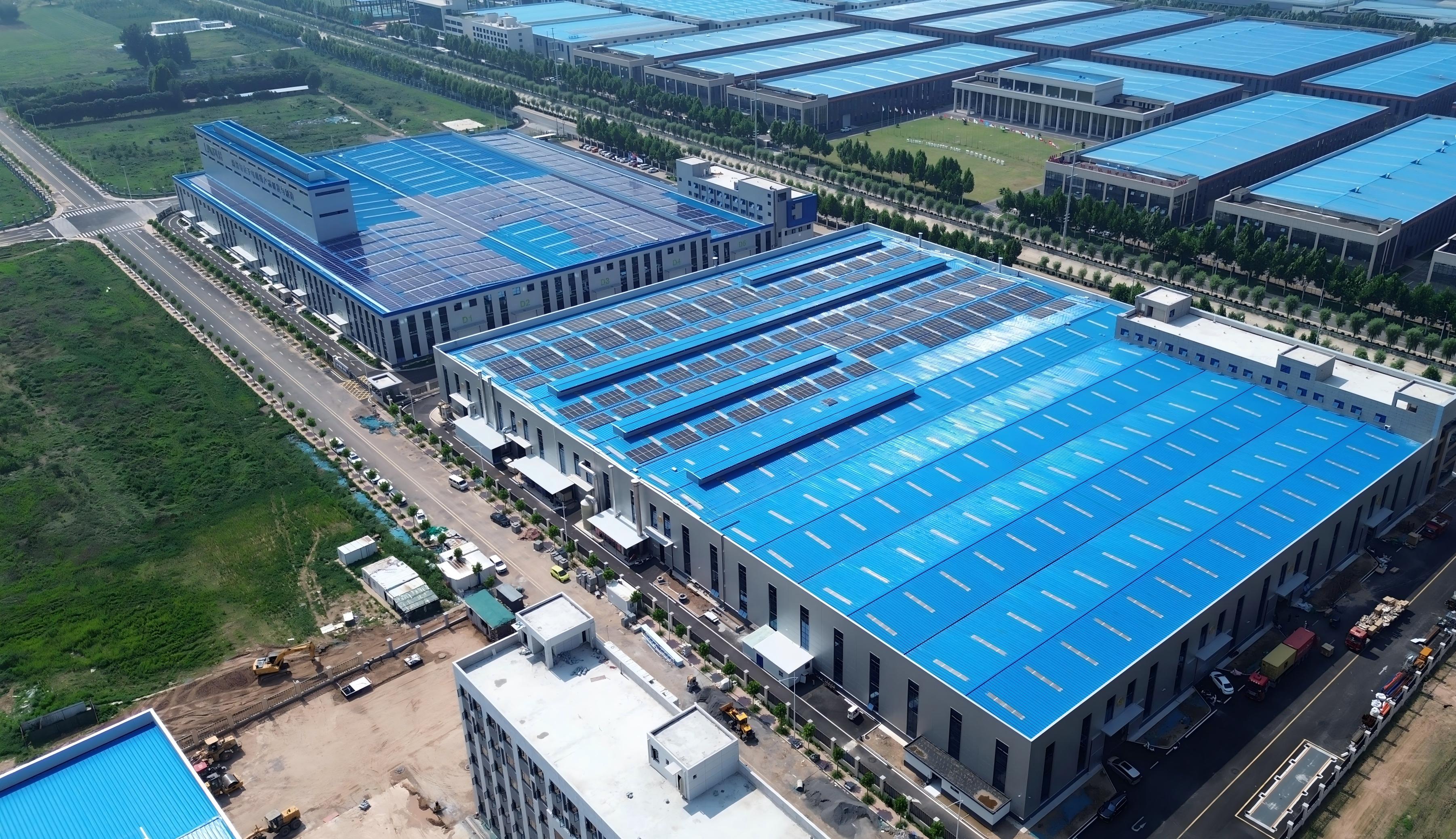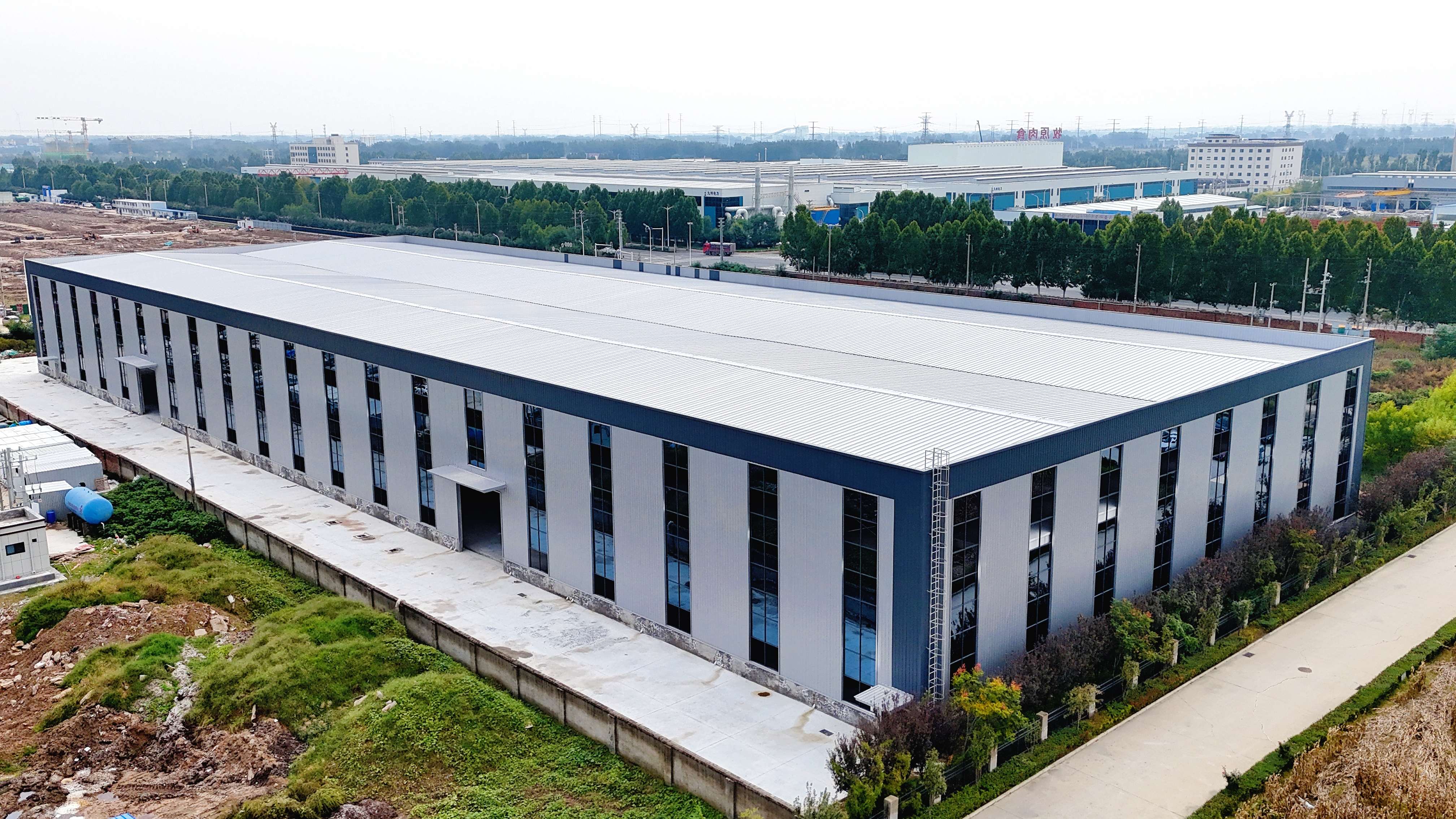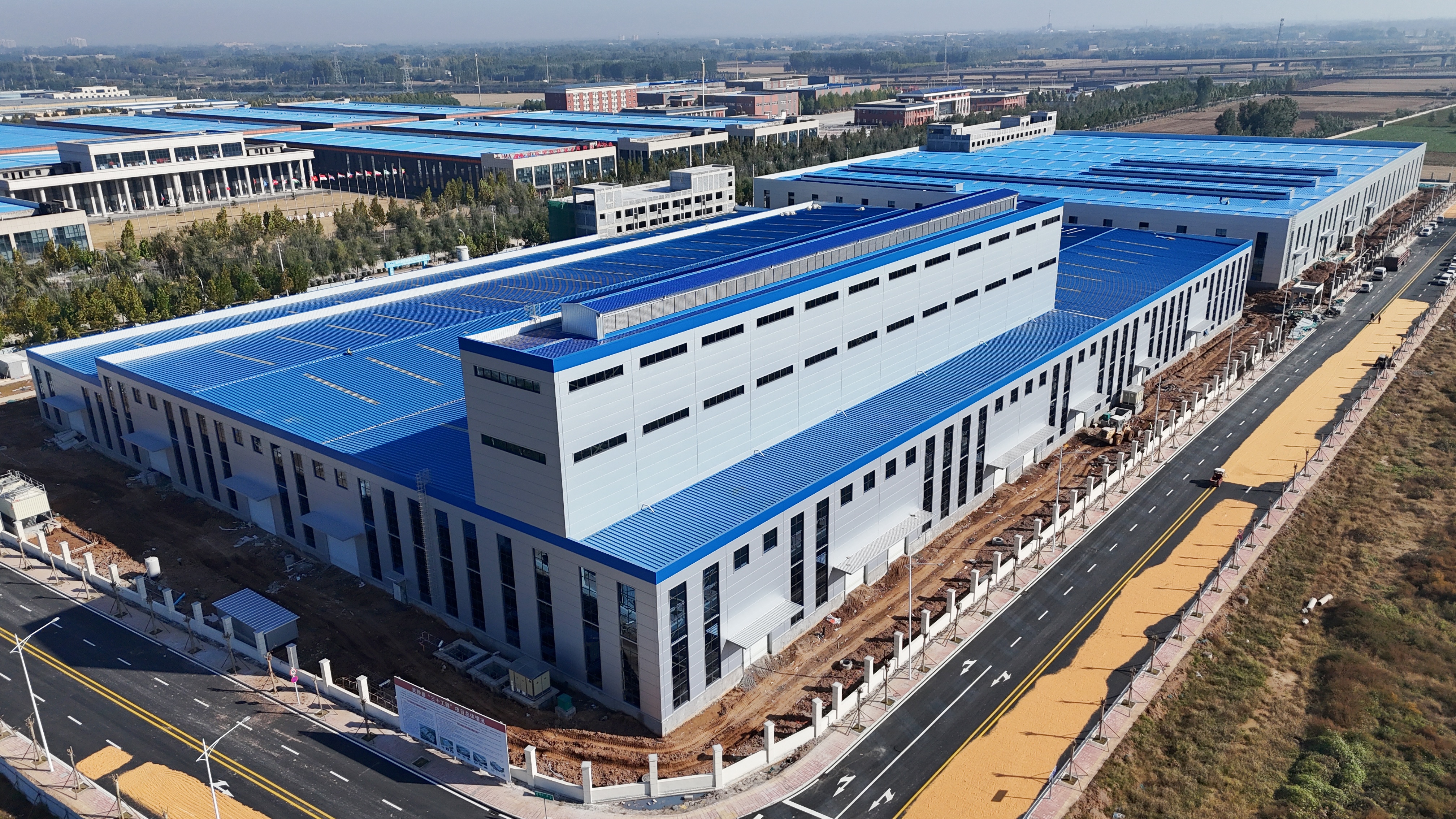





In modern industrial construction, steel structure workshops have been widely adopted due to their fast construction speed, high structural strength, flexible layout, and cost-effective scalability. For manufacturing enterprises, logistics operators, and industrial investors, steel structures provide an efficient solution that balances durability with adaptability.
However, when planning and investing in a new facility, one of the most critical concerns for business owners is often straightforward yet fundamental: How long can a steel structure workshop actually serve its purpose?
At Zhengzhou Weilan Steel Structure Engineering Co., Ltd., we frequently encounter this question from clients across different regions and industries. While steel structures are engineered for longevity, their actual service life is not determined by a single factor. Instead, it is the result of systematic planning, material selection, construction quality, environmental adaptation, and long-term maintenance management.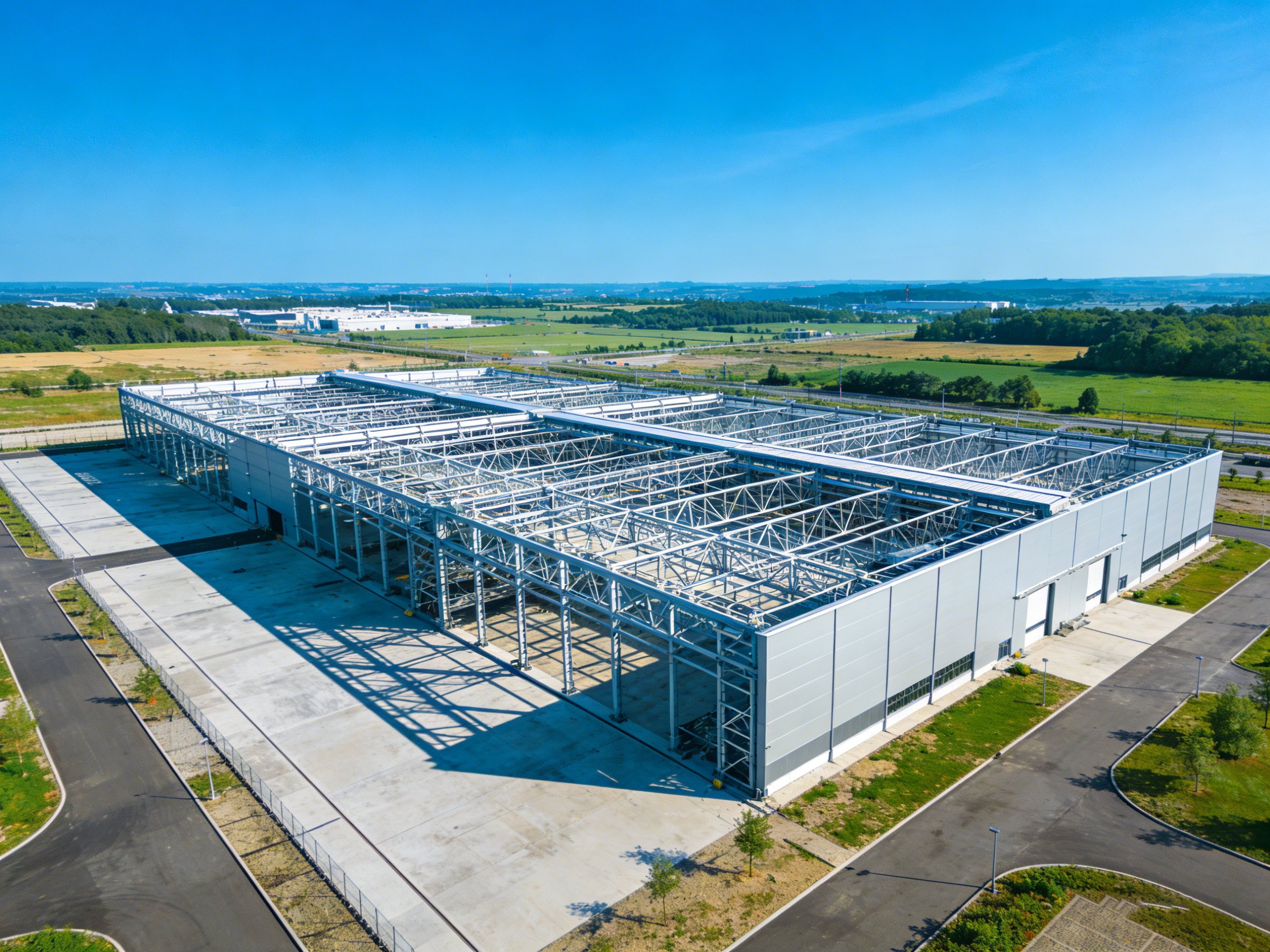
I. The Design Service Life Benchmark
Generally speaking, a scientifically designed and properly constructed steel structure workshop has a design service life benchmark of 50 years in accordance with mainstream engineering standards and building codes. This 50-year benchmark serves as the standard reference for industrial buildings under normal usage conditions and proper maintenance practices.
However, this figure should not be interpreted as an absolute guarantee. Across different geographical regions and climate conditions worldwide, actual performance may vary significantly. In reality, there are cases where poorly designed or inadequately protected steel workshops develop serious structural issues within 20 to 30 years. Conversely, there are also well-maintained facilities that remain in stable operation for more than 70 years, continuing to deliver reliable performance and economic value.
The difference between premature deterioration and extended service life lies not in luck, but in management and engineering decisions. The actual lifespan of a steel structure workshop primarily depends on five key factors, each of which plays a decisive role in long-term durability and safety.
II. Five Key Factors Affecting Service Life
1. Steel Material Quality and Anti-Corrosion Protection
This is the “innate foundation” that determines structural longevity. The mechanical performance of structural steel must strictly comply with applicable standards, including strength grade, yield performance, ductility, and welding compatibility. Selecting certified, high-quality steel materials is the first step toward ensuring structural reliability.
Equally important—if not more critical—is corrosion protection. Steel is inherently susceptible to oxidation and environmental corrosion. Without adequate protective treatment, structural components may gradually lose cross-sectional thickness, compromising strength and safety.
Under ordinary environmental conditions, the thickness of anti-corrosion coating should not be less than 150 microns. In more aggressive environments—such as coastal regions with high salt content, chemical plants with corrosive emissions, or areas with persistent humidity—enhanced protection systems are required. Hot-dip galvanizing is often recommended, with a galvanizing mass of no less than 275 g/㎡ to ensure durable performance.
This protective system serves as the first line of defense against environmental degradation. At Zhengzhou Weilan Steel Structure Engineering Co., Ltd., we tailor corrosion protection strategies based on project location, functional requirements, and expected maintenance cycles, ensuring optimal long-term performance.
2. Structural Design and Load Consideration
Scientific design forms the foundation of structural safety and durability. A steel structure workshop must be engineered not only to support its own dead weight but also to withstand operational loads, including equipment loads, crane loads, storage loads, and live loads associated with personnel and machinery.
In addition to these predictable loads, the structure must be designed to resist environmental actions such as wind pressure, seismic forces, and snow loads. In regions prone to earthquakes or typhoons, structural detailing and lateral stability systems must be reinforced accordingly.
Many early-stage industrial buildings have experienced reduced service life due to insufficient load planning or uncontrolled modifications. For example, adding additional floors, installing heavy overhead cranes, or increasing equipment weight beyond the original design specification can lead to long-term overloading. Over time, this results in fatigue damage, excessive deflection, bolt loosening, and even permanent deformation.
Therefore, proper load assessment and future expansion consideration during the design stage are essential. Long-term durability begins with accurate calculations, safety factors, and structural redundancy.
3. Construction Quality and Installation Precision
Even the best design can be compromised by poor construction execution. It is often said in engineering practice: “A good design can be ruined by inadequate construction.”
Installation accuracy directly affects structural integrity and load transfer performance. For example:
- The pretension force of high-strength bolts must meet specified standards to ensure joint stability.
- Weld seams must pass inspection for penetration, uniformity, and strength.
- Installation deviations must be strictly controlled. For instance, anchor bolt deviation at column bases should generally be controlled within ±5 mm to maintain alignment and load-bearing efficiency.
Any negligence during fabrication, transportation, or on-site installation may create hidden risks that only become apparent years later. Quality control procedures, skilled technicians, and systematic supervision are therefore indispensable.
At Zhengzhou Weilan Steel Structure Engineering Co., Ltd., we implement rigorous quality management systems throughout fabrication and erection processes, ensuring precision and long-term reliability in every project.
4. Daily Use and Maintenance Management
A steel structure workshop is not a “build-and-forget” asset. Facilities that are used continuously without proper maintenance inevitably experience accelerated aging.
Routine inspection and preventive maintenance are among the most cost-effective methods for extending service life. Key measures include:
- Regular inspection of roof panels for sealing integrity and leakage prevention
- Ensuring drainage systems remain unobstructed to avoid water accumulation
- Comprehensive structural inspection every 3–5 years
- Monitoring coating damage, corrosion spots, bolt loosening, and structural deformation
Timely repainting, tightening of connections, and localized repair of corrosion areas can significantly slow deterioration. Preventive maintenance not only enhances safety but also reduces the likelihood of expensive structural rehabilitation in the future.
Systematic maintenance is not an optional expense—it is a long-term investment in asset preservation.
5. Environmental Conditions
The operating environment represents an external and objective factor that significantly influences service life. Workshops located in high-humidity areas, salt-laden coastal zones, heavy industrial districts, or chemically aggressive environments experience accelerated corrosion rates compared to those in mild inland climates.
For such projects, maintenance cycles must be shortened, and corrosion protection levels must be elevated from the outset. Failure to adapt protective measures to environmental conditions can dramatically reduce actual service life below the 50-year benchmark.
Environmental assessment should therefore be conducted during the early design stage, allowing engineers to specify appropriate coatings, galvanization methods, structural detailing, and inspection frequency.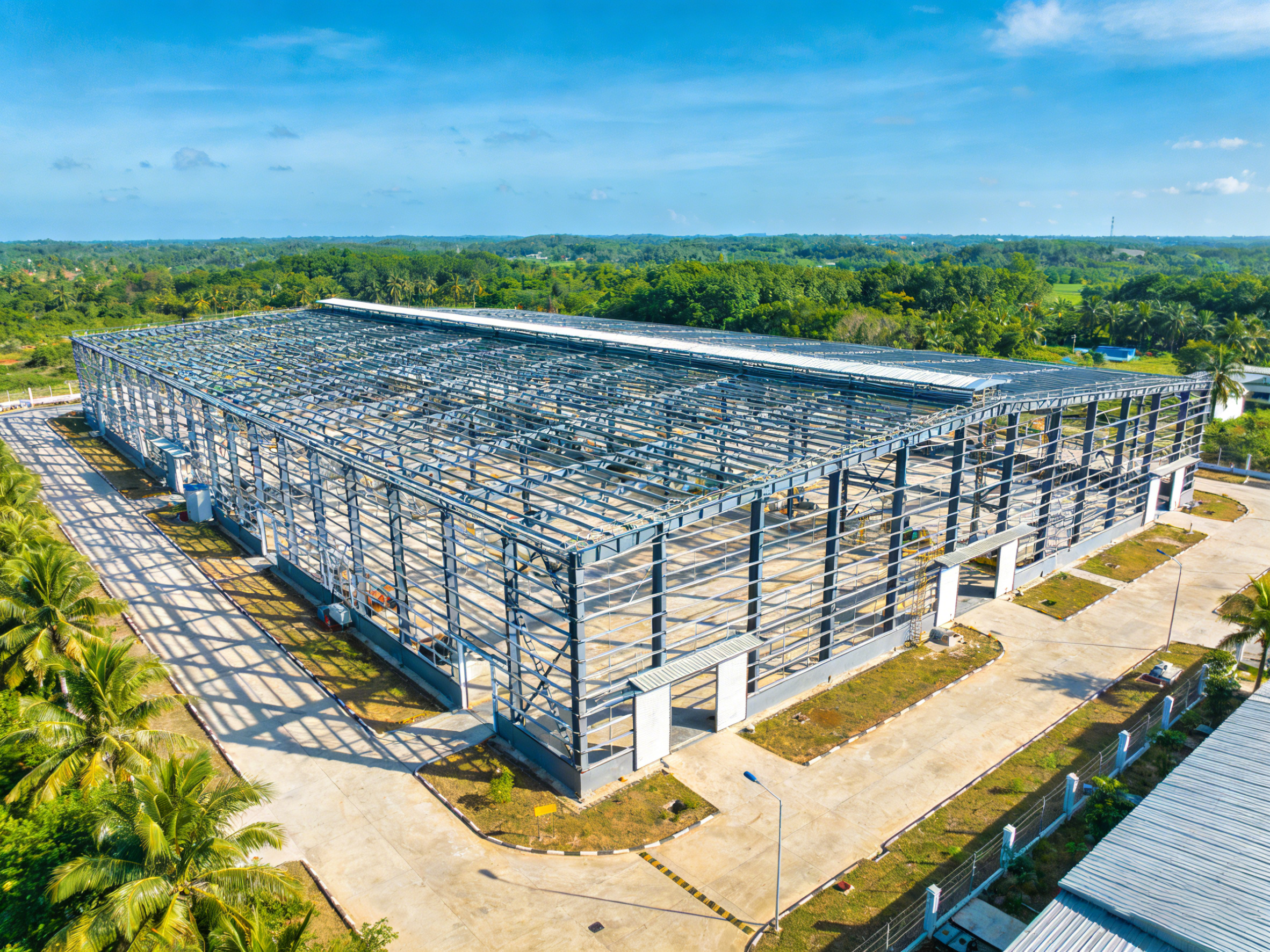
Conclusion
The service life of a steel structure workshop is not a fixed numerical guarantee but the comprehensive result of five interrelated factors: design, materials, construction quality, maintenance practices, and environmental conditions.
To achieve a stable service life of 50 years—or even longer—it is essential to rigorously control the first three factors during the construction phase and to consistently implement systematic maintenance throughout decades of operation. Only through this integrated approach can the full economic value and long-term return on investment of a steel structure facility be realized.
At Zhengzhou Weilan Steel Structure Engineering Co., Ltd., we are committed to delivering steel structure solutions that prioritize durability, safety, and lifecycle value. Through professional design, strict quality control, and tailored engineering strategies, we help our clients build facilities that stand the test of time—maximizing operational efficiency and long-term benefits for decades to come.