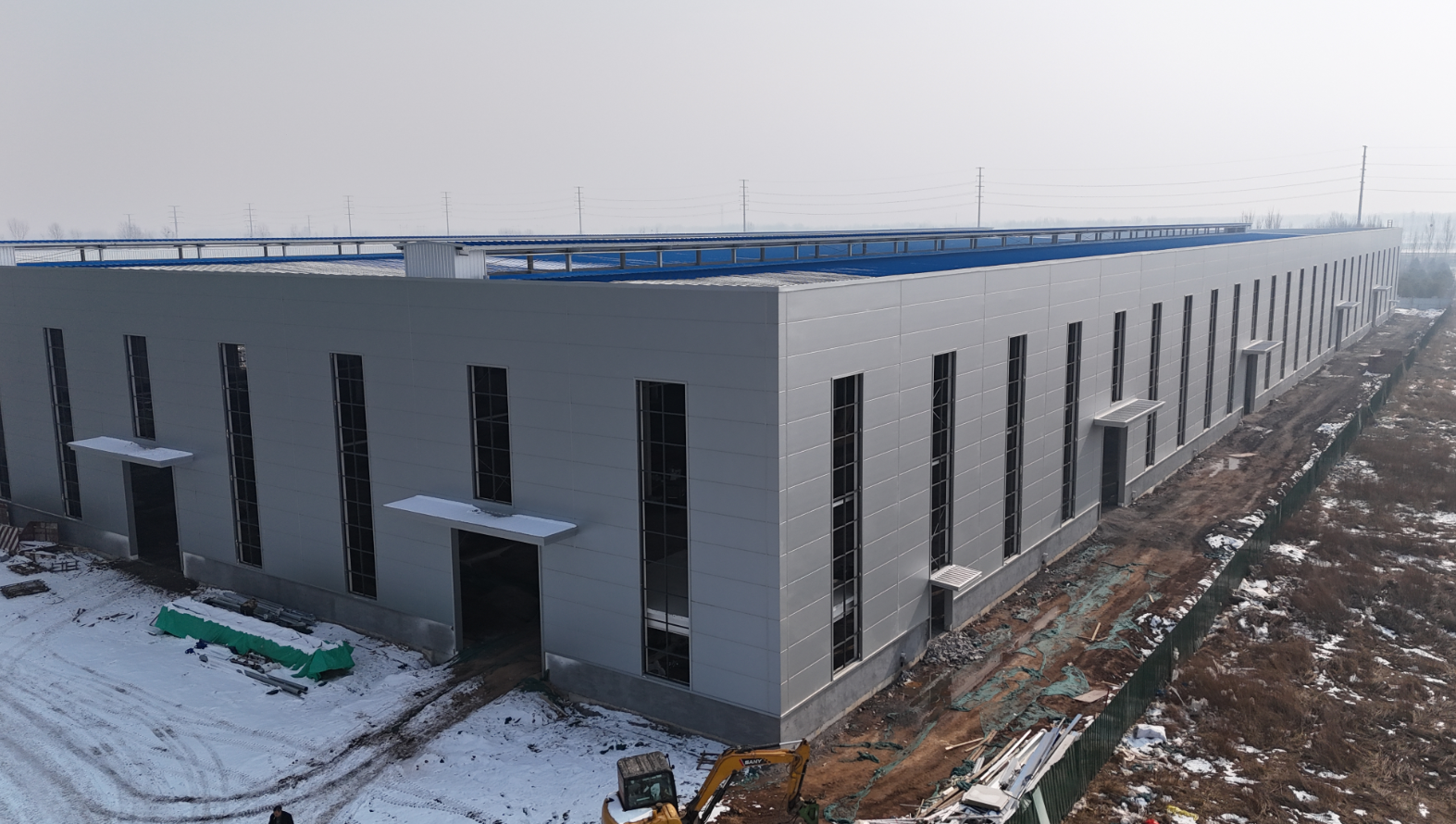
Most suppliers under-sell pre-assembly; buyers rarely ask to see it. Pre-assembly before shipment happens in the factory: CNC laser and profile cutting, robotic welding, holes drilled to jigs, sandblasting and coating, then a trial assembly of a bay. In Steel Structure Construction that trial is a documented hold point, not a photograph.
Experience: A Trial Assembly That Saved a Site Delay
Background and the Problem
A cold-store operator needed a pre-engineered building with a 40 m clear-span portal frame and cold-formed purlin sections. The order called for a factory trial assembly of one bay. The Steel Structure Construction trial flagged bolt hole accuracy on a haunch connection: three holes off by 8 mm, a column flange out of square, two purlins against the slope.
The Solution and the Result
Pre-assembly before shipment is where those errors are still cheap to fix, and in Steel Structure Construction the correction belongs in the shop: hole positions were re-measured against the shop drawing, the template reset, the members reworked on the jigs. Purlins were re-oriented, the packing list re-issued against the bill of materials, and the bay signed off, saving a site delay.
What Pre-Assembly Solves and What It Cannot
The Limits: Where Pre-Assembly Runs Out
Pre-assembly before shipment fixes no wrong site datum, no out-of-tolerance foundation, no wrong design basis and no bad ground condition. A trial never performed, or done for the camera, proves nothing. Panels packed against the wrong drawings give the site team parts that do not fit, and a bad trial leaves holes stretched, needing field modification.
Why Shop Fabrication Beats Field Fabrication
Shop fabrication controls the variables. Dimensional tolerance comes from jigs and templates, so a hole lands in a fixed position and bolt hole accuracy becomes a measured value. Weld quality comes from a welding procedure specification and qualified welders under AWS D1.1 and ISO 3834. A factory trial assembly exposes a misfit while the frame is still supported.
Tolerance stack-up over a long building is the quieter argument. In Steel Structure Construction, every erection adjustment, column out of plumb and opened hole adds up along the frame line, so shop and site accuracy are one problem. Bolting changes that arithmetic: a bolt is reversible, and a torque record replaces a weld inspected in rain.
Codes, Certificates and Hold Points
Standards do the sorting. EN 1090-2 covers execution of steel structures, AWS D1.1 the structural welding, ISO 3834 welding quality, ISO 9001 management systems and ISO 12944 coating. Material arrives with ASTM A36 or A572 certificates against the steel grade on drawings; design sits with AISC 360. In Steel Structure Construction, the inspection and test plan turns those rules into hold points.
Working With the Supplier: A Practical Checklist
What to Ask the Supplier
Ask a Steel Structure Construction supplier for records up front: factory audit access, welding procedure specifications and welder qualification records, NDT results, DFT records, and ISO, CE or SGS certificates. A factory trial assembly video from a comparable job, the inspection and test plan, the marking and packing list and the bill of materials come too.
What to Verify Before Shipment and on Site
At pre-shipment inspection, Steel Structure Construction buyers measure member dimensions against the shop drawing and check bolt hole accuracy with a template. Check accessible weld seams, coating DFT and the factory trial assembly sign-off. Check the anchor bolt template against the foundation drawing and the base plate holes against it. On site, check column plumbness, record bolt torque, seal panel fixings, and follow the erection sequence.
Pre-assembly is the part of Steel Structure Construction a buyer can verify: shop fabrication against jigs and templates, qualified welding procedures, a documented trial assembly, and a marking system that lets the site team fit the right part in sequence. Pre-assembly before shipment does not excuse a wrong design basis or poor foundation, but it keeps fabrication errors out of the erection programme and gives the inspection and test plan something to check.
Frequently Asked Questions
Q: What does pre-assembly mean in steel fabrication?
A: Pre-assembly means fitting a bay or frame together in the factory before shipment to confirm that members, connections and secondary steel connect as drawn. The outcome is recorded with member numbers and checked dimensions, turning fit-up into evidence. A Steel Structure Construction contract should name a factory trial assembly as a hold point.
Q: How long does a factory trial assembly take?
A: On a single-storey portal frame building, a factory trial assembly of one bay takes one to three working days, depending on frame size and secondary steel. Larger spans, crane runway beams and complicated connections add time. Pre-assembly before shipment sits inside the fabrication programme, so the trial is booked when frames are complete.
Q: Does trial assembly reduce field welding on site?
A: Less than expected, and that is the point. Pre-assembly before shipment happens in a workshop where jigs and a crane are on hand, so a misfit becomes a bench correction, not a scaffold operation. What reaches the site is steel a factory trial assembly has shown fits together, and field welding on site drops to the odd splice.
Q: What should a buyer verify before shipment?
A: Work through the inspection and test plan, not around it. Check member lengths against the shop drawing, gauge hole positions and diameters, look at weld quality on accessible seams, confirm coating DFT, and check the trial assembly sign-off. Get the NDT reports, DFT records and packing list, then close every open item before shipment.
Q: What does pre-assembly not solve?
A: It does not correct a wrong site datum, an out-of-tolerance foundation, an incorrect design basis or a bad ground condition. It also does not excuse a trial never carried out, panels packed against the wrong drawings, or a trial that left bolt hole accuracy unverified. Ask for the report against the inspection and test plan; an unrecorded trial is worth very little.
Standards Referenced
EN 1090-2, AWS D1.1, ISO 3834, ISO 9001, ISO 12944, ASTM A36 and A572, AISC 360.