

October 17, 2026



Most steel buildings look fine on the day they are finished. The question is what they look like in year ten — especially within a few kilometres of the coast, or in a climate with a long rainy season.
This article explains two choices that decide that answer: which steel you use, and how you protect it.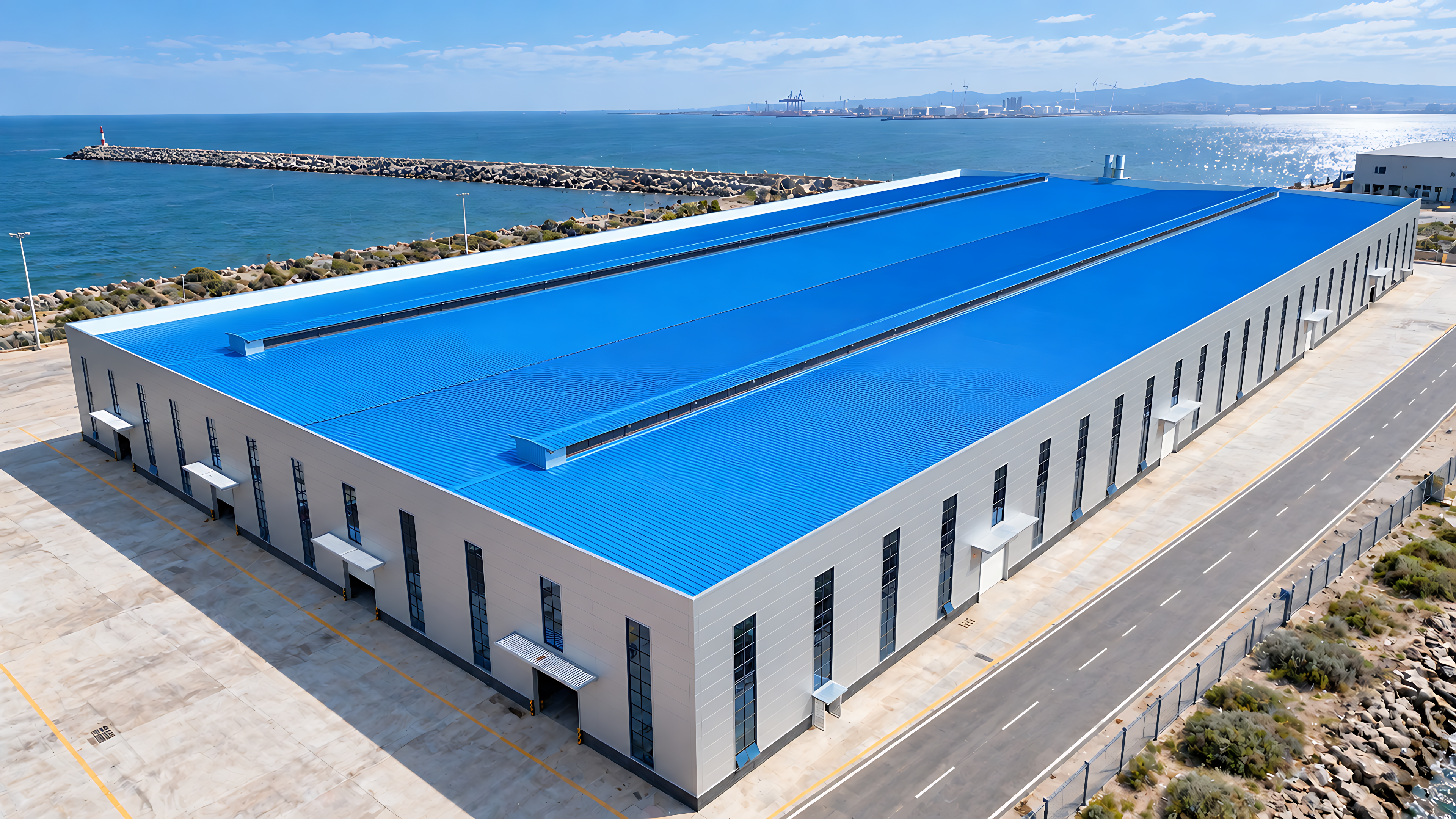
The main enemy is salt. If your site is close to the sea — Lagos, Mombasa, Dar es Salaam, Abidjan, or anywhere along the coast — salt in the air settles on the steel and keeps eating into it. Rain does not wash it away; in many places it makes it worse.
Inland, the problems are different but real. Long rainy seasons keep surfaces wet for months. High heat and strong sun break down paint faster than most suppliers admit. In dusty areas, dust collects in joints and holds moisture there.
In these conditions, a frame that needs repainting every few years is not a saving. Every repaint means scaffolding, labour and disruption — and in a working warehouse, it means shutting down the area.
Q355 is a higher-strength structural steel than the Q235 grade used in most cheap frames. Its yield strength is 355 MPa, against 235 MPa for Q235.
In plain terms: for the same load, you need less steel. That gives you three things you can use — a longer clear span with no columns in your working area, more capacity for the same footprint, or a lighter frame that costs less to ship.
For warehouses and factory buildings, it usually means bigger usable space for the same money.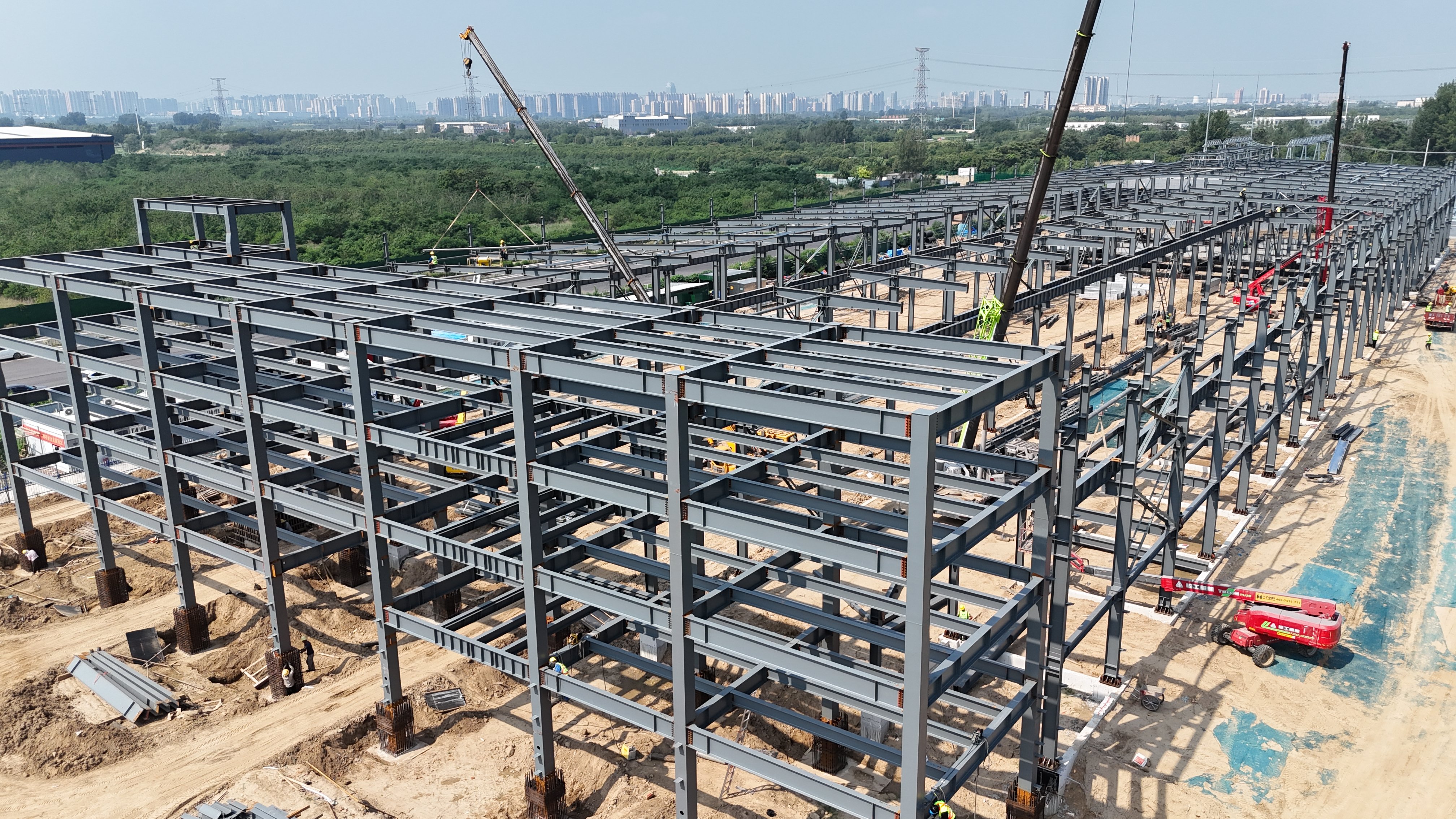
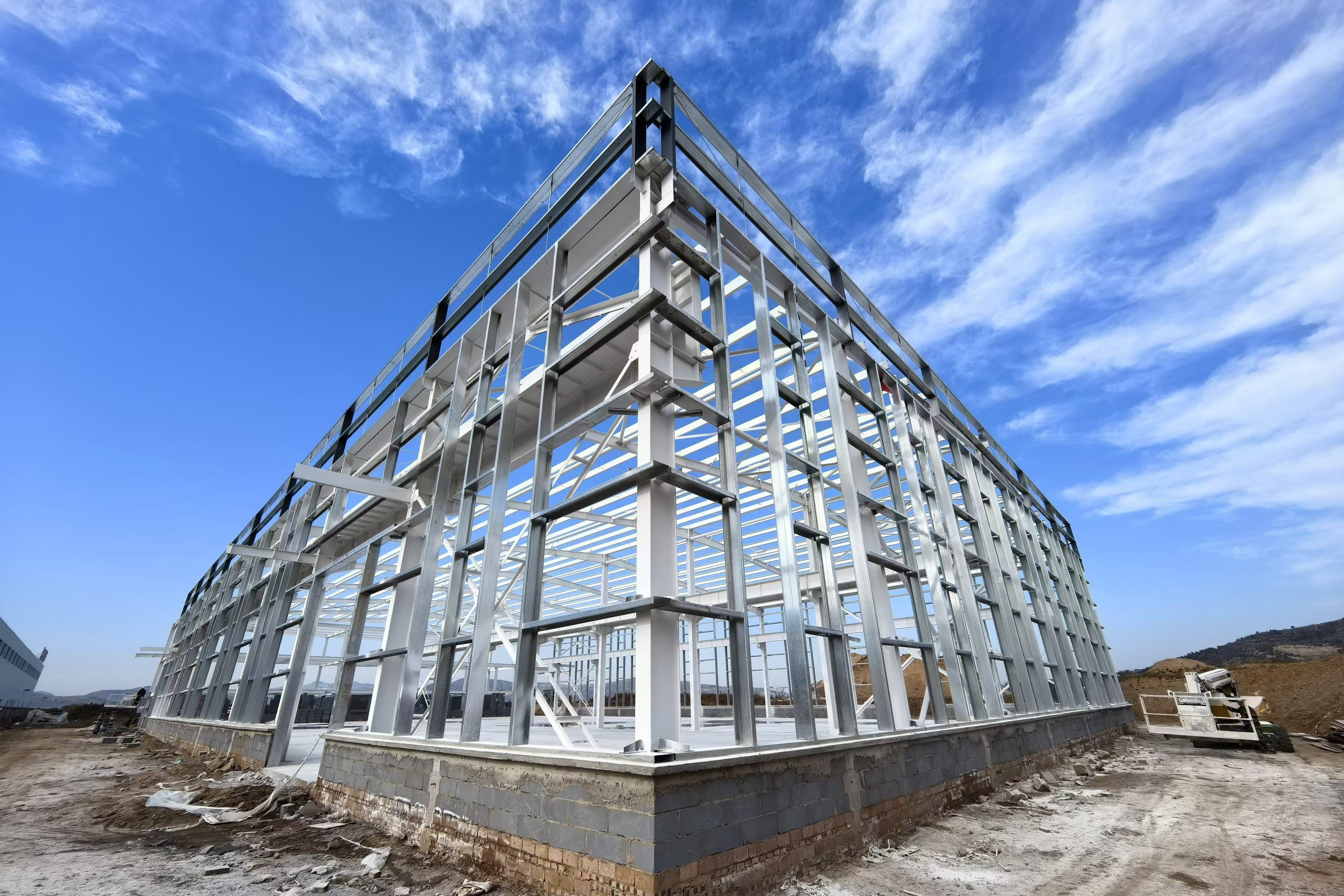
Hot-dip galvanizing means dipping the finished steel into molten zinc at around 450°C. The zinc reacts with the steel surface and forms a coating that becomes part of the metal, rather than sitting on top of it.
It protects in two ways. It seals the steel from air and moisture. And if the coating is scratched or cut, the zinc around the damage corrodes first and protects the steel beside it.
This matters most where paint fails: sharp edges, bolt holes, welded joints and cut ends. Paint goes on thin at exactly those points. Galvanizing covers them inside and out.
Coating thickness is controlled to the ISO 1461 and ASTM A123 standards, so you can specify what your site needs — and check it on the inspection report before the container leaves.
| Hot-dip galvanized | Painted | |
|---|---|---|
| First cost | Higher | Lower |
| Recoating | Normally not needed for decades in most environments | Every few years, sooner near the coast |
| Edges and cut ends | Covered all round | Thin, first to fail |
| Maintenance disruption | None | Scaffolding, labour, area shut down |
| Best suited to | Coastal, humid and rainy climates | Dry inland sites with easy access |
For coastal and high-rainfall projects, galvanizing usually wins on total cost — not because it is cheaper today, but because you stop paying for it every few years.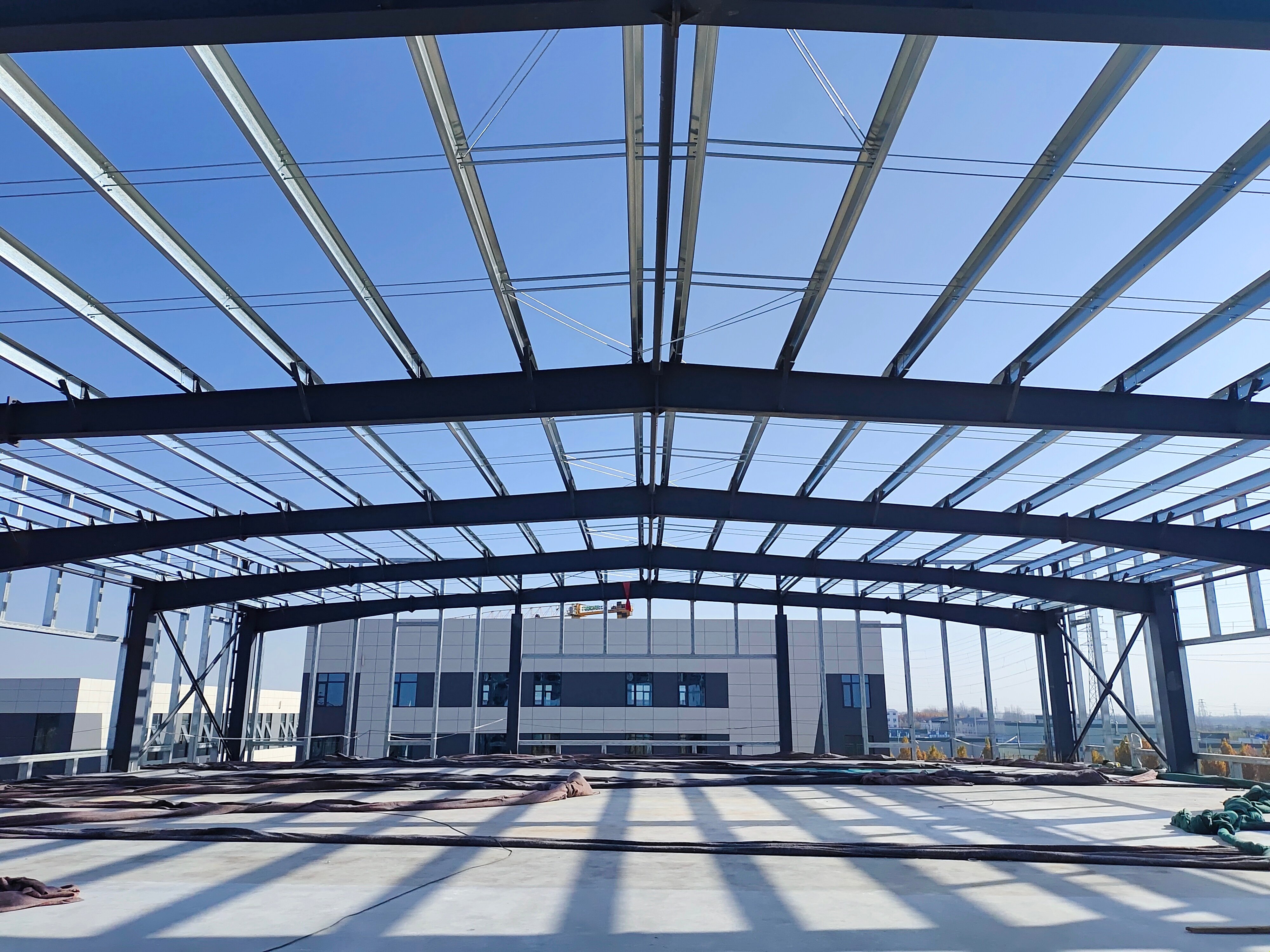
Steel grade and coating are checked in our steel structure factory, not assumed. We work to ISO 1461 and ASTM A123 for coating thickness, record the results in the inspection report, and ship the documentation with the container so your engineer can verify it on arrival.
If your site needs a specific coating class, tell us the distance to the coast and the local climate and we will specify accordingly.
Send us your building size, location, distance to the coast and what you will store or produce inside. Whether it is an industrial steel warehouse or a factory building, we will reply within 3 working days with a design direction, a suitable coating specification and a clear price.
We are a steel structure manufacturer in China. Completed Weilan steel structure projects are already in use in Somalia, Nigeria, Côte d'Ivoire, Congo and Angola, as well as in Romania, Germany, Bosnia and Herzegovina, the Netherlands, Italy and the United Arab Emirates — many of them standing in exactly the conditions described above.