

July 17, 2026



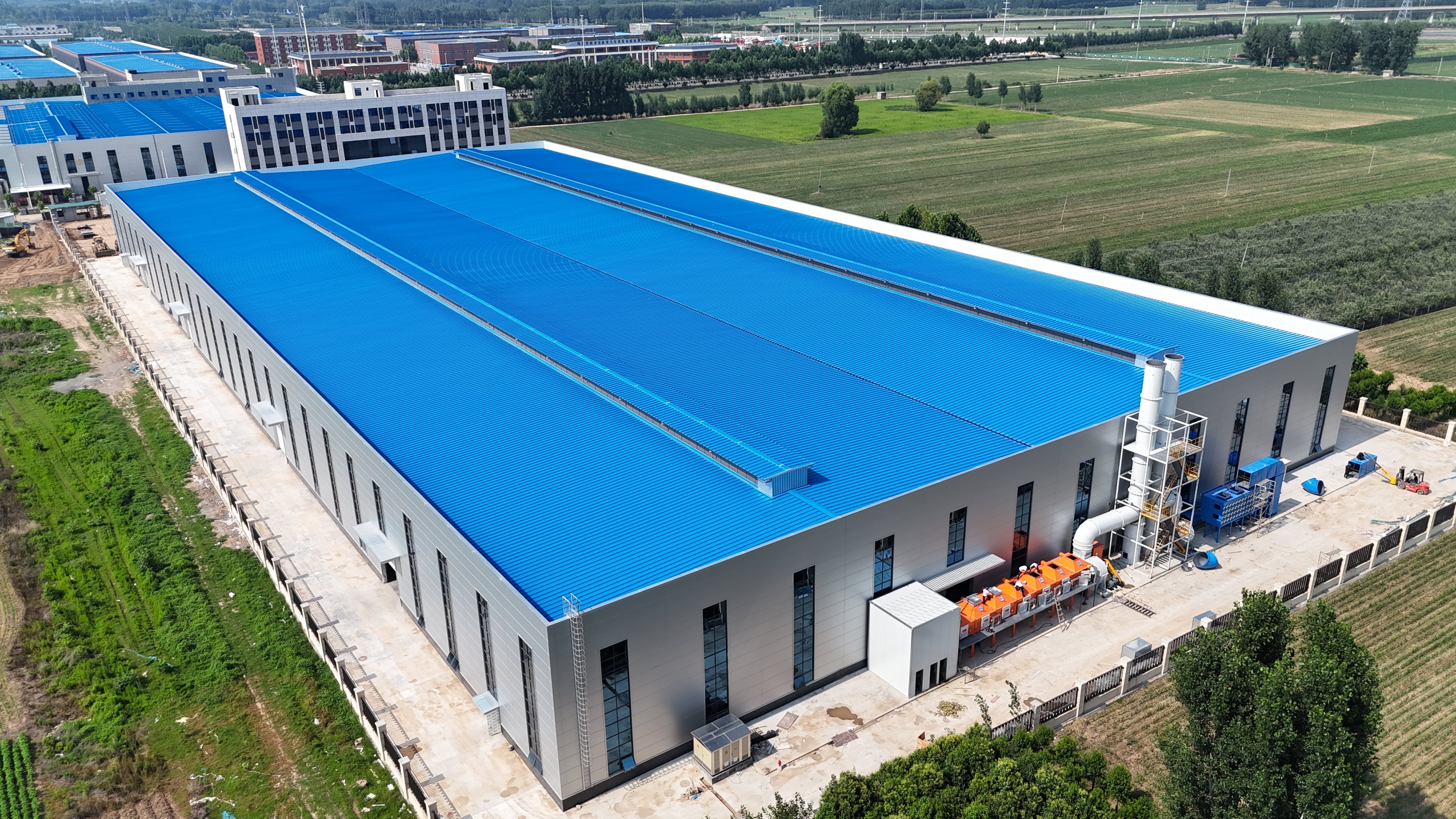
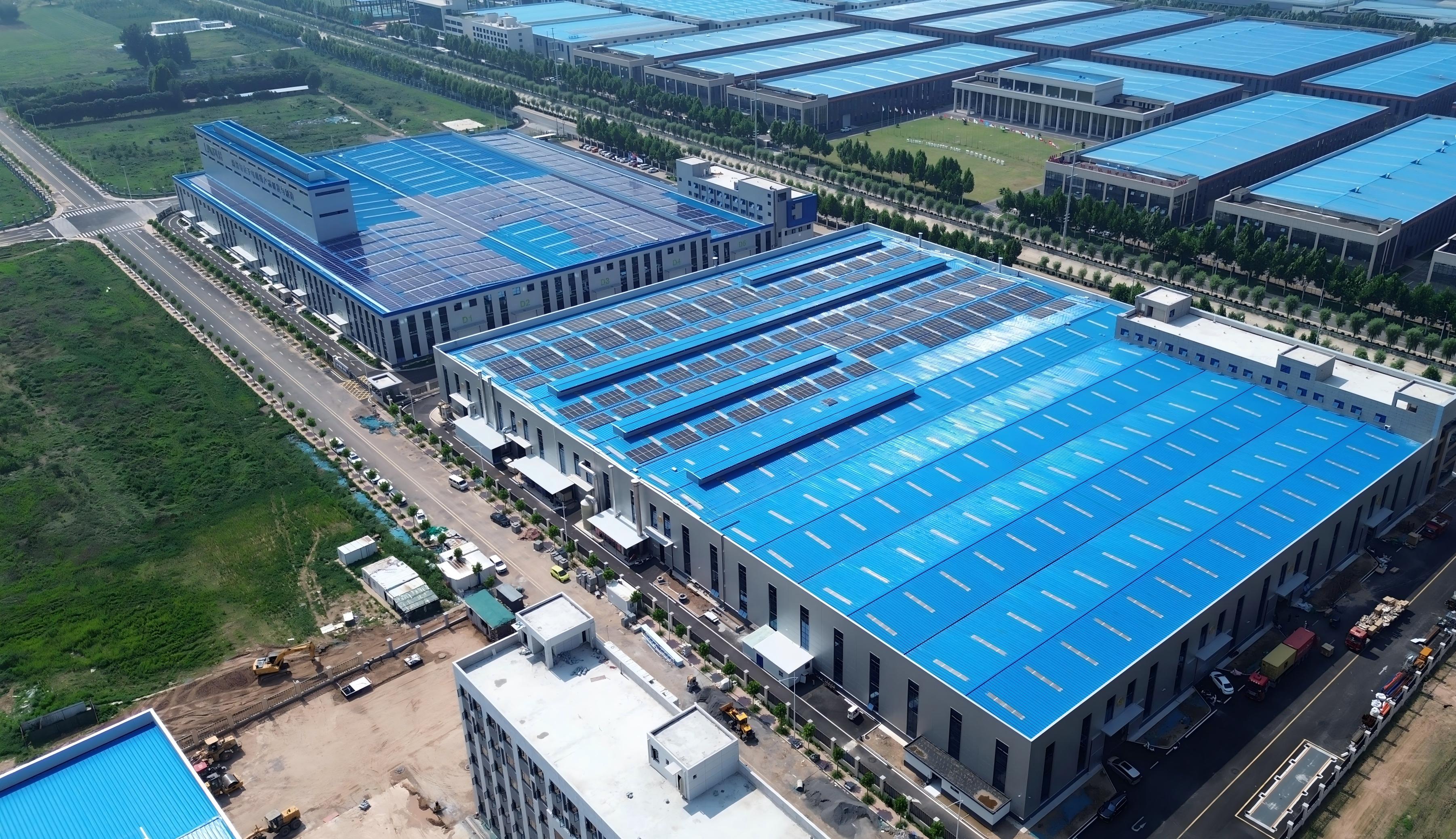
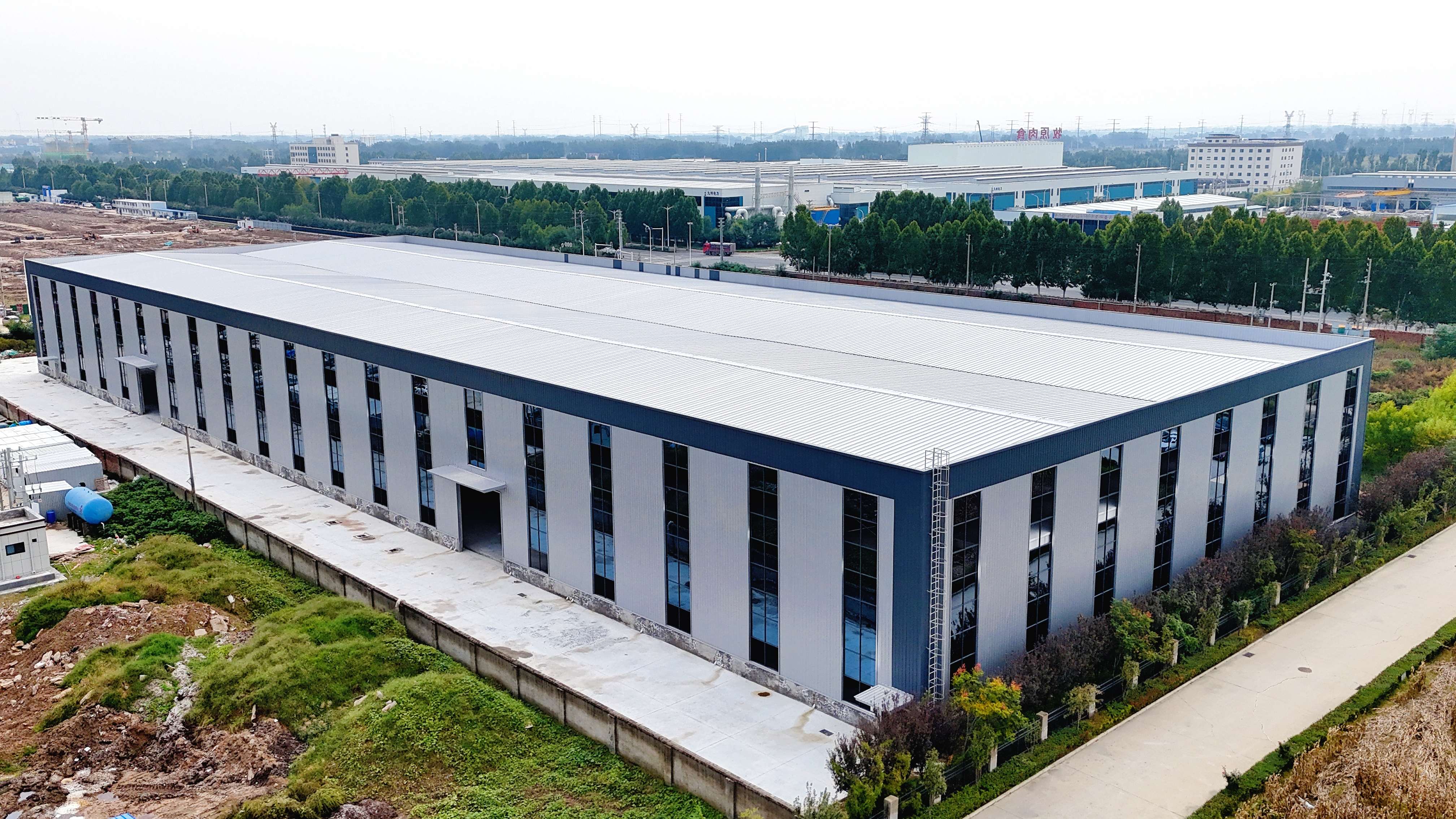
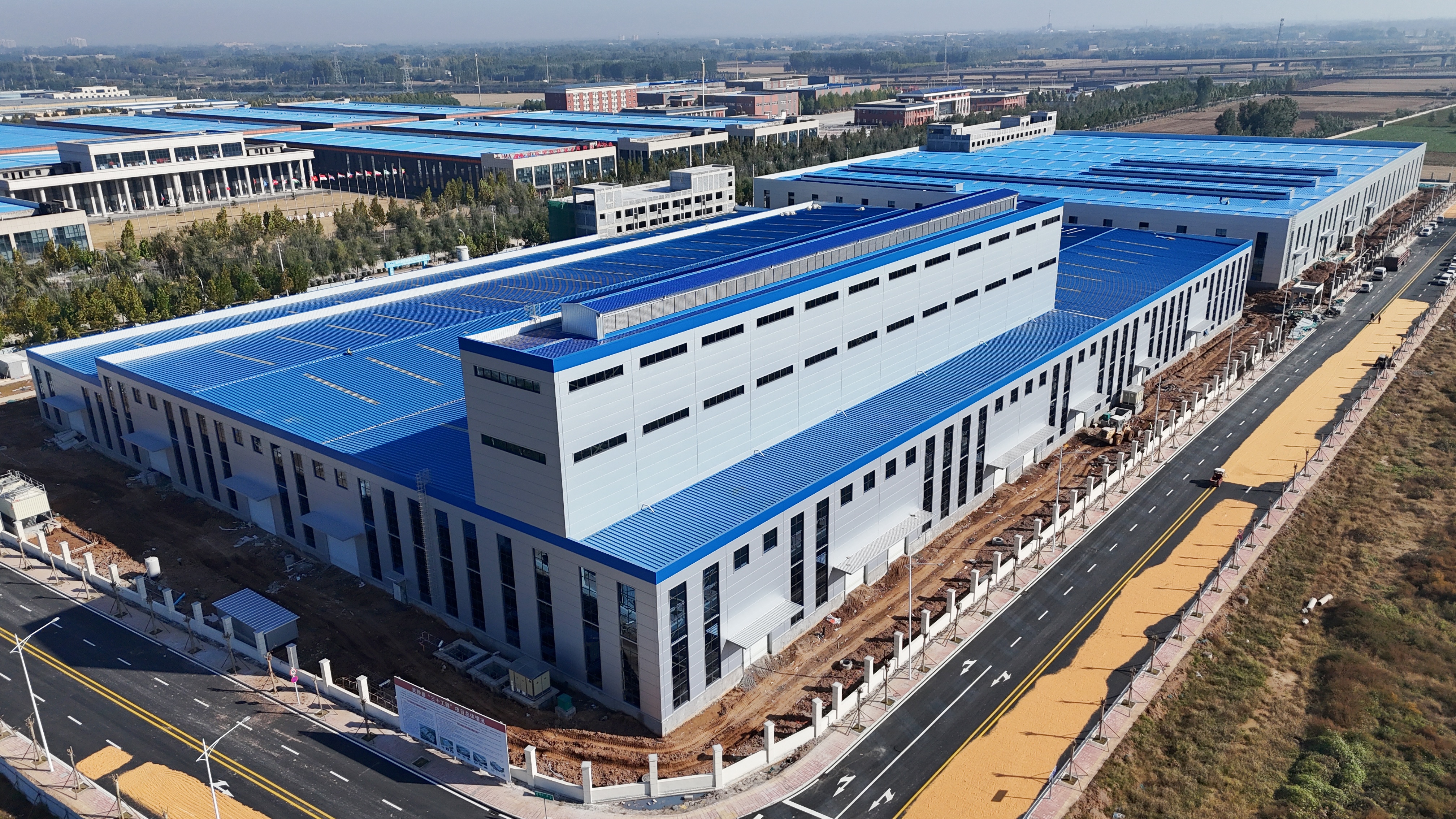
Safety and stability are two of the most important factors in modern construction. Steel structure buildings are widely used around the world because they can effectively resist environmental forces such as strong winds and earthquakes through advanced engineering design and flexible structural systems.
Wind creates horizontal pressure on a building, especially for large structures such as steel warehouses, factories, and industrial buildings. Engineers design steel structures with several systems to improve wind resistance:
These features help steel buildings maintain stability even in areas with strong winds or storms.
During an earthquake, buildings experience repeated horizontal movements. Steel structures perform well because steel has high strength, flexibility, and ductility.
Key earthquake-resistant features include:
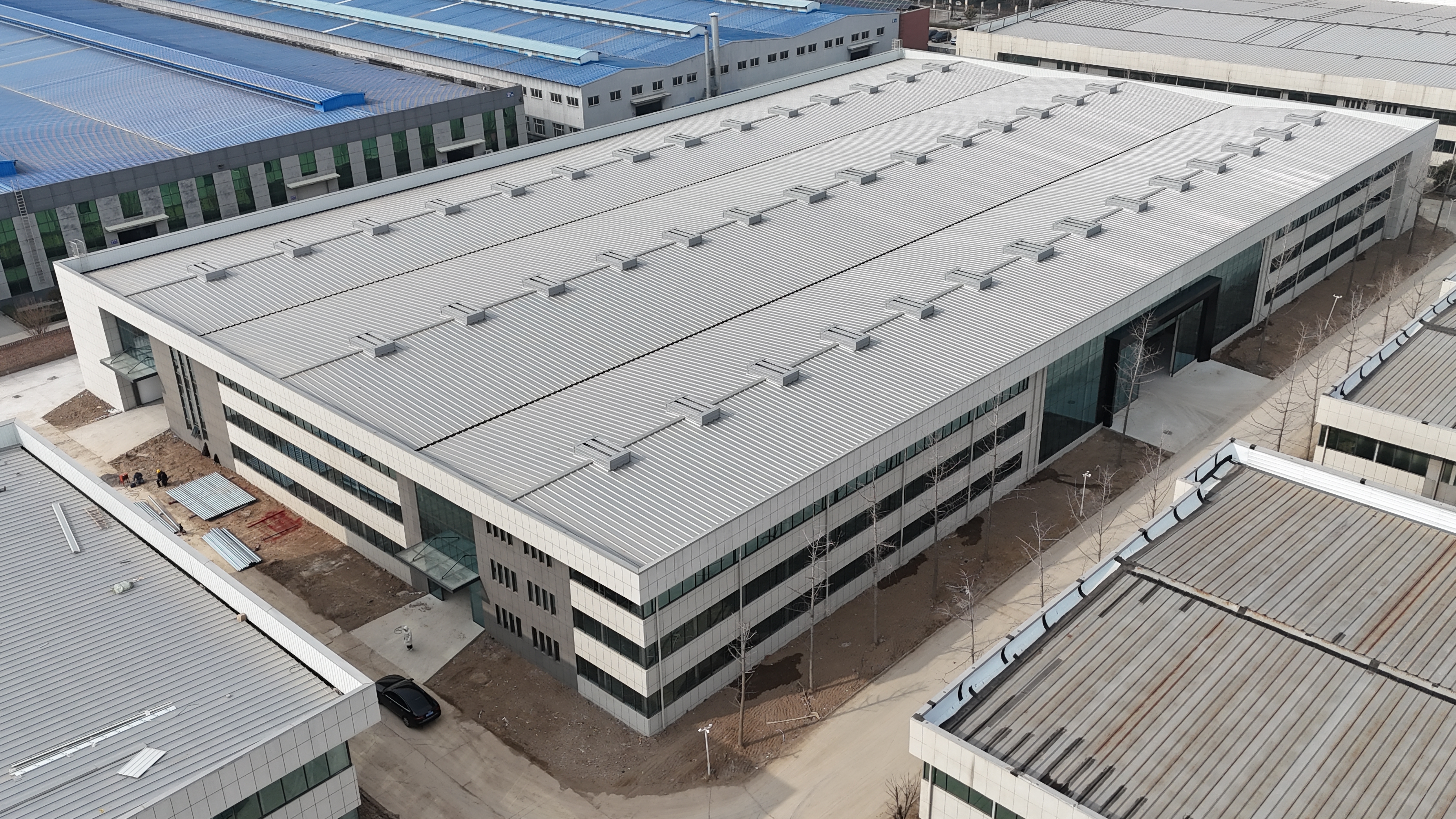
Because of its strength and flexibility, steel is commonly used for:
In regions such as Africa, South America, and Southeast Asia, where projects may face extreme weather conditions, properly designed steel buildings provide reliable and durable solutions.
Steel structures resist wind and earthquake forces through strong materials, advanced engineering design, bracing systems, and flexible connections. With professional design and proper construction, steel structure buildings provide safety, durability, and long-term performance for industrial and commercial projects.