

July 23, 2026



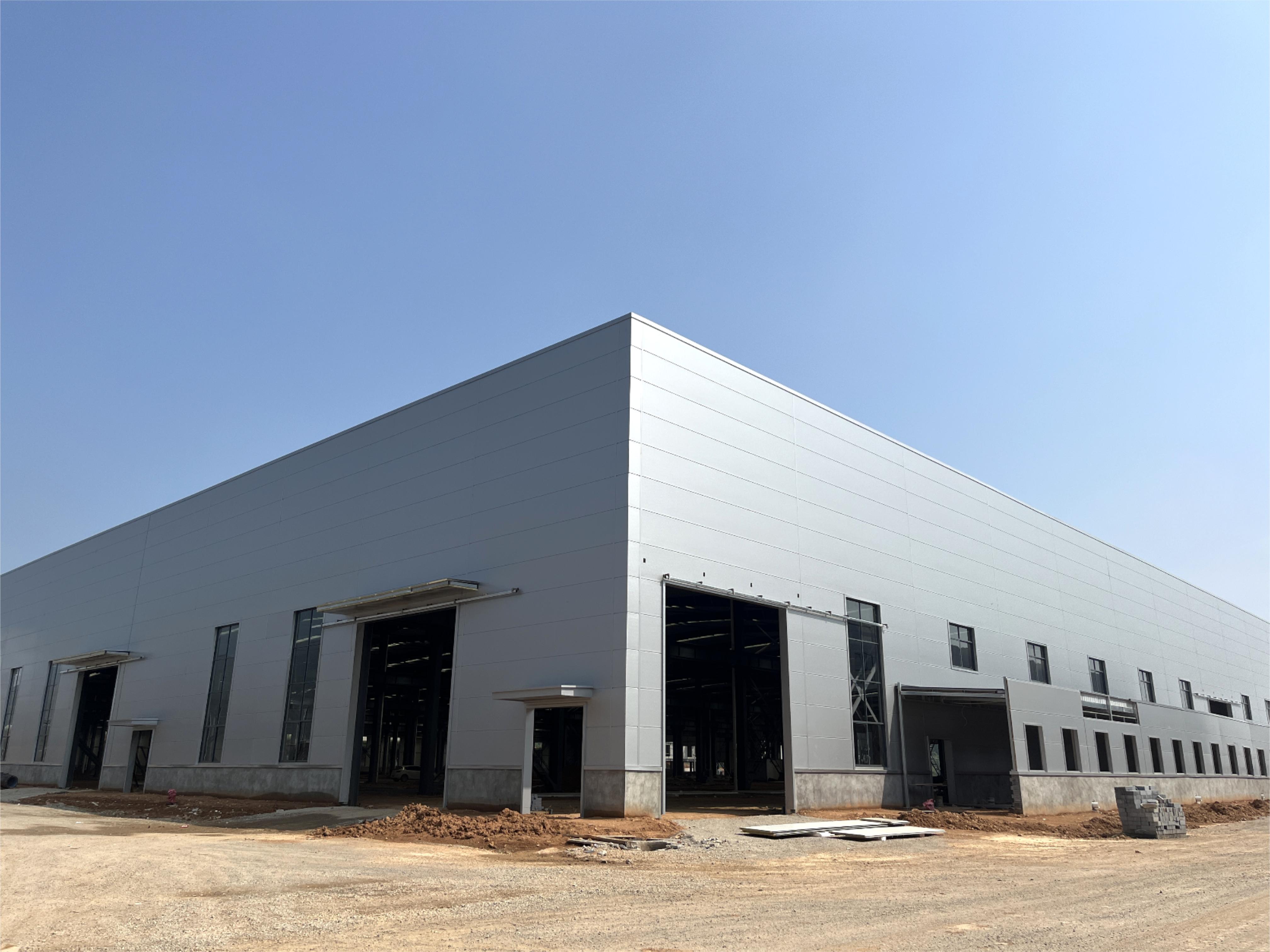
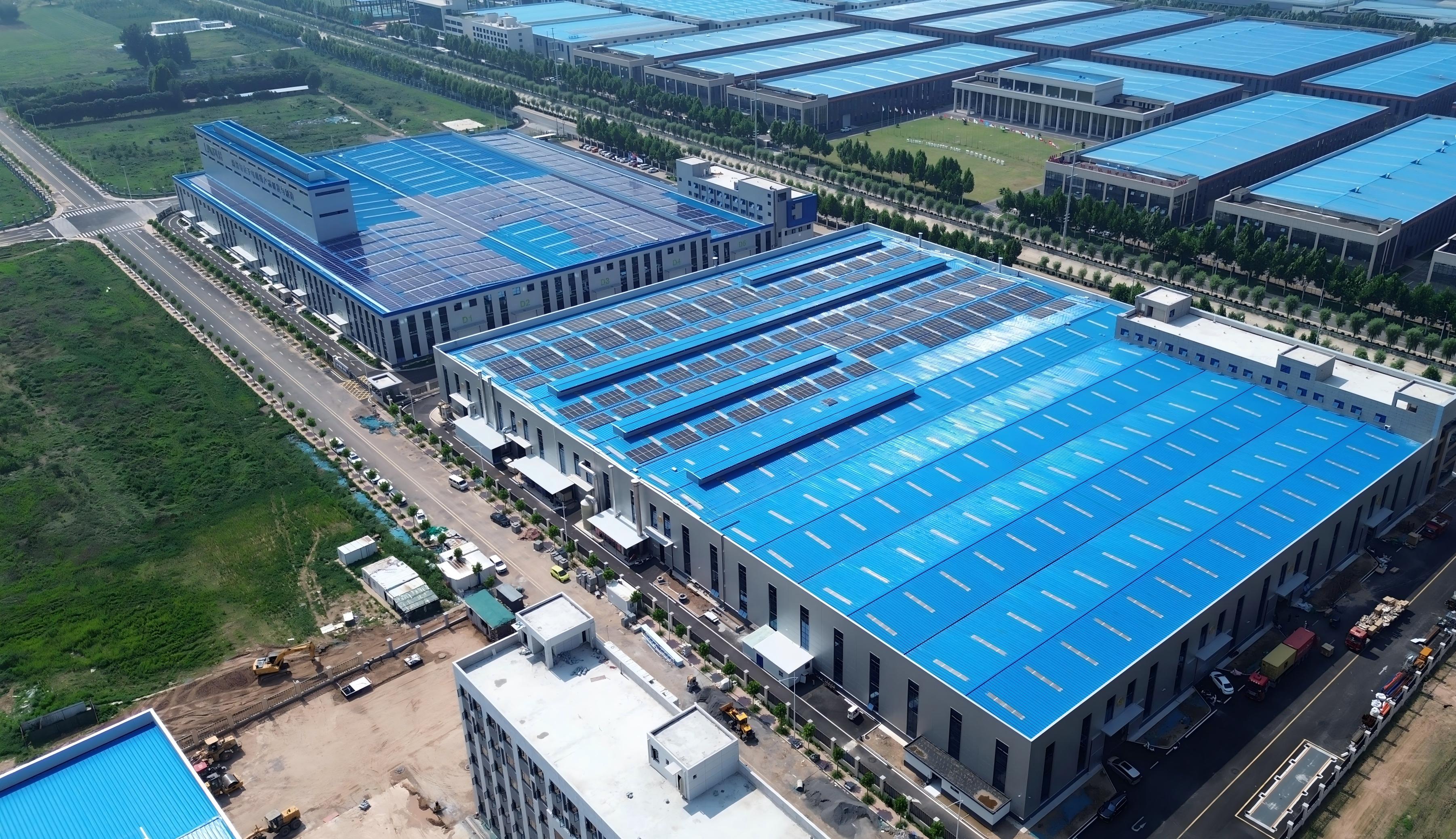
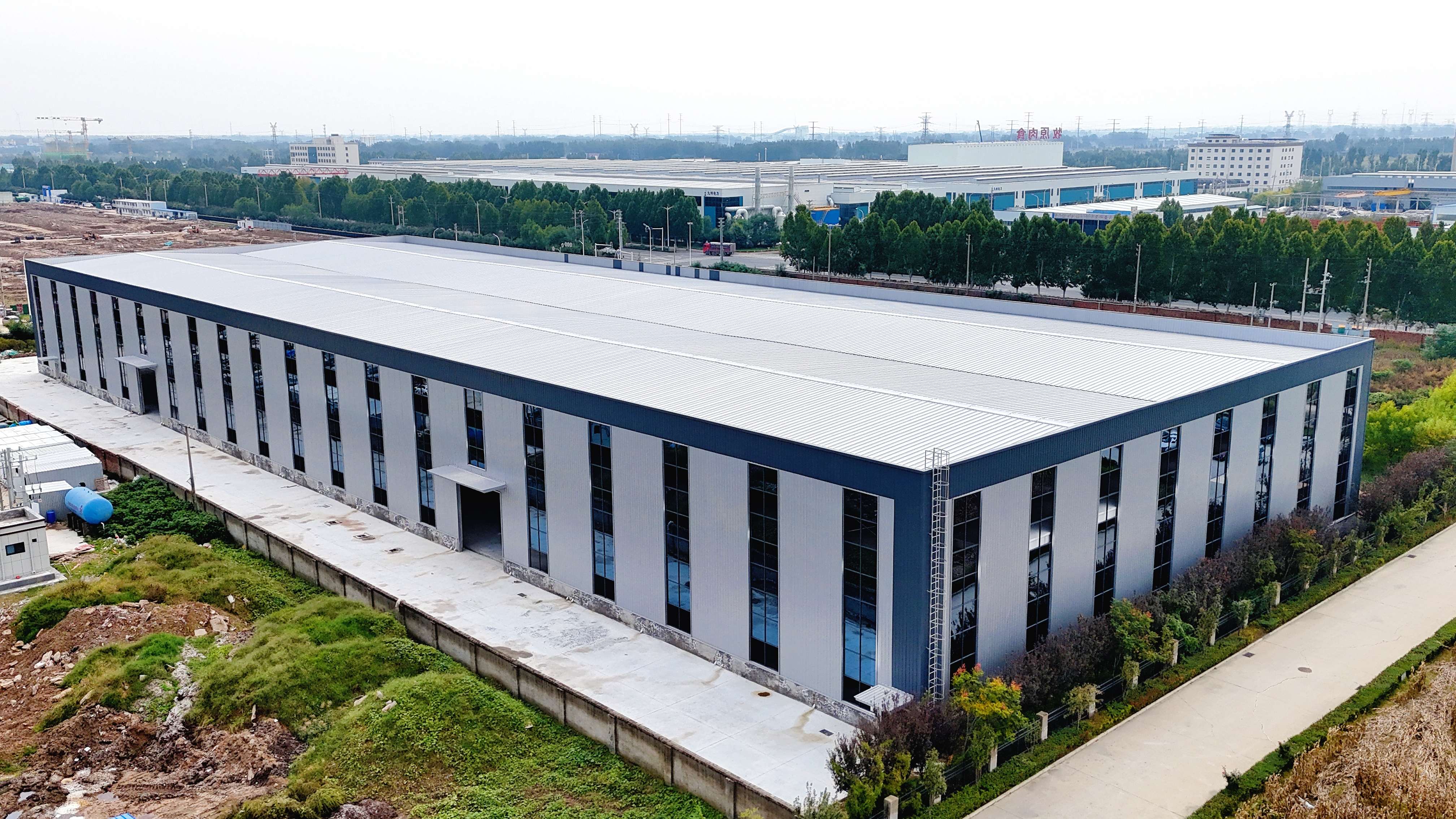
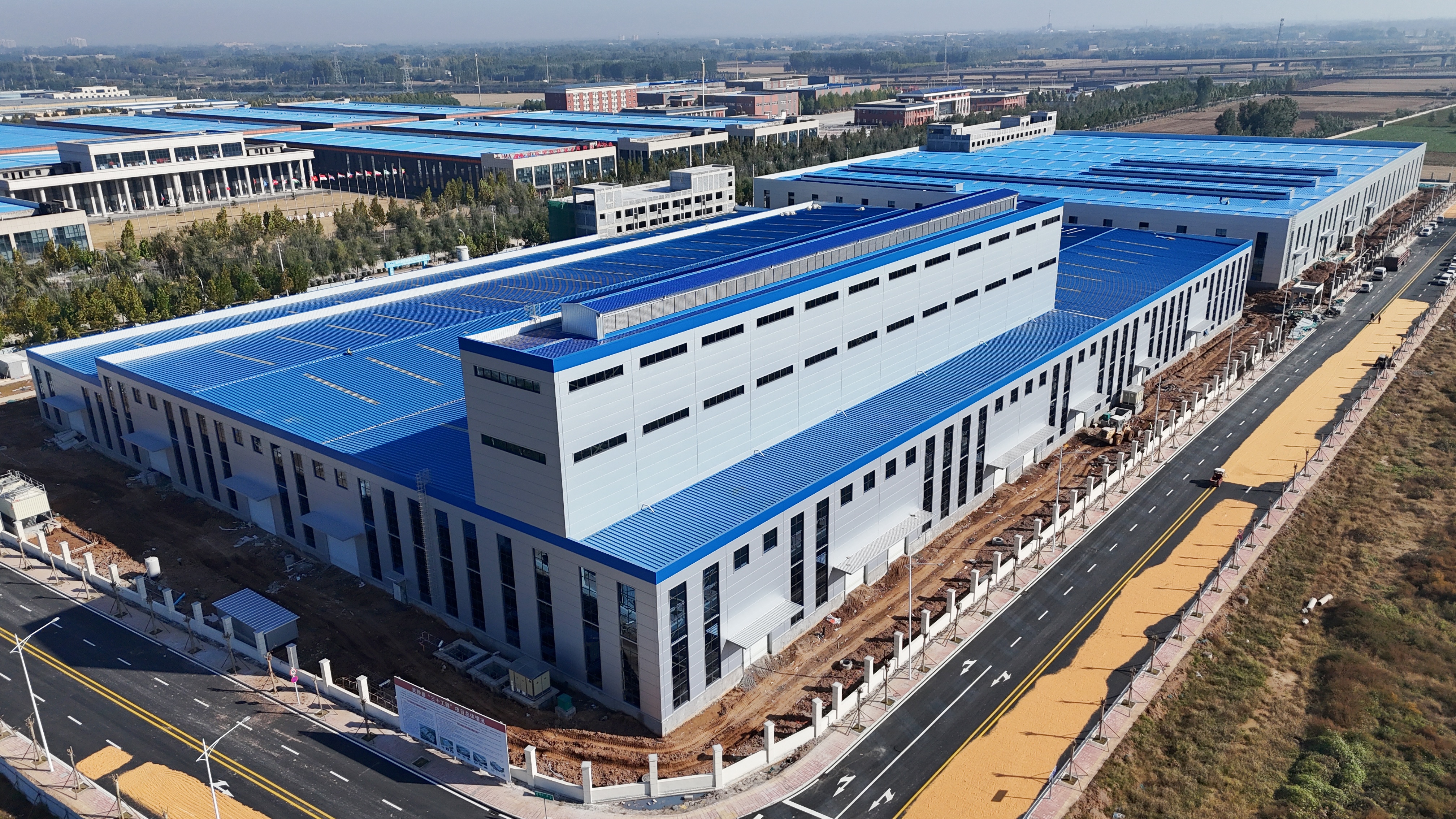
The rapid growth of global e-commerce, manufacturing, and supply chains has increased the demand for modern steel structure warehouses. Today, logistics companies prefer prefabricated steel warehouses because they offer faster construction, lower operating costs, and flexible space for efficient storage and distribution.
Time is critical in the logistics industry. Steel structure warehouses are manufactured off-site and assembled quickly, reducing construction time by up to 30–50% compared with traditional buildings. This allows businesses to begin operations sooner and achieve a faster return on investment.
One of the biggest advantages of a steel warehouse is its clear-span design. With fewer interior columns, companies can maximize storage capacity and improve forklift movement, pallet racking, and loading operations.
This makes steel buildings ideal for:
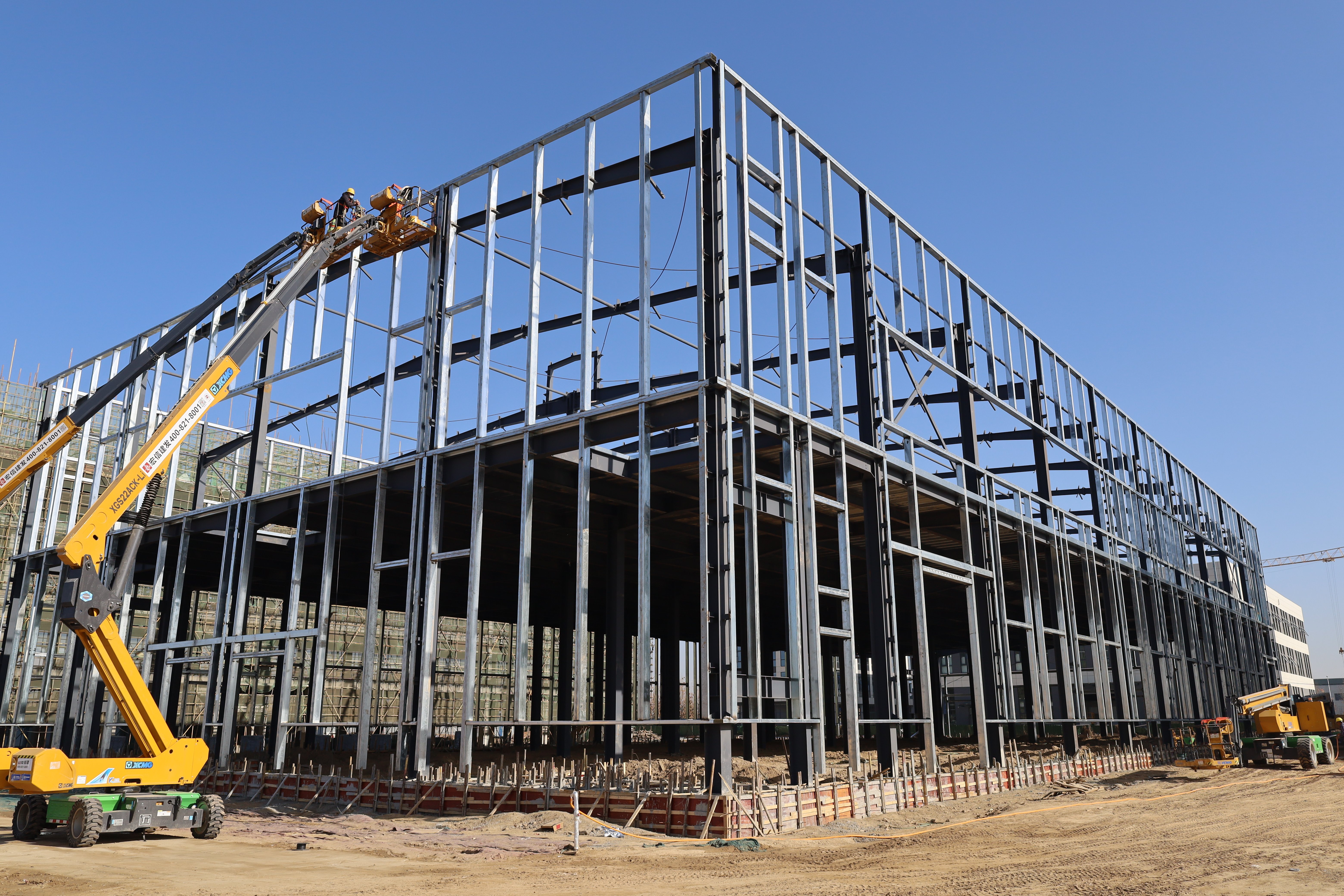
Compared with conventional construction, steel structure buildings require less maintenance and are built to withstand demanding industrial environments. High-strength steel and corrosion-resistant coatings provide a long service life while reducing maintenance costs.
As businesses grow, warehouse space often needs to increase. Steel buildings can be expanded by adding new structural bays with minimal disruption, making them a practical solution for growing logistics companies.
Industrial development and logistics investment continue to grow in countries such as Nigeria, Kenya, South Africa, Ghana, Tanzania, Ethiopia, Uganda, and Zambia. As supply chains expand, demand for steel warehouses, industrial warehouses, and logistics buildings is expected to increase significantly.
Steel structure warehouses have become the preferred choice for the logistics industry because they combine fast construction, large clear-span space, durability, and cost efficiency. Whether for distribution centers, manufacturing, or storage facilities, prefabricated steel warehouses provide a reliable solution for modern logistics operations.