

September 14, 2026



How long does it take to build a steel warehouse? For a typical prefabricated steel building, the total project schedule can range from several weeks to several months, depending on the building size, design complexity, shipping distance, foundation work, and site conditions.
Unlike traditional construction, a prefabricated steel structure is manufactured in a factory while site preparation can take place at the same time. This parallel approach can significantly shorten the overall project schedule.
The project begins with confirming the building dimensions, span, height, roof and wall systems, insulation, doors, windows, crane requirements, and local structural loads.
Once the drawings and specifications are approved, production can begin.
For a standard prefabricated steel structure, manufacturing usually includes:
Steel plate cutting
H-beam assembly
Welding
Straightening
Shot blasting
Painting
Quality inspection
Packing and marking
Because the main components are manufactured in advance, a steel structure warehouse can be produced with high efficiency and prepared for rapid site erection.
Shipping time depends on the destination, port, shipping route, and container or bulk-cargo arrangement.
For overseas projects, logistics planning should begin early. Export documents and shipping arrangements can be prepared while factory production is underway.
After the shipment reaches the destination port, customs clearance and local transportation are required before the steel structure can reach the project site.
The actual time depends on the country's import procedures, documentation, port conditions, and local customs requirements.
The foundation can often be constructed while the steel components are being fabricated or shipped.
Typical work includes:
Site preparation
Excavation
Reinforcement
Concrete foundations
Anchor bolt installation
Foundation inspection
This is one of the most effective ways to shorten the total schedule.
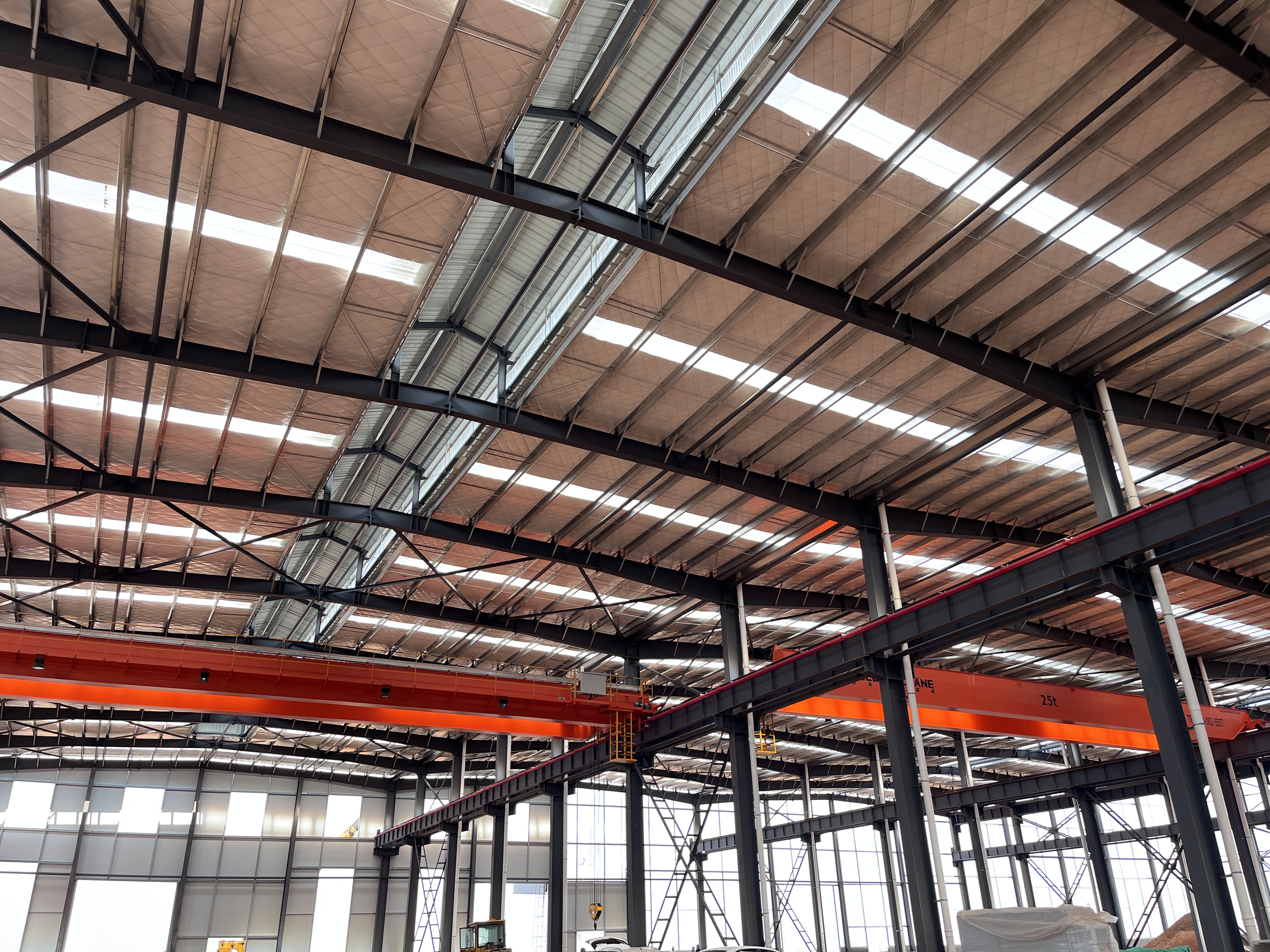
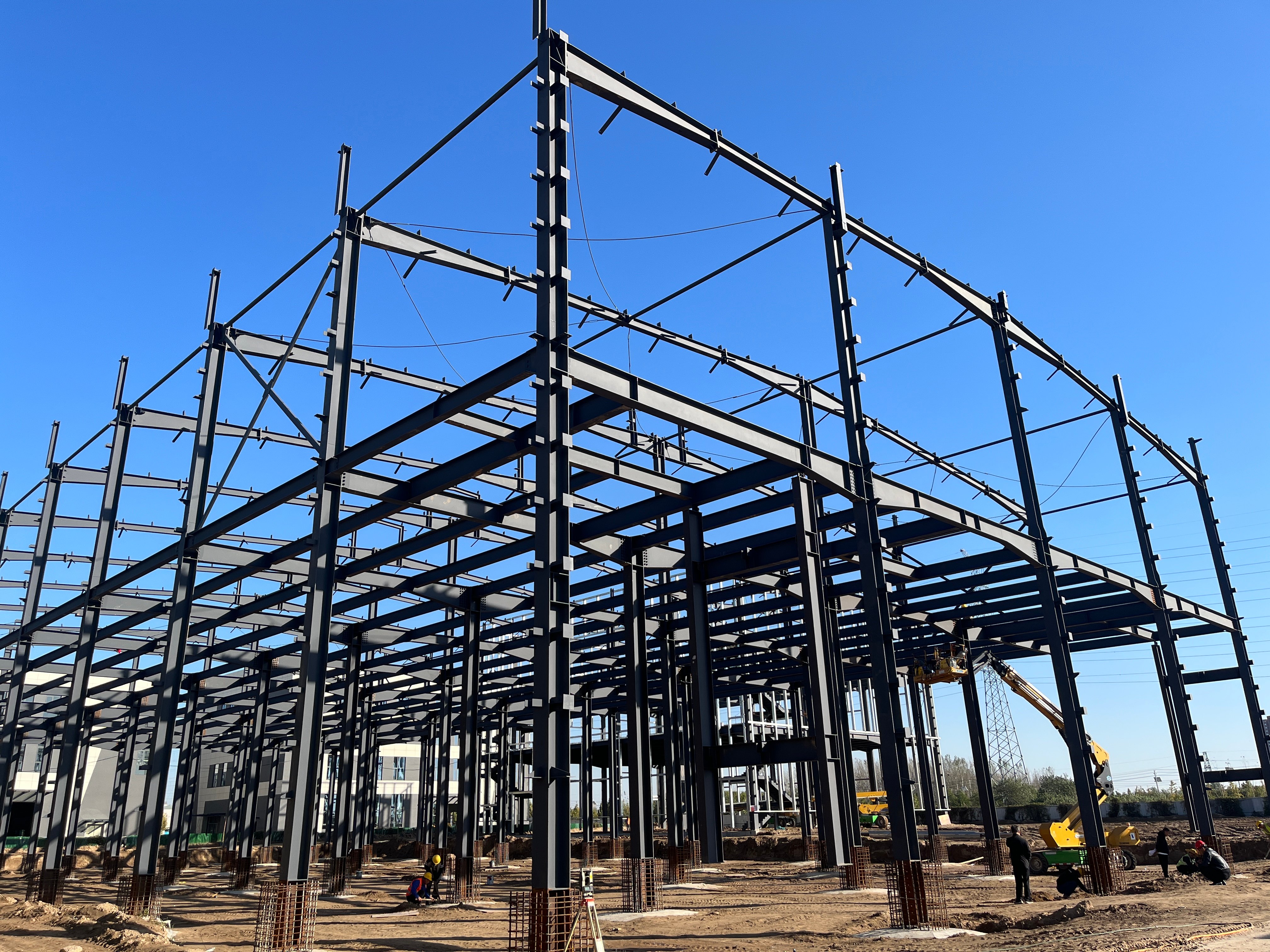
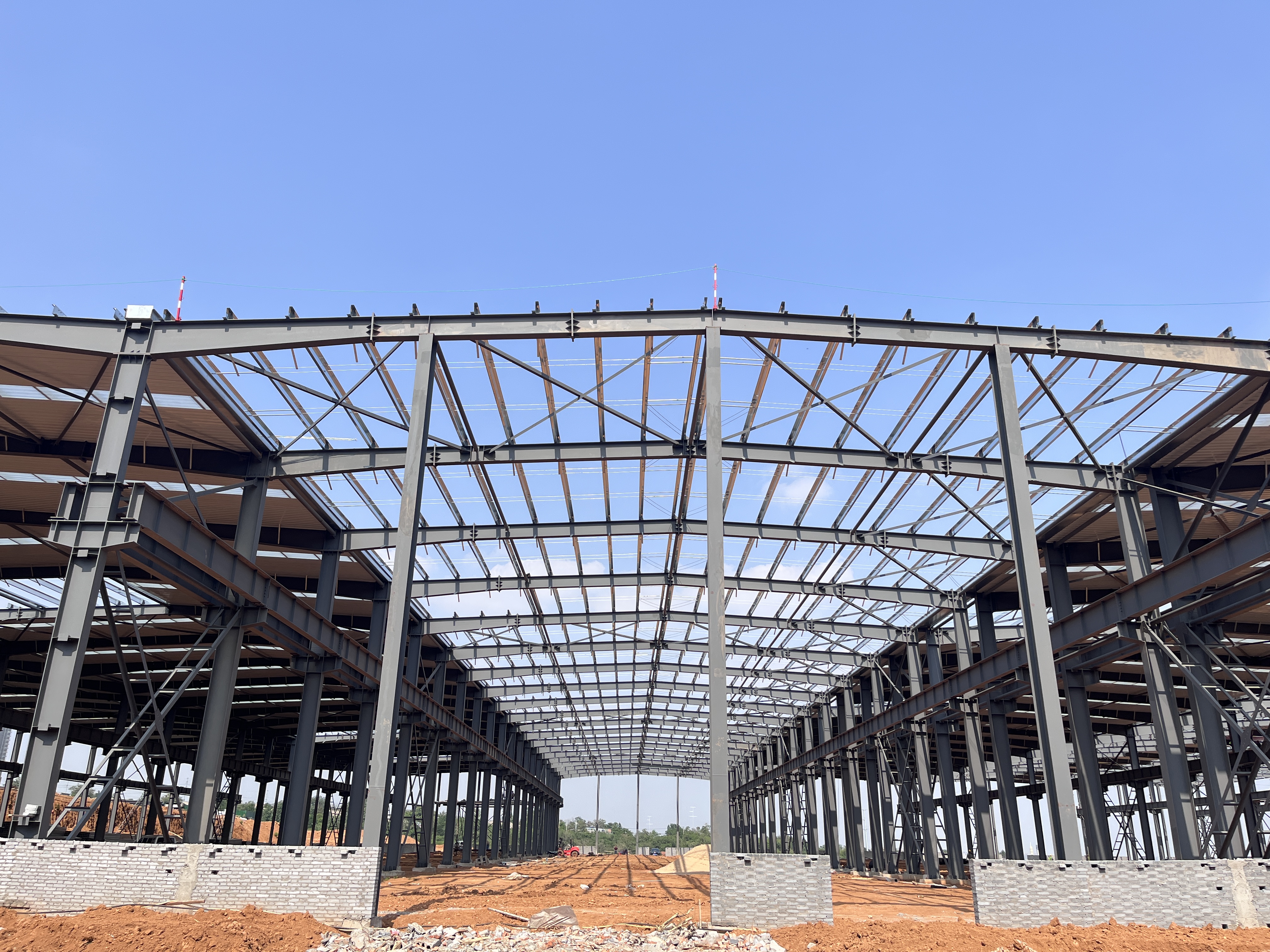
The installation period depends mainly on the warehouse size, structural complexity, weather, equipment, and installation team.
Once the foundation is ready and the components arrive, the steel frame can be erected relatively quickly.
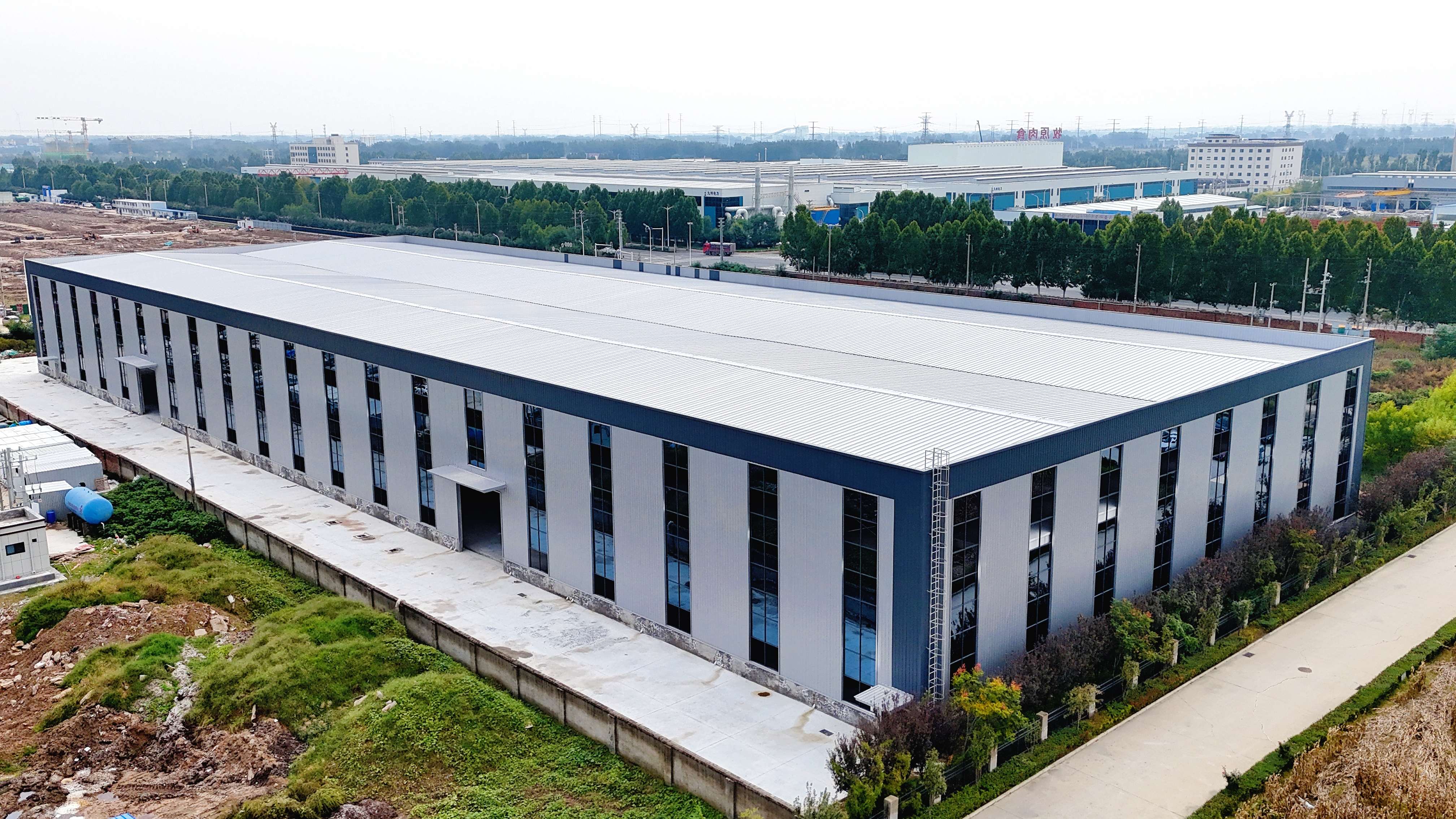
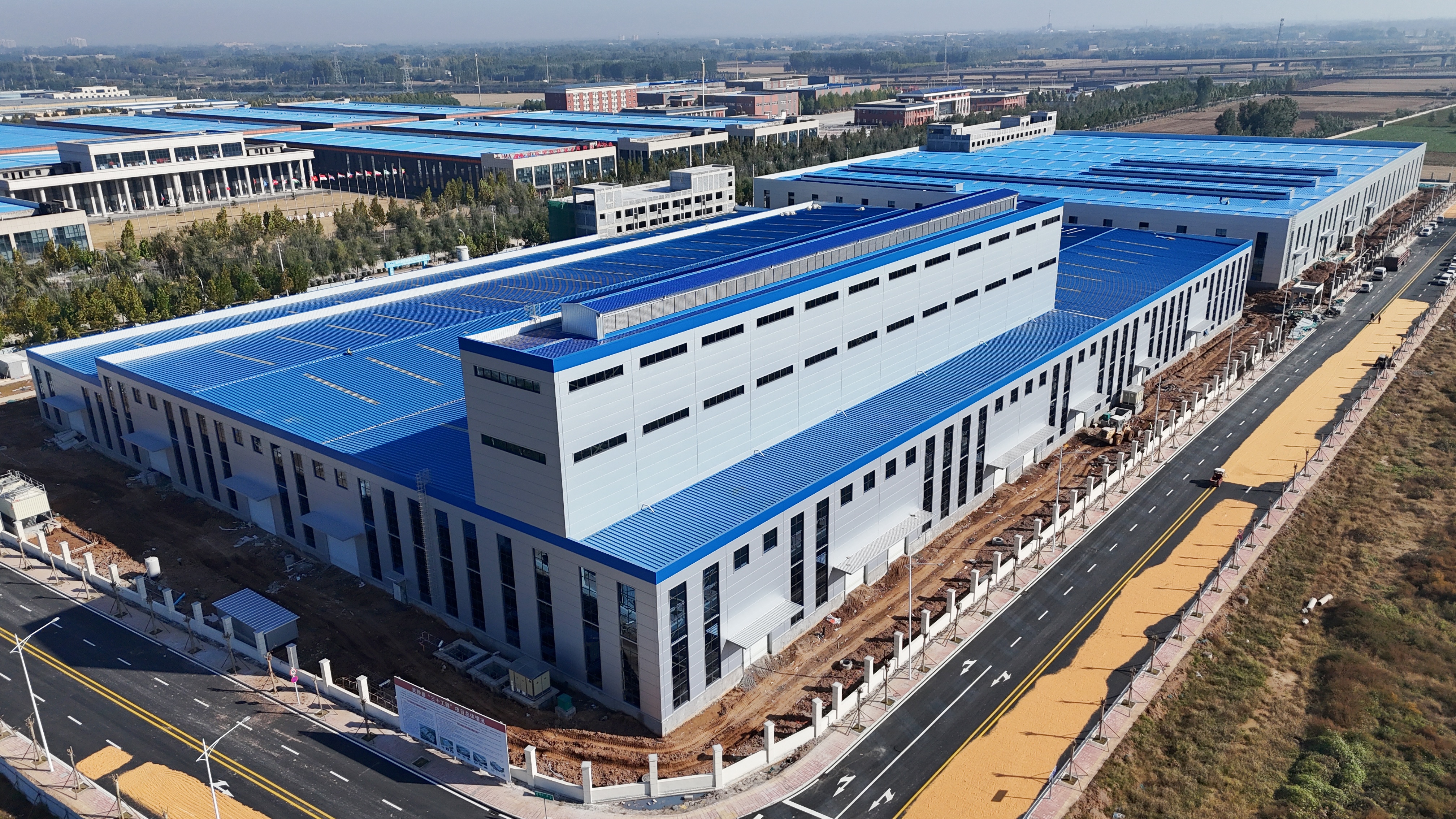
For example, a medium-sized industrial warehouse may require only a few weeks for the main steel frame and enclosure installation, while a larger or more complex project will take longer.
The biggest advantage of a prefabricated steel building is that different stages can proceed at the same time.
For example:
Factory production → sea freight → foundation construction
These activities do not always need to wait for one another.
A clear project schedule, early drawing approval, accurate fabrication, reliable shipping, and experienced site management can help reduce unnecessary delays.
The final delivery and construction schedule depends on several factors:
Building size and tonnage
Design changes
Production capacity
Shipping route
Customs clearance
Foundation progress
Weather conditions
Site access and lifting equipment
Installation team experience
For this reason, there is no single delivery time that applies to every project.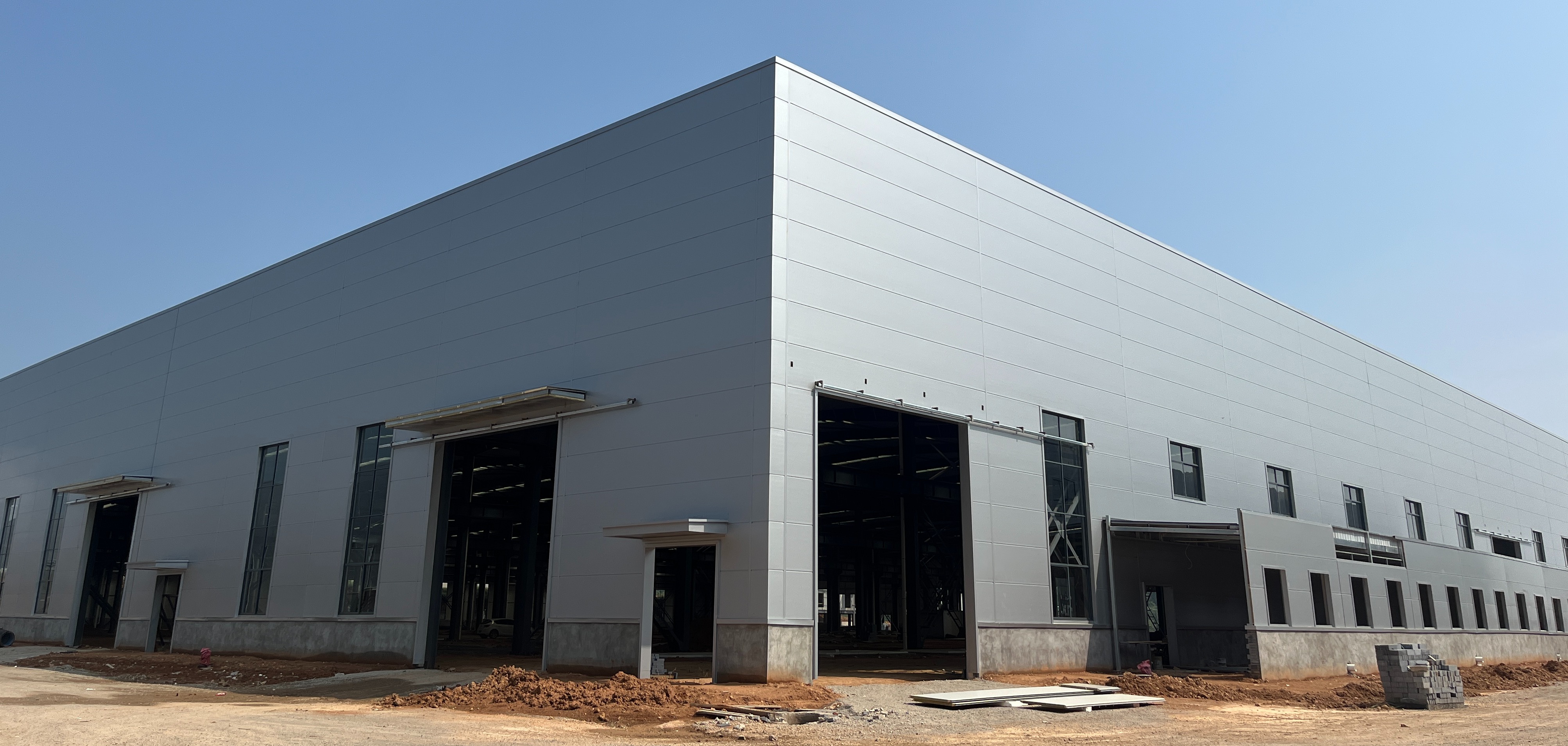
Conclusion
For many standard projects, a prefabricated steel structure can move from design confirmation to factory production, shipping, and site erection within a few months. The key is not only fast manufacturing, but also parallel project management.
For companies planning a steel structure warehouse or industrial warehouse, working with a manufacturer that manages design, production, logistics, and installation as one process can help achieve faster and more predictable project delivery.