

September 01, 2026



Yes, steel buildings can rust in tropical climates when they are exposed to high humidity, heavy rainfall, salt air, or poor surface protection. However, properly designed and protected steel structure buildings can perform well for many years, even in hot and humid environments.
Rust develops when steel is exposed to moisture and oxygen. Tropical climates create favorable conditions for corrosion because of:
High humidity
Frequent rainfall
Coastal salt air
Poor drainage or water accumulation
Industrial pollutants
Coastal locations generally require more attention to corrosion protection than dry inland areas.
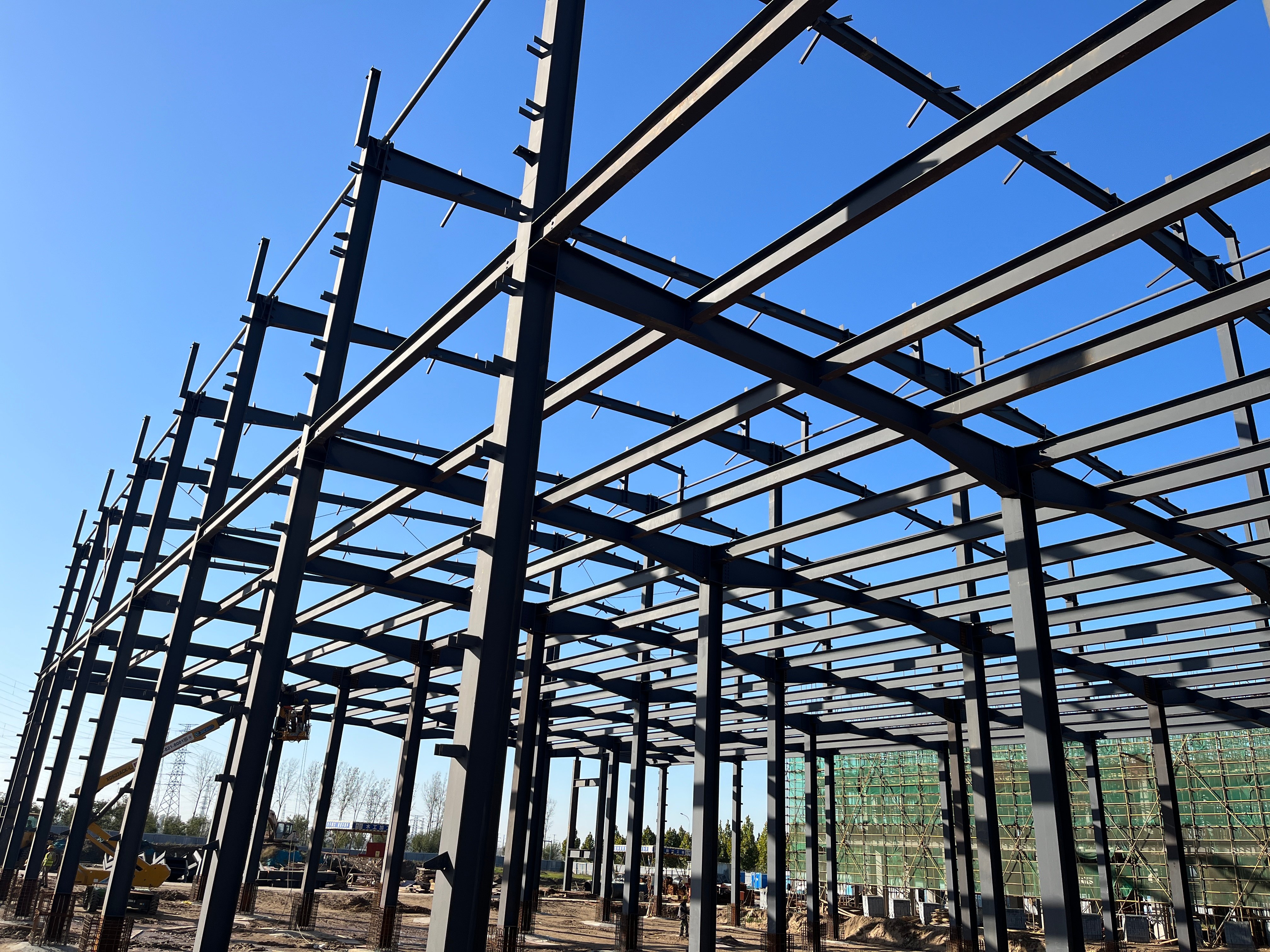
Several methods are commonly used for steel building corrosion protection.
Steel components can be cleaned and coated with primer and protective paint. A suitable coating system helps prevent moisture from reaching the steel surface.
Hot-dip galvanizing adds a protective zinc coating to steel. It is widely used for components that face moisture and outdoor exposure.
Before painting, steel is normally cleaned and prepared to improve coating adhesion. Shot blasting is commonly used for structural steel fabrication.
Corrosion protection also depends on building design. Proper drainage, ventilation, roof details, and avoiding areas where water can collect can help reduce corrosion risk.
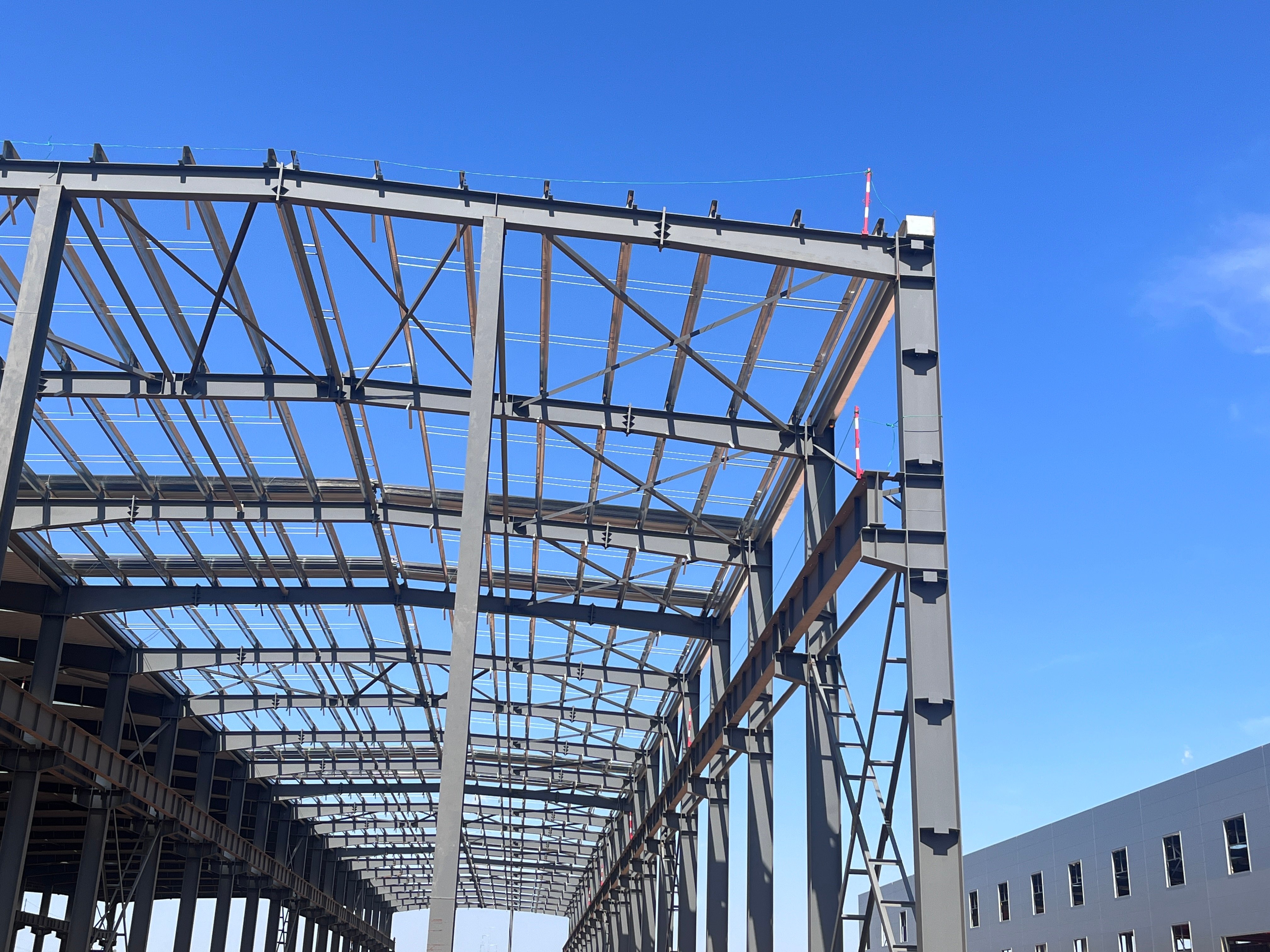
For steel warehouses, steel workshops, and industrial buildings in countries such as Nigeria, Ghana, Kenya, Tanzania, and coastal areas, corrosion protection should be selected according to the local environment.
A building near the coast may require a stronger protection system than a similar project in a dry inland area.
Steel buildings do not inevitably rust in tropical climates. With proper surface preparation, protective coatings, galvanizing, drainage, and regular maintenance, steel structures can provide reliable long-term performance.
For any steel warehouse or industrial steel building, corrosion protection should be included during the design stage rather than treated as an afterthought.