

September 03, 2026



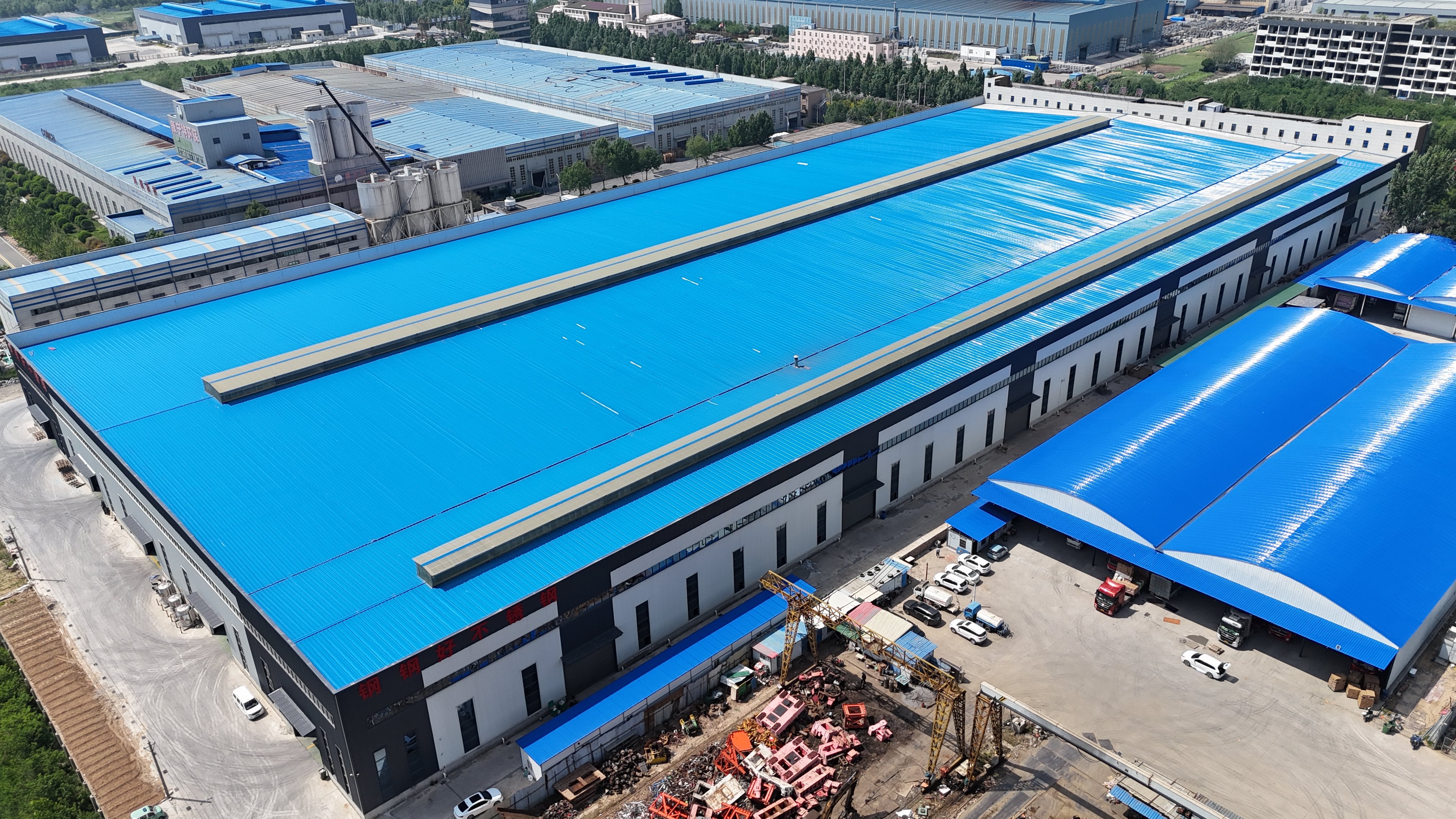
When you order a steel warehouse, steel workshop, or industrial steel building, the finished structure does not appear on site overnight. Behind every project is a detailed steel fabrication process that turns raw steel plates into accurately manufactured building components.
Understanding each step helps buyers see what happens inside a professional steel fabrication factory and why manufacturing quality matters.
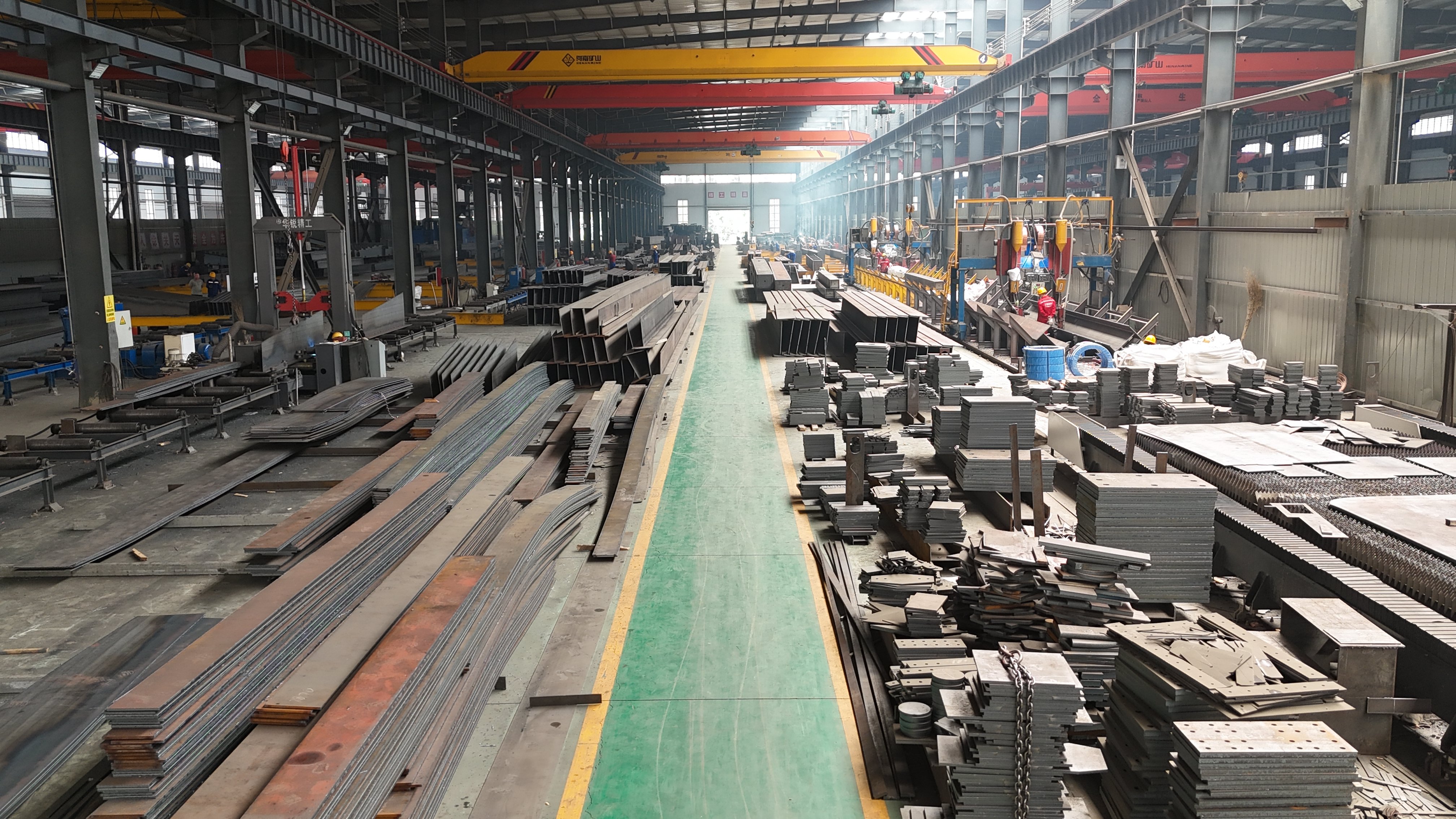
The process starts with steel plates and sections being cut according to approved fabrication drawings.
CNC plasma or laser cutting equipment is used to achieve accurate dimensions and prepare the components for the next stage. Precise cutting helps ensure that different parts fit correctly during assembly.
After cutting, individual steel plates are positioned and assembled into components such as H-shaped steel beams and columns.
This stage, often called fit-up or assembly, ensures that plates are correctly aligned before welding. Accurate positioning is important because even small dimensional errors can affect the final structure.
Once the components are assembled, welding permanently joins the steel plates together.
Depending on the component and production requirements, factories may use automatic welding equipment, submerged arc welding, or other suitable welding processes. Controlled welding helps improve consistency and structural quality.
Heat generated during welding can cause slight deformation. Straightening equipment is therefore used to correct the shape and ensure that beams and columns meet the required dimensional tolerances.
This step helps make the steel components easier to transport, connect, and install at the construction site.
Before painting, fabricated steel components are cleaned by shot blasting.
This removes rust, mill scale, and surface contaminants while creating a suitable surface for protective coatings. Proper surface preparation helps improve paint adhesion and corrosion protection.
After blasting, the steel components receive the specified primer and finishing coatings.
The coating system is selected according to the project requirements and environmental conditions. For buildings in humid or coastal areas, additional corrosion protection may be required.
For larger or more complex projects, selected components may be pre-assembled in the factory before shipment.
Trial assembly allows manufacturers to check dimensions, connection positions, and component compatibility in advance. Identifying potential problems at the factory can reduce installation difficulties on site.
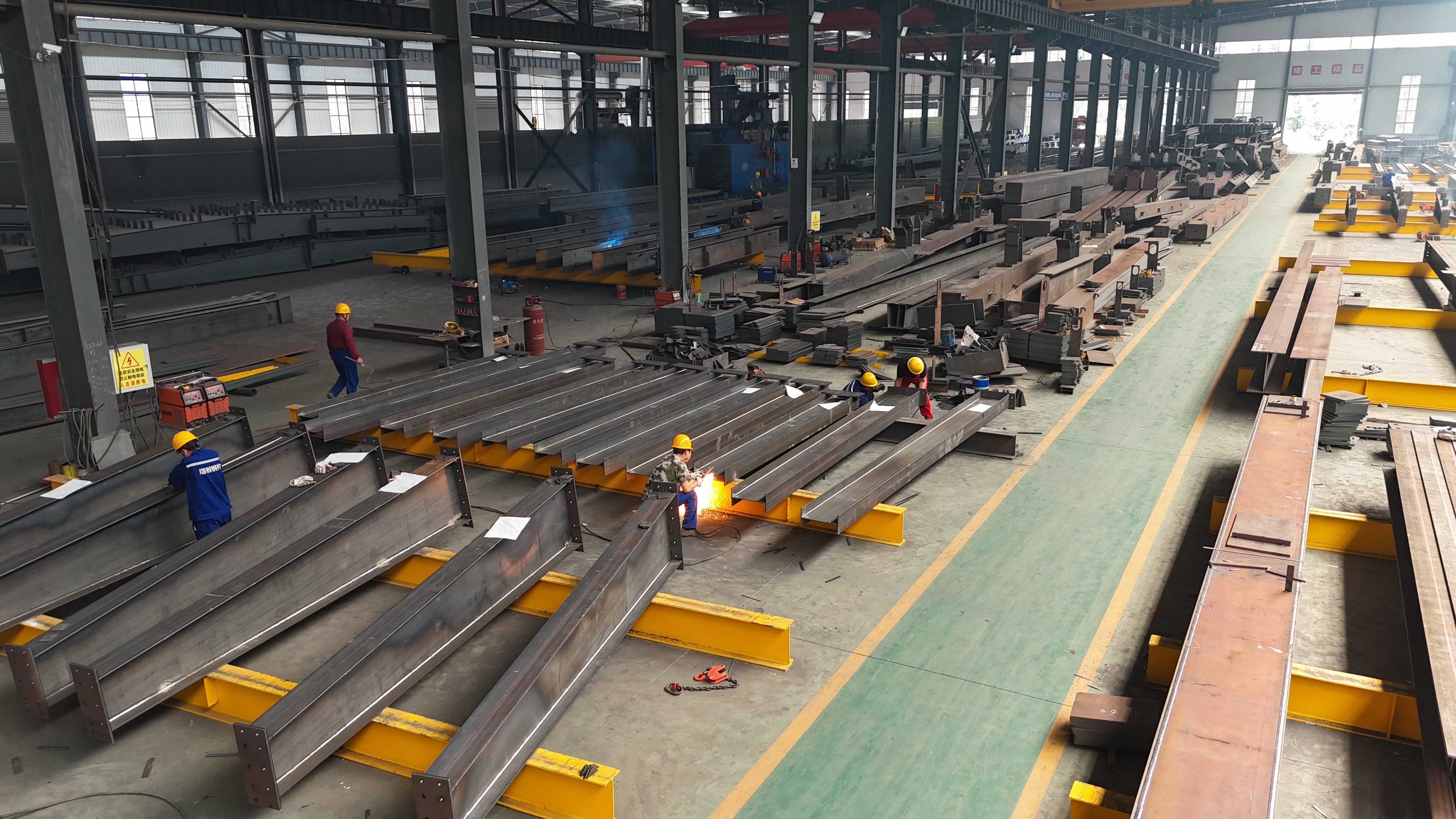
Before shipment, finished components are inspected and marked according to the installation drawings. They are then organized in the finished-product yard and prepared for loading.
Proper labeling and packing make it easier to identify each component and follow the installation sequence after the steel building arrives at the project site.
A professional steel fabrication factory is more than a place where steel is cut and welded. Every process—from cutting and assembly to welding, straightening, surface treatment, and trial assembly—affects the quality and installation efficiency of the final building.
For buyers, understanding the steel fabrication process can also help when comparing suppliers. Factory equipment, production control, quality inspection, and finished-product management are all worth considering before placing an order.
So, how are steel buildings made? The process starts with engineering drawings and raw steel, followed by cutting, assembly, welding, straightening, shot blasting, painting, and, when required, trial assembly.
For a steel warehouse, steel workshop, or industrial building, reliable factory manufacturing provides the foundation for accurate installation and consistent project quality.