

August 15, 2026



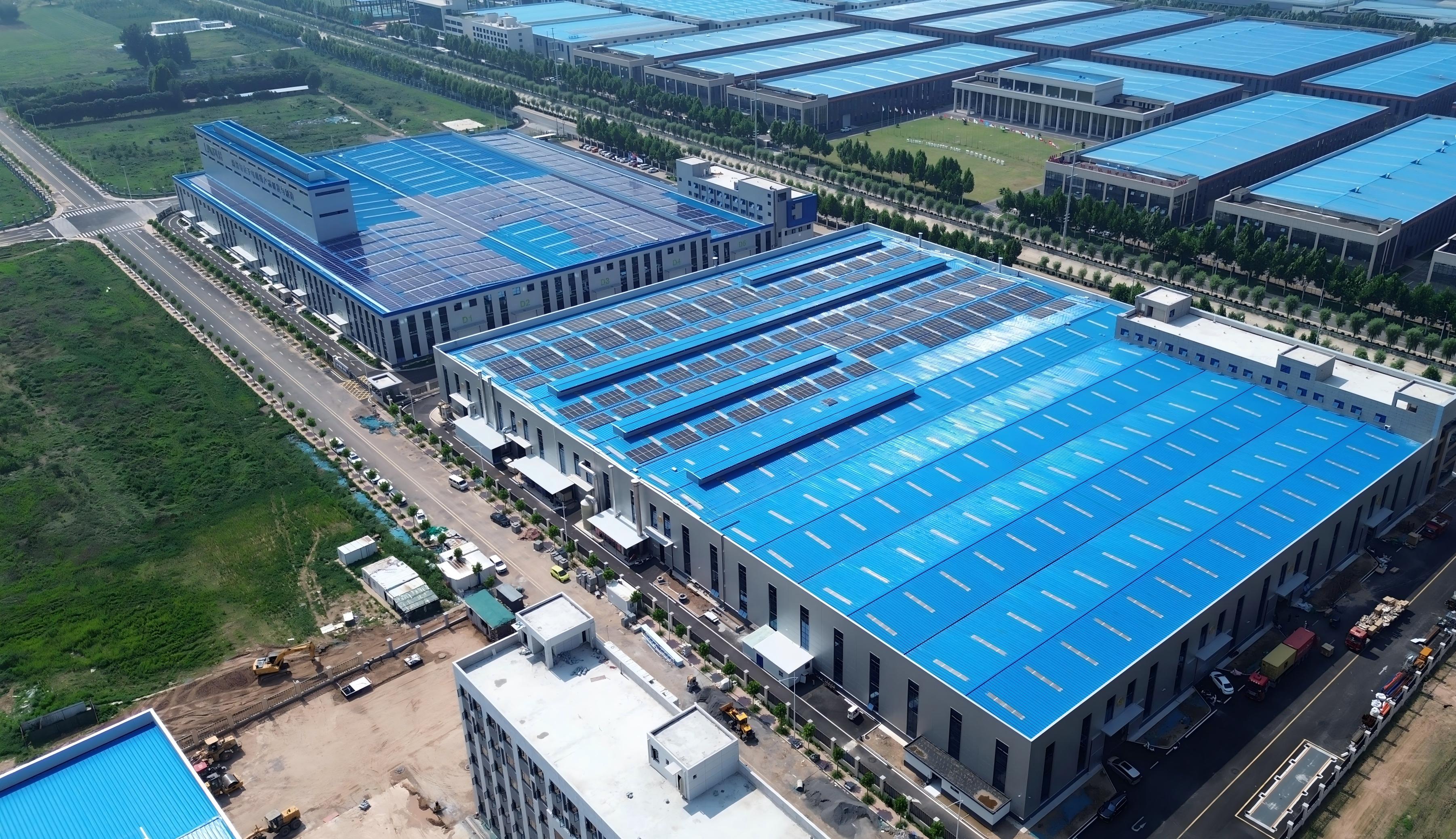
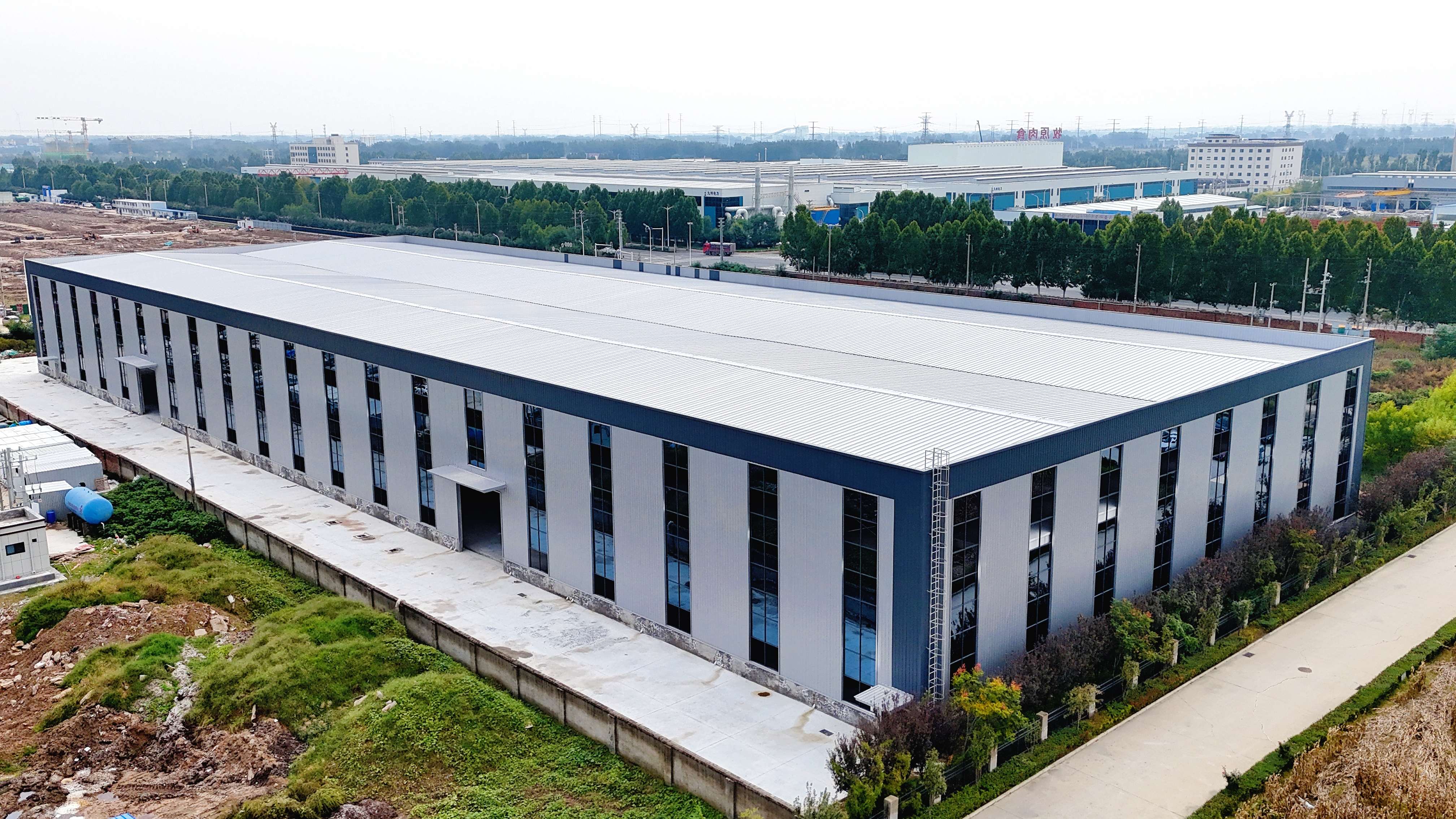
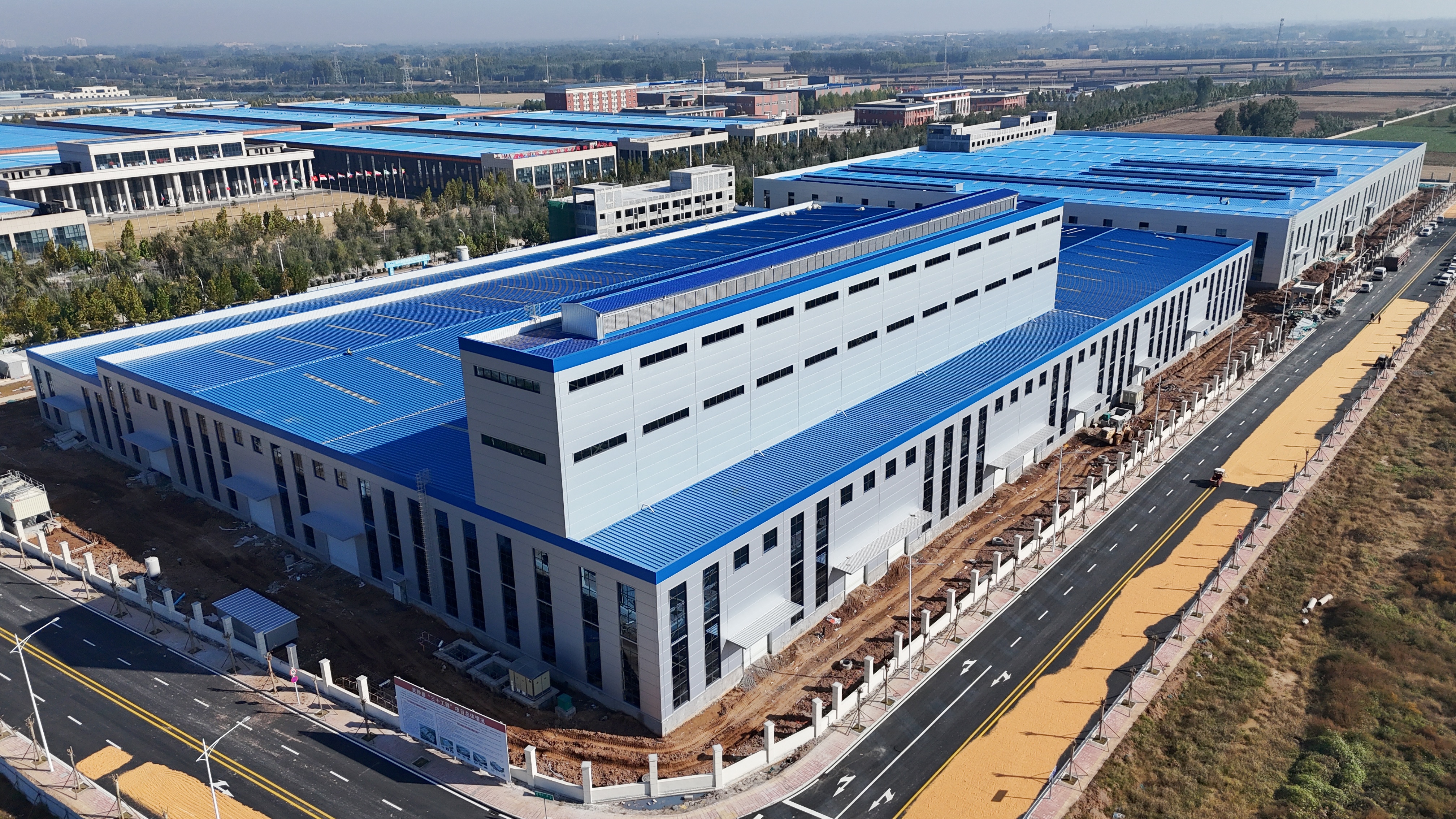
When planning a warehouse, factory, or industrial building in Africa, one common question is whether to choose steel or concrete construction. Both materials have advantages, but for many industrial projects, prefabricated steel buildings offer a faster and more cost-effective solution.
The total cost depends on building size, design, materials, labor, foundation requirements, location, and project specifications.
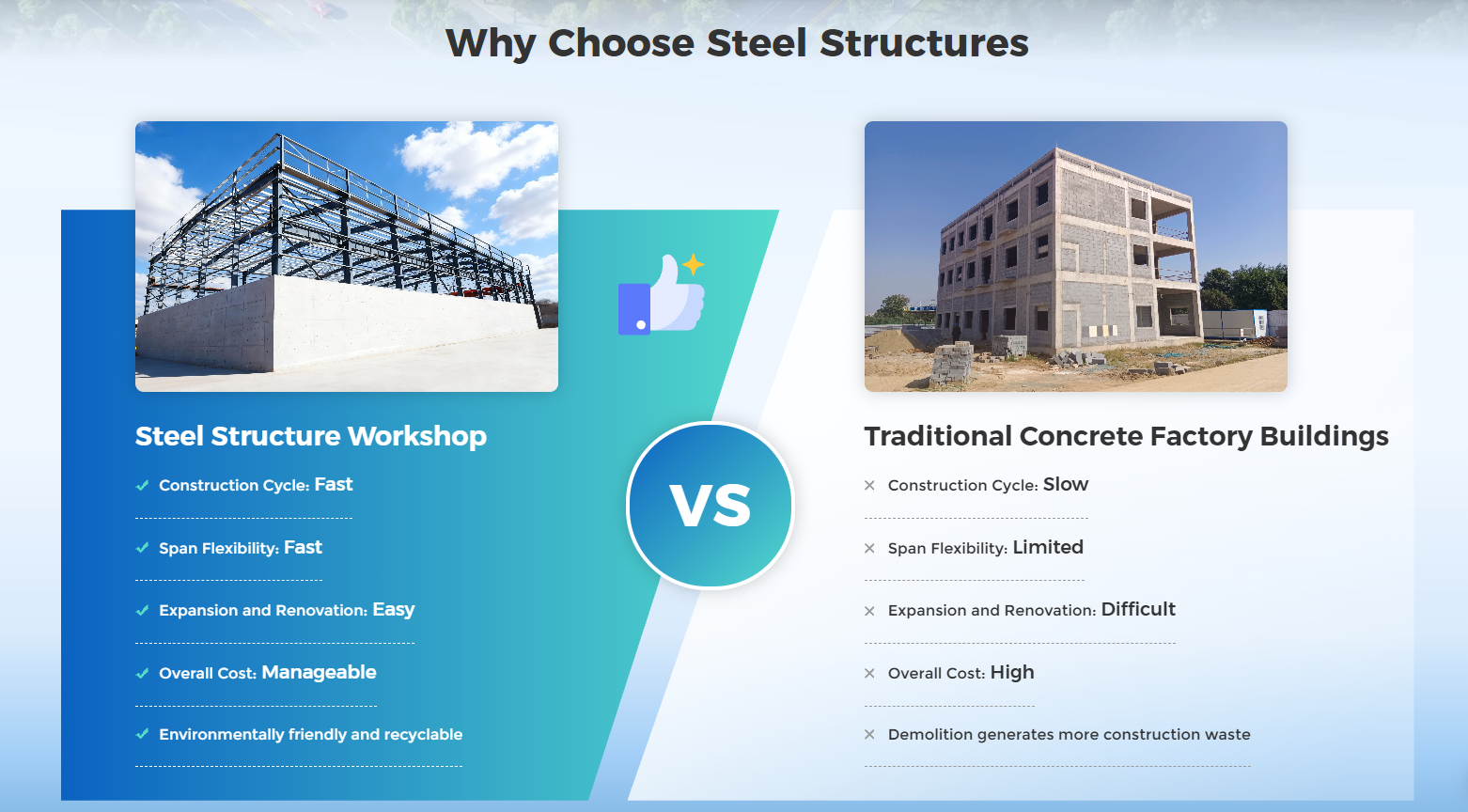
For large-span industrial buildings, steel structures can often reduce the overall construction cost because they require less on-site labor, lighter foundations, and less construction time. Some 2026 market estimates place complete installed steel warehouses in the range of roughly $95–$170 per m², depending heavily on country and scope. These are planning figures, not fixed quotations.
Concrete buildings may require more labor, heavier foundations, and longer construction periods, which can increase the total project cost.
This is where steel structures generally have a major advantage.
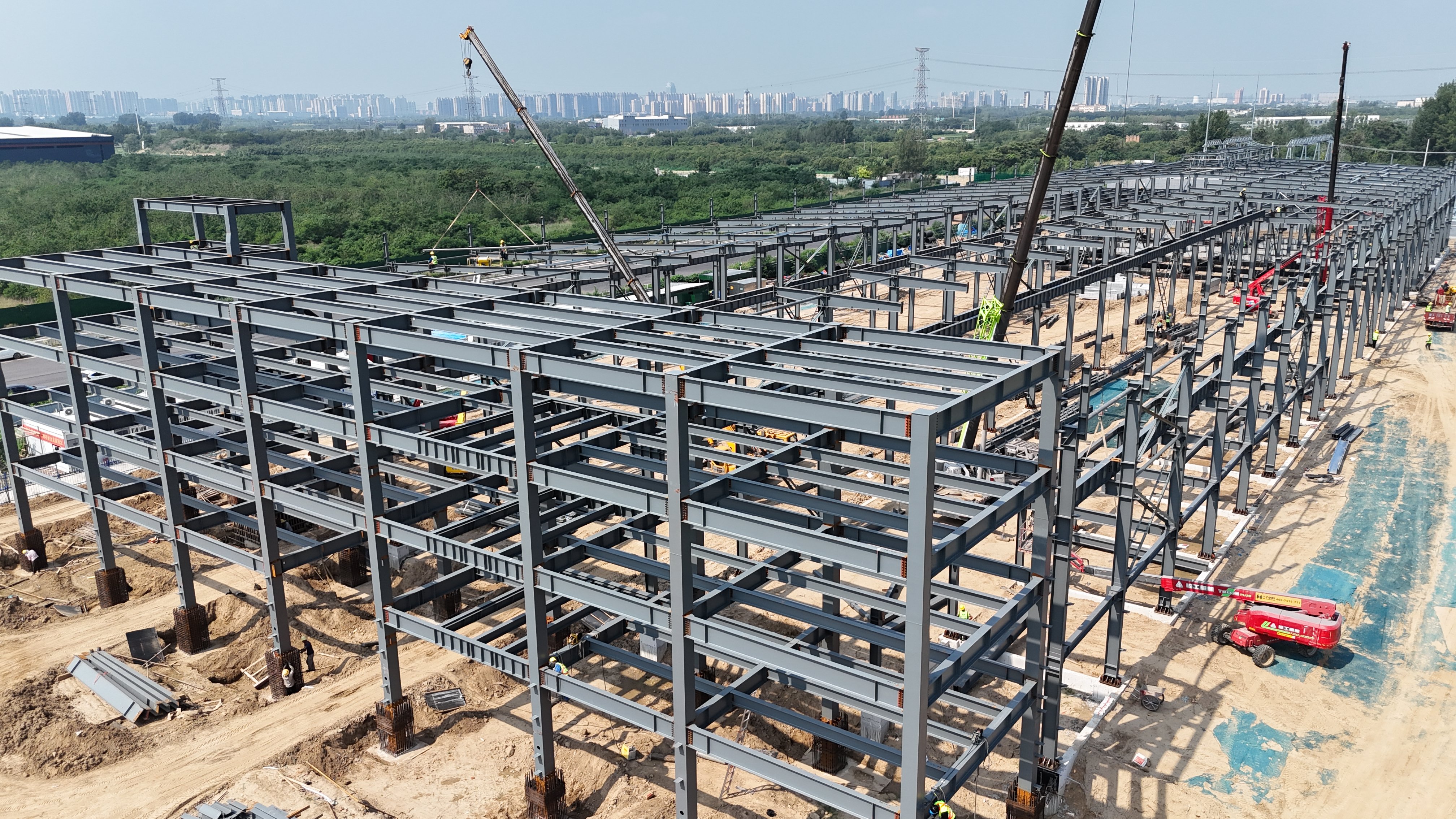
Most prefabricated steel building components are manufactured and prepared in a factory before arriving at the construction site. Columns, beams, purlins, and other components can then be assembled relatively quickly.
For industrial warehouses, published 2026 comparisons indicate that steel projects can often be completed in weeks to a few months, while comparable concrete projects may take considerably longer. The exact schedule depends on design approval, foundations, shipping, installation, weather, and local conditions.
Across markets such as Nigeria, Kenya, Ghana, Tanzania, South Africa, Ethiopia, Uganda, and Zambia, businesses are investing in warehouses, factories, logistics centers, and industrial facilities.
For these applications, steel structure buildings offer several practical advantages:
Faster project delivery
Large clear-span spaces
Flexible warehouse layouts
Easy future expansion
Lower on-site labor requirements
Suitable for prefabricated construction
Local climate and site conditions still need to be considered. Wind loads, rainfall, corrosion, temperature, and seismic requirements can all affect the final design and cost.
Not necessarily.
Concrete may be more suitable for multi-story buildings, projects requiring high inherent fire resistance, or situations where local concrete construction resources are more readily available.
For steel warehouses, industrial workshops, logistics centers, and large-span factory buildings, however, steel is often the more practical choice when construction speed and overall project efficiency are important.
So, which is cheaper and faster in Africa?
For many large-span industrial projects, steel buildings are generally faster to construct and can be more cost-effective than concrete when the complete project cost is considered. However, the best choice depends on the building's size, location, structural requirements, materials, labor, and intended use.
The most reliable way to compare options is to request quotations for the same building specifications and scope of work rather than comparing material prices alone.