

June 03, 2026



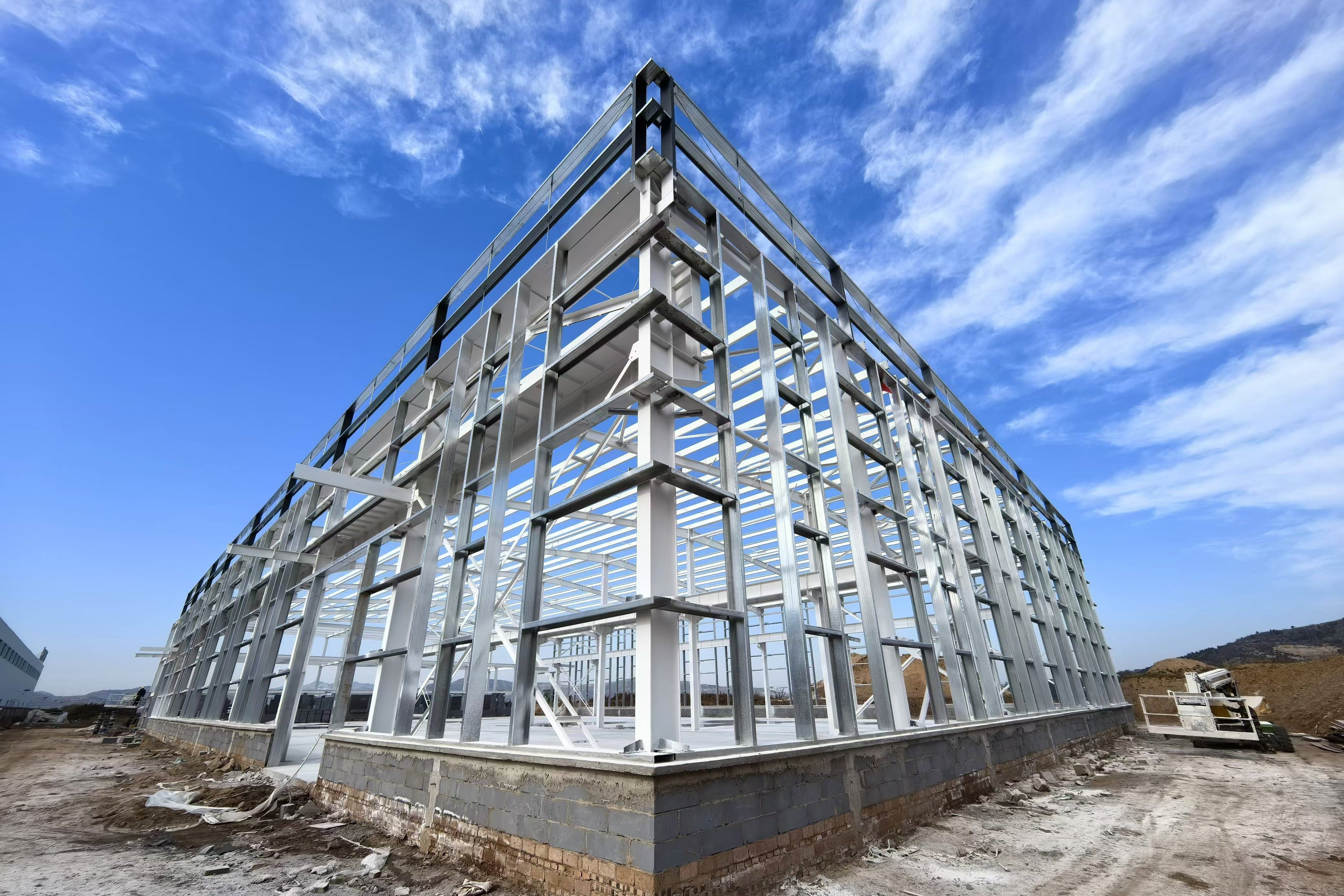
Steel buildings have become one of the most popular construction solutions for warehouses, factories, workshops, agricultural facilities, logistics centers, and commercial buildings. Their durability, cost-effectiveness, and fast installation make them a preferred choice for businesses worldwide.
However, not all steel buildings are created equal. Before investing in a steel structure building, it's important to understand the key factors that affect quality, performance, and long-term value.
The first step in choosing the right steel building is understanding its intended use.
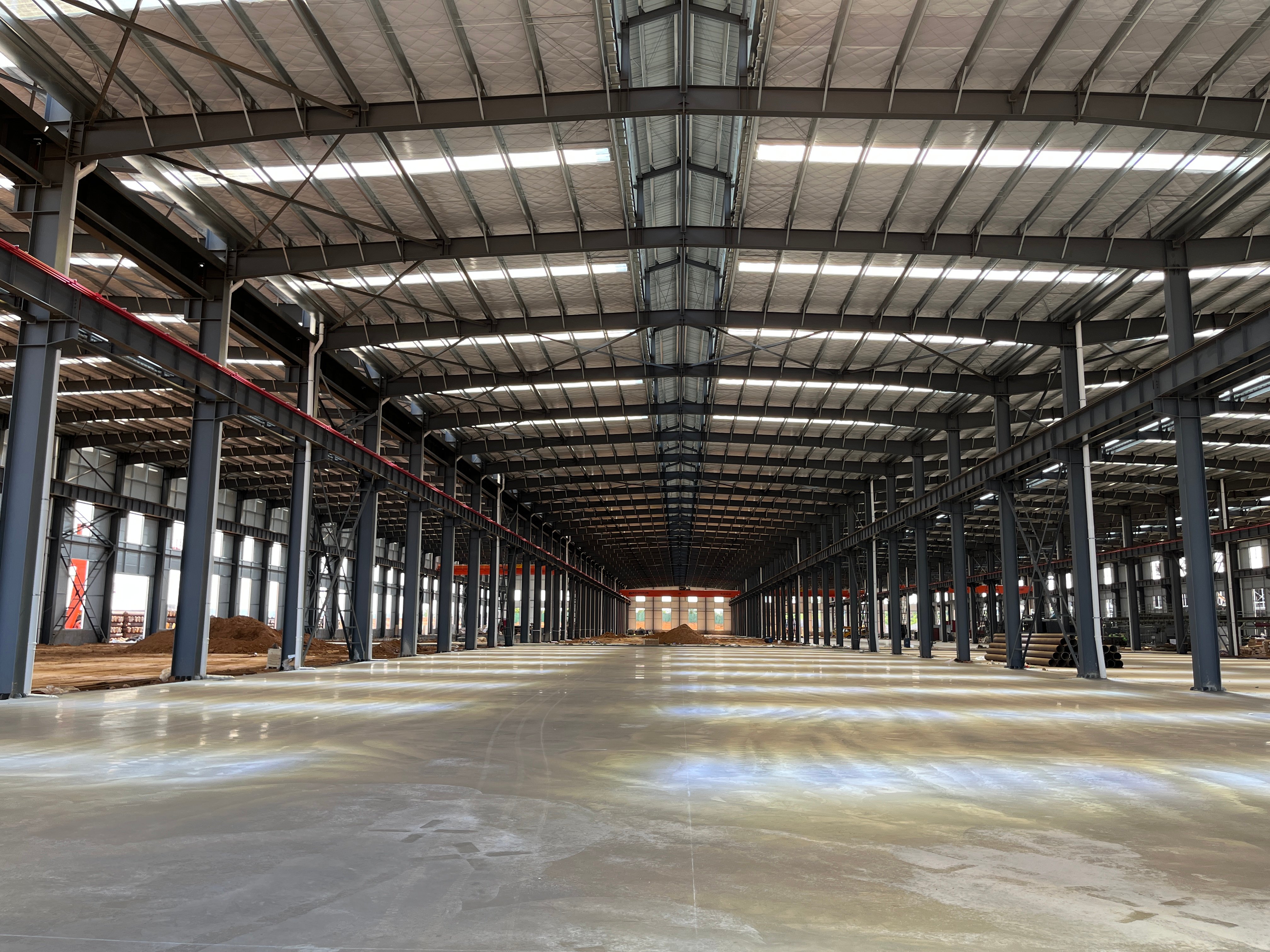
Different applications require different design standards and structural specifications. A warehouse may prioritize storage capacity and clear-span space, while a manufacturing facility may require heavy equipment support and overhead crane systems.
Common applications include:
By clearly identifying your building's purpose, you can ensure the design meets both current operational needs and future business growth.
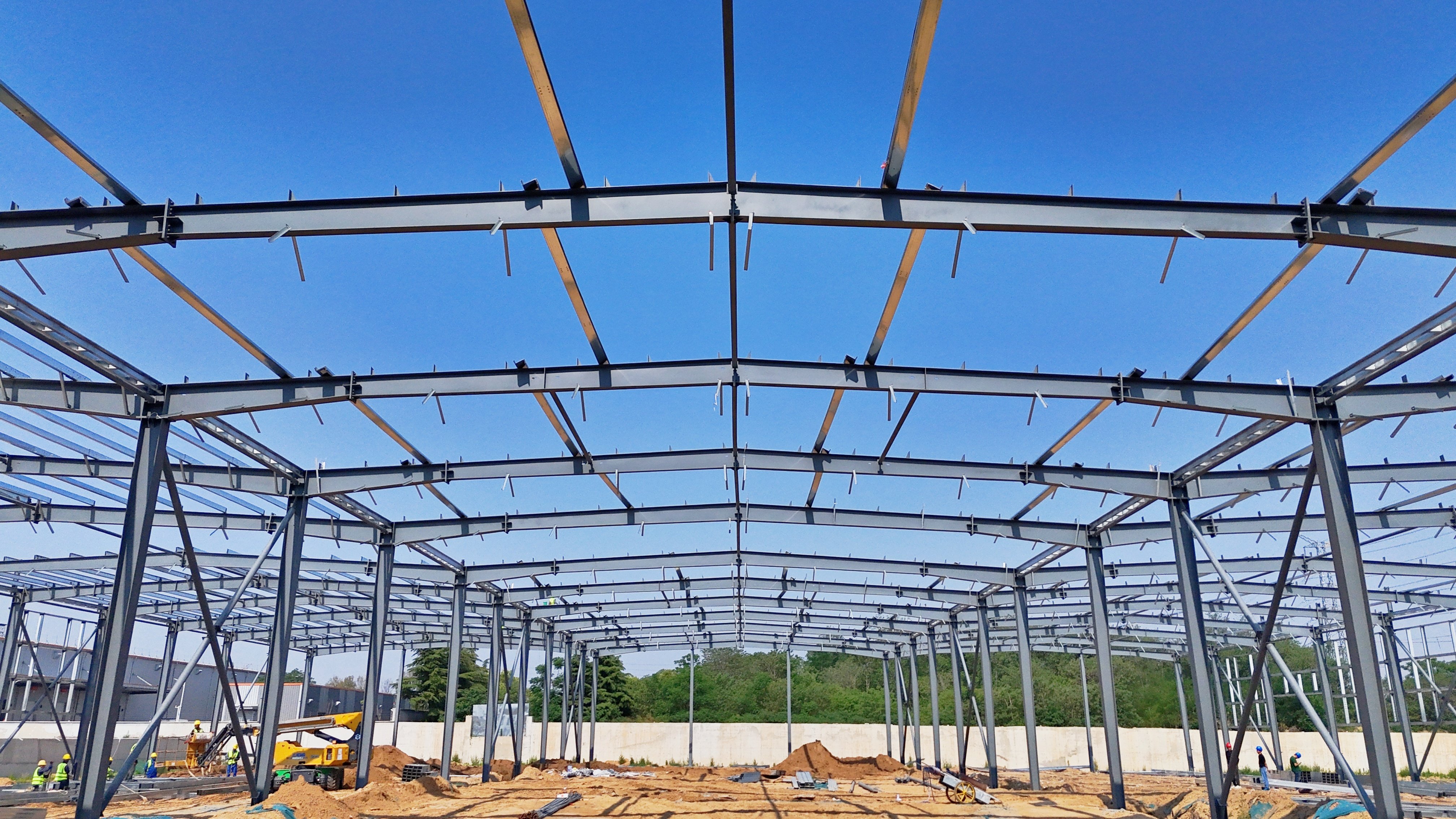
The quality of steel directly impacts the strength, durability, and lifespan of the structure.
When comparing steel building suppliers, ask about:
Reliable steel building manufacturers typically comply with international standards such as ASTM, AISC, EN, and ISO certifications.
Choosing high-quality structural steel helps reduce maintenance costs and ensures long-term performance in demanding environments.
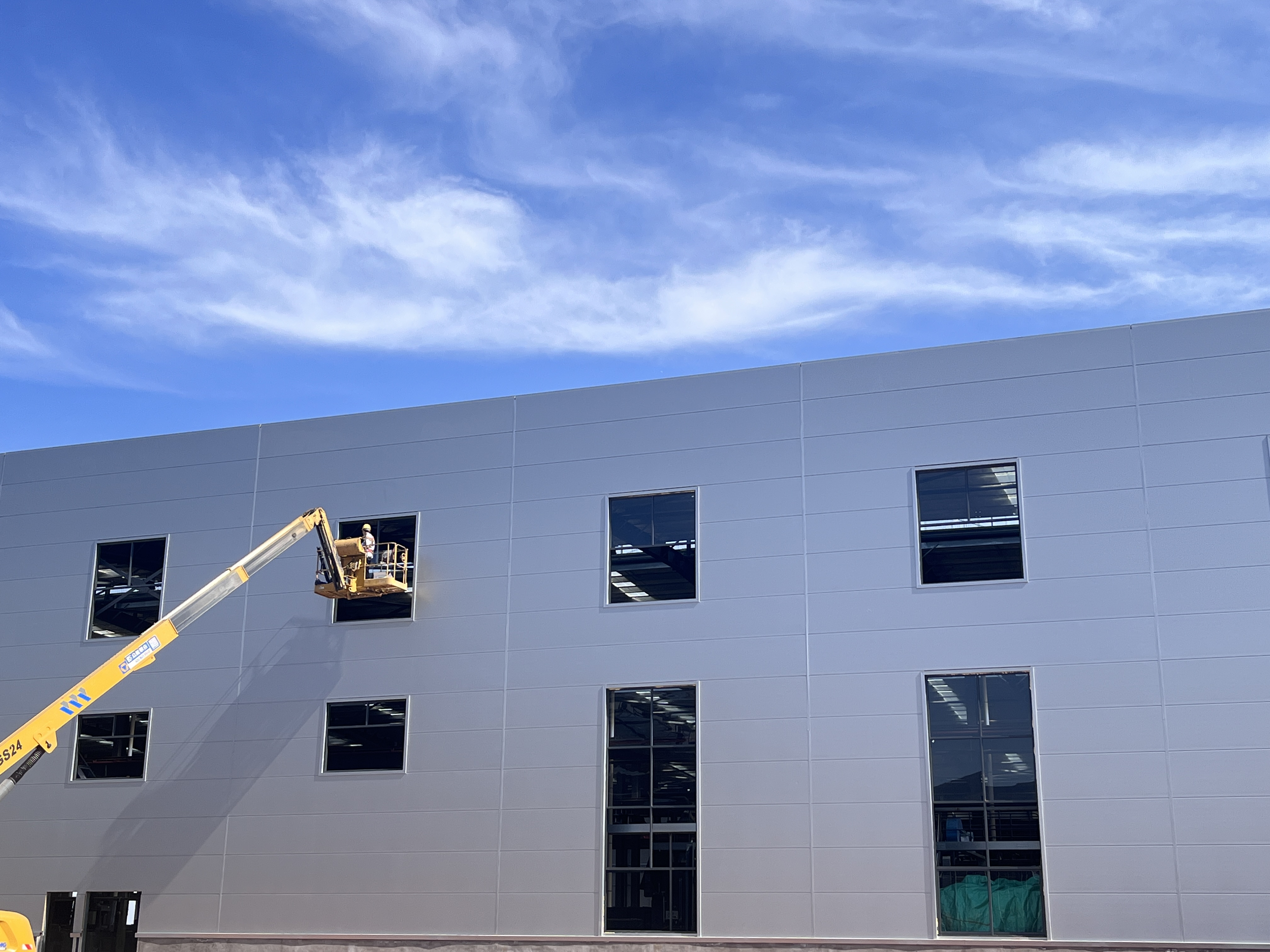
A steel building should be designed according to local environmental conditions and building regulations.
Important load considerations include:
Buildings located in coastal or hurricane-prone regions must withstand strong wind forces.
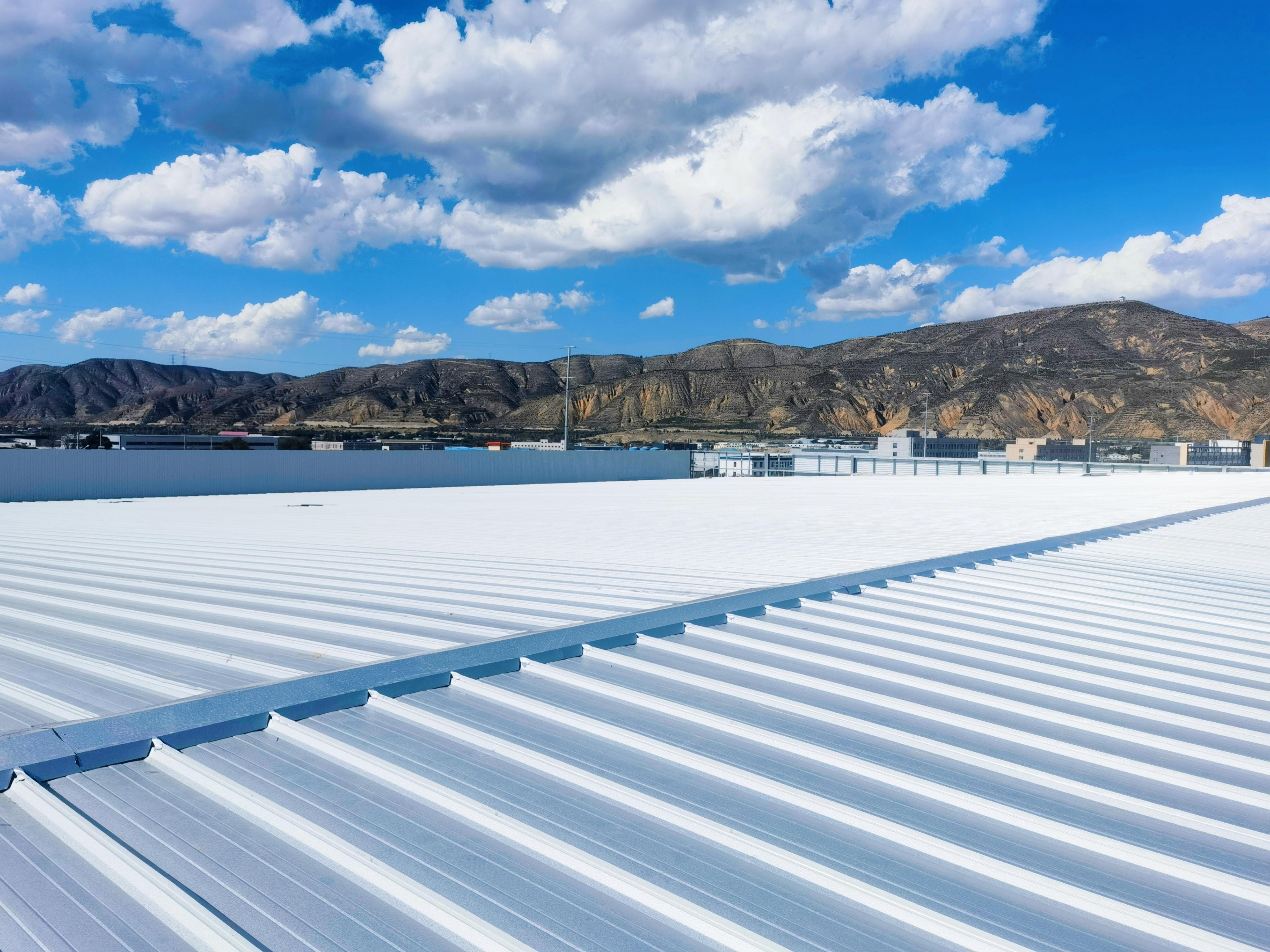
Projects in colder climates require roofs capable of supporting snow accumulation.
For earthquake-prone areas, structural design must comply with local seismic requirements.
This includes equipment, storage products, personnel, and operational loads that affect the building's structural performance.
Working with an experienced steel structure supplier ensures your building meets all applicable engineering standards and safety requirements.
In Part 2, we'll discuss building size, insulation systems, supplier selection, installation support, and how to evaluate the true cost of a steel building.