

June 05, 2026



This article continues our Steel Building Buyer's Guide. In Part 1, we covered building applications, steel quality, and structural design considerations.
One of the biggest mistakes buyers make is designing a steel building solely around their current needs.
Businesses grow, equipment changes, and storage requirements often increase over time. A steel building that seems large enough today may become restrictive in just a few years.
When planning your project, consider:
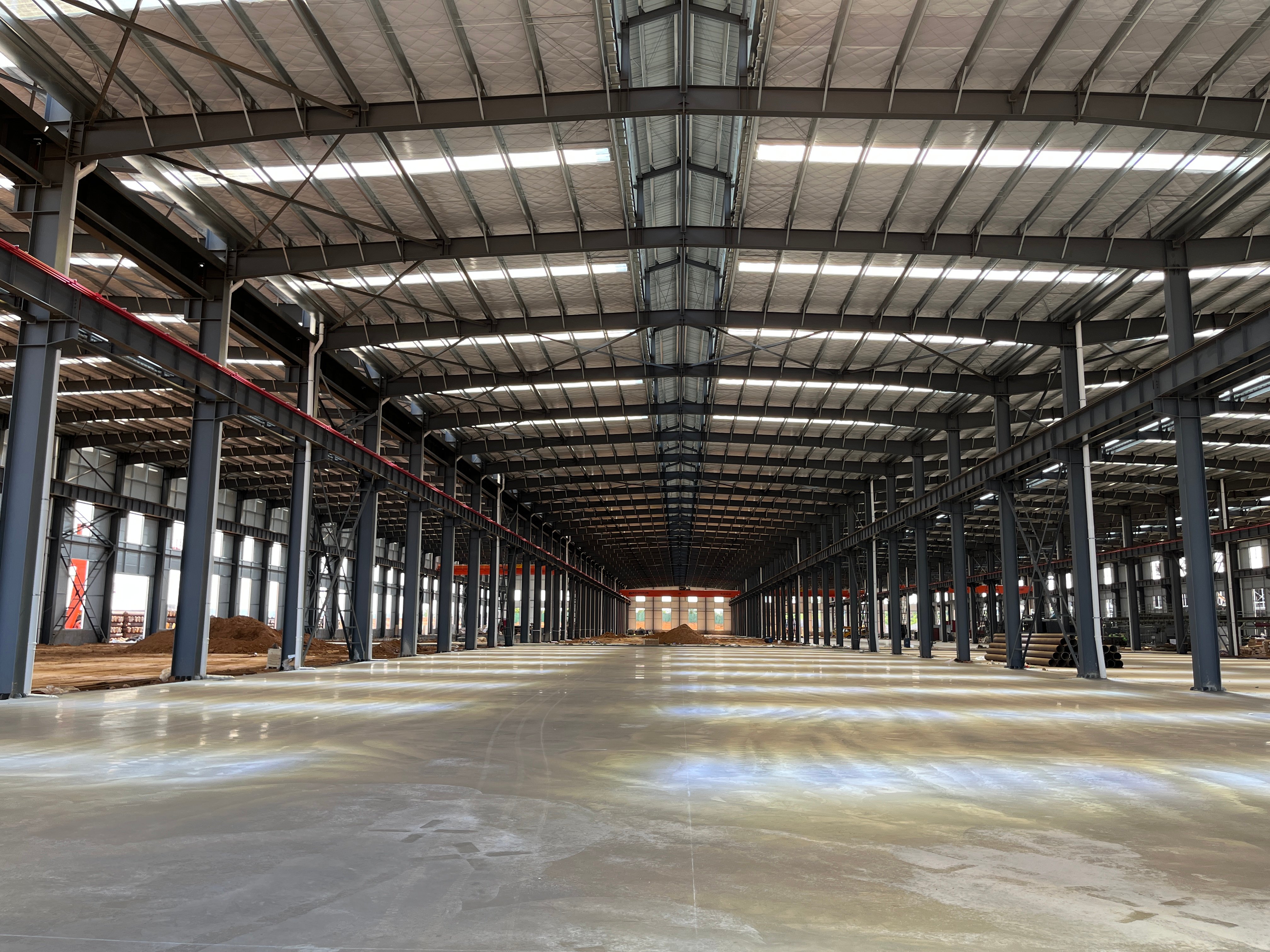
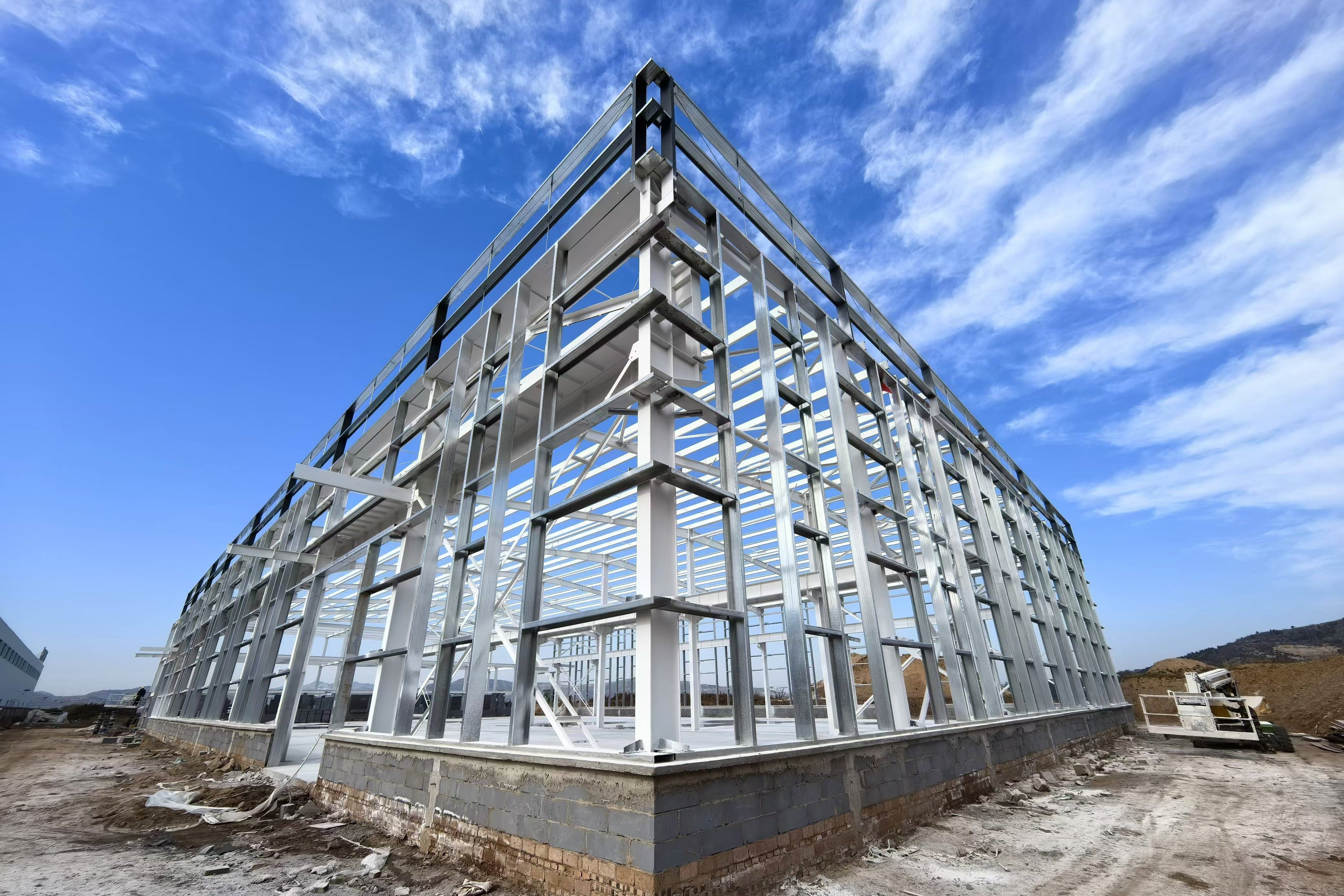
One of the major advantages of pre-engineered steel buildings is their flexibility. Many steel structures can be expanded in length, width, or height with proper planning during the initial design phase.
Investing in a scalable steel building can save significant renovation and construction costs in the future.
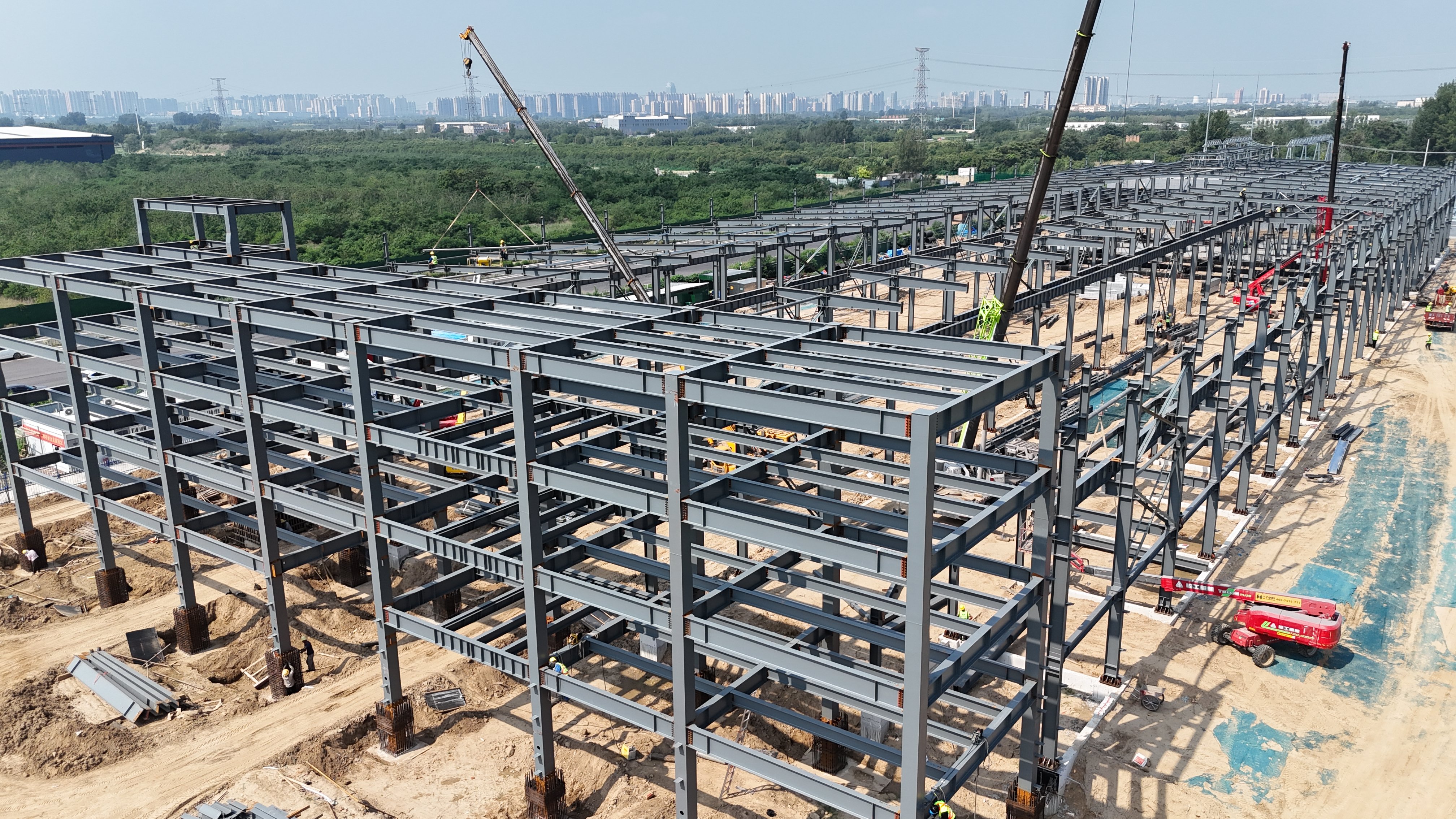
Energy efficiency plays an important role in the long-term operating costs of any industrial building.
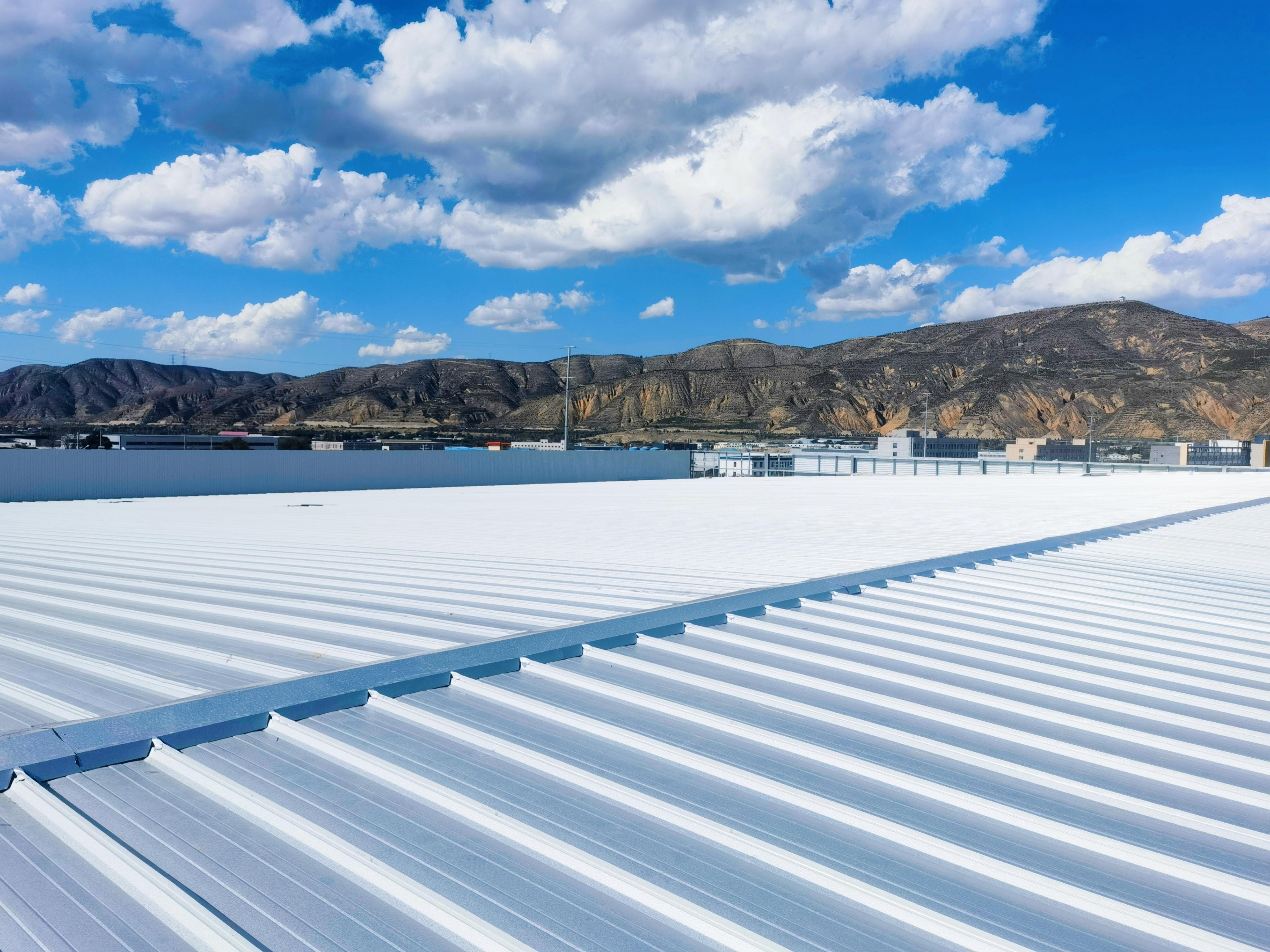
Without proper insulation, steel buildings can experience excessive heat gain in summer and heat loss during winter. This leads to higher energy bills and reduced indoor comfort.
Popular insulation options include:
A cost-effective solution commonly used in warehouses and workshops.
Excellent fire resistance and thermal performance.
Superior insulation performance and energy efficiency.
High thermal efficiency with improved fire-resistant properties.
Selecting the right insulation system can significantly reduce operating expenses while creating a more comfortable working environment.
The success of a steel building project depends heavily on the capabilities of the supplier.
When evaluating steel structure manufacturers, consider the following factors:
An experienced supplier can help optimize the design, reduce material waste, improve installation efficiency, and ensure compliance with local building codes.
The lowest quote is not always the best choice. A reliable steel building manufacturer provides value through engineering expertise, quality control, and long-term project support.
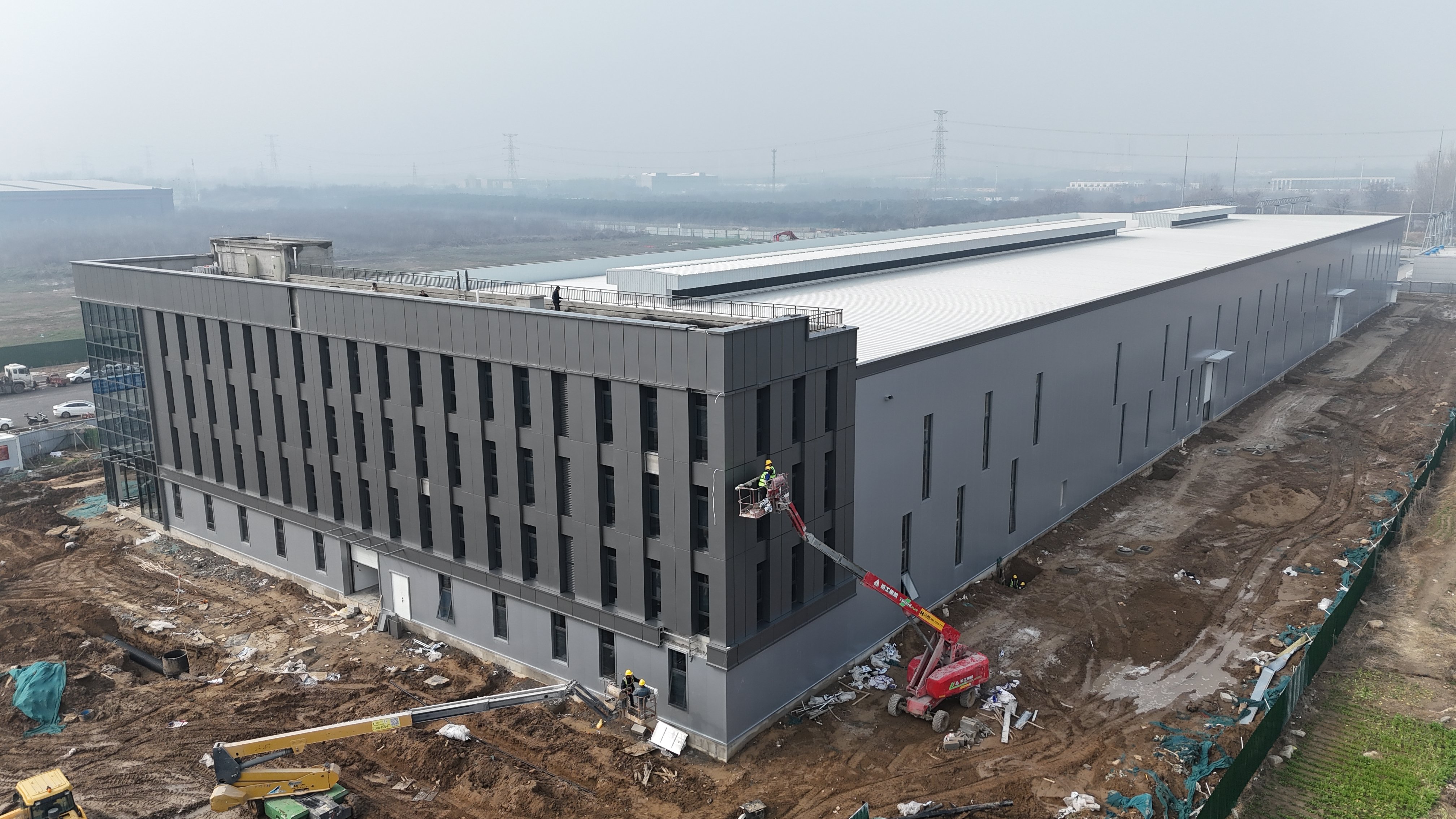
A steel building supplier should provide more than just fabricated steel components.
Comprehensive support services may include:
Proper installation directly affects the safety and performance of the structure. Choosing a supplier that offers technical guidance can help avoid costly construction mistakes and project delays.
Price is an important factor, but it should never be the only consideration when purchasing a steel building.
A lower upfront cost may result in:
Instead of focusing solely on the purchase price, evaluate the total lifecycle cost of the building.
Consider:
A well-designed steel building often delivers a significantly higher return on investment over the long term.
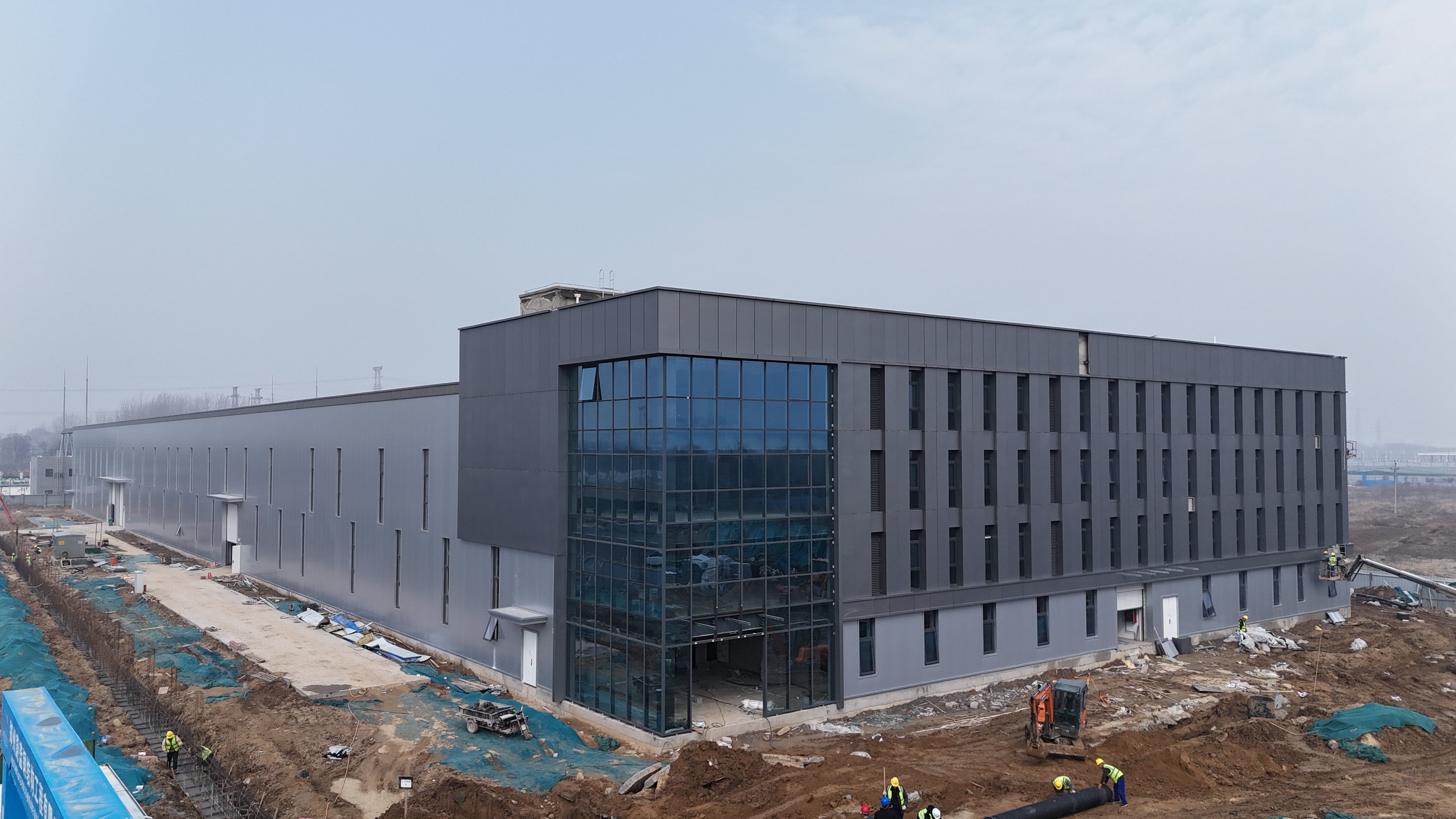
Buying a steel building is a major investment that can impact your business operations for decades.
By carefully evaluating building size, expansion potential, insulation systems, supplier experience, installation support, and total lifecycle costs, you can make a more informed purchasing decision.
Whether you are planning a warehouse, factory, logistics center, workshop, or industrial facility, partnering with a professional steel building manufacturer will help ensure your project achieves maximum value, durability, and performance.
If you are considering a custom steel building solution, consult with an experienced engineering team to discuss your project requirements and receive a tailored design proposal.