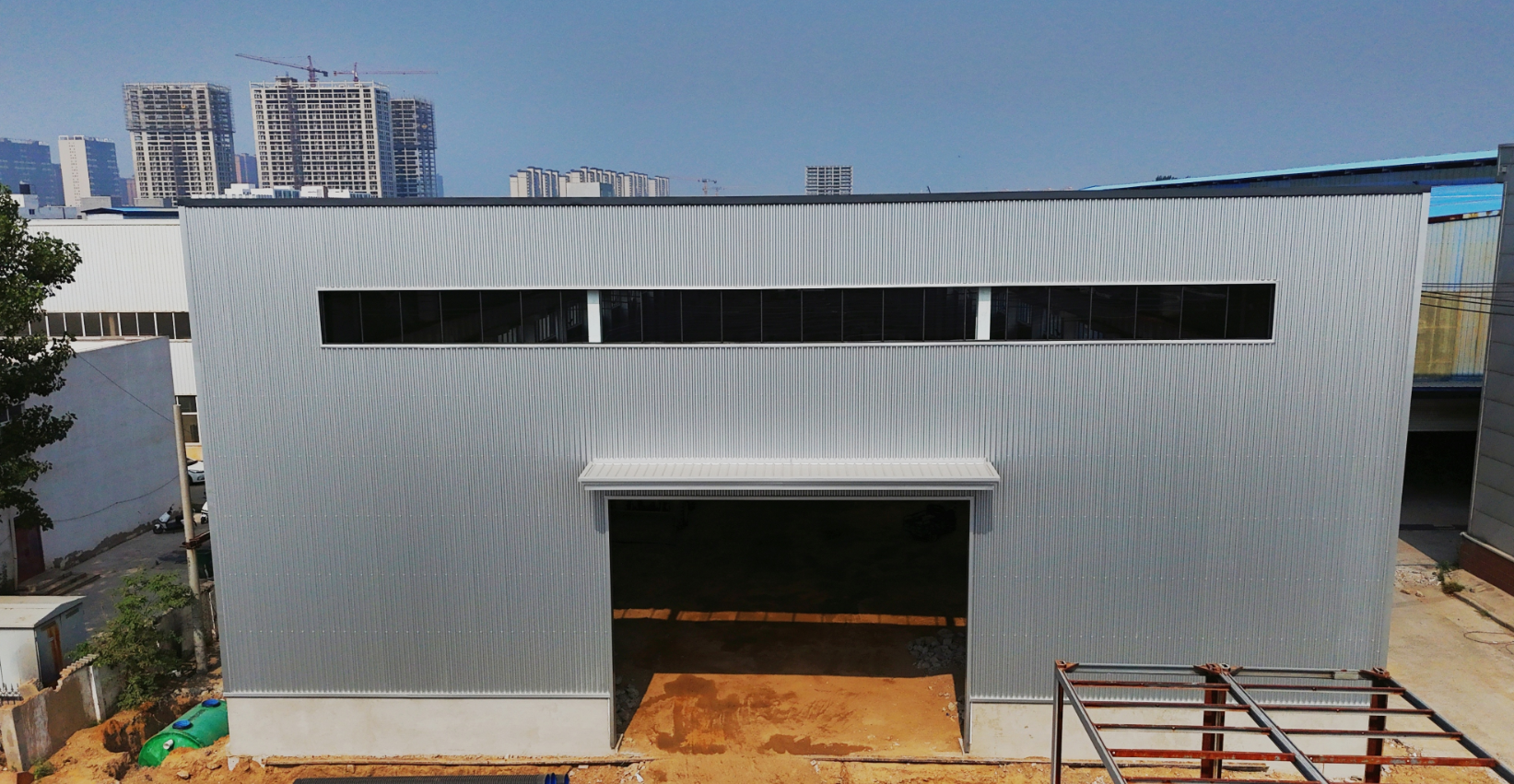
المتانة الإنشائية: الهيكل الإطاري من الفولاذ مقابل المواد الأخرى
القدرة على تحمل الأحمال والإجهادات الصناعية لأنظمة المستودعات الجاهزة من الفولاذ
وبالنسبة إلى التعامل مع الوزن وإدارة المساحة داخل المستودع، فإن أنظمة الإطارات الفولاذية تتفوق على المواد الأقدم. ووفقاً لدراسات إدارة الطوارئ الفيدرالية (FEMA) الصادرة عام 2023، يتفوق الفولاذ على الخرسانة المسلحة من حيث نسبة الوزن إلى القوة بمقدار ~5 رطل لكل قدم مربع (ipfm). ويمكن للمنشآت الفولاذية أن توفر فواصل خالية من الأعمدة تزيد عن ٣٠٠ قدم، ما يوسع المساحة المتاحة لمدراء المستودعات. علاوةً على ذلك، تُنتج المنشآت الفولاذية ما نسبته ~٤٠٪ أقل من نقاط الفشل الناتجة عن الإجهادات أو حركة المرور. وفي المنشآت الفولاذية، يُعد سلوك الفولاذ أثناء الزلازل أحد أهم العوامل. وتتراوح مقاومة الخضوع (Yield Strength) للفولاذ عادةً بين ٥٠ و٦٥ كيلو رطل لكل بوصة مربعة (ksi)، وبالتالي فإن المنشآت الفولاذية أقل عرضةً للانهيار أثناء الزلازل، على عكس المنشآت الخشبية أو الطوبية. ووفقاً للجمعية الوطنية للمهندسين الاستشاريين في مجال الزلازل (NCSEA)، فإن المواد التقليدية تنثني بشكل خطير عند حوالي ٣٠٪ من الحمل المصمَّم لها. وهذه الفروق الجذرية تبرر استخدام المنشآت الفولاذية في المناطق المعرَّضة لخطر الزلازل والزلازل الشديدة.
تحليل مقارن لمدى مقاومة الفولاذ المجلفن، والخرسانة المسلحة، والخشب، والطوب في سياق المباني المستخدمة كمستودعات
مدى متانة المستودع يعتمد على نوع المادة المستخدمة بالنسبة إلى مقاييس المرونة الثلاثة التالية.
وعلى عكس الخرسانة التي تميل إلى التآكل الناتج عن الكلوريدات، فإن الخشب الذي يميل أيضًا إلى التآكل يكون عُرضةً للتلف الناجم عن الرطوبة والتعفن وآفات الحشرات، ما يستلزم إجراء فحوصات هيكلية تصل إلى ثلاثة أضعاف عدد الفحوصات المطلوبة في المستودعات ذات الإطار الصلب وفقًا لإرشادات الصيانة الواردة في المعيار الدولي ISO 15686.
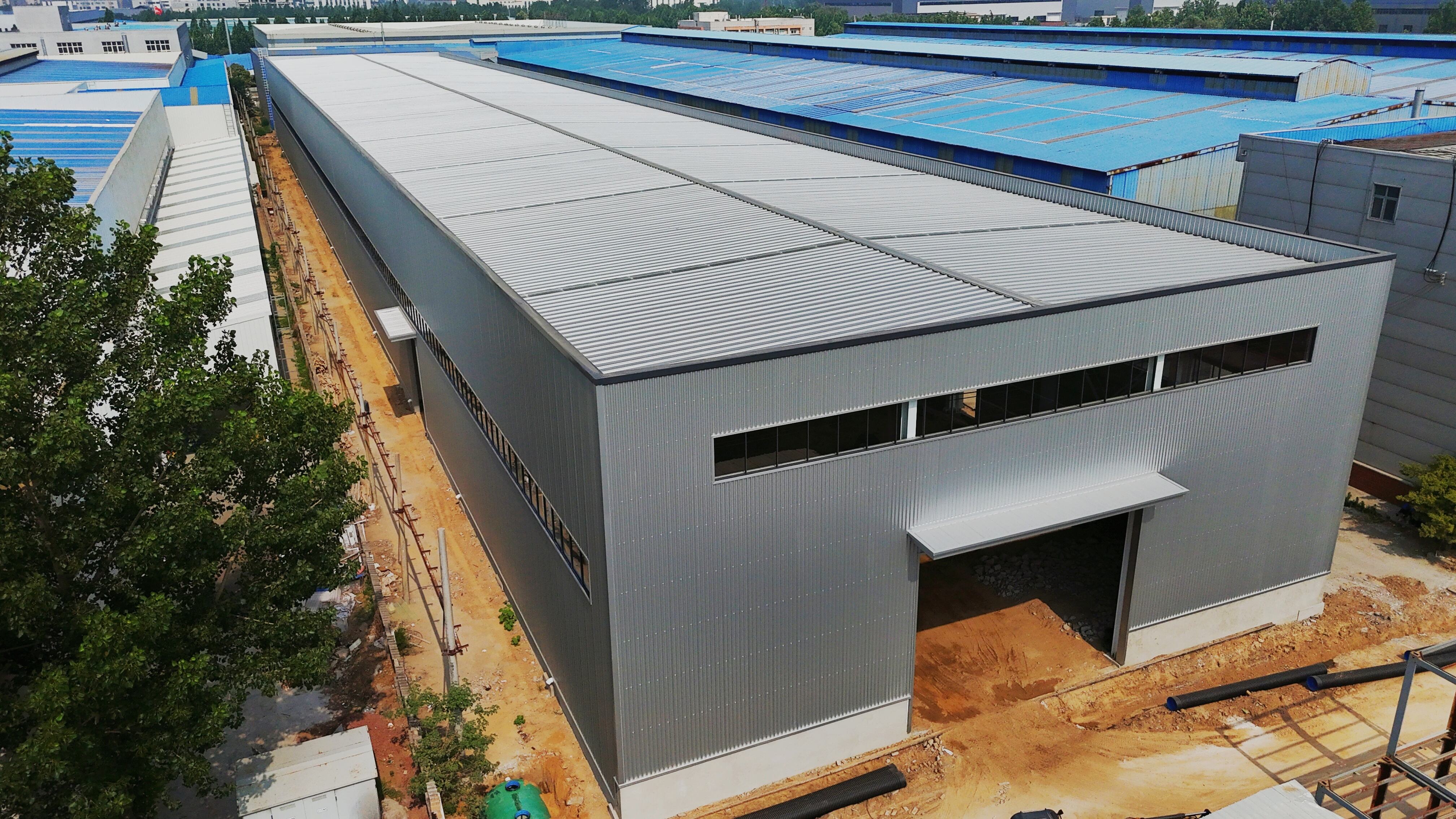
المرونة البيئية والمقصودة بالمخاطر في هياكل المستودعات الجاهزة الحديثة
توفر مستودعات الفولاذ المبنية في الموقع حماية هيكلية ممتازة ووظائف فعّالة في أي بيئة نظراً لتصميمها الهندسي المتفوق.
مستودع فولاذي تم تصنيعه مسبقًا في الموقع باستخدام طرق البناء خارج الموقع، ويمكن هندسته لتوفير الحماية من التآكل الناتج عن التغيرات الحرارية والحماية من عوامل الطقس في بيئات الرطوبة العالية. ويصمد هيكل المستودع الفولاذي المغلفن أمام الأضرار التآكلية الناجمة عن رذاذ ملح البحر لمدة تزيد على ٥٠ عامًا. وتمنع الأختام الجوية المخصصة تسرب الأمطار إلى الغلاف الفولاذي للمبنى. وعند ازدياد الرطوبة، تُمنع الانقطاعات الحرارية الناتجة عن التكثف الناجم عن الرطوبة. ويتميّز الفولاذ بمعدل منخفض جدًّا للاستطالة الحرارية (٧ أجزاء من المليون لكل درجة فهرنهايت). وهذا يمنح المبنى أبعادًا ثابتة ضمن نطاق حراري يتراوح بين ٤٠- درجة فهرنهايت و١٢٠ درجة فهرنهايت. وبفضل هذه الأبعاد الثابتة، تنخفض درجة التآكل في الوصلات، ما يطيل عمر المبنى ويقلل من الحاجة إلى الصيانة. وتدعم الأدلة الواقعية مدراء المستودعات في المواقع الساحلية والتقارير الاختبارية المستقلة التي تشير إلى أن تكاليف الصيانة أقل بنسبة تقارب ٤٠٪ مقارنةً بالمستودعات المبنية بالطرق التقليدية.
الامتثال لمعدلات مقاومة الحريق، ومكافحة الآفات، والزلازل
اعتبارات تصميم حمل الرياح للمستودعات الفولاذية الجاهزة
توفر مستودعات الصلب الجاهزة الحديثة درجات عالية من مقاومة الحريق تفوق بكثير متطلبات كود البناء القياسي. وبما أن الصلب المستخدم في إنشاء هذه المستودعات لا يشتعل، فإنها تحصل على أعلى تصنيف ممكن من حيث مقاومة الحريق دون الحاجة إلى معالجات كيميائية. علاوةً على ذلك، فإن ألواح الصلب المستخدمة في بناء المباني تكون مترابطة بإحكام شديد، مما لا يترك أي نقاط دخول للآفات. وتصنع هياكل المستودعات الصلبية وفق تصاميم هندسية تتوافق مع أحدث متطلبات معيار ASCE 7-22، ما يجعلها قادرةً على تحمل التسارع الزلزالي حتى ٠,٣ جاذبية (g) وسرعات رياح تتجاوز ١٥٠ ميلًا في الساعة. كما أن تصميم هذه المستودعات يقلل من قوى الرفع العلوية بنسبة تقارب ٢٥٪، مما يحسّن أدائها أثناء العواصف وفق نتائج الاختبارات التي أُجريت في أنفاق الرياح. وتؤدي هذه التصنيفات الأعلى للأداء إلى خفض تكاليف التشغيل بالنسبة لملاك العقارات. وتشير بيانات المطالبات المؤمنة إلى أن احتمال تقديم مطالبة تأمينية بسبب أضرار تلحق بالمستودعات الجاهزة أقل بنسبة ٣٠٪ مقارنةً بأنواع المستودعات الأخرى المبنية في نفس المنطقة الجغرافية.
القيمة الدورية الطويلة الأجل: مرونة الصيانة والتكلفة الإجمالية للملكية
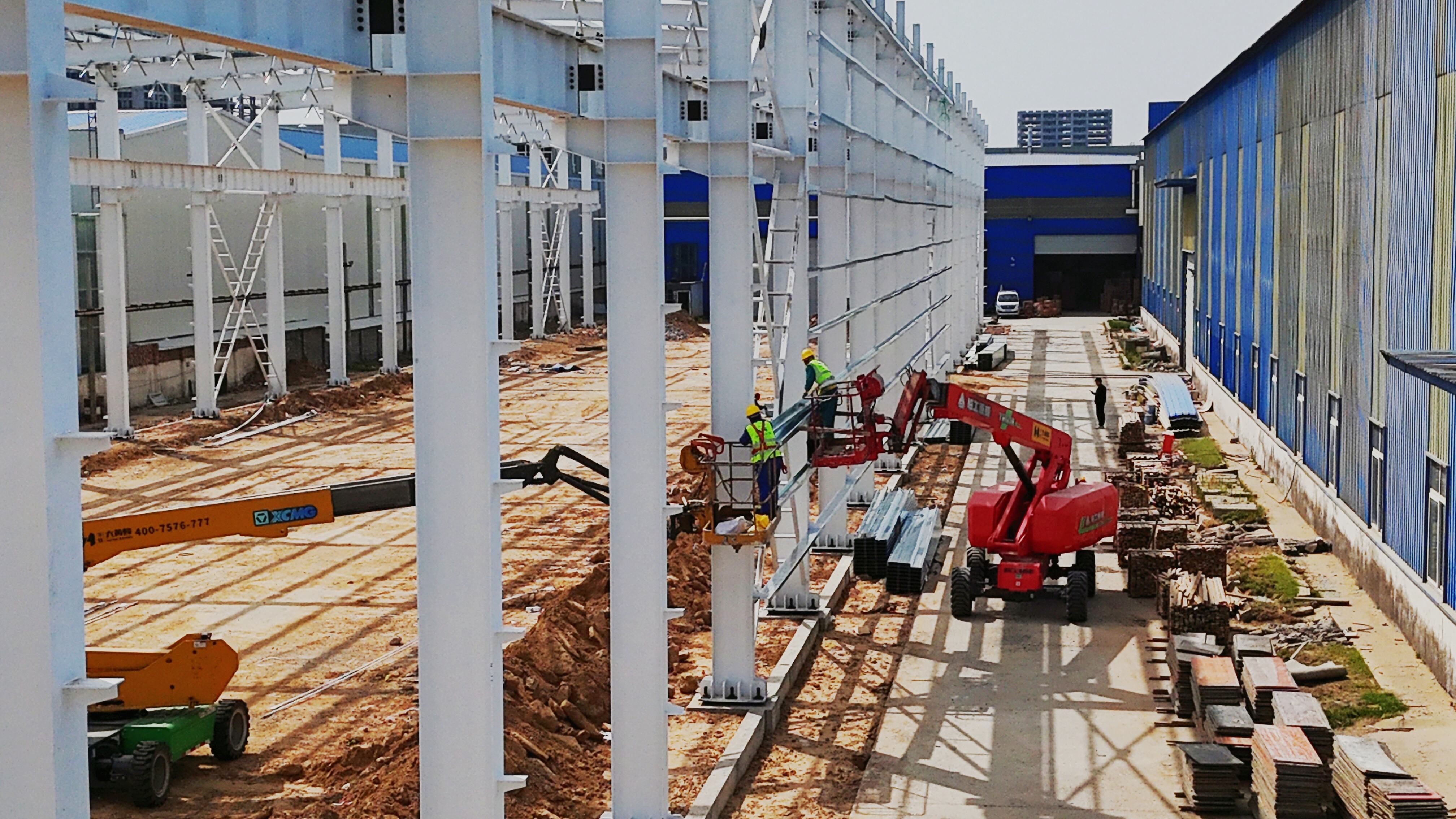
من منظور التكلفة الإجمالية للملكية على مدى ٣٠ عامًا: بيانات المعهد الوطني للمعايير والتقنية (NIST) والجمعية الوطنية لمهندسي الهياكل (NCSEA) حول متانة المستودعات الجاهزة مقارنةً بالمستودعات التقليدية
توضح دراسات حديثة أجرتها المعهد الوطني للمعايير والتقنية (NIST) والجمعية الوطنية لمهندسي الهياكل (NCSEA) أن تكاليف الصيانة والتكيف للمنشآت المستودعية الجديدة التي بُنِيَت باستخدام الطرق التقليدية في البناء، خلال العقود الثلاثة الأولى من تشغيلها، تفوق بنسبة ٢٠ إلى ٣٠٪ تلك التكاليف الخاصة بالمستودعات المبنية باستخدام طرق البناء الفولاذية الجاهزة (PS). فلماذا يتحقق هذا الفارق؟ السبب الرئيسي هو أن الفولاذ المجلفن — وهو المادة الأساسية المستخدمة في بناء المستودعات الفولاذية الجاهزة — لا يصدأ، وبالتالي يلغي الحاجة إلى المعالجات الكيميائية الباهظة الثمن المطلوبة لمكونات المستودعات التقليدية المصنوعة من الخشب والفولاذ (أو المزيج الفولاذي-الخشبي). علاوةً على ذلك، فإن التصميم الوحدوي والمرونة في تصميم المستودعات الفولاذية الجاهزة يسمحان بالتوسّع بسهولة، ما يجنّب التكاليف الباهظة الناتجة عن التعديلات اللاحقة لتغيّر المستأجرين أو التوسّع، على عكس المستودعات التقليدية المبنية من الخشب والطوب، والتي تتطلب صيانةً وتصليحاتٍ مستمرةً بسبب الأضرار الناجمة عن الآفات والمياه والحريق، مما يؤدي إلى ارتفاع النفقات بنسبة ١٥ إلى ٢٥٪ مقارنةً بالمستودعات الفولاذية الجاهزة. وبعد مرور ٣٠ عاماً على قيامها، سيظل هيكل الإطار الهيكلي الفولاذي (وهو أكثر المواد إعادة تدويرٍ في العالم) في المستودعات الفولاذية الجاهزة قادراً على تحمل ٩٥٪ من الحمولة التصميمية الأصلية، في تباينٍ صارخٍ مع التركيبات التقليدية للكمرات المعدنية ذات الشبكة المفتوحة، التي قد لا تتجاوز قدرتها التحميلية ٧٠٪ في أفضل الأحوال، بل وقد تنخفض في كثيرٍ من الحالات إلى ٥٠٪ فقط من حمولتها التصميمية الأصلية. وأخيراً، فإن العزل الحراري الفعّال وأنظمة التدفئة الفعّالة المستخدمة في المستودعات الفولاذية الجاهزة تحقّق خفضاً في تكاليف التدفئة بنسبة ١٨ إلى ٢٢٪ مقارنةً بأنظمة العزل والتدفئة المستخدمة في البناء التقليدي (المبني بالخشب). وعند أخذ كل هذه العوامل في الاعتبار، يتبين أن إجراء تعديلات على المباني القائمة أو إنشاء مستودعات تقليدية جديدة يُعتبران خياراً رديئاً في نهاية المطاف مقارنةً بشراء مستودعات جاهزة مصنوعة من الفولاذ.
ما هي المزايا التي تتمتع بها الأطر الفولاذية لبناء المستودعات مقارنةً بالطرق الأكثر تقليدية؟
عندما تقارن مع الطرق الأكثر تقليدية مثل الخشب والبناء ، تكون إطارات الصلب أقل تكلفة في الصيانة لأن الصلب أكثر اقتصادية في حالات الانتشار حيث يحتاج إلى دعم أقل ، وفي الحالات التي تكون فيها الحركة الزلزالية موجودة ، يمتلك الصلب قوة أكبر ، وقابلية
لماذا الفولاذ المسال أكثر فائدة في مستودع رطب أو بالقرب من الساحل؟
الفولاذ المعالج لديه عمر خدمة طويل في ظروف الفولاذ والرطوبة لأن طلاء الزنك ، المعروف باسم الفولاذ المعالج ، هو التآكل التضحي بالدفاعي والذي يبدأ بشكل عام مع التعرض للرطوبة والملح.
ماذا عن البناء الصلب المجهز من قبل فيما يتعلق بالنار والآفات؟
يتمتع الفولاذ بتصنيف عالٍ كمادة بناء من حيث مقاومته للحريق والآفات، وبما أن الهياكل الفولاذية تُعالَج حاليًّا كيميائيًّا بمثبِّطات اللهب، فإن هذا التصنيف يعود إلى أن المادة لا تشتعل فعليًّا، ولأن الآفات لا يمكنها أكل المعدن؛ وبالتالي يحظى البناء الفولاذي بتصنيف عالٍ نظرًا لقدرته على مقاومة الآفات سواءً في الألواح أو الإطارات.
من زاوية الاستثمار، هل يُعَدُّ استخدام البناء الفولاذي الجاهز فكرة جيدة؟
يوفِّر البناء الفولاذي الجاهز مخاطر استثمارية أقل على المدى الطويل بسبب الحاجة الأقل إلى الصيانة، إذ يحتفظ الفولاذ بسلامته البنيوية؛ وبالنسبة للمقارنة مع البناء التقليدي، فإن استخدام المعدن في البناء التقليدي يعني أن البناء الفولاذي يشكِّل مخاطر أقل لأنه قابل للتكيُّف مع تغيُّرات احتياجات العمل، ما يتطلَّب تكاليف أقل لإعادة التجهيز.