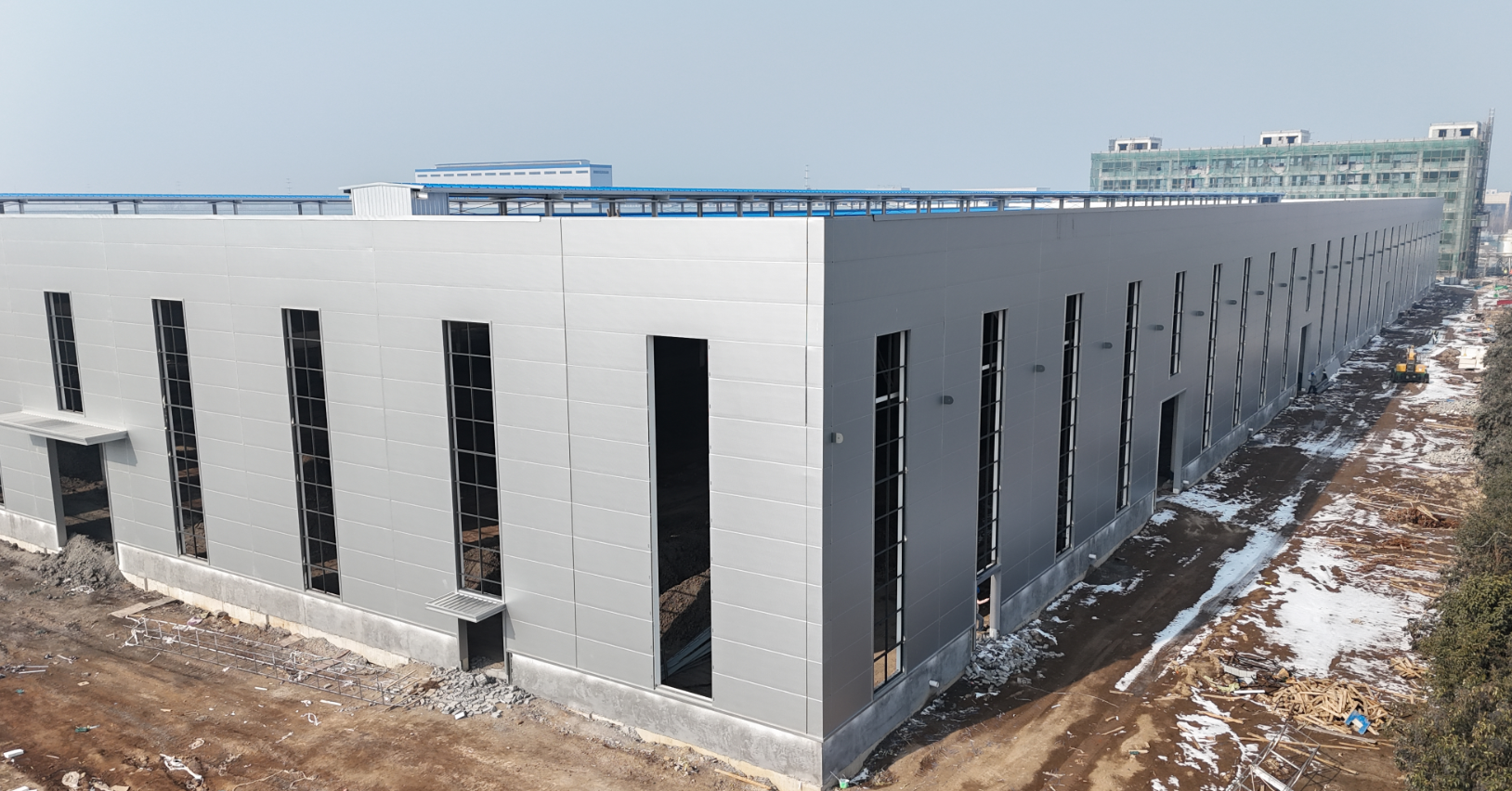
Phase 1: Pre-Construction Planning and Design
Adequate pre-construction planning establishes the groundwork, both regulatory and technical, for steel structure projects. This stage starts planning for the transform of conceptual requirements to execution of the action plans, and deals with risks down the stream.
Structural Engineering, BIM Coordination, and Fabrication-Ready Detailing
Structural engineers involve themselves with the building of a structure by architect's design and converting the design into realities and legally satisfying structures, regulated by AISC 360. However, they also consider the resource optimization of the structure and how to improve the building's seismic resistance. With BIM Coordination, many of the design related clashes between building elements are identified earlier. This means they can be resolved before any actual construction, minimizing field corrections. In fact, this approach has been shown to reduce rework by 15%, which means time and money saved. The last detailed construction drawings for fabrication are prepared. These drawings are also the final details for construction, which include everything from the CAD files for laser metal cutting, bolt hole specifications (within a 1.5 millimeter tolerance) and ASTM compliant (certified) materials. Correct details ensure field fit up and construction ease without the need for extensive field adjustments.
Before the competition starts, you have the edge by communicating with the local governing bodies. Knowing the zoning, environmental, and building codes, the authorities can explain the issues and better facilitate the acquisition of the needed documentation. A review before the construction starts is crucial, as issues may arise such as: cranes having inadequate reach from the construction point, material transporting, or work interdependency due to time scheduling conflicts. Better collaboration among the parties with their Project Deliveries is Contract Integrated. The Owners, Design Entities, and Construction Providers have their interests and objectives better aligned. Therefore, the majority of issues are resolved beforehand. Construction starts, and problems are removed. The increments of time and costs of the added work can be controlled, and the desired State is reached by the Owners. Close to eighty percent of the issues are resolved because of the proactive approach. Complete and unambiguous documentation aids to the elimination of conflicts. The population of Remaining Unresolved and Remaining Concerned, of the schedule, are maintained at the desired State, remaining un-retaking the time.
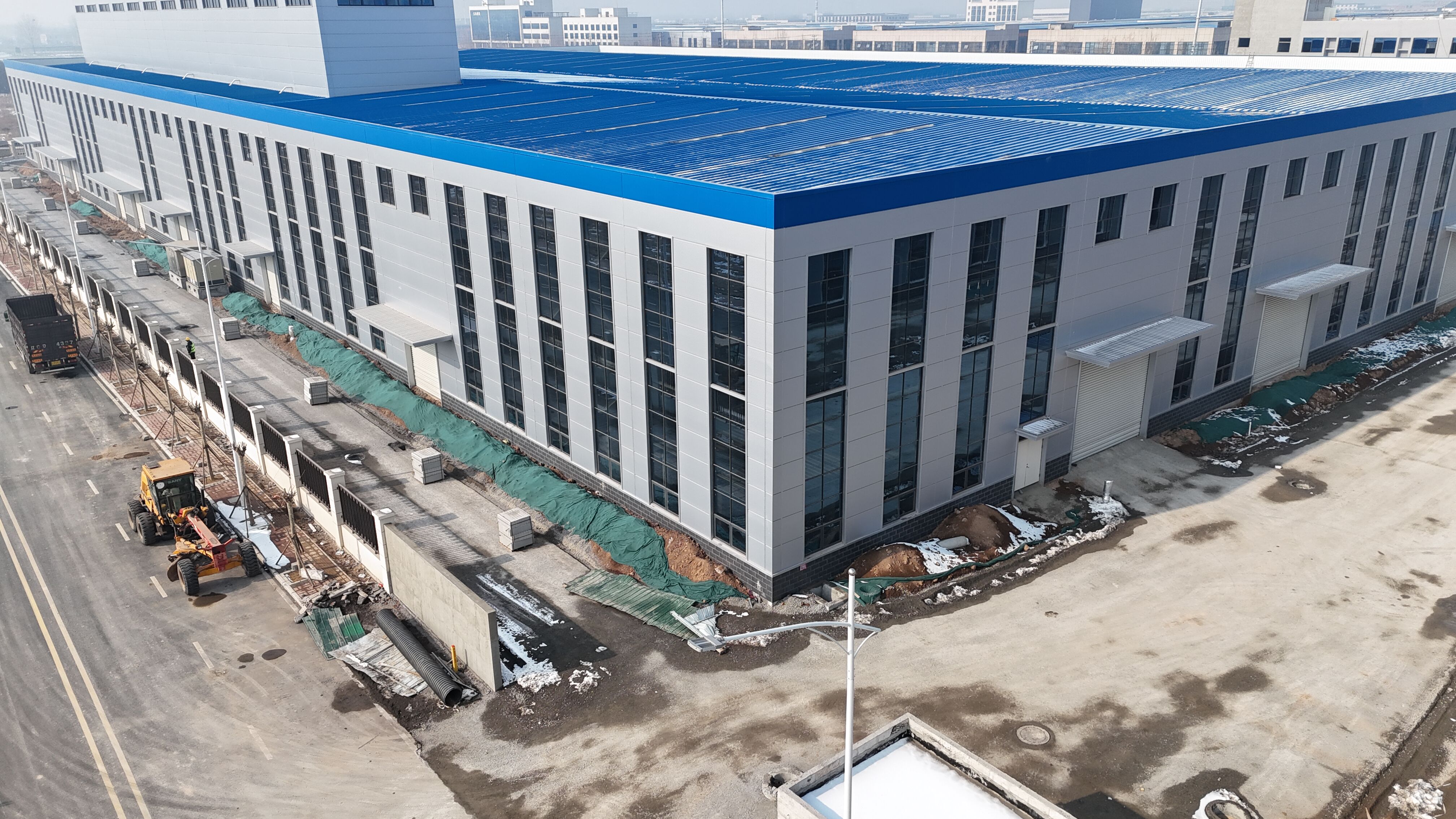
Phase 2: Off-Site Fabrication and Quality Assurance
Precision Fabrication: Cutting, Welding, and Surface Preparation (ASTM A6/SSPC-SP6)
Transforming raw steel into structural components involves three main processes, which are also three points of quality control. First, steel sheets are cut using precision Plasma/Laser Cutting technology. This cutting technology achieves a cutting tolerance of +/− 2mm and is critical for the subsequent assembly of steel components. Second, as per AWS D1.1, certified welders will join the pieces. Sound wave testing is employed to ensure full and proper fusion of the welds. Third, in relation to Surface Preparation, we adhere to the SSPC-SP6 standard to develop a blast anchor profile of 50 - 85 microns. This profile will ensure an appropriate substrate for coating adhesion, and it will remove mill scale and rust as preparation. During this process, we will control preparation and blast environments, which is a benefit when compared to the unpredictable onsite field preparation environments. Prior to shipping, all components are tested in a coordinate measuring machine to ensure suitable fitting of all parts to the site prior to assembly.
In-Process QC and Third-Party Inspection Protocols
Constructing a robust QC system will ensure that issues are identified and addressed at every stage of production. Checkpoint QC involves QC technicians taking physical measurements and weld inspectors capturing joint photographs with digital X-ray weld imaging. Surprise QC audits are carried out by ISO 17020 qualified third-party inspectors and AISC 303 compliance consultants. Depending on the size of the audit, if applicable, non-destructive testing (NDT) surface crack assessments using magnetic particles, hardness assessments (post-heat), and coating thickness measurements are performed as part of the audit checklist. Safety audits from the previous year indicated the use of three level tiered QC systems reduced defects by an average of 66% when compared to single stage inspections. We use a comprehensive traceability system to ensure that every component's history is documented from the point of origin of the raw materials, through each stage of the manufacturing process, and to the point of dispatch from the manufacturing facility.
Phase 3: Site Preparation and Foundation Integration
Site preparation is one of the most critical steps in the construction of steel structures. At the beginning of the process, the construction team clears the construction site of any unnecessary remnants of old structures, as well as other types of debris and biomass in the form of trees and shrubs. Once the site is cleared, they level the working area to ensure the surface of the ground is even to within 25 mm in any direction. Different construction platforms and buildings require different amounts of bearing capacity. Before excavation of the foundations of the building begins, construction engineers conduct soil tests to determine the soil's bearing capacity. During the soil preparation process, construction workers compact the soil in multiple layers, as well as place any necessary conduits for the water, electricity, and communication systems. Once the soil is prepared, concrete is thermally treated, and construction workers place anchor bolts in grouted concrete for future alignment with the building's steel frame. After the concrete has fully cured, construction workers conduct a final inspection to determine if the construction site is within the specified tolerances. Once a construction site is fully prepared, construction engineers begin the actual construction process.
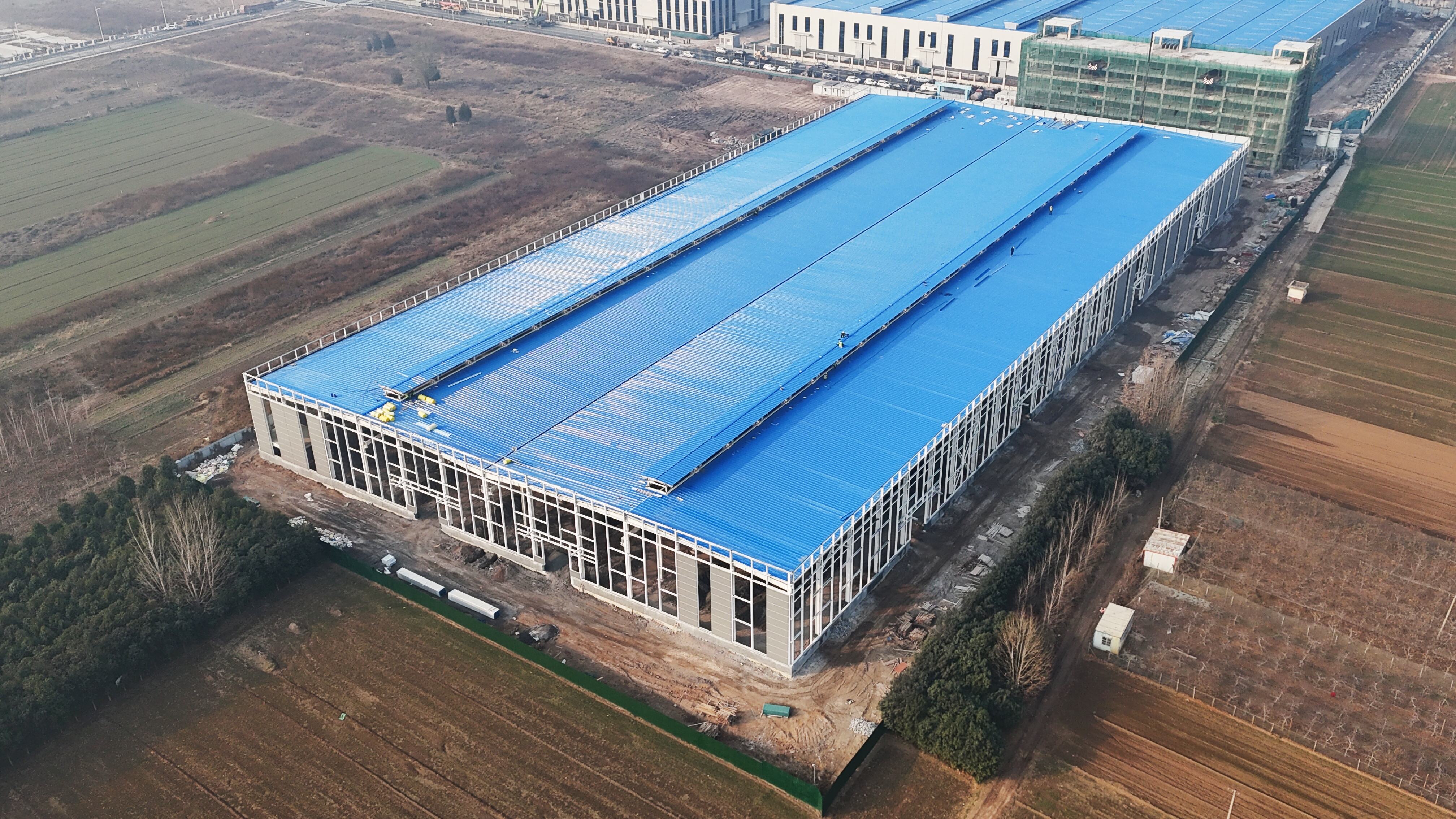
Phase 4: Erection of Structure and Stabization of Frames
Order of Erection: Bracing 1st and Priority of Wind Compartments
Starting with bracing is critical for the construction of stable assemblies of the steel structures in windy conditions. The technique consists of inserting the main braces immediately after the first columns are placed. This technique creates a self-supporting work area that lowers vertical deflections and minimizes future collapse concerns. When considering wind compartments, builders operationally prefer to isolate and wind compartment sections rather than attempt to do them all. This reduces the overall deflection on the structure. These principles are applied constructions sites. They enhance worker safety, reliability of proper assembly of constituent components, and the overall integrity of the assembly process of the structure.
AISC 360 Compliance: Dimensional Calibration, Column and Rafter Positioning, and Purlin Installation
Deviation from all measurements are within the AISC 360 Chapter 7 tolerances for the fabrication and erection processes. Surveys will show that deviations have been kept within stipulated limits prior to the commencement of envelope installation.
Phase 5: Completion of Envelope and Project Closeout
Cladding, Thermal Bridging, and Pre-Handover Review
The final step before total completion of the building envelope is the installation of the cladding panels, leading to the building’s energy efficiency improvement. As a first step, the building’s cladding contractors will align the building panels using a corrosion resistant fastening system, and then apply a waterproof seal to all joints to protect the building from moisture. A key concern throughout the entire building process is thermal bridging, responsible for 30% of energy losses in commercial buildings. In order to eliminate thermal bridging, builders insulate structural connections so that the gap stays full and continuous. Before a project can be handed over, there is a 12 item checklist of visual functions that must be met by the project’s team in terms of fastener tightness, the sealing, the functioning of the drainage, and the integrity of the air barrier. Independent testers assess air barrier integrity in accordance with ASTM E283. Dimensions and spacings are verified by contractors to meet the AISC 360 Guidelines. The warranty is documented and finalized. All of these functions are the necessary ending steps to ensure that the envelope of the building is watertight, to code, ready for occupancy, and energy efficient with year-round comfort to its occupants.
FAQ
What is Pre-construction Planning in steel structure projects?
The pre-construction planning phase mitigates risks of rework by establishing the first of technical and regulatory frameworks and converting conceptual requirements to a detailed blueprint.
What advantages come from BIM coordination in the pre-construction phase?
BIM coordination allows for the identification of design issues early, meaning rework is decreased by around 15%. This saves both time and money.
What is the benefit of off-site fabrication compared to on-site work?
When working off-site, the environment is better controlled for work to be completed with higher precision, as well as better consistency. The adverse effects of inclement weather is also less influential.
What is the foundation integration phase and what does it encompass?
The foundation integration phase encompasses the clearing of the site, grading of the site, the conducting of soil tests, the installation of underground utilities, and the pouring of concrete for the foundation with positioned anchor bolts.
What ways is structural stability ensured during the erection of a building?
The structural stability is primarily ensured through a bracing-first approach and first utilizing wind compartments to brace the structure during the assembly phase.