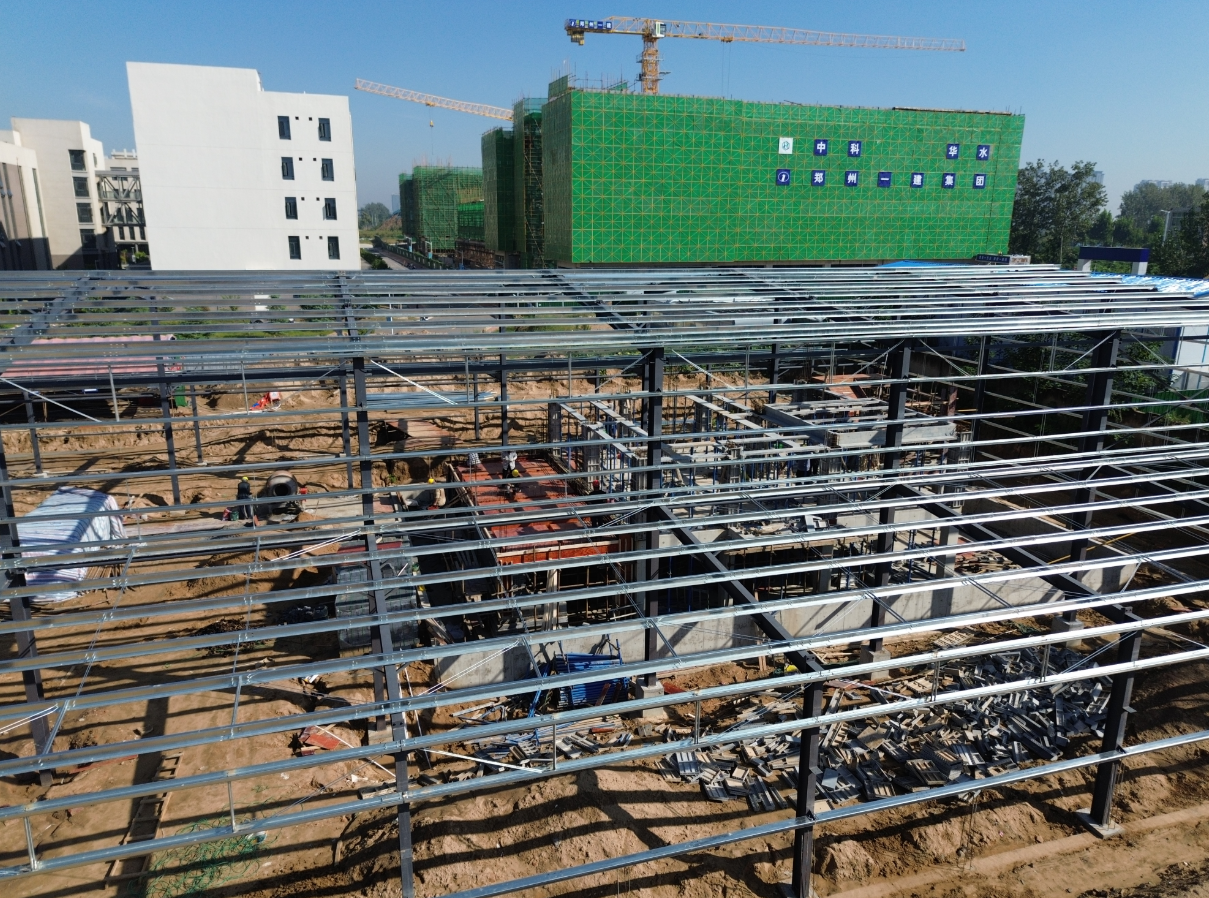
When embarking on a construction project, the first hurdle is often the wide discrepancy in quotes from different steel building suppliers. A common question arises: if the dimensions are the same, why is the Steel Building Price so different?
The reality is that the upfront cost of a structure is not just for raw steel; it reflects a complex ecosystem of design standards, material sourcing, manufacturing precision, and engineering support. Understanding these variables allows project owners to differentiate between a bargain that carries hidden risks and a long-term investment that provides true value and safety.
The Role of Design Standards and Engineering
The most significant factor influencing pricing is the structural engineering strategy. A reputable manufacturer doesn't just cut steel to size; they apply rigorous structural analysis to ensure the building complies with specific regional building codes, snow loads, and wind shear requirements.
Lower-priced manufacturers may use lighter-gauge steel or simplified connection designs to reduce costs, which might save money initially but often fail to account for long-term structural fatigue. A higher investment in the design phase ensures that the building is optimized for durability, which ultimately protects the owner from expensive retrofitting or safety hazards down the line.
| Cost Variable | Low-End Approach | Premium Engineering Approach |
| Material Gauge | Thinner steel, lower load capacity | Optimized thickness for specific regional loads |
| Connection Design | Simplified, generic bolts | Custom-engineered, high-stress resistant connections |
| Safety Factor | Minimal code compliance | Exceeds standard safety margins for longevity |
Material Sourcing and Manufacturing Precision
The quality of the raw material itself is rarely uniform. Steel is not a commodity where all grades perform identically under stress. Manufacturers who invest in high-grade, mill-certified steel ensure consistency in weldability and corrosion resistance.
Furthermore, the fabrication technology—specifically the use of automated CNC equipment—dictates the accuracy of the final product. If a manufacturer relies on manual cutting and welding, dimensional errors are frequent, leading to delays and additional labor costs during assembly. Superior manufacturing processes result in components that fit perfectly on-site, drastically reducing construction time and field modifications.
Supply Chain Resilience and Lead Times
Hidden costs often emerge through supply chain delays. In the steel industry, global logistics and local availability create massive price fluctuations.
-
Inventory Control: Guaranteed availability that stabilizes costs against market spikes.
-
Logistics Network: Efficient delivery scheduling that reduces project downtime expenses.
-
Quality Oversight: Consistent material verification that eliminates the risk of structural non-compliance.
Some manufacturers manage these variables by maintaining large, in-house inventories of raw materials, which insulates their clients from market volatility. A manufacturer that controls the entire supply chain offers a level of predictability that is often worth a premium.
The Value of Total Life Cycle Support
Beyond the physical steel, a project’s total cost should consider the level of support provided by the supplier. Experienced manufacturers offer comprehensive documentation, stamped engineering drawings, and responsive technical support throughout the assembly process.
This level of service minimizes the risk of costly on-site mistakes and ensures the final structure meets every local regulatory requirement. By choosing a partner known for robust manufacturing facilities and end-to-end project management, developers gain peace of mind.
Delivering Reliable Structural Solutions
For projects demanding long-term durability and structural confidence, the choice of manufacturer is the ultimate determinant of success. Steel Warehouses provides this confidence through a combination of high-capacity processing, state-of-the-art manufacturing technology, and an extensive distribution network.
By prioritizing precision and supply chain reliability, Steel Warehouses ensures that every dollar invested in a project contributes to a stable, high-performance structure built for the future.