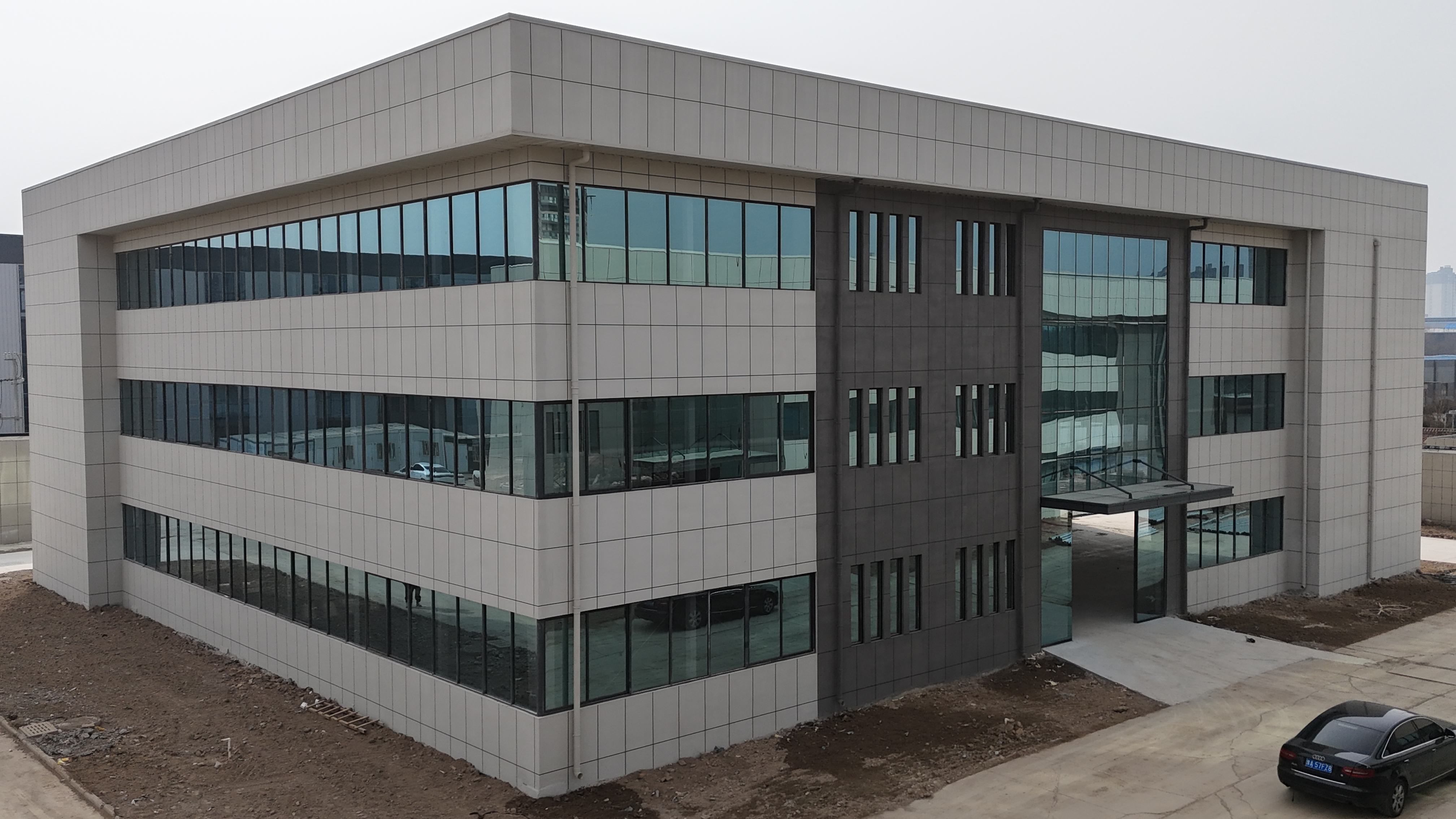
Maximimized Operational Efficiency Through Obstruction-Free Interior Space
Uninterrupted space allows for more efficient movement of materials and easier operation of forklifts
In addition to other benefits of steel structure warehouses, their clear span design improves material movement by eliminating all of the annoying interior support columns that are somewhat frustrating during daily operations. Without support columns, forklifts can pass freely across the entire span of the floor unobstructed. Compared to older building configurations, this saves over 30% of travel time. Operators can also more effectively manage large materials, reducing the potential for operator or worker sight obstruction that could contribute to accidents. There are also of course warehouse accidents that could significantly impact the company's bottom line. The Ponemon Institute reported in 2023 that the average warehouse accident cost the company over $740,000 annually.
Increased vertical space usage and up to 25% more usable space
Steel warehouses also take into consideration space above the warehouse floor. With unobstructed clear spans and vertical clearance exceeding 30 feet, vertical space can be expanded in the following ways:
Vertical space can be utilized in the following ways: Tall pallet racking systems maximize cube storage without floor space interference
In adjustable mezzanines, vertical space can also be utilized to create additional storage or work platforms (e.g., in tiered systems, vertical space can be utilized to create multiple levels of storage or work platforms).
Eliminating vertical support columns creates additional floor space and along with increased vertically usable space, allows for increased overall storage per square foot. With the other benefits, this is also the reason 67% of logistics operators selected steel over traditional methods.
Design Flexibility and Scalability for Evolving Logistics Needs
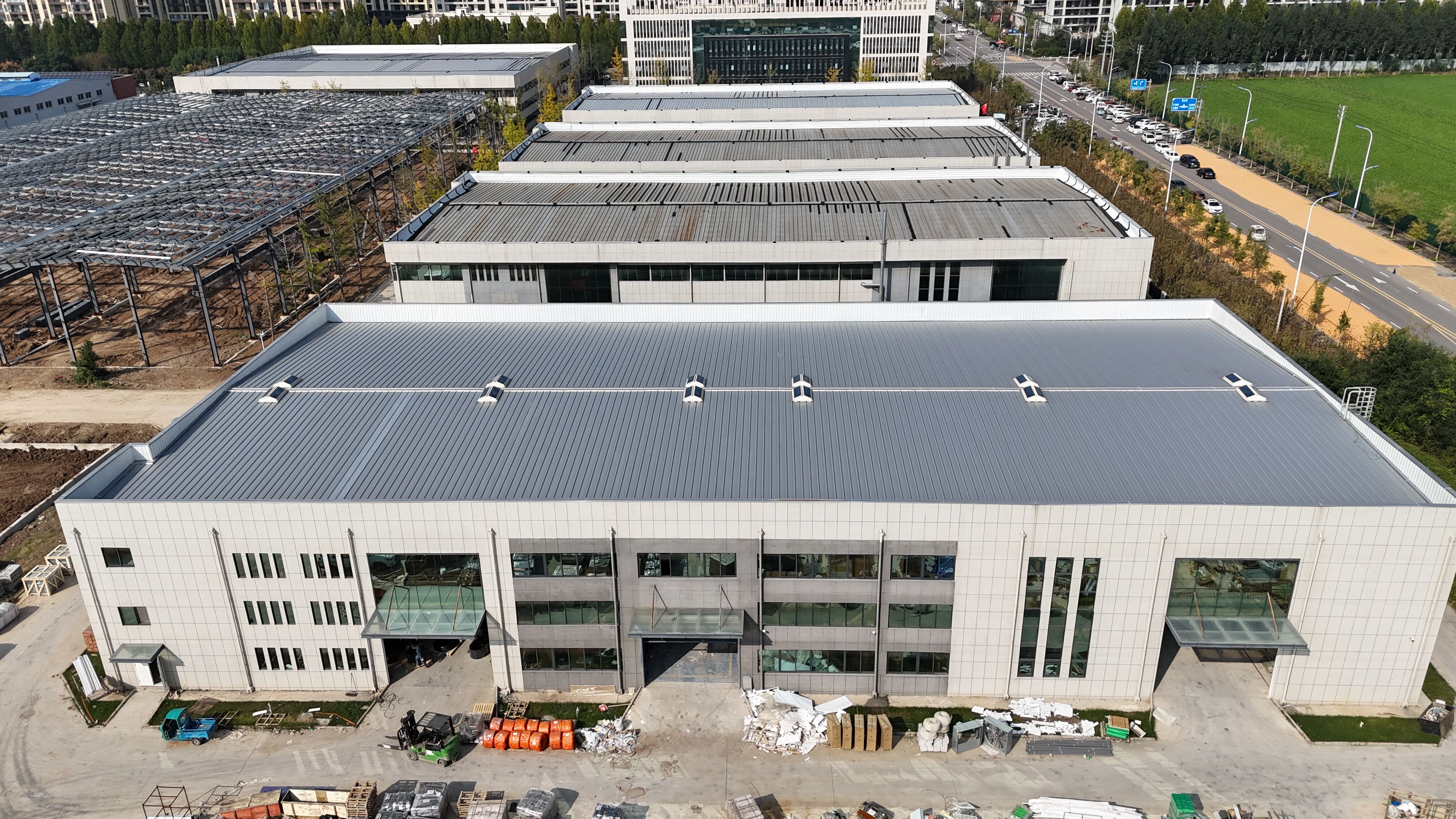
Easy reconfiguration of layouts without structural changes.
Steel warehouse buildings that span clear areas without interior columns or heavy support walls allow businesses to change layouts in a few days. Warehouse managers can do it themselves instead of hiring contractors. Old style warehouses are structurally disruptive. Companies report a reduction in downtime during these changes when moving from conventional structures. Increased flexibility is necessary when dealing with busy seasons or launching new products.
Modular expansion—adding bays or height while preserving structural integrity
Adding new steel structures is straight forward. Other than reinforcing the foundation, the type of expansion is only limited by the customer's design choice and budget. If the design options are less constrained, the manufacturer of steel structures will plan for growth by including extra space (in planning and budget). If growth does occur, structures will plan for less financial burden. Traditional construction, for growth or expansion, will typically be 30 to 40 percent of the cost. Warehouse growth typically si achievable by going up or out. If done by going up, then the low storage racks will be higher and new structural storage racks will be added. The best use of property, while keeping space for building, is achieved by increased flow to or through the building.
Warehouse of Pre-Engineered Steel Structures—Cost-Effective Construction and Long-Term ROI
Build time reduction = 40–60% (vs. older construction)
The Pre-engineered steel structures are built using a method that is 40–60% faster than any older construction method. This method entails using a design of steel components that have been fabricated (made) in a factory and a method that uses bolted connections. The construction schedule is almost exactly to the day of the plan, but if anything, the time planned is too quick. The 30-50% shorter cycle is almost guaranteed for premium structures. This allows the first operational revenue to be realized that much faster (i.e. no money is wasted and there is less money than predicted that is lost in a cycle). Less than 2% is the amount of unwanted labor and material that is wasted, and that is the amount that is less than 2%. The amount that is left is the amount that is less than 2%. Of course, there are other construction budgets (building) that are reduced by at least that amount.
Minimal maintenance, over 50 years useful life, superior lifecycle costs
Steel structures require minimal maintenance and provide more long-term value than other materials. Steel framed Warehouses will outlast most other building materials meaning customers spend less time and money performing repairs. Steel completes construction in less time than conventional building materials (6-9 months vs 12-18 months) with minimal costs in middle (conventional construction is 3-5% annually vs steel <1% annually). Steel framed warehouses have a service life of 50+ years vs 30-40 years with conventional. In terms of Material Waste, steel framed warehouses operate with <2% vs 10-15% with conventional. The efficiency of steel framed warehouses in construction means it is decision with the longest ROI, 40% of total savings over decades.
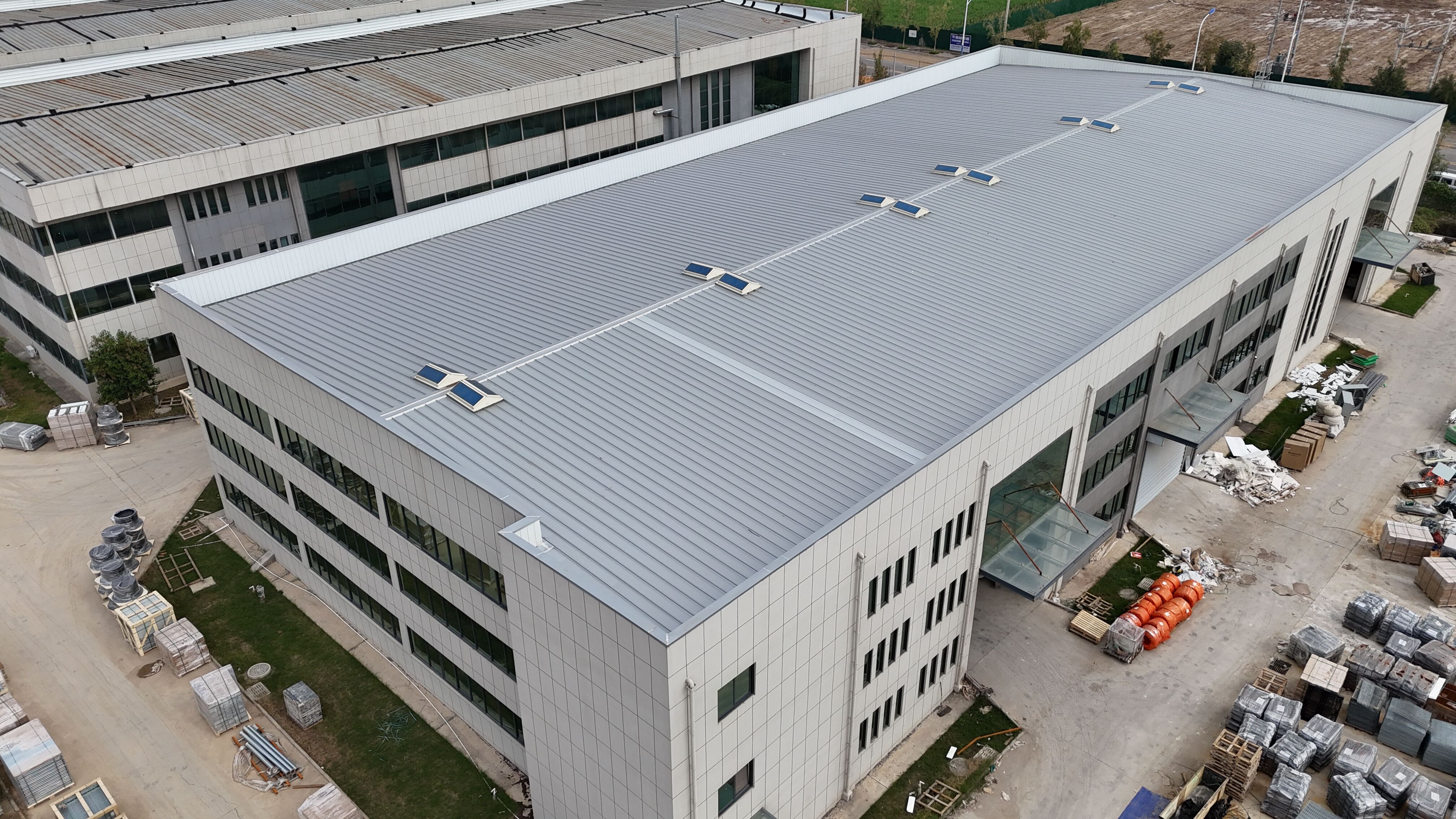
Integrity of Structure and Flexibility in Design
Light Weight and High Resilience to Common Stresses
The engineering of steel warehouses provides the ability to withstand all the common loads and stresses in a prefabricated structure including considerable snow loads (50 lbs/sf) and 150 mph sustained winds. The prefabricated steel warehouses are also corrosion resistant and will endure with little to no wear from harsh coastal and factory environments. ASTM A653 galvanized steel is used to withstand and prevent corrosion in harsh environments and is proven to stand up to the rigors of erosive environments. This corrosion resistance adds considerable longevity to the life of the steel warehouse and reduces maintenance costs to those inner structures.
Glass fiber reinforced concrete (GFRC) panels enhance fire-resistant attributes on projects and cause operational downtime to be less and containment of a class A fire less likely. With a structure lifespan of over 50 years and 30% lower lifecycle costs than traditional building methods, operating a maintenance-free structure for over 50 years is simpler.
Performance Attribute Industry Impact
Wind resistance (150+ mph) storms
Corrosion protection (ASTM A653) life
Safe inventory
FAQ
Advantages of a steel structure warehouse
Improved operational and scalable efficiency is provided by unobstructed workspace, vertical storage, greater and quick reconfiguration capabilities provided by steel structure warehouses.
Steel vs traditional construction
The traditional construction vs. steel construction assembly time, maintenance, and life service, structural performance and material waste is superior and creates and provides better ROI and cost savings.
Why steel structure suits demanding environments
Natural elements and operational performance of rust resistance, high strength to weight ratio makes fire resistance and steel superior.