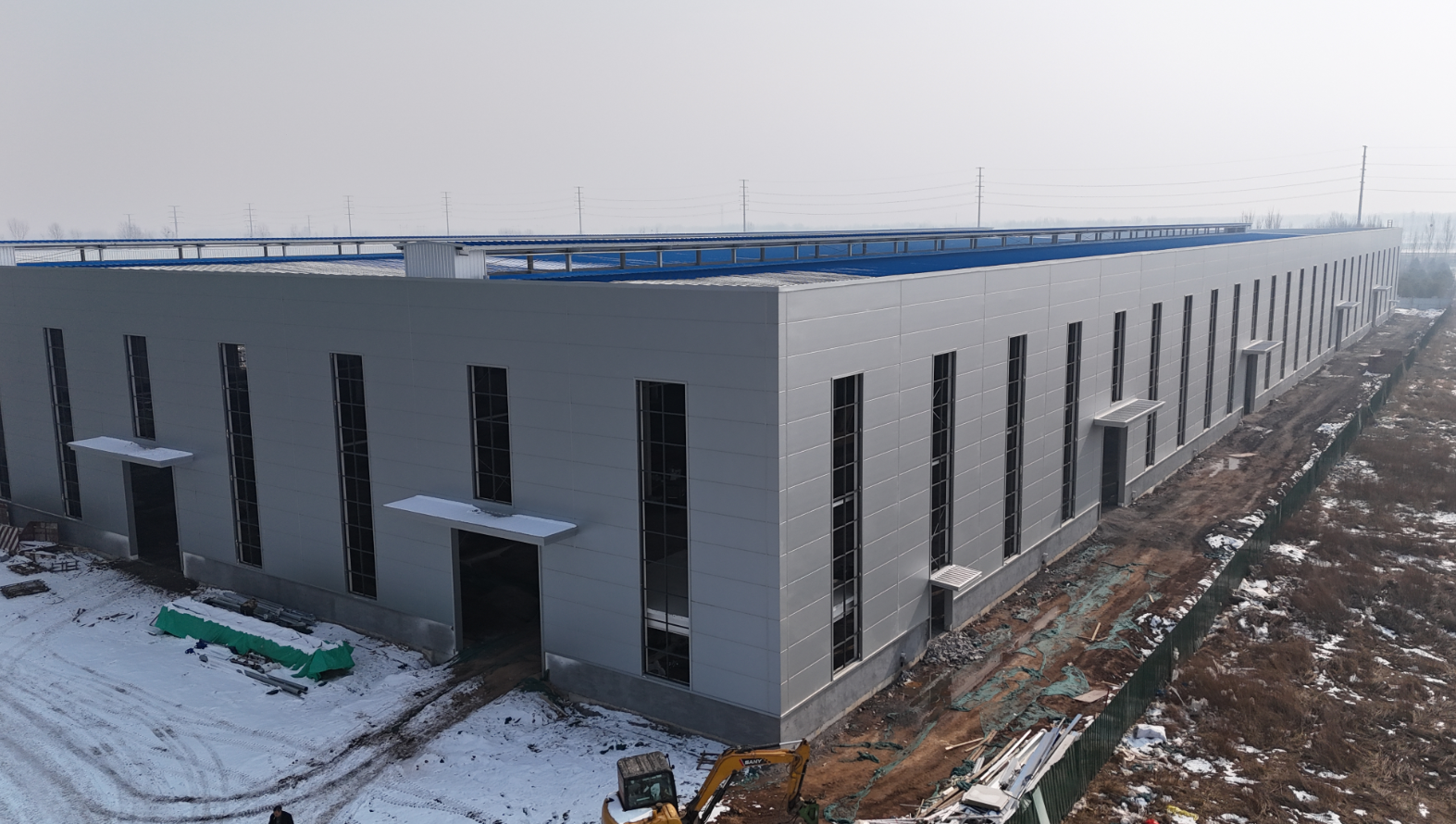
OSHA Subpart R Compliance for Fall Prevention During Steel Erection
Falls remain the leading cause of fatalities in steel structure construction, accounting for over 30% of all industry deaths. A layered approach—integrating regulatory compliance, proactive hazard assessment, and reliable protective systems—is essential to safeguard workers at height. OSHA 1926 Subpart R establishes fall protection requirements specifically for steel erection activities. Employers must provide conventional fall protection—guardrails, safety nets, or personal fall arrest systems—when workers are exposed to falls of 15 feet or more.
Connectors and employees working in controlled decking zones may operate without conventional fall protection up to 30 feet, provided the zone is clearly demarcated, limited to trained personnel, and actively monitored. Perimeter safety cables must be installed immediately after decking placement, and temporary floor openings must be covered or guarded. Personal fall arrest systems require anchorage points rated to support 5,000 pounds per employee. All harnesses, lanyards, and anchorages must undergo regular inspection—and be removed from service if damaged. A pre-erection site plan identifying fall hazards and outlining rescue procedures is a foundational compliance requirement, ensuring each task aligns with appropriate, verified protection measures.
Hazard-Specific Risk Assessment for Falling Objects and Structural Instability
Beyond falls, steel structure construction sites face severe risks from falling objects and temporary structural instability. A structured hazard risk assessment distinguishes between these distinct threats:
| Hazard Type | Common Causes | Preventive Measures |
| Falling Objects | Unsecured tools, loose debris, and material handling on elevated decks | Toeboards, debris nets, full tool tethering; hard hats mandatory for all personnel below |
| Structural Instability | Incomplete connections, out-of-sequence erection, wind loads on partially assembled frames | Engineered bracing, strict adherence to approved erection sequencing, daily inspections of temporary connections |
Focusing solely on falling objects overlooks the catastrophic potential of partial collapse. Project teams must integrate both falling object barriers and engineered bracing into daily pre-task planning. Real-time wind monitoring—with a clearly defined no-work threshold—further mitigates instability risks. By assessing each hazard category separately and assigning specific, verifiable controls, teams implement a coherent safety strategy that protects workers both on the steel and on the ground.
Temporary Stability, Bracing, and Erection Sequencing
Temporary stability is pivotal in steel structure construction, as unbraced frames can collapse under wind, erection loads, or self-weight. Engineering-controlled bracing—including cable bracing, temporary guys, and plan bracing—must be designed by a qualified person per OSHA regulations. A comprehensive bracing plan accounts for load paths, slenderness ratios, and sequential tightening to prevent catastrophic failure. OSHA attributes approximately 25% of steel erection collapses to inadequate temporary bracing.
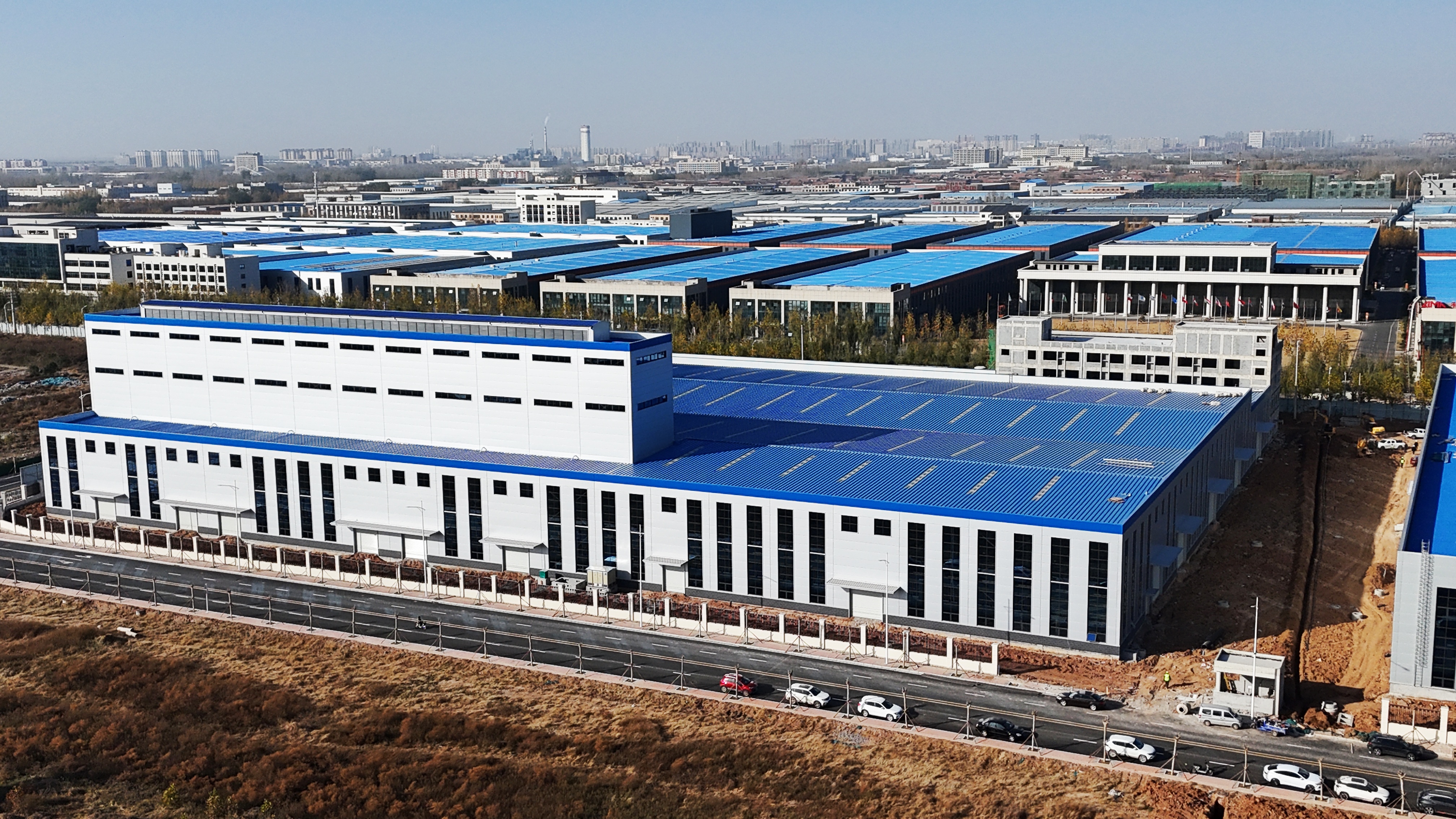
The plan must specify the type, location, and removal sequence of every brace—ensuring no structural component remains unsupported. For example, columns must be guyed immediately after placement before crane release. Diagonal bracing in two orthogonal directions is typically required, and connection points must resist both tension and compression forces. Continuous monitoring of brace tension—especially during weather shifts—is critical. When implemented correctly, engineered bracing transforms a vulnerable skeleton into a stable, load-bearing structure, enabling safe progression of subsequent work.
Load Handling Best Practices and Mechanical Aid Integration
Safe load handling in steel structure construction relies on mechanical aids that reduce manual strain and improve precision. Spreader bars, lifting beams, and vacuum lifters distribute weight evenly and minimize sway during hoisting. Field studies indicate that mechanical aids can reduce overexertion injuries by up to 60% in steel erection. Workers must be trained to select rigging based on each component’s center of gravity and adhere strictly to load charts.
Never exceed rated capacities, and always conduct a trial lift—raising the load just inches—to verify stability. During landing, guide loads using tag lines—not hands—and use push sticks for alignment. Awkward postures, such as reaching under suspended loads, are prohibited. Horizontal movement should leverage hydraulic jacks and skid systems to eliminate brute-force handling. Embedding these practices into daily routines keeps erection sequencing fluid, precise, and hazard-free.
Crane, Rigging, and Hoisting Safety Protocols
Effective rigging demands disciplined protocols to prevent dropped loads and unbalanced equipment. Load securing begins with verifying legible tags on slings, chains, and straps indicating safe working loads—and confirming the hook and suspension form a straight line to avoid side loading. Taglines are mandatory to control sway, and no personnel may work or travel beneath suspended loads. Communication depends on certified signal persons using standardized hand or radio signals—particularly when the crane operator’s view is obstructed.
Environmental adaptation requires pre-lift surveys for overhead power lines, wind speed, and ground bearing capacity. Crane positions and load paths must be planned to avoid swinging over personnel, and all equipment must undergo pre-shift visual inspections to detect wear or damage before operation.
Human Factors: Competency, Training, and Site Coordination
The foundation of a secure project lies not in steel—but in workforce skill. While regulatory bodies mandate steel erection training, leading contractors apply a three-tiered competency model that moves beyond orientation to verified, role-specific proficiency. A connector requires different competencies than a signal person or erector. Tier one delivers standardized knowledge; tier two involves supervised field evaluation by a qualified person; tier three includes documented, periodic re-verification. This model directly addresses human error—which contributes to over 80% of workplace incidents. A robust verification system transforms training certificates from static documents into dynamic, auditable proof of current ability to perform safely in high-risk steel structure construction.
Even highly competent crews falter without clear lines of sight—both literal and operational. Miscommunication during multi-ton lifts or complex sequencing steps is a leading cause of near-misses. To mitigate this, site coordination must deploy a layered communication protocol integrating passive and active systems:
| System Type | Primary Function | Example in Steel Structure Construction |
| Passive Systems | Provides continuous, visual situational awareness | Color-coded danger zones, digital plan-of-the-day boards, real-time wind speed alarms |
| Active Systems | Enables immediate, two-way verbal or data exchange | Noise-canceling headsets with dedicated raising-gang channels, encrypted push-to-talk devices |
Standard hand signals serve only as a last resort due to high misinterpretation risk. Leading sites enforce a sterile cockpit rule during critical lifts—silencing all non-essential radio traffic—to ensure an unbroken, direct link between signal person and crane operator. This closes the communication gap where human error can trigger cascading failure.
Frequently Asked Questions
What is OSHA Subpart R?
OSHA Subpart R establishes specific fall protection requirements for steel erection activities, including safety nets, guardrails, and personal fall arrest systems.
What are the primary hazards in steel structure construction?
The key hazards include falls, falling objects, and temporary structural instability. Focused risk assessments and preventive measures address these risks.
What is the role of engineered bracing in steel erection?
Engineered bracing stabilizes unbraced frames and prevents collapse due to wind, erection loads, or self-weight during construction.
How can falling object risks be mitigated?
Preventive measures include toeboards, debris nets, tool tethering, and mandatory hard hats for personnel below elevated work areas.
Why are communication systems essential during steel erection?
Effective communication systems prevent human errors and near-misses, ensuring safe and streamlined coordination during critical lifts and sequencing steps.