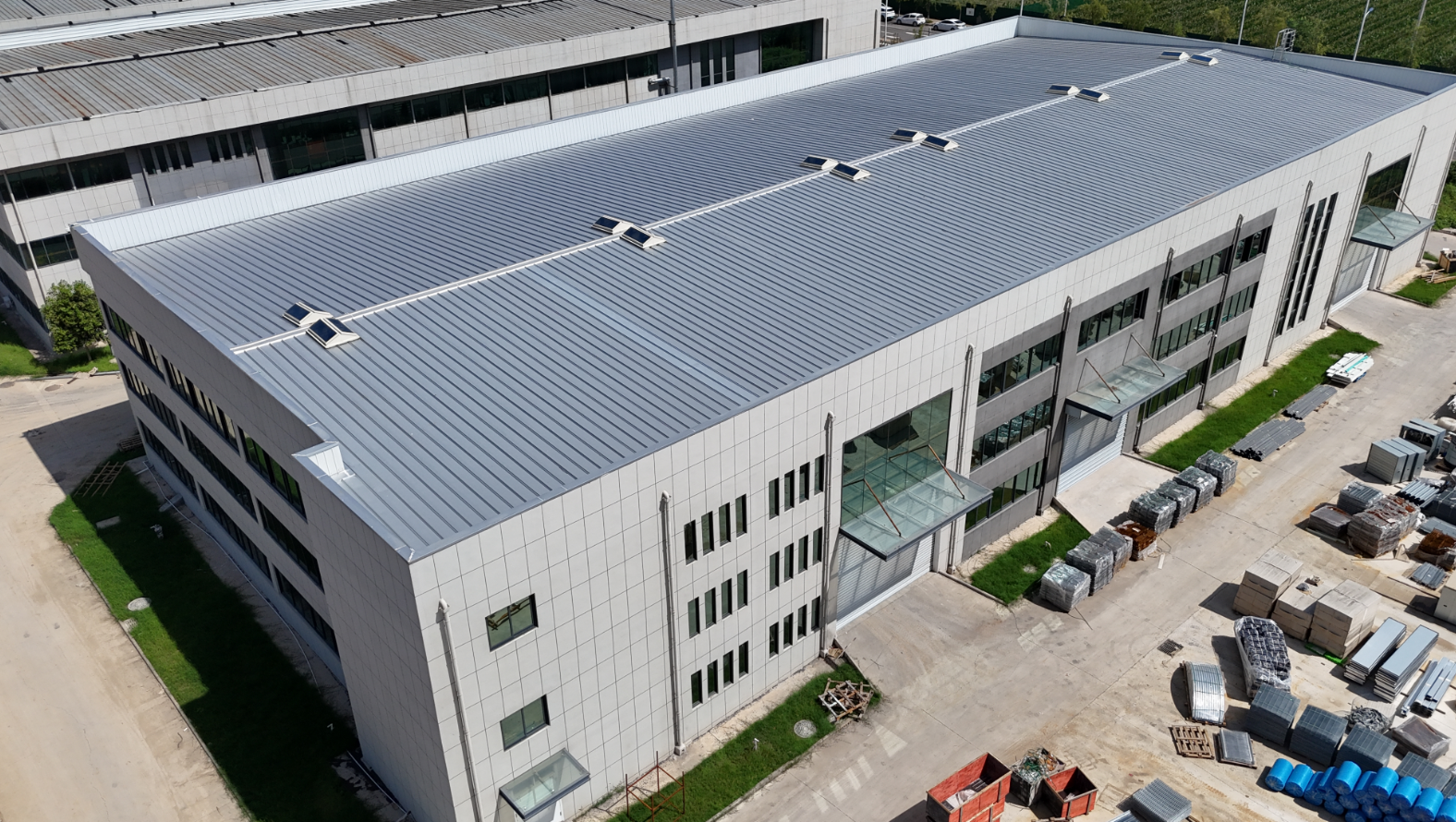
A Metal Building removes the two weakest links that let wood and masonry structures fail: digestible material and damp cavities where spores thrive. Buyers weighing prefabricated steel against stick-built options usually focus on price and schedule, yet the largest lifetime cost often comes from infestation and decay. Termites alone cause billions in annual structural damage across North America, and mold remediation can halt operations for weeks. Steel changes the risk equation because the envelope contains almost no organic substrate for pests and very little surface for moisture to accumulate. The following sections explain the structural and thermal reasons behind that performance, then show how specifiers can lock it in during design and upkeep.
How a Metal Building Stops Termite and Rodent Infestation
The Steel Frame Leaves No Organic Material to Eat
A Metal Building stands on Q235 or Q355 steel columns and H-section beams rather than sawn timber. Termites, carpenter ants, and rodents need cellulose and soft material to chew, nest, and breed. Cold-formed and hot-rolled steel offers none of that. Where wood studs invite galleries and hidden ruin, a bolted steel frame stays dimensionally stable and inert. Hot-dip galvanizing adds a zinc barrier that resists corrosion and removes any exposed food value. Local codes such as IBC and standards from AISC and MBMA guide safe connection design, but the pest advantage comes simply from the absence of organic material in the primary structure. Specifiers still seal penetrations and keep grade clearance.
Tight Cladding Removes Pest Entry Points
A Metal Building gains a second defense from tight cladding. Continuous rock-wool or PU sandwich panels form a sealed enclosure with far fewer gaps than overlapping timber boards. Proper cladding detailing closes the routes rodents use to enter wall cavities. Edge-sealed panel joints, gaskets at doors, and aluminum alloy flashings deny shelter and nesting space. Unlike wood siding that warps and shrinks, factory-made panels hold their tolerance and keep the building airtight year after year. Ventilation louvers and roll-up doors are sized and framed so the openings remain controllable rather than open invitations. A tight envelope also supports moisture discipline, the second half of the pest story.
Real Project: Warehouse Saved From Recurring Termite Damage
A distribution operator in a humid coastal region faced repeated termite loss in a wood-framed storage block, with crews treating the same bays every season. After switching to a Metal Building, the corroded timber was removed and a galvanized steel frame with PU sandwich envelope was installed on the same slab. Ventilation louvers and a vapor-controlled roof plane kept the interior dry. Within two seasons the recurring treatment cycle stopped because the structure offered no organic material to attack. The owner reported lower maintenance spend and uninterrupted operations. The result shows how removing the food source, not repeated chemical treatment, resolves the root problem.
Why Mold Struggles to Grow in a Steel Envelope
Vapor Barrier and Condensation Control Stop Moisture
Mold needs sustained dampness, and a Metal Building tackles that at the envelope. A continuous vapor barrier on the warm side, paired with insulated sandwich panels, limits the warm moist air that reaches cold surfaces. Condensation forms when humid interior air meets a cool deck; careful detailing and thermal-bridge prevention keep surface temperatures above the dew point. ASHRAE guidance on enclosure moisture informs the layout of insulation and air layers. Where single-sheet roofs are used, a fiberglass layer with galvanized wire mesh and sealed joints restricts both heat loss and water entry. The goal is simple: deny mold the film of moisture it requires.
Ventilation and Humidity Control Dry the Interior
Steady airflow is the quiet partner of a dry building. A Metal Building pairs roof turbine ventilators and wall louvers with the insulated envelope so humid air is exhausted before it condenses. Humidity control through designed ventilation rates, referenced in ASHRAE and NFPA guidance for occupied spaces, keeps relative humidity below the range where spores establish. Mechanical ducts and skylights further balance temperature and moisture. Where operations release vapor, targeted exhaust at the source prevents buildup. Dry interiors stay hostile to both mold and the insects that follow damp wood.
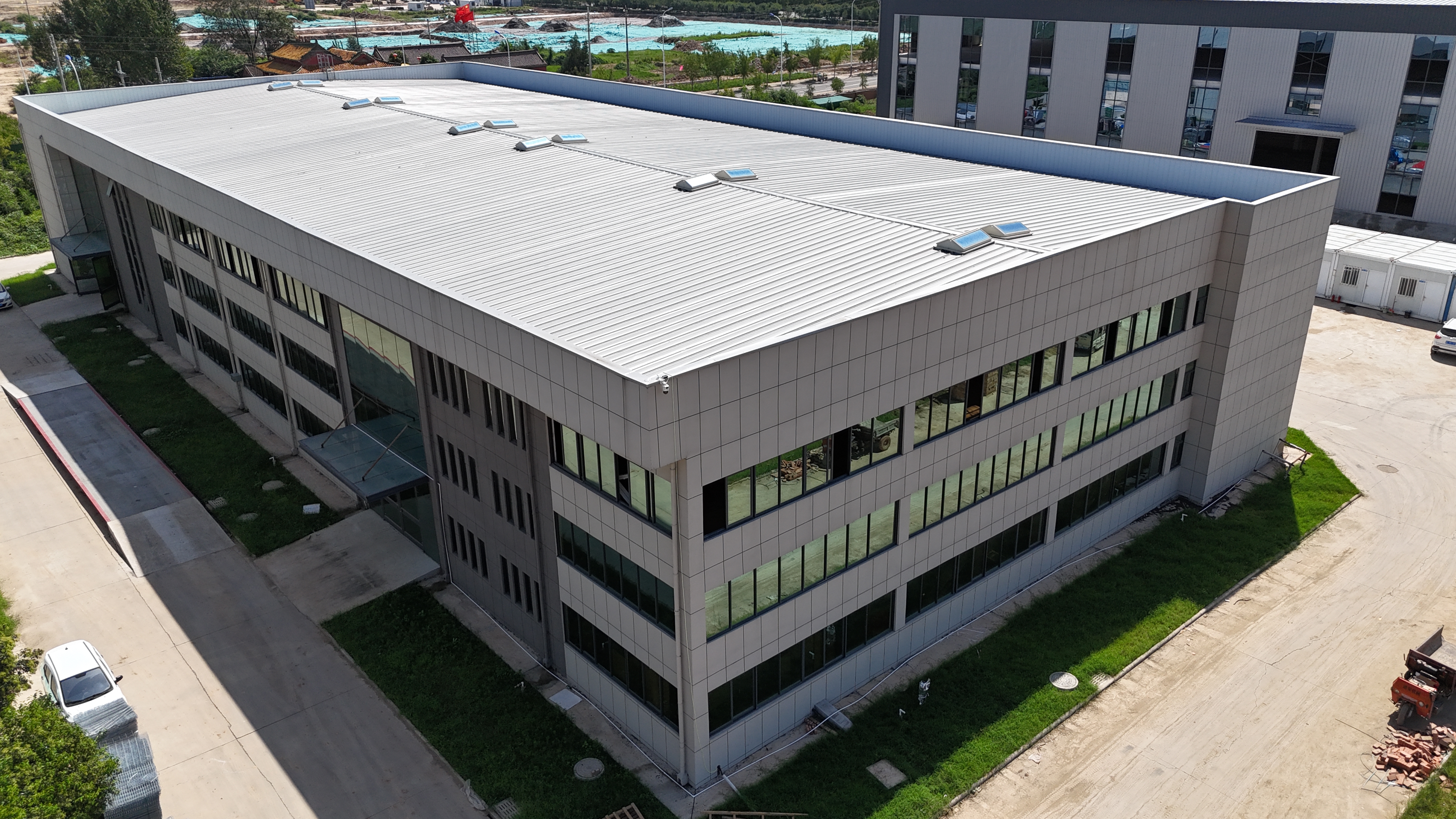
Design and Maintenance Checks That Keep Buildings Healthy
Specifying Corrosion Protection for Long Service Life
Even inert steel needs protection from corrosive environments. A Metal Building in coastal or industrial sites should specify hot-dip galvanizing or a coated system: zinc-rich primer, micaceous iron-oxide intermediate, and fluorocarbon topcoat. ISO 9001 and ISO 14001 certified fabrication ensures the treatment is applied and recorded. EN 1090 execution standards cover welded and bolted steelwork for CE marking. Galvanized steel fasteners and aluminum alloy trims resist rust that would otherwise open seams. With proper specification, the envelope remains sealed and the pest- and mold-resistant properties last for decades of service life.
Inspection Routine for Owners and Contractors
Performance depends on upkeep. A simple maintenance plan protects the investment and the health of occupants. Inspect sealant and gaskets at doors and louvers each season, and confirm ventilation louvers are unobstructed. Check the vapor barrier at roof penetrations after storms, and look for any corrosion at cut edges or bolt seats. OSHA housekeeping standards support a clean, dry interior that discourages pests. Contractors should document clearance from soil and keep vegetation away from cladding. These checks take little time yet preserve the sealed, dry conditions that make the structure resistant to infestation and decay.
Summary
A Metal Building addresses pest and mold risk at the material level rather than through endless treatment. The steel frame carries no organic material for termites, the sealed enclosure and cladding remove entry points, and vapor control with ventilation keep interiors dry. Specifying galvanized corrosion protection and a disciplined inspection routine extends those benefits across the service life. Buyers comparing construction types will find that steel shifts the burden from repeated chemical and remediation work to sound design. For B2B operators, that translates into steadier occupancy, lower lifecycle cost, and a healthier building.
Frequently Asked Questions
Question 1
What makes a steel structure resistant to termites? Steel contains no cellulose, so termites and carpenter ants find nothing to eat in the frame. Q235 and Q355 members, bolted and galvanized, stay inert and dimensionally stable. Unlike timber, the structure cannot rot or soften, which removes the hidden galleries pests exploit. Sealed cladding and gaskets further block entry. A Metal Building therefore relies on absence of food rather than chemical defense, which lowers recurring treatment cost for owners.
Question 2
Why does mold grow less in steel envelopes? Mold needs sustained moisture and a surface to cling to. Insulated sandwich panels with a vapor barrier limit condensation by keeping warm air off cold decks. Designed ventilation and humidity control exhaust damp air before spores establish. ASHRAE moisture guidance supports this layering of insulation, air, and vapor control. With dry, non-organic surfaces, the envelope offers little for mold to colonize.
Question 3
How should buyers specify corrosion protection? Coastal and industrial sites need durable coatings. Hot-dip galvanizing or a primer-intermediate-topcoat system shields steel from corrosive exposure. EN 1090 and CE execution standards ensure welds and fasteners meet requirements. Galvanized steel and aluminum alloy trims resist rust that could open seams. Specifying certified fabrication protects the sealed envelope and preserves the pest- and mold-resistant performance over the building service life.
Question 4
Can ventilation alone prevent moisture problems? Ventilation is necessary but not sufficient on its own. Roof turbines and wall louvers exhaust humid air, yet they work most reliably with a continuous vapor barrier and thermal-bridge-free insulation. Together they keep surface temperatures above dew point and relative humidity low. Targeting exhaust at vapor sources, such as wash or process areas, prevents localized buildup. A balanced enclosure design delivers the dry conditions that discourage both mold and pests.
Question 5
Where should owners focus routine inspection? Inspect door and louver gaskets each season and keep ventilation paths clear. After storms, check the vapor barrier at roof penetrations and look for corrosion at cut edges or bolt seats. Maintain soil clearance and trim vegetation touching cladding. Following OSHA housekeeping practices keeps interiors clean and dry. These short checks preserve the sealed, dry state that makes the structure resistant to infestation and decay.