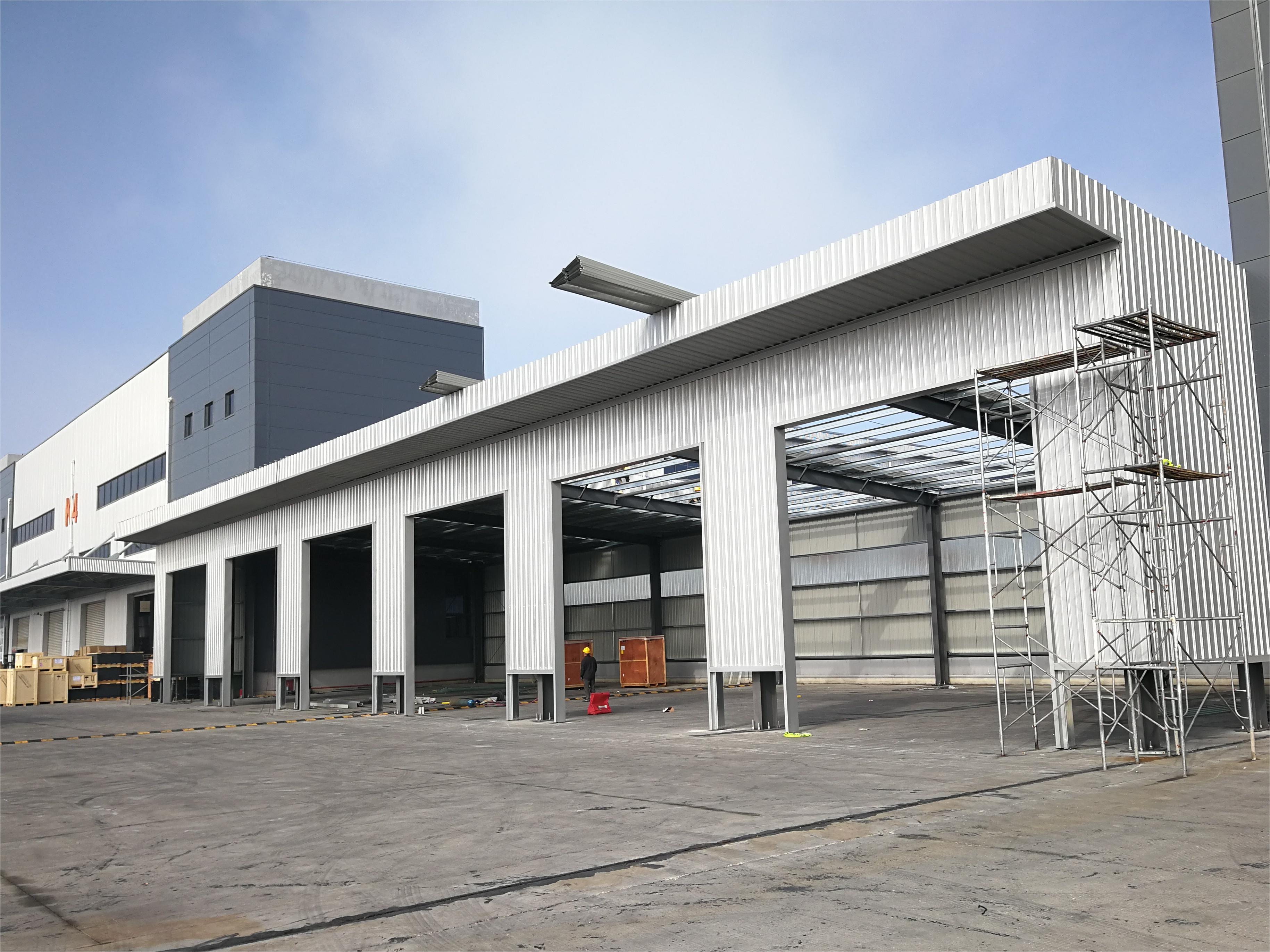
When Teams Fall Out of Sync
A steel project passes through many hands before a single bolt is tightened. Steel Structure Construction succeeds only when the owner, designer, fabricator, and installation crew share one plan from day one. When these groups work in isolation, the schedule slips and rework multiplies faster than expected. A structure is the sum of its handoffs, and a weak link anywhere stops progress for everyone downstream.
The Cost of Poor Handoffs
In one warehouse project, the fabrication shop waited weeks for finalized connection details while the erection crew stood idle on site. Steel Structure Construction depends on clean handoffs; a late drawing release meant steel arrived after the crane window had closed. The crew lost several working days, and the general contractor absorbed overtime to recover the lost milestone. The scenario shows how a single missing link stalls the entire build rather than one trade, because every later step assumes the earlier one finished on time.
Common Breakdown Points
Breakdowns appear at predictable spots. The designer issues models the fabrication shop cannot detail without clarifications. The subcontractor receives deliveries before laydown space is ready. The quality inspection team finds fit-up gaps only after welding begins. Permit delays from the authority having jurisdiction freeze the crane plan. Each issue alone looks minor, yet stacked together they erase the buffer that keeps a milestone reachable. Mapping these points early lets the team watch the right places instead of reacting after the fact, a discipline that defines reliable Steel Structure Construction.
Building a Coordination Framework
Mapping the Stakeholders
Clear ownership prevents overlapping responsibility. The owner funds and approves scope. The designer converts function into H-section steel framing and connection logic. The fabrication shop translates drawings into cut, weld, and bolt lists. The installation crew erects according to the crane plan and erection sequence. The general contractor ties these threads together, while the safety lead protects the site. Early 3D modeling and a short design turnaround give the fabrication shop a stable model to detail from, which limits the RFI volume later. Naming who decides what, at which milestone, removes the ambiguity that breeds conflict and keeps accountability visible to every party involved.
Sequencing Procurement, Fabrication, Erection
Logistics decide whether steel reaches the site on time. Procurement of plates and sections must precede fabrication shop cutting by a margin wide enough for mill lead times. Fabrication then runs ahead of erection, with the installation crew scheduled only after key frames are stacked and inspected. A written erection sequence, matched to the crane plan, tells each trade where to be and when. Buffer stock at the laydown yard absorbs a late truck without halting the crew. Long-lead H-section steel and galvanized fasteners should be ordered first, because a missing connection item at the laydown yard can stall an entire bay even when major frames are present. Steel Structure Construction runs smoothly when this chain is planned backward from the required completion date.
RFIs and Weekly Coordination Meetings
Questions cannot wait for the next crisis. A request for information (RFI) should route to one answerable owner within a set window, not drift across email threads. A standing weekly coordination meeting brings the designer, fabricator, installer, and general contractor to one table with the updated schedule. There, the crane plan, logistics, and permit status get reconciled before they become blockers. This rhythm turned the idle-crew story above into a recovered schedule, because decisions were made with everyone who had to live with them in the room.
Safety and Quality on Site
OSHA-Aligned Site Safety
Steel erection is high-risk work, and site safety has to be planned rather than patched. OSHA standards for steel erection govern fall protection, guardrails, and positioning of the crew during lifting. The crane plan must account for swing radius, ground bearing, and exclusion zones. A subcontractor working aloft needs trained signal persons and tagged rigging gear. Weekly toolbox talks keep hazard awareness current as the structure gains height and wind exposure changes. EN 1090 execution classes also guide how the fabrication shop documents and controls the welded product.
Quality Inspection Milestones
Quality is cheaper to confirm than to correct. At the fabrication shop, weld procedures follow AWS D1.1, and incoming steel grade is verified against the specified Q235 or Q355 before cutting. On site, quality inspection milestones mark each stage: anchor-bolt set-out, first-column plumb, frame square, and bolt tension. Catching a misalignment at the milestone keeps the next trade on a true base. Documentation at each gate supports an ISO-traceable handover and gives the owner confidence the structure meets the international building code. High-strength bolt tension and coating thickness are checked at the same milestone, so a rejected batch is replaced before the enclosure trades arrive.
Practical Coordination Advice
Early communication saves more than any late heroics. Set the single source of truth for drawings and the schedule before procurement starts, so the fabrication shop and installation crew read the same revision. Build contingency into logistics: pre-book crane time, secure permits early, and keep a buffer of H-section steel at the laydown yard. Assign one coordinator who owns the weekly meeting and the open RFI list. Treat the erection sequence as a contract between trades, not a suggestion. AISC 360 design checks and the agreed crane plan should be referenced whenever a sequencing dispute arises, so arguments return to evidence instead of opinion. Strong Steel Structure Construction coordination treats the schedule as a shared commitment rather than a moving target.
Solid coordination keeps the project moving even when a supplier slips. Site safety and quality inspection are not separate workstreams but the guardrails of the whole effort. When the owner, designer, fabricator, and crew commit to the same milestones, Steel Structure Construction proceeds without the idle gaps that drain budget and morale. The teams that finish on time are rarely the lucky ones; they are the ones that agreed on the handoffs first.
Frequently Asked Questions
Question
What teams must coordinate during a steel erection project?
Answer: A typical project brings together the owner, designer, fabrication shop, installation crew, general contractor, quality inspection team, and safety lead. Each holds a distinct role, from funding and detailing to erecting and verifying. The subcontractor handling lifting also needs clear direction. Coordination matters because every trade depends on the output of the one before it, so a missed handoff slows the entire sequence rather than a single group.
Question
Why do delayed fabrication drawings cause idle erection crews?
Answer: Fabrication drawings define how H-section steel members are cut, welded, and bolted, and the installation crew cannot erect steel that has not been produced. When the fabrication shop waits on connection details, finished steel arrives late and misses the booked crane window. The crew then stands idle because lifting cannot start safely. A weekly coordination meeting and fast RFI routing prevent this by resolving questions before they block the next trade.
Question
How should procurement, fabrication, and erection be sequenced?
Answer: Plan backward from the required completion date. Procurement of plates and sections must lead fabrication shop cutting by enough margin for mill lead times. Fabrication runs ahead of erection, and the installation crew is scheduled only after key frames are stacked and inspected. A written erection sequence matched to the crane plan guides each trade. Buffer stock at the laydown yard absorbs a late delivery without stopping work on site.
Question
When are permits and the crane plan typically confirmed?
Answer: Permits should be secured early, often before fabrication begins, because authority review can take weeks and a delay freezes the crane plan. The crane plan itself is confirmed once the erection sequence, ground bearing, and swing radius are known. A subcontractor cannot lift safely without both in place. Weekly coordination meetings keep permit status and crane availability visible so the schedule adjusts before a conflict becomes a stoppage.
Question
Which standards support quality and safety in Steel Structure Construction?
Answer: Relevant standards include OSHA rules for steel erection site safety, AWS D1.1 for welding and inspection, EN 1090 for execution classes, and AISC 360 for structural design. ISO certification supports traceable quality documentation at each milestone. Following these references keeps the shop and crew aligned with recognized practice, giving the owner confidence it meets the international building code.