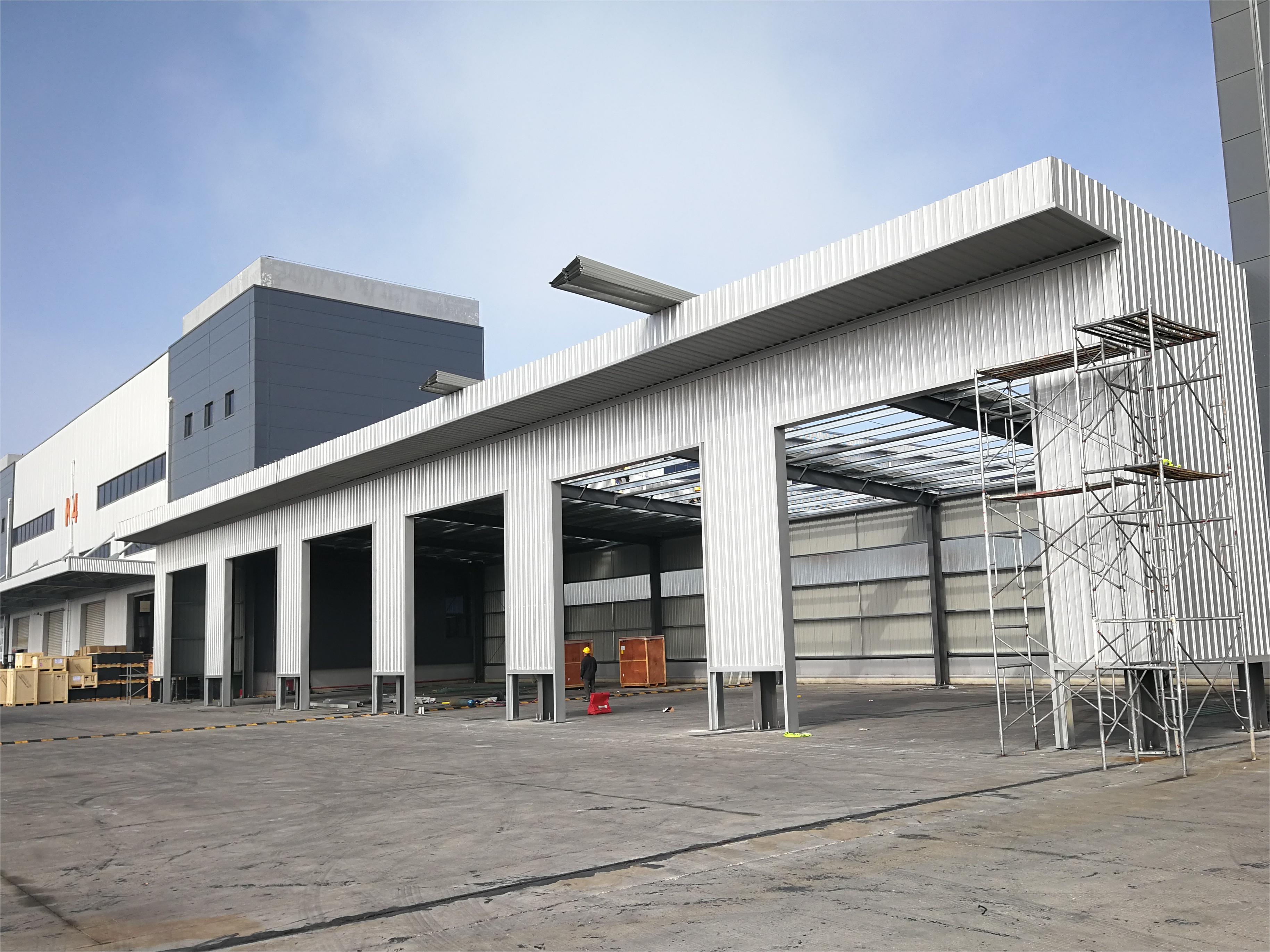
Costruzione fuori cantiere: il fattore principale che accelera i tempi
L’impatto della costruzione con finiture realizzate in fabbrica sui problemi legati al meteo, alla forza lavoro e alla coordinazione
Per quanto riguarda i problemi legati alla costruzione in cantiere, la produzione in fabbrica semplifica i primi tre ritardi riscontrati nella realizzazione di magazzini con componenti prefabbricati in acciaio. Poiché la produzione avviene in ambiente coperto, non si verificano ritardi dovuti alle condizioni meteorologiche esterne, che potrebbero causare sospensioni del progetto della durata di settimane. La programmazione non coordinata delle diverse maestranze può risultare frustrante e, in questi casi, un personale qualificato può diventare improduttivo. Un ambiente controllato consente ai lavoratori di rimanere attivi e riduce il tempo improduttivo. Con una produzione centralizzata, i componenti strutturali, gli impianti meccanici e la facciata esterna vengono tutti ordinati prima dell’installazione, riducendo così la necessità di costose operazioni di rifacimento. Tuttavia, poiché la produzione è organizzata in modo da consentire il controllo della qualità prima dell’installazione, tutti i componenti sono pronti per essere montati non appena arrivano sul sito. Ciò è reso possibile sovrapponendo le attività costruttive: ad esempio, mentre vengono prodotte le sezioni delle pareti, è possibile procedere contemporaneamente alla posa delle fondazioni, a differenza della sequenza tradizionale delle attività costruttive.
Analisi approfondita: Dati sui magazzini prefabbricati in acciaio. I dati indicano che i magazzini prefabbricati in acciaio sono il 40-60% più veloci rispetto alle alternative tradizionali in calcestruzzo. McKinsey (2025) ha documentato i vantaggi della costruzione prefabbricata in acciaio. Con la costruzione prefabbricata in acciaio, l’utilizzo medio del lavoro in cantiere è del 30-45% inferiore rispetto a quello richiesto dalla costruzione tradizionale in calcestruzzo. A differenza del calcestruzzo, questa soluzione non richiede alcun montaggio in opera (maturazione), eliminando di conseguenza la necessità di assemblare l’acciaio direttamente sul sito. È possibile osservare facilmente magazzini prefabbricati (così come altre strutture prefabbricate in acciaio) completamente assemblati in cantiere in pochi giorni. Un magazzino costruito nel 2023 con metodi edilizi tradizionali ha richiesto 9,1 mesi, contro i 4,7 mesi necessari utilizzando la costruzione prefabbricata in acciaio. Il segreto del successo risiede in metodi di produzione dell’acciaio estremamente precisi: la tolleranza di ±2 mm dei componenti in acciaio riduce ulteriormente i tempi di costruzione, evitando altrimenti ritardi del progetto pari al 20%.
Montaggio rapido in loco di strutture prefabbricate in acciaio per magazzini
Funzionalità del magazzino pronta all'uso fin dall'apertura della confezione
Il dispiegamento rapido di magazzini prefabbricati in acciaio è il risultato dell’efficienza del processo produttivo dei magazzini prefabbricati in acciaio. Tre punti spiegano la loro costruzione veloce:
1. Nessuna saldatura in cantiere: le strutture prefabbricate in acciaio per magazzini utilizzano un sistema di assemblaggio a bulloni, simile a blocchi edilizi di grandi dimensioni. Gli elementi in acciaio vengono fissati tra loro mediante bulloni.
2. Scavi ridotti: i magazzini prefabbricati in acciaio richiedono scavi inferiori del 30-50% rispetto alle strutture in calcestruzzo per magazzini.
3. Utilizzabilità immediata del magazzino: i pavimenti dei magazzini sono pronti per l’uso subito dopo l’assemblaggio e gli impianti vengono installati all’interno dei pannelli del soffitto del magazzino.
Tali metodi riducono al minimo l’impatto delle condizioni meteorologiche e della disponibilità della manodopera.
La costruzione del magazzino prefabbricato in acciaio è progettata per aiutare a superare i ritardi cantieristici causati dalle condizioni meteorologiche e dalla disponibilità di manodopera. Tutti i componenti sono prefabbricati e presentano fori punzonati e forati per facilitarne il montaggio controllato.
Esempio: Costruzione in 11 giorni di un magazzino prefabbricato in acciaio di 1.115 m²
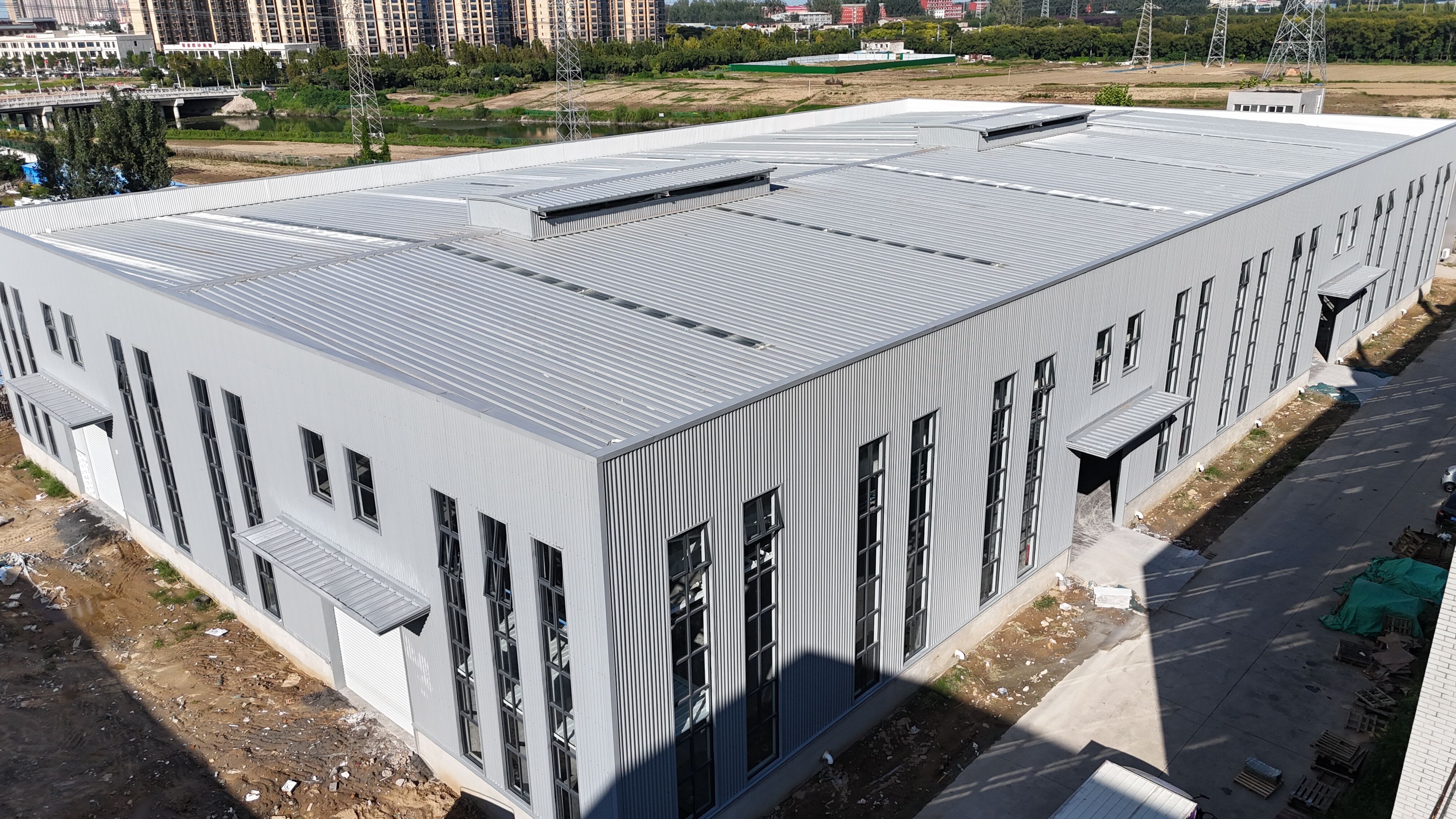
Un recente progetto logistico ha illustrato i vantaggi offerti alla costruzione dalle tecniche precedentemente menzionate. In 11 giorni lavorativi è stata completata la costruzione di un impianto di 1.115 m², con un’efficienza pari al 60% superiore rispetto ad altre metodologie costruttive concorrenti. Ciò ha incluso:
- 2 giorni per il getto della fondazione
- 3 giorni per il montaggio del telaio principale
- 4 giorni per l’installazione dei rivestimenti e del tetto
- 2 giorni per l’integrazione degli impianti finali
La velocità di costruzione ha evidenziato un vantaggio delle tecniche costruttive, poiché l’impianto è entrato in funzione 5 settimane prima della data di completamento prevista. Questa costruzione ha dimostrato che le tecniche impiegate per l’acciaio prefabbricato rientrano in un approccio costruttivo standardizzato, che ha accelerato il progetto.
Approccio modulare e logistica semplificata per siti con accesso remoto o scadenze brevi.
I magazzini modulari in acciaio sono più semplici dal punto di vista logistico, poiché si basano su moduli semplici che si collegano perfettamente. Se i produttori realizzano colonne, travi e pannelli in fabbrica, possono strutturare facilmente sia le spedizioni sia i programmi del personale. Ciò è particolarmente vero per i cantieri remoti, dove risulta difficile reperire e ricevere i materiali, oppure per i cantieri con scadenze costruttive urgenti. Nel complesso, questo approccio comporta circa il 40 percento di lavoro in meno da gestire in cantiere rispetto alle tecniche costruttive tradizionali. Inoltre, i materiali da costruzione consegnati in kit piatti sono anche meno costosi da trasportare e occupano uno spazio significativamente ridotto sul cantiere.
I componenti standardizzati supportano una pianificazione precisa, un’ottimizzazione della manodopera e la spedizione in kit piatti
Gli operai edili che lavorano su magazzini prefabbricati in acciaio assemblano semplicemente i componenti come se stessero montando un kit. La formazione degli operai è molto più rapida rispetto alla formazione tradizionale per l’edilizia, grazie alla natura standardizzata e prevedibile dei componenti. Le parti prefabbricate arrivano sul cantiere già preordinate, riducendo così i tempi di costruzione: il tempo impiegato dalle gru da cantiere per sollevare e spostare i componenti diminuisce del ~30% grazie alla maggiore efficienza dell’equipaggio di costruzione. Inoltre, la spedizione in formato flat-pack consente di realizzare opere in località remote, come montagne o isole, dove i mezzi pesanti non possono accedere, e gli operai edili possono trasportare i componenti con autocarri sovradimensionati fino al cantiere.
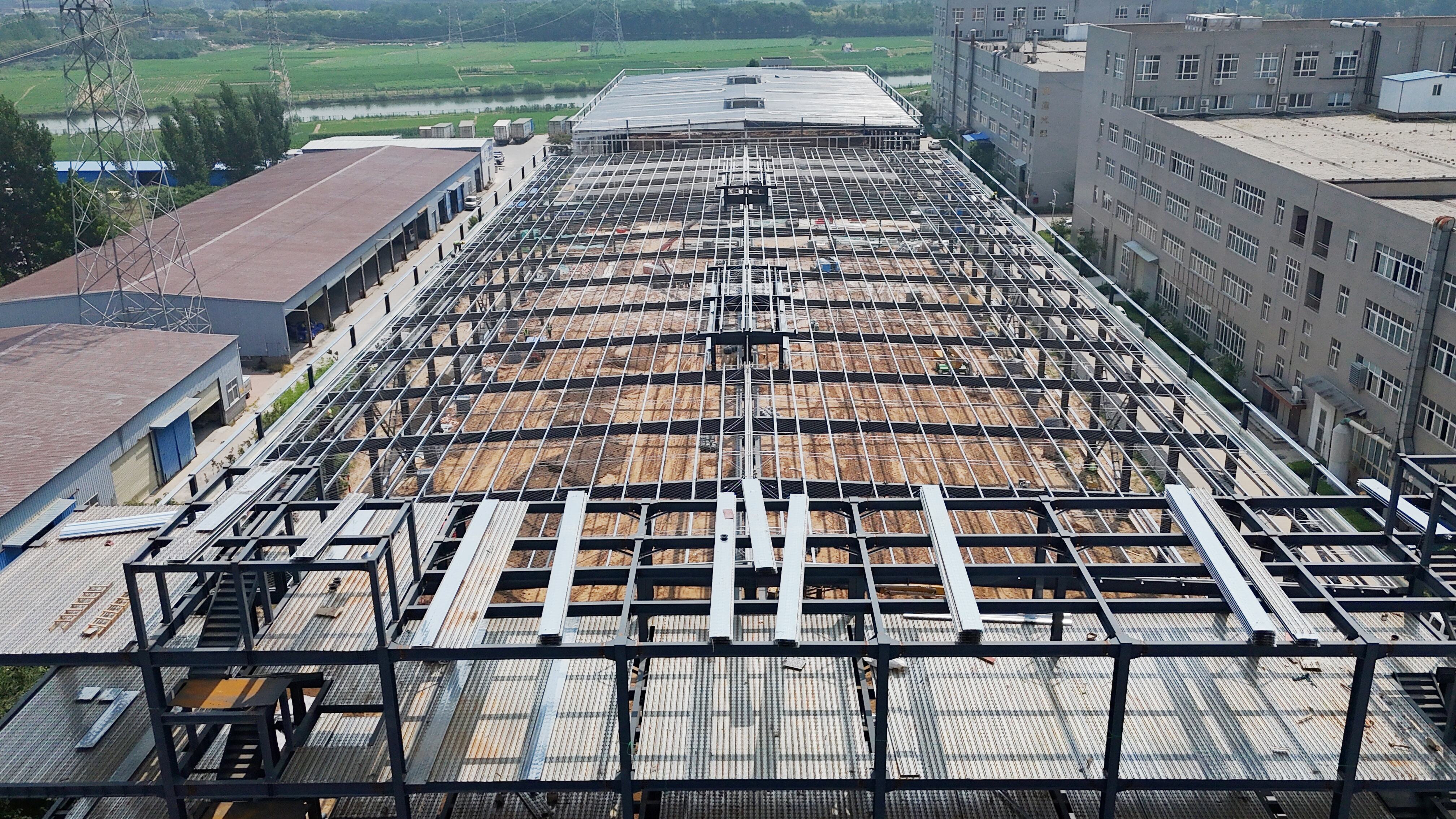
Mobilizzare personale e attrezzature per le operazioni di costruzione in aree remote è estremamente difficile e richiede molto tempo. Ciò vale in particolare per località che richiedono spostamenti attraverso territori remoti e impervi. Questa difficoltà risulta particolarmente accentuata in regioni come il Circolo Polare Artico dell'Alaska. Tuttavia, i team di costruzione hanno riferito una riduzione del tempo di mobilitazione pari a circa il 35%. Tale riduzione è dovuta all’utilizzo di sistemi prefabbricati, grazie ai quali i team di costruzione non devono più procedere alla messa in posa e all’organizzazione dei materiali. Essi possono invece avviare immediatamente i lavori non appena i componenti arrivano già completamente pronti per l’assemblaggio, corredati da istruzioni dettagliate e dai materiali necessari per operazioni quali giunzioni, tagli o saldature, esattamente come richiesto dai team di costruzione. Nonostante le condizioni meteorologiche estreme e la posizione remota, i team di costruzione devono essere agili e pronti a mobilitarsi nel minor tempo possibile. In queste aree, anche un ritardo di una o due settimane può avere effetti rilevantissimi, compresa la riprogrammazione completa delle attività di costruzione.
Domande frequenti
Che cosa significa fabbricazione fuori sito nel settore delle costruzioni?
La fabbricazione fuori sito nel settore delle costruzioni si riferisce al processo in cui i componenti di un edificio vengono prodotti in fabbrica e successivamente trasportati sul cantiere per l’assemblaggio.
In che modo l’acciaio prefabbricato accelera la costruzione dei magazzini?
La costruzione dei magazzini è accelerata grazie all’uso di acciaio prefabbricato, poiché i componenti sono pronti per essere assemblati. Ciò elimina i ritardi legati alle condizioni meteorologiche, la necessità di manodopera specializzata e consente il completamento rapido dell’opera mediante bulloni per collegare le varie parti.
Quali sono i vantaggi di una progettazione modulare nel settore delle costruzioni?
L'uso della progettazione modulare in edilizia comporta una riduzione della complessità e, di conseguenza, una maggiore facilità di costruzione. Ciò si ottiene standardizzando la progettazione e la costruzione, consentendo un utilizzo più efficiente dei materiali, una riduzione del numero di componenti, costi inferiori per il trasporto e la mobilitazione, nonché un minor tempo necessario per far fronte a picchi di attività.