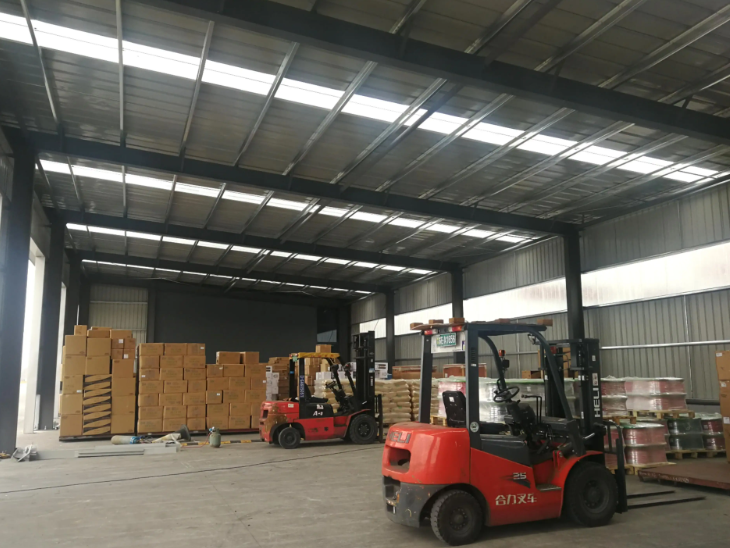
Applica i principi di progettazione del layout ottimizzati per il flusso e metti la tua movimentazione materiali in modalità automatica
il 62% dei costi del lavoro è dovuto a spostamenti e movimentazioni inefficienti (MHI 2023)
Gli addetti al magazzino sono troppo spesso costretti a spostarsi in luoghi privi di una finalità specifica, generando così un notevole quantitativo di lavoro che non produce alcun valore aggiunto. L’ultimo rapporto MHI del 2023 afferma che circa il 62% dei costi sostenuti da un’azienda per i propri dipendenti è legato a tutti questi spostamenti a piedi e alla movimentazione di carichi che non rientrano nelle aree di competenza degli operatori. Gli impiegati trascorrono molto tempo camminando verso zone cieche, movimentando carichi che non sono di loro responsabilità e rimanendo intrappolati in aree affollate. Questi sprechi di movimento aumentano i costi operativi e causano ritardi nelle spedizioni ordinate. Esiste ampio margine di ottimizzazione nella progettazione della disposizione degli spazi, volta a risolvere tutti i problemi menzionati. Un flusso operativo migliorato può essere ottenuto riducendo il numero di volte in cui un prodotto viene manipolato e diminuendo le distanze da percorrere in tutte e tre le aree critiche (ricezione, stoccaggio, spedizione) nella movimentazione dei materiali.
Progetti di magazzino a forma di U, I e L: layout allineati alla velocità di rotazione degli SKU e al throughput
La forma più adatta per un magazzino dipende in larga misura dal profilo di velocità dei prodotti:
Le configurazioni a U sono adatte per strutture con un elevato numero di SKU, poiché consentono un flusso ottimizzato in una sola direzione e permettono di posizionare i moli di ricezione e spedizione uno accanto all’altro, riducendo il traffico incrociato.
Le configurazioni a I sono ideali per operazioni lineari su larga scala e per il movimento continuo e senza interruzioni di merci sfuse, dall’ingresso alla spedizione.
Le configurazioni a L consentono la creazione di zone di lavorazione separate e di sistemi di stoccaggio differenziati per le scorte a rapido e a lento movimento.
Progettare le configurazioni in base alla velocità di rotazione delle scorte consente di ridurre i tempi di movimentazione del 30–40% per i prodotti ad alto tasso di rotazione. Posizionare una «zona d’oro» presso le postazioni di imballaggio per gli SKU più venduti aumenta la velocità dei cicli di prelievo. Questa pratica trasforma la movimentazione materiali da un costo in un vantaggio competitivo.
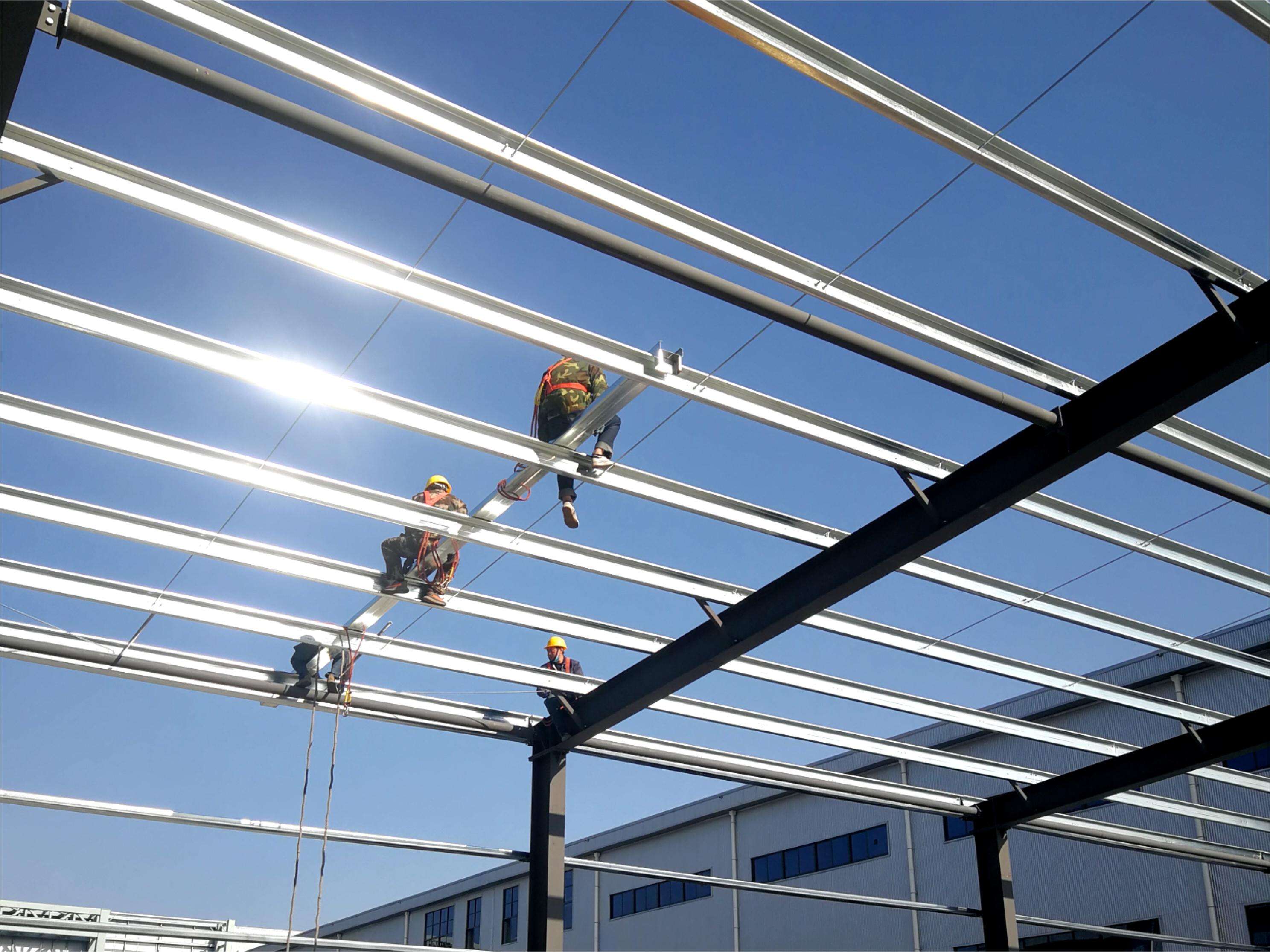
Ottimizzare l’utilizzo dello spazio nel magazzino mediante sistemi di stoccaggio verticale e intelligente
Il divario nascosto: sottoutilizzo del 40-50% dello spazio a pavimento dovuto al bias orizzontale (Deloitte, 2022)
Deloitte (2022) riferisce che molti magazzini scelgono di organizzare gli articoli su un piano orizzontale, con conseguente spreco del 40-50% della superficie utile disponibile. I responsabili dei magazzini sembrano abituati a disporre le scorte lungo il pavimento, trascurando lo spazio verticale. Deloitte (2022) spiega che questo approccio bidimensionale comporta diversi effetti negativi, tra cui un aumento del tempo necessario per prelevare un ordine, un incremento dei costi operativi del magazzino e un maggior tempo impiegato dai lavoratori per spostarsi tra le diverse zone di stoccaggio. In diversi casi di ampliamento dei magazzini, la distanza che un dipendente deve percorrere all’interno del magazzino è aumentata del 27%. I metodi tradizionali di progettazione della disposizione dei magazzini devono essere abbandonati: lo spazio va sfruttato in senso verticale, non solo orizzontale. Occorre utilizzare l’intero volume verticale disponibile nel magazzino, anziché limitarsi a ragionare in termini di metri quadrati, espandendo così lo spazio cubico utilizzato per rendere il magazzino più efficiente.
Un utilizzo ottimale dello spazio di stoccaggio richiede soluzioni personalizzate in base alle specifiche esigenze di inventario. I caroselli verticali e i sistemi automatizzati di stoccaggio sono ideali per gestire inventari leggeri con un rapido turnover. Inoltre, questi sistemi possono ridurre l’ingombro planimetrico dello stoccaggio fino al 75%. Al contrario, per gli articoli di inventario raramente prelevati e più pesanti, le scaffalature a spinta indietro (push back) risultano ideali, poiché garantiscono un facile accesso agli articoli senza sacrificare la profondità di stoccaggio. Inoltre, le soppalchi possono rappresentare una buona soluzione per creare ulteriori livelli di stoccaggio, specialmente durante i periodi di picco dell’inventario. È fondamentale considerare l’equilibrio tra volume e peso dell’inventario: gli articoli piccoli ma pesanti vanno immagazzinati preferibilmente in sistemi automatizzati compatti, mentre quelli grandi e pesanti richiedono scaffalature a mensola (cantilever). Altrettanto cruciale è la collocazione degli articoli nell’area di stoccaggio: gli articoli più frequentemente prelevati devono essere posizionati più vicino all’ingresso dell’area di stoccaggio per consentire un facile accesso da parte degli operatori.
Tipo di stoccaggio più adatto per il risparmio di spazio
AS/RS verticale per articoli piccoli e ad alto turnover fino al 90%
Scaffalatura a ingresso diretto per pallet in quantità elevate (bassa rotazione) dal 40% al 60%
Mezzanini modulari per scorte stagionali di peso medio, 2–3 volte la superficie del pavimento
Abilita la pianificazione dei flussi di lavoro basata sui dati lungo l’intero ciclo di vita del magazzino
A causa della mediazione della domanda, si registra un sovraffollamento del personale del 22% nei periodi di picco e un’utilizzazione insufficiente del 31% nei periodi di bassa attività (Gartner, 2024)
I metodi tradizionali di pianificazione degli orari basati sulla domanda media generano costosi problemi di organizzazione del personale. Durante i periodi di picco, vi è in media il 22% di personale in eccesso, con un conseguente aumento dei costi relativi alla busta paga. Viceversa, nei momenti di calo della domanda, il personale disponibile è in media il 31% rispetto a quello effettivamente necessario. Gartner ha pubblicato questa ricerca nel 2024. La maggior parte delle aziende è ancora legata a piani statici che non tengono conto della natura dinamica dei flussi d’ordine durante l’arco della giornata. Quando le aziende hanno adottato la previsione degli ordini basata su dati in tempo reale, si è verificato un cambiamento di paradigma. I modelli predittivi, fondati sui pattern storici degli ordini, consentono di adeguare dinamicamente i fabbisogni di personale: negli orari di bassa attività le ore lavorative non vengono sprecate, mentre nei momenti di alta domanda i costi derivanti dagli straordinari sono contenuti. Il machine learning (ML) ottimizza gli orari di lavoro integrando fattori esterni quali festività, previsioni meteorologiche e programmi di spedizione, migliorando costantemente i modelli predittivi.
Framework SCOR + Metriche di tracciabilità in tempo reale per l’ottimizzazione del tempo di ciclo per zona e l’identificazione dei colli di bottiglia
L’integrazione di un sistema IoT di tracciabilità con il modello Supply Chain Operations Reference (SCOR) consente alle aziende di individuare gli ostacoli nel flusso di lavoro con maggiore precisione e affidabilità. I dati raccolti tramite RFID in tempo reale e vari sensori identificano con esattezza i punti in cui il flusso di lavoro risulta rallentato all’interno del magazzino, ad esempio nelle fasi di ricezione, stoccaggio, prelievo ordini e spedizione. I dati inseriti nel framework SCOR e nelle sue tre principali dimensioni di misurazione (Affidabilità, Reattività e Agilità) chiariscono con precisione la posizione esatta e la causa della perdita di tempo nel flusso di lavoro. Ad esempio, il posizionamento strategico degli articoli a rapida rotazione vicino all’area di imballaggio, basato su modelli ottimizzati di mobilità del personale, ha dimostrato di ridurre il tempo di percorrenza del 15%–20%.
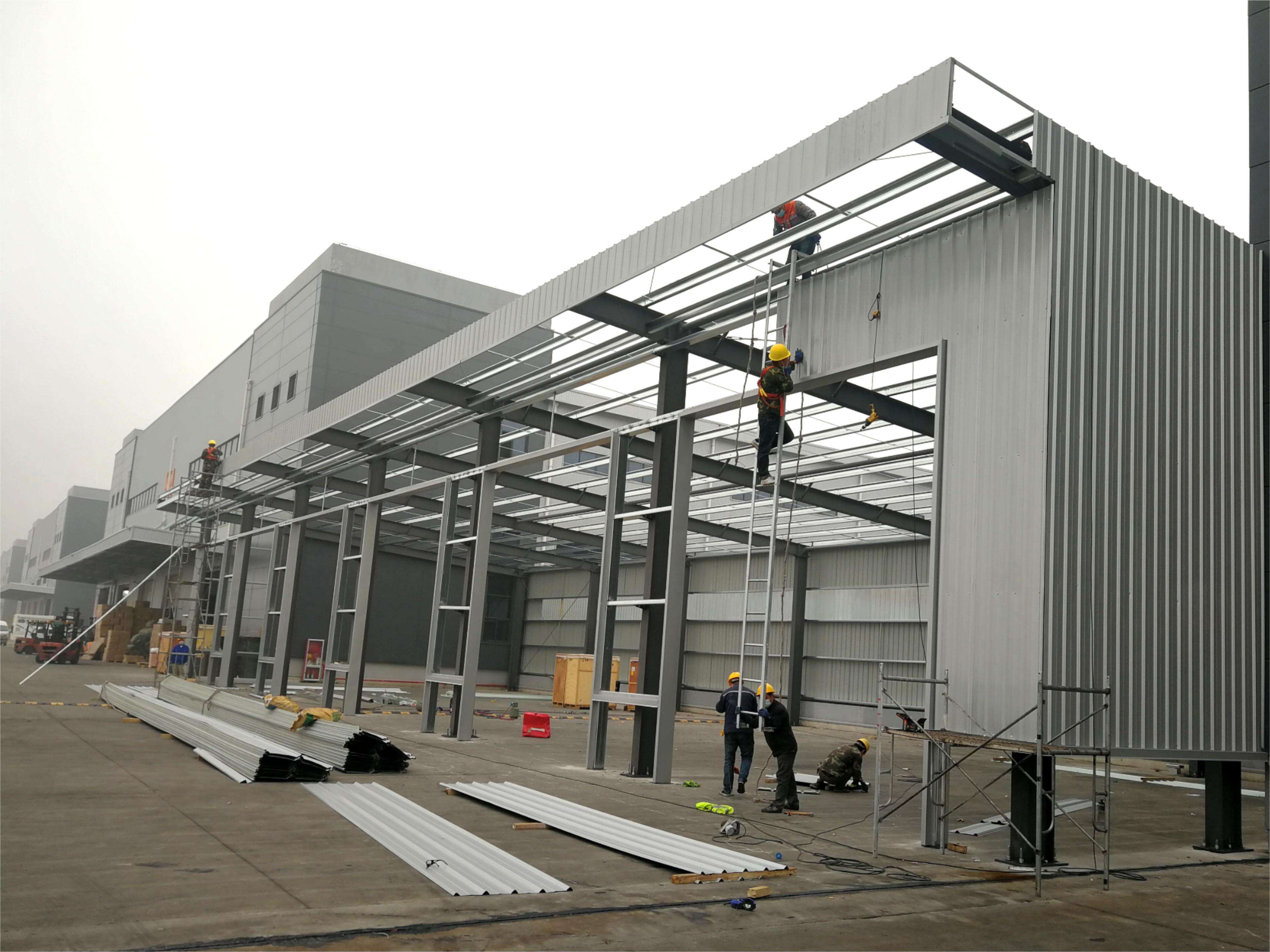
Dimensione prestazionale: Approccio tradizionale vs. Ottimizzazione basata sui dati
Tempo di ciclo per zona: Studio manuale dei tempi vs. Monitoraggio continuo tramite sensori
Monitoraggio del tasso di errore, report di fine turno, avvisi in tempo reale dal gate di qualità
Utilizzo delle risorse, assegnazioni statiche, riequilibrio raccomandato dall'IA
Questo sistema a ciclo chiuso trasforma i dati provenienti dal magazzino in aggiustamenti operativi concreti — quotidianamente.
Costruire soluzioni di stoccaggio flessibili e scalabili per lo sviluppo futuro
I magazzini permanentemente organizzati richiedono tradizionalmente costose ristrutturazioni e/o traslochi per espandersi o modificare la direzione aziendale. Ciò ci lascia la possibilità di creare una struttura permanente flessibile, che possa essere ampliata e sviluppata in risposta alla crescita quotidiana e stagionale. Le strutture che si espandono in verticale anziché in orizzontale sono integrate con sistemi automatizzati che possono essere modificati per riorganizzare il magazzino secondo le esigenze. Ad esempio, durante i lavori di manutenzione, l’aggiunta di aree di stoccaggio e la realizzazione di un secondo piano possono certamente potenziare la crescita operativa. Quando è presente un sistema gestionale di magazzino basato sul cloud, l’ordine e la complessità derivanti dall’espansione delle linee di prodotto non rappresentano più un problema, come accadeva con il vecchio sistema. Inoltre, poiché questi miglioramenti vengono implementati solo quando necessari, lo stesso vale per le relative spese finanziarie. Gli specialisti della logistica, nel loro ambito, hanno documentato che i magazzini adattabili possono aumentare la capacità operativa del 30–50 percento.
Domande frequenti
Qual è il principale problema legato alle attuali configurazioni dei magazzini?
I lavoratori in un magazzino percorrono notevoli distanze a piedi per ricevere e registrare i prodotti, rappresentando il 62% dei costi del lavoro associati a tale magazzino. Questo problema viene spesso risolto ottimizzando il flusso delle merci all’interno del magazzino.
Come si può migliorare l’utilizzo dello spazio nel magazzino?
L’utilizzo dello spazio può essere migliorato massimizzando lo spazio di stoccaggio verticale, utilizzando sistemi di scaffalature dinamici e sfruttando ulteriori soppalchi di stoccaggio per ridurre l’occupazione della superficie a terra e migliorare la frequenza di accesso.
Quali sono i vantaggi della pianificazione dei flussi di lavoro basata sui dati nei magazzini?
La pianificazione dei flussi di lavoro basata sui dati ottimizza l’efficienza della pianificazione stessa e supporta decisioni più accurate sulla programmazione del personale, in particolare per quanto riguarda il sovra- e il sottoutilizzo durante i periodi di picco e di bassa attività.
In che modo un’infrastruttura flessibile può migliorare le operazioni del magazzino?
Con un'infrastruttura flessibile, i magazzini possono ospitare la crescita e le fluttuazioni della domanda senza costose ristrutturazioni e possono inoltre adattare la capacità e il flusso discontinuo dei prodotti lungo le linee.
Sommario
- Applica i principi di progettazione del layout ottimizzati per il flusso e metti la tua movimentazione materiali in modalità automatica
- Ottimizzare l’utilizzo dello spazio nel magazzino mediante sistemi di stoccaggio verticale e intelligente
- Dimensione prestazionale: Approccio tradizionale vs. Ottimizzazione basata sui dati
- Domande frequenti