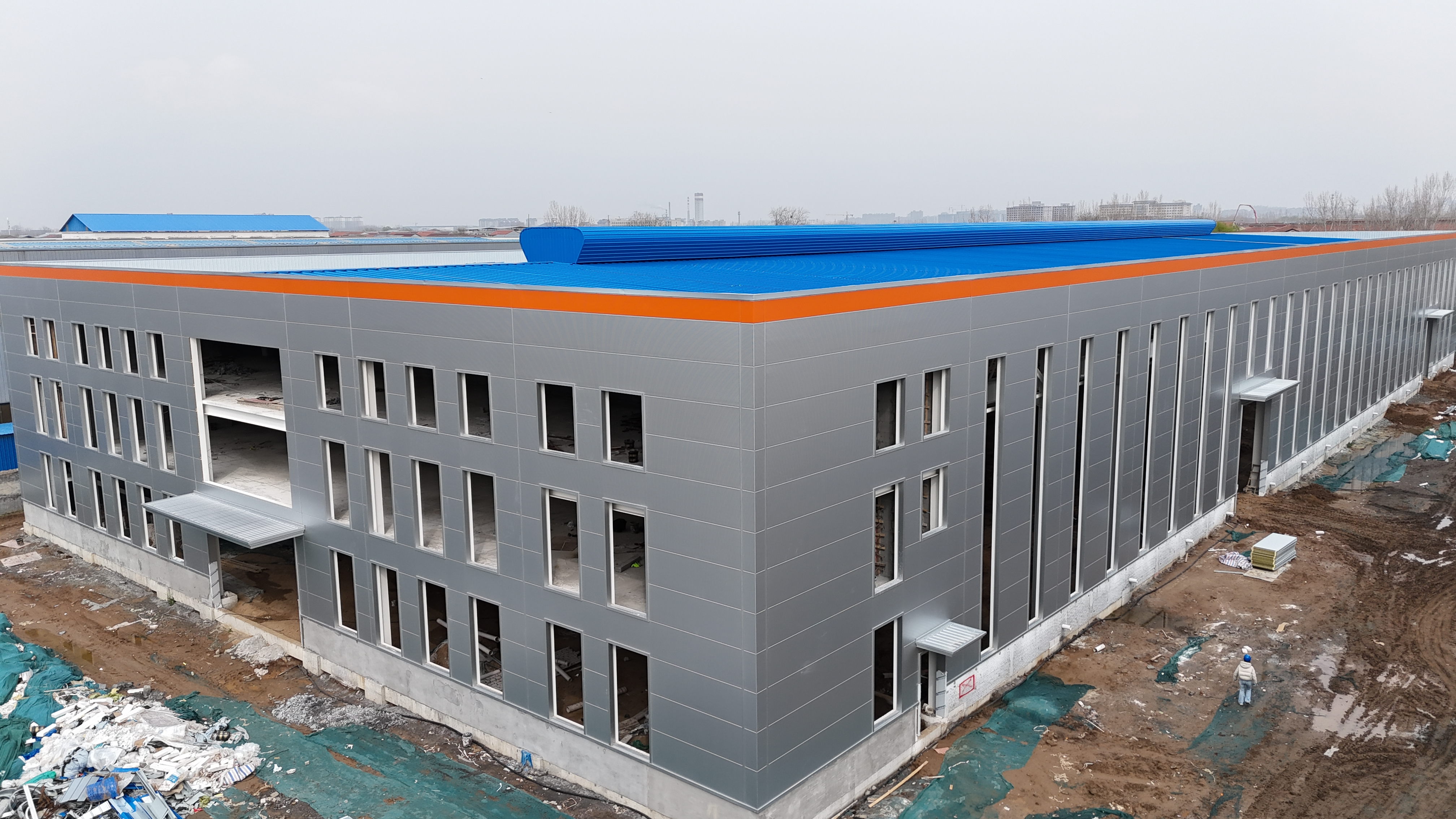
Basic Types of Steel Frame Construction Connections
Steel structural frame buildings require steel detailers to ensure robust structural connections between beams/columns, as they need to address structural forces appropriately. Construction connections between beam/column pairs can be achieved through welding, bolting, riveting, and pin/ fixed jacketing. Welders can melt steel materials together to form a robust steel constrained load path which is desirable when stiffening a frame against bending moment. It is the turn of the bolts when flexible and mobile structures are desired. These structural connection fasteners, such as Grade 8.8 bolts, are very advantageous when structural contractors are required to make adjust connections on-site, which is especially important when dealing with seismic retrofitting structures or when structural connections do not fit perfectly. Riveted connections are considered obsolete, and are encountered in more historical structures. They have the advantage of withstanding oscillation due to the unique non-heated process of their formation. Pin connections allow some rotation of structural members, which is important for bridges to allow expansion and contraction due to temperature changes. Fixed connections do the complete opposite of pin connections, by locking structural members in one position. This is fundamental for lateral load resisting skyscrapers to ensure stability. There aesthetic value is important, but structural engineers need to consider easier and faster installation, structural related costs, and the expected level of upkeep on the structure in the future.
Welded vs. Bolted Beam-to-Column Connections
Welding provides Strength, Better Control, and Full EN 1993-1-8 Adherence
Welding beam-to-column in steel frames results in increased overall stiffness and provides better distribution of loads throughout the frame structure. Full penetration weld joints, when made correctly, are more effective in making solid joints than joints made with a number of bolts, especially when those solid joints are subjected to consistent loads over time. EN 1993-1-8 has become a benchmark in the industry for numerous commendable reasons. Those specifications support the use of qualified personnel who are knowledgeable in their duties and responsibilities, including the inspection of the welds. Most shops go to the extent of performing ultrasonic testing to identify potential weld defects. These kinds of welds eliminate the problems associated with the use of bolts (e.g., bolts loosening), but their design and handling on site require greater responsibility and care on the part of the workers. In particular, the weather-related changes that occur during the welding process must be controlled.
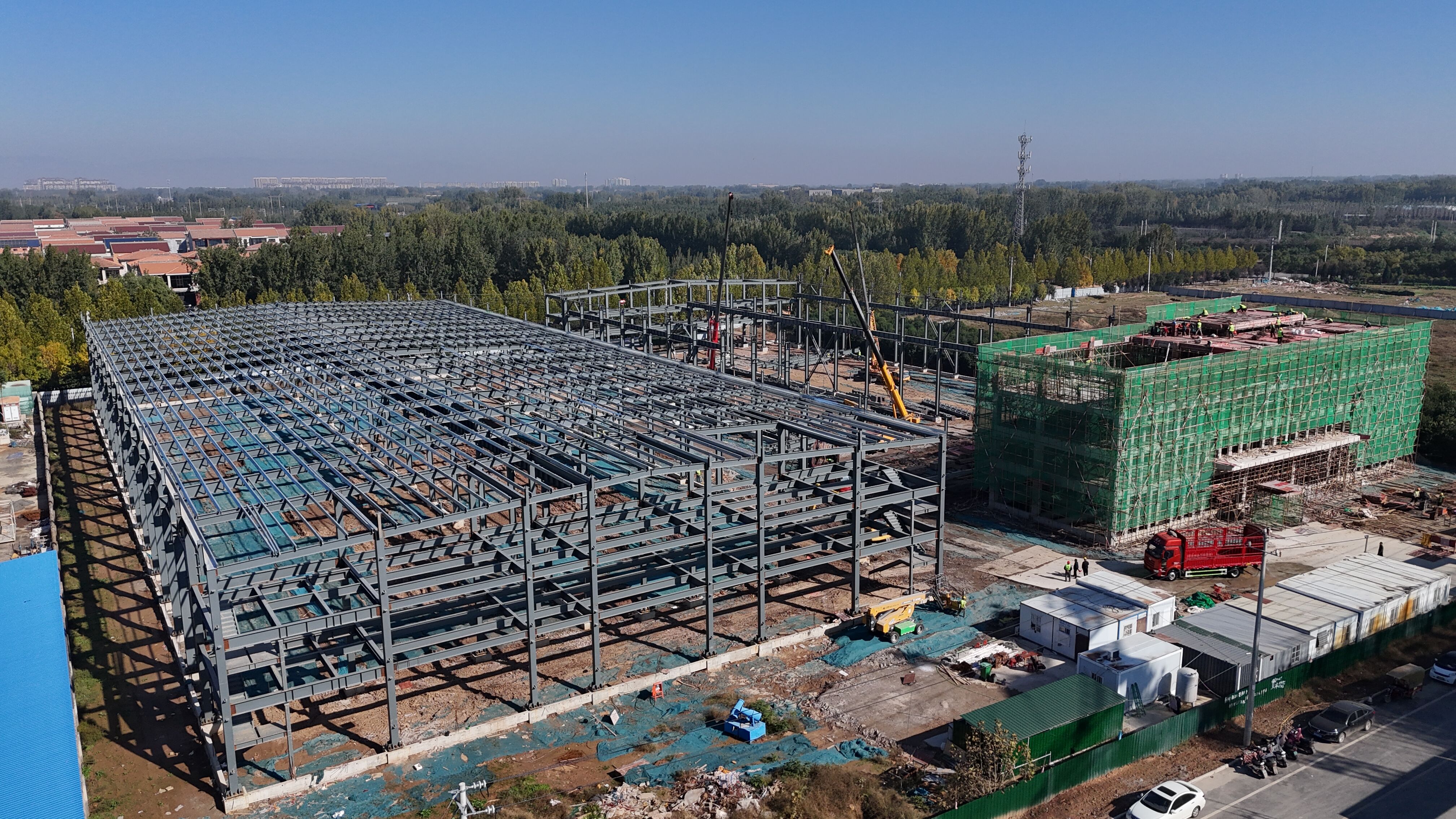
Bolted Connections: End Plate, Seated and Fin Plate Systems
From a module assembly point of view, the bolted connection offers the most advantages in steel frame construction. Currently, the most dominant and widely accepted connection types include the following three:
- End plate connections that facilitate the transfer of moment from the lower to upper tension or from lower to upper compression (vice versa).
- Seated type connections that provide vertical support through the use of lower angle cleat(s).
- Fin plate connection systems that provide quicker assembly in the field with the single shear type plane.
Most of the systems, as described above, are designed to achieve the goal of addressing the changes in structural tolerances and modifications. In the recent structural testing, Extended End Plates (EEP) have demonstrated as much as 15% improvement in moment resistance relative to that observed in the flush designs. Field adjustments allow for a greater extent of variability in structural fabrication and design than what may otherwise be required.
Connection Factor Welded Bolted
Speed of Installation Slow (site welding) Fast (pre-fabricated)
Flexibility of Modification Limited Flexible
Complexity of Inspection Requires NDT Visual check
Resistance to Vibration Superior Requires lock-nuts
Design Considerations for Safe and Economical Connections of Steel Frames
Transfer of Moments, Ductility, and Joint Efficiency
Steel frame structures achieve optimal performance when connections provide an appropriate balance of moment transfer and deformation. With rigid connections, there needs to be a balance of having too much deflection while still sufficiently distributing loads to other members of the structure. In the case of pinned connections, the needs are actually more pronounced, as these connections must have enough rotational flexibility to ensure the absence of stress concentrations that will lead to rupture when subjected to pressure. Ductility is of paramount importance when dealing with seismic design. Energy dissipation through controlled deformation to the connections up to a predetermined failure mode is required when subjected to the seismic shaking. The overall efficiency of the connections directly relates to the overall cost of the structure. With good connection design, required performance is achieved with less material usage, while still maintaining the required stiffness. It is not unusual for connection design to be among the top priorities of structural engineers, especially when the moment resistance of the connection is desired to be 90% while still allowing rotation. This typically requires compromises and trade-offs among the different performance parameters.
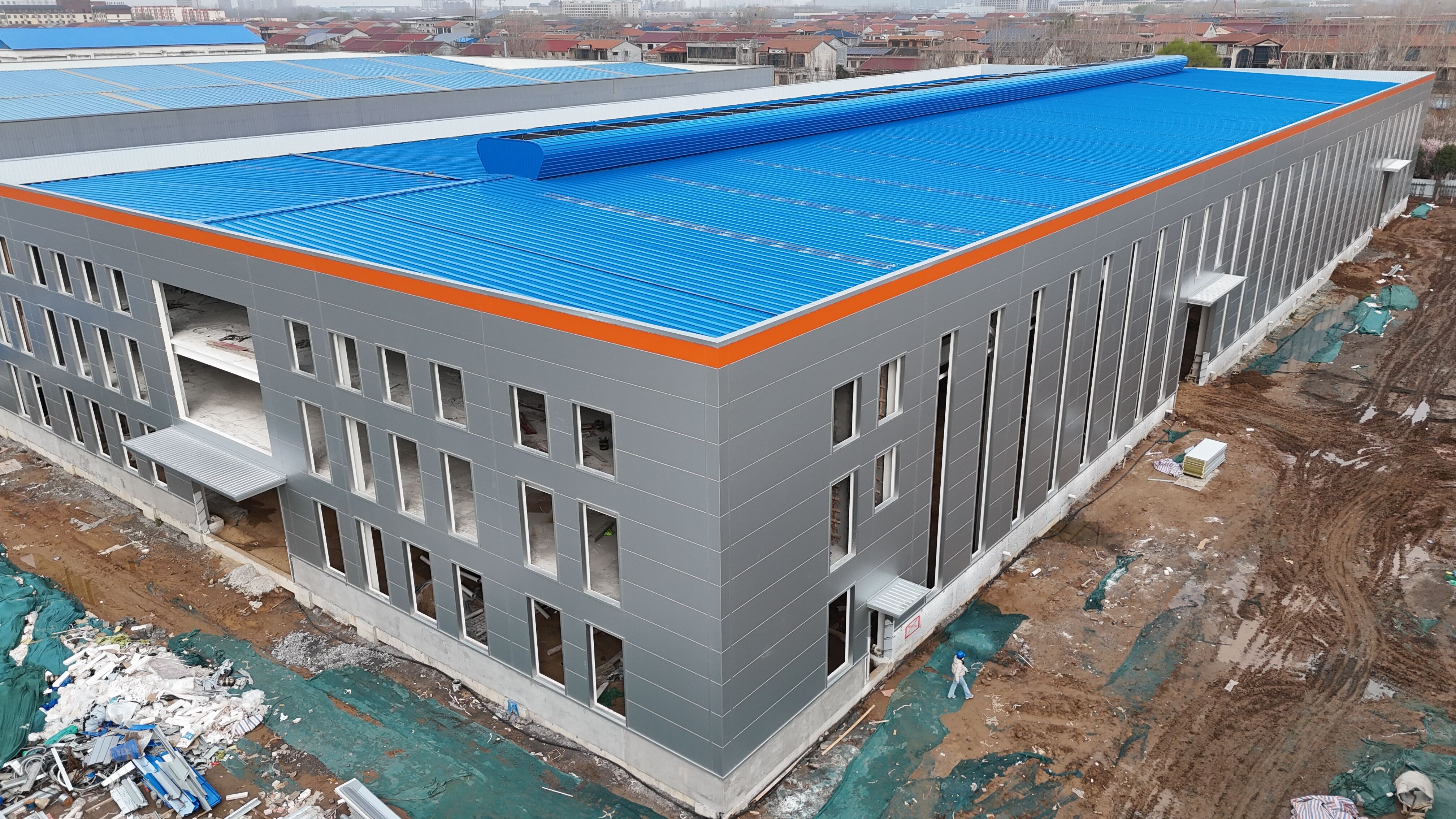
Documentation for H-Shaped Section Design and Assembly
In field assembly, the protocol is to bolt high strength fasteners to about 70% of the maximum torque with the beam alignment to within an L/500 limit. Structures require temporary bracing until 75% of the connections reach full strength. This minimizes field headache, as bolt tightening typically aggravates the field headaches due to poor alignment. Consistent load distribution through the structure ensures optimal performance.
FAQs
What are the types of connections for steel frame structures?
Commonly, the connections are classified as welding, bolting, riveting, and pinning or fixing joints.
What is the advantage of having welded joints in steel frame structures?
The advantage of welded connections becomes the increased stiffness, and hence good performance for the section load due to the good distribution of load for the sustained uniform load.
What are the merits of bolted joints in steel construction?
The merits of bolted configuration branches from the modular construction, flexibility in re-configuration, and structural tolerances which ease the on-site adjustments.
How do design principles affect frame connections in steel construction?
Steel construction design principles focus on balancing moment transfer, ductility, and efficiency of the joints, so that the construction is safe, durable, and economical.