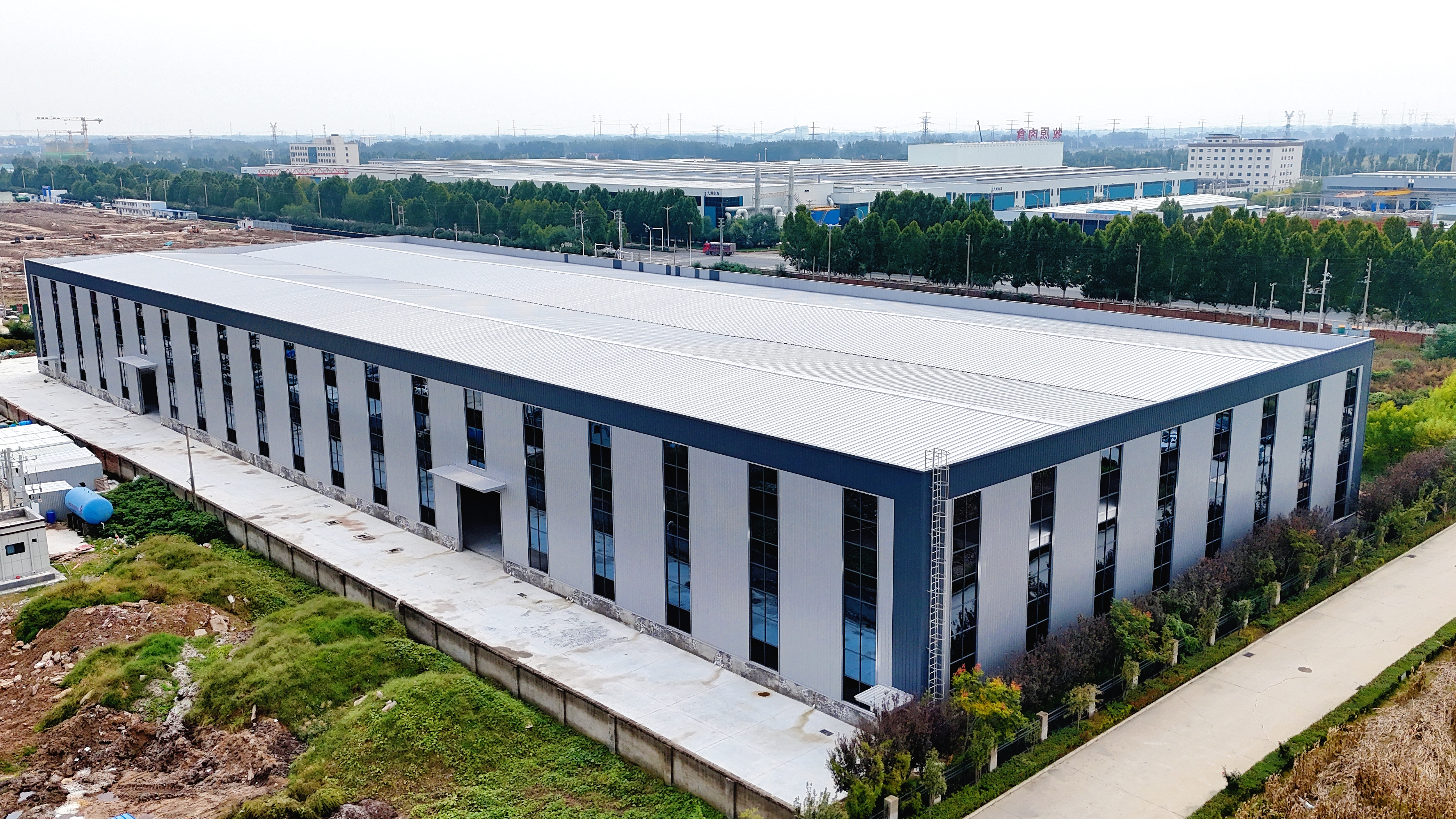
A contemporary Steel Factory Building needs to carry roof loads, wall claddings and move equipment without wasting floor space. Many factories start with Q235 steel because it is cheap and easy to source. As the production lines extend, the frame faces heavier demands and the original frame leaves little margin for future growth. Owners then have to spend money to frame a bigger structure to allow for future production line extensions.
Why the Steel Grade Decides Factory Performance
When Load Demand Outgrows Q235
A metal-components workshop added heavier stamping presses and an overhead crane line. Originally, the bays used Q235 steel columns and roof trusses to support lightweight assembly systems. The structural engineer reviewed the plant’s plans and determined that Q235 sections would need to be substantially larger to account for stresses, especially in beam webs, column widths, and spacings. Larger, deeper members consume clear height and increase steel tonnage, and create complications when planning crane runway layouts in the Steel Factory Building.
The owner of the plant could have avoided this problem by interpreting specification sheets and selecting a more appropriate steel grade earlier in the planning process. Q235 has a nominal yield strength of about 235 MPa and, therefore, is not suitable for facilities that require high-capacity cranes (i.e. 10 to 20 ton) and/or other stamping and forming machinery. The owner had to either increase the size of all steel members of the plant, or use a different steel grade for the framing members. The first option would consume more space and introduce complications for placement of crane runway members, and the second option would allow the plant to maintain compact dimensions and the space available for processes and equipment. Fabrication tolerance would allow the crane girder to maintain alignment for erection and later maintenance.
What Makes Q355 Different
Yield Strength and Section Efficiency
Q355 is a low alloy high strength steel with a nominal yield strength around 345 MPa — roughly 45% above Q235. In plastic design and elastic checks, that headroom lets designers pick smaller H-section steel members for the same load. A crane girder that would need a deep Q235 beam can often use a lighter Q355 profile, freeing clearance under the hook. Lower member weight also cuts foundation reactions and eases erection. The gain is not only steel savings; it is better spatial efficiency inside the Steel Factory Building, where every meter of hook height and aisle width matters for production flow.
Weldability and Carbon Equivalent
Q355 earns its place through controlled chemistry. Its carbon equivalent stays low enough for standard workshop welding without exotic preheat on moderate thicknesses. Weldability depends on balancing manganese, niobium, and vanadium micro-alloys that raise strength while keeping the heat-affected zone ductile. Following AWS D1.1 and EN 1090 procedures, fabricators make sound joints with common electrodes. Low carbon equivalent reduces cracking risk and lets a Steel Factory Building go up faster, with fewer field repairs and tighter fabrication tolerance on assembled frames.
Toughness Under Dynamic Load
Cranes and presses create cyclic, impact-loaded conditions. Q355 offers better impact toughness at low service temperatures than plain Q235, which resists brittle fracture under dynamic load. Fatigue resistance improves when details are sized with EN 1993 guidance, because smaller sections carry the same force at a lower stress range. For a Steel Factory Building with frequent lifting cycles, that toughness translates into quieter, safer operation and less concern about crack growth at welded connections near the crane girder.
Code Compliance and Traceability
CE and International Building Code Alignment
Specifying Q355 supports CE certification and alignment with the International Building Code for exported structures. Mills produce the grade to recognized standards, and fabricators document conformity through EN 1090 execution classes. A buyer shipping a prefabricated hall overseas gains confidence that the steel grade, corrosion protection system, and connection design meet the destination authority's expectations without re-engineering. Clear documentation also smooths customs clearance and third-party plan review.
Mill Test Certificates and Inspection
Every coil and plate should arrive with a mill test certificate showing heat number, mechanical values, and chemistry. Third-party inspection verifies yield strength, impact toughness, and fabrication tolerance before cutting. This traceability protects the Steel Factory Building owner during audits and defect claims, and it confirms the low-alloy high-strength grade ordered is the grade delivered. Keep certificates with the factory structure design file for the asset's full service life.
Procurement and Maintenance Advice
How to Specify Q355 Correctly
Within the purchase order, state the required grade, sub-grade for temperature, thickness, and required impact toughness. State the chosen corrosion protection scheme (i.e. Hot-dip galvanizing or EP Zinc-Rich Primer system), and the preferences for H-sections. Request the supplier to provide the Mill Test Certificates and confirm the EN 1090 execution class. Precise specifications eliminate the need for substitution, keeps the Steel Factory Building project within budget and schedule, and provides a single source of reference for all cuts and welds.
Welding and Coating Care
Ensure welds performed by qualified welders within the specified parameters. After erection, maintain the integrity of the protective coating. For galvanizing, touch-up damaged areas to prevent rust from spreading. For EP systems, repaint the damaged areas. Fabrication tolerance and connectors to crane girders should be inspected for fatigue and wear. Annual walk-throughs should become part of the routine to maintain the protection coating, and to catch potential fatigue cracks.
Summary
Early specification of grades positively impacts the budget and operations. For Steel Factory Buildings, specification of Q355 and considerations for higher crane loads, thinner and less members positively impacts operations. The low-alloy high-strength grade easier satisfies the codes and requirements. For processes plants adding cranes and other heavy equipment, early specification of Q355 for crane ways and other structures positively impacts operations and is economically beneficial.
Frequently Asked Questions
Question
What load conditions make Q355 a better choice than Q235?
Answer: Q355 suits a Steel Factory Building that must support overhead cranes, heavy presses, or stacked inventory beyond light assembly. Its higher yield strength lets smaller sections carry the same demand, protecting clear height and aisle space. Plants adding a crane line or vibration equipment benefit most, because the grade holds code stresses without oversizing every beam and column in the frame.
Question
Why does carbon equivalent matter for welding Q355?
Answer: Carbon equivalent predicts how prone a steel is to hard-zone cracking during welding. Q355 keeps CE low through micro-alloying, so standard workshop procedures under AWS D1.1 produce sound joints with modest or no preheat on thinner plates. Controlled chemistry preserves ductility in the heat-affected zone, reducing field repairs and keeping the fabrication tolerance tight across assembled frames.
Question
How should mill test certificates be verified before fabrication?
Answer: Request the heat number, mechanical properties, and chemistry for every plate and coil. Compare values against the ordered grade and sub-grade, then confirm impact toughness and yield strength meet the specification. Independent inspection at the mill or workshop catches mismatches early. Proper traceability protects the owner during audits and ensures the delivered low-alloy high-strength steel matches the approved design documents.
Question
When is impact toughness testing necessary for a factory structure?
Answer: Impact toughness testing matters when the structure operates in cold climates or carries cyclic crane and press loads. Specifying a sub-grade with the required test temperature ensures resistance to brittle fracture under dynamic load. Designers reference EN 1993 to set the value. Testing protects welded connections near the crane girder, where fatigue and low-temperature shocks concentrate during daily lifting cycles and heavy production runs.
Question
Which corrosion protection system suits Q355 frames?
Answer: Hot-dip galvanizing suits exposed Q355 frames in mild conditions, while the epoxy zinc-rich primer with micaceous iron oxide and fluorocarbon topcoat fits aggressive or coastal sites. The red lead primer and alkyd system remains a lower-cost option. Whatever the scheme, repair coating damage quickly after erection to preserve corrosion protection and maintain the fatigue resistance of welded crane girder connections.