การวางแผนก่อนการติดตั้งและการเตรียมพื้นที่
การจัดวางฐานราก การวางสลักยึด และการตรวจสอบความถูกต้องสำหรับคลังสินค้าเหล็กสำเร็จรูป
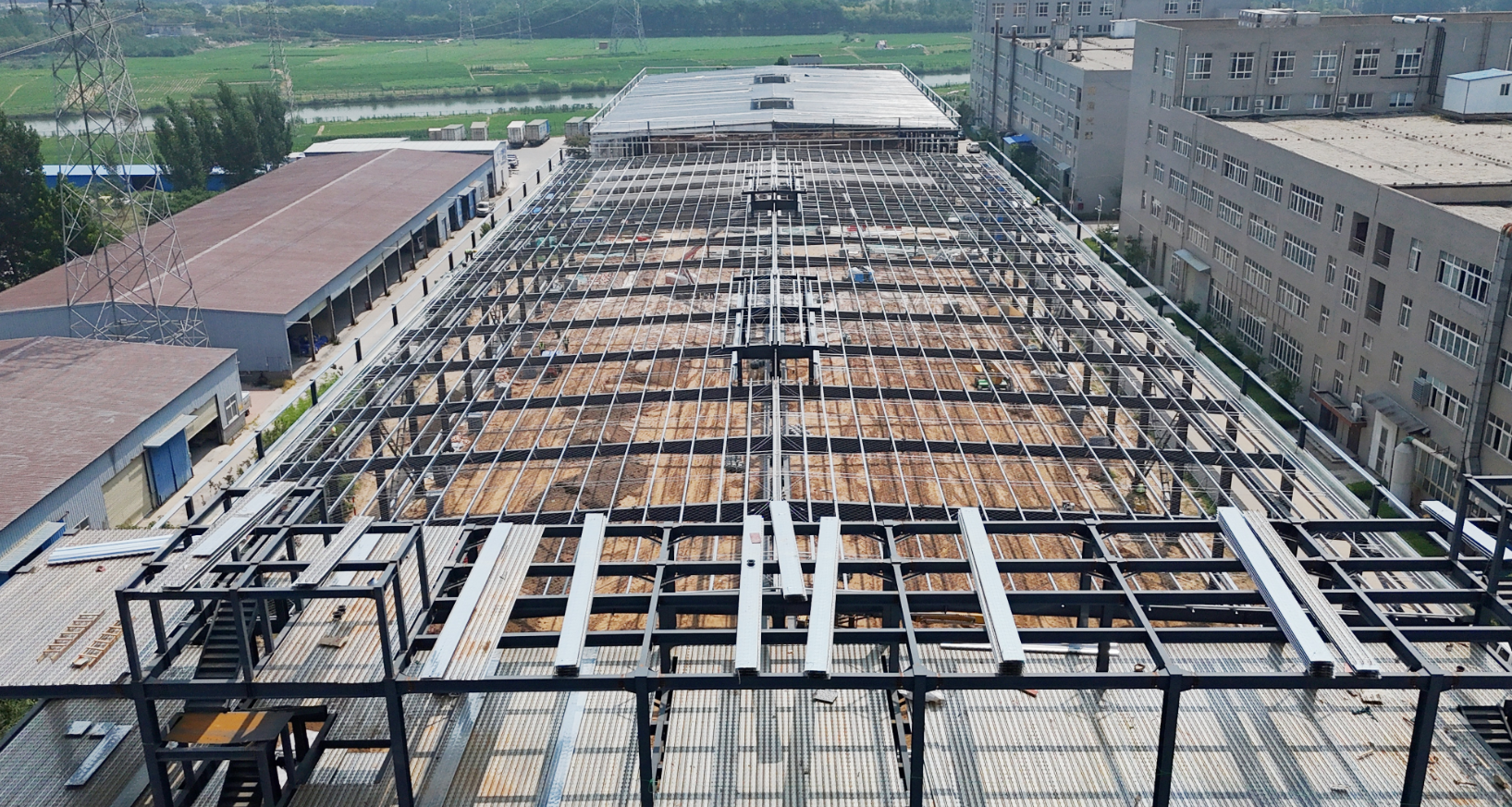
ก่อนติดตั้งเสาเหล็กชิ้นแรก จำเป็นต้องวางรากฐานให้เรียบร้อยก่อน สำหรับการจัดวางตำแหน่งเสา วิศวกรสำรวจจะต้องใช้แบบแปลนของวิศวกรเพื่อกำหนดตำแหน่งของแต่ละเสา จากนั้นจึงเริ่มดำเนินการขุดหลุมและเทคอนกรีตสำหรับฐานรับน้ำหนักได้ แบบโครงสร้างร่วมกับรายงานทางวิศวกรรมธรณีกลศาสตร์ จะเป็นแนวทางในการออกแบบคลังสินค้าโครงสร้างเหล็กที่ผลิตไว้ล่วงหน้า และสนับสนุนการก่อสร้างฐานรับน้ำหนัก โบลต์ยึดต้องติดตั้งอย่างแม่นยำ เนื่องจากโบลต์เหล่านี้จะยึดแผ่นฐานของเสา หากโบลต์ยึดถูกติดตั้งผิดตำแหน่งเพียงเล็กน้อย ก็อาจสอดคล้องกับโครงสร้างชั้นวางสินค้า และส่งผลกระทบต่อการทรุดตัวของโครงสร้างโดยรวม วิศวกรสำรวจสามารถปรับค่าการวัดแนวตั้งและแนวนอนได้ด้วยเลเซอร์และแม่พิมพ์จริง เพื่อช่วยในการจัดแนวและวัดจุดศูนย์กลางรวมทั้งระยะห่างระหว่างโบลต์หลังจากที่ฐานรับน้ำหนักคอนกรีตแข็งตัวแล้ว หากไม่เป็นไปตามข้อกำหนดการออกแบบเกี่ยวกับความยาวยื่นและความระยะห่างของโบลต์ แนะนำให้ปรับแก้ไข ซึ่งการปรับแก้ไขเหล่านี้จะช่วยประหยัดเวลา เนื่องจากสามารถเริ่มงานโครงสร้างได้ทันที และยังรับประกันว่าโบลต์จะผ่านมาตรฐาน A307 และ A490 ปัจจัยหลายประการอาจส่งผลต่อระยะเวลาที่ใช้ในการเริ่มก่อสร้างต่อ แต่แบบแปลนที่ได้รับการอนุมัติและเอกสารแบบที่ออกมานั้น จะทำให้มั่นใจได้ว่าโครงสร้างจะมีความมั่นคงในระยะยาว
การวางแผนด้านโลจิสติกส์ การเข้าถึงของเครน และโซนความปลอดภัย
ด้านโลจิสติกส์มีผลต่อลำดับและระยะเวลาของการติดตั้งโครงสร้าง ผู้จัดการโครงการจะจัดกำหนดการส่งมอบวัสดุให้มาถึงแบบพอดีเวลา (just-in-time) เพื่อลดพื้นที่จัดเก็บวัสดุบนไซต์งานและลดการสัมผัสกับสภาพอากาศ ชิ้นส่วนเหล็กขนาดใหญ่จำเป็นต้องใช้ถนนสำหรับขนส่งที่กว้างและมั่นคง ยานพาหนะหนักต้องใช้ถนนที่มั่นคงซึ่งมีอัตราการบดอัดไม่น้อยกว่า 12% (ตามมาตรฐาน ASTM D698) เพื่อขนส่งชิ้นส่วนเหล็ก การเข้าถึงของเครน ตำแหน่งของเครน และการเลือกประเภทเครนขึ้นอยู่กับระยะความกว้างเปิดโล่ง (clear span) และความสูงของชายคา (eave heights) ของคลังสินค้า รวมทั้งน้ำหนักของชิ้นงานที่หนักที่สุด ซึ่งยืนยันแล้วจากตารางความสามารถในการยก (lift charts) เครนต้องตั้งอยู่บนฐานรองรับที่ออกแบบมาเฉพาะ (engineered cribbing) หรือบนถนนฐานที่ผ่านการบดอัดอย่างเหมาะสม เพื่อป้องกันไม่ให้เครนเอียงหรือล้ม จัดตั้งโซนความปลอดภัยรอบพื้นที่ทั้งหมดที่มีการยกชิ้นงาน และห้ามบุคลากรทุกคนเข้าไปในโซนเหล่านี้ระหว่างปฏิบัติการยกชิ้นงาน ไม่มีสิ่งกีดขวางใดๆ บนเส้นทางเข้า-ออกสถานที่ทำงาน ซึ่งจะช่วยลดเวลาที่แรงงานสูญเสียไปในโครงการ และเพิ่มความปลอดภัย รวมทั้งสอดคล้องตามข้อกำหนดของ OSHA 1926
การติดตั้งโครงสร้างหลัก: คอลัมน์ รัฟเตอร์ และการจัดตั้งเส้นทางถ่ายโอนแรง
การนำเข้าและปลดโหลดชิ้นส่วนอาคารเหล็กเพื่อการประกอบและติดตั้งอย่างรวดเร็วและง่ายดาย
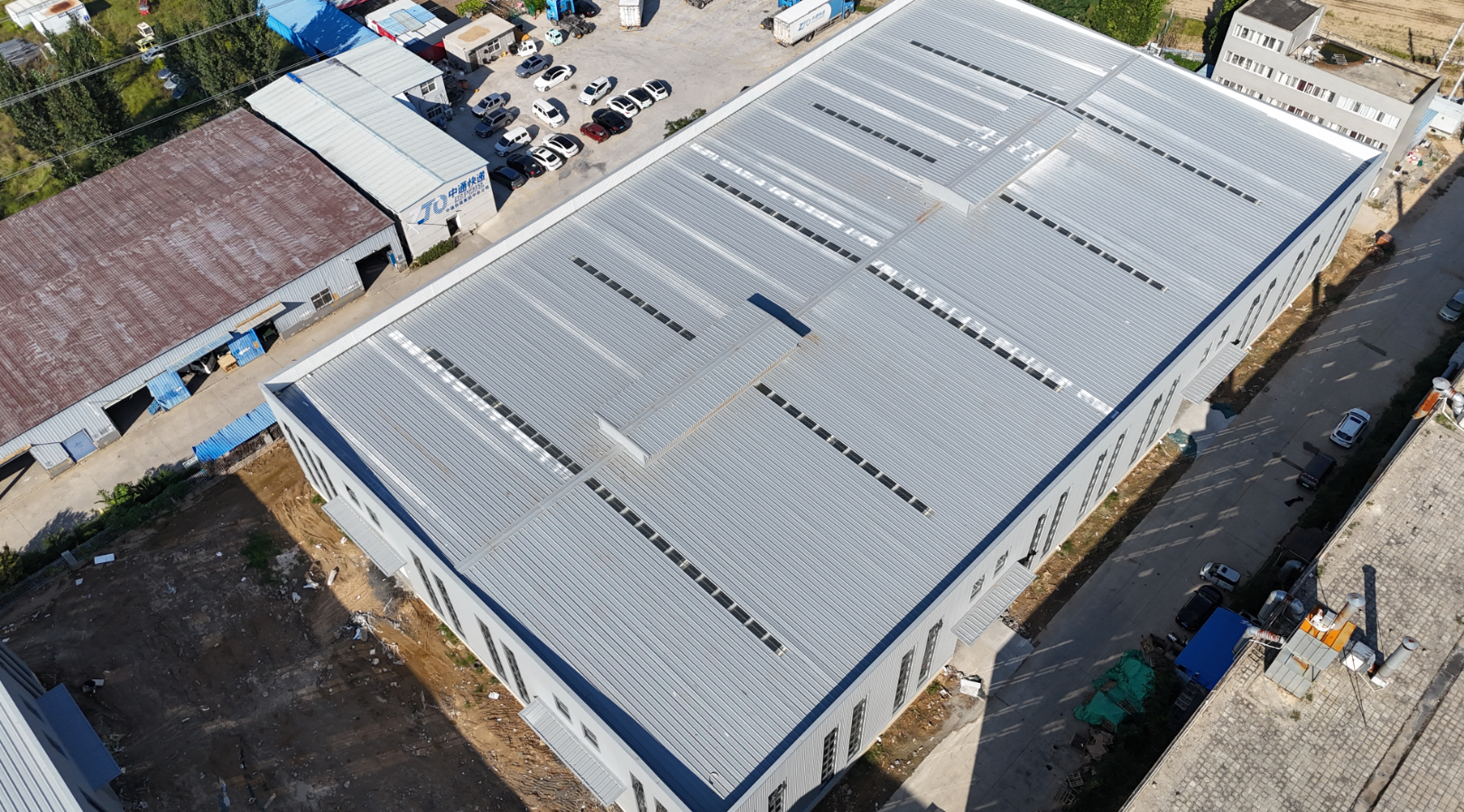
การจัดการวัสดุสำหรับชิ้นส่วนโครงสร้างเริ่มต้นขึ้นก่อนที่ชิ้นส่วนจะมาถึงไซต์งานเป็นเวลานาน คู่มือการติดตั้งของผู้ผลิตและแผนการยกเฉพาะสถานที่กำหนดลำดับการปลดโหลดสำหรับคอลัมน์ รัฟเตอร์ และชิ้นส่วนยึดเสริม การจัดการซ้ำ (double handling) ถูกหลีกเลี่ยงโดยการตรวจสอบและตรวจเช็กความเสียหายบนไซต์งานก่อนการใช้งาน หลังจากการตรวจสอบแล้ว ชิ้นส่วนจะถูกวางเรียงตามแนวการหมุนของเครน แต่อยู่ภายนอกโซนความปลอดภัยที่กำลังใช้งานอยู่ คอลัมน์ที่จะยกขึ้นเป็นลำดับแรกจะถูกวางไว้ใกล้ตำแหน่งของสลักเกลียวที่สุด คอลัมน์และรัฟเตอร์ต้องใช้เวลาในการยกด้วยเครนในอากาศค่อนข้างมาก จึงมีการประกอบล่วงหน้าไว้บนพื้นดิน ชิ้นส่วนทั้งหมดมีการระบุฉลากอย่างชัดเจนเพื่อลดความสับสนต่อแผนการติดตั้ง โดยใช้ป้ายที่มีการระบุสี รายการตรวจสอบ (checklists) และรหัส QR บนใบแจ้งรายละเอียดสินค้า (manifest) วิธีการดำเนินการแบบนี้สร้างจังหวะการประกอบโครงสร้างอย่างเป็นระบบสำหรับทุกโครงสร้างตั้งแต่วันแรกของการทำงาน
การประกอบโครงถัก การจัดแนว ค้ำยันชั่วคราว และการตรวจสอบความสมบูรณ์ของโครงสร้าง
สำหรับการติดตั้งเสา ใช้วิธีการยึดด้วยสลักเกลียวแบบฝัง (anchor bolting) และการปรับระดับแบบดิจิทัล (digital leveling) ใช้สลักเกลียวความแข็งแรงสูงในการยึดโครงหลังคา (rafter connection) และปฏิบัติตามข้อกำหนดของ RCSC สำหรับขั้นตอนการยึดให้แน่นก่อนขันแรงบิด (snug-then-torque) ข้อกำหนดระบุว่า ช่วงแรก (first bay) ของคลังสินค้าเหล็กสำเร็จรูปแต่ละแห่งต้องได้รับการจัดแนวให้เป็นมุมฉากอย่างสมบูรณ์ (fully squared) ตรวจสอบความตั้งฉาก (plumbed) และเสริมค้ำยันชั่วคราวก่อนการติดตั้งช่วงถัดไป (adjacent bays) การสร้างช่วงแรกนี้ ร่วมกับการใช้สายเคเบิลยึดชั่วคราว (temporary guys) และคานค้ำยันชั่วคราว (struts) เพื่อรักษาความมั่นคงของโครงสร้าง จะทำหน้าที่เป็นจุดอ้างอิงสำหรับการจัดแนวโครงสร้างทั้งหมด การติดตั้งคานยึดแนวทแยงแบบถาวร (permanent diagonal bracing) จะดำเนินการก่อนการติดตั้งช่วงแรกของคลังสินค้าแต่ละแห่ง หลังจากยึดโครงสร้างแต่ละชุดด้วยสลักเกลียวแล้ว จะตรวจสอบความตั้งฉากของเสา ความยาวแนวทแยงของแต่ละช่วง (diagonals of the bays) และระดับความสูงของสันหลังคา (elevation of the ridge) เทียบกับแบบแปลนงานโรงงาน (shop drawings) ทีมงานจะต้องปรับแก้ไขรายการใดๆ ที่ไม่เป็นไปตามข้อกำหนดให้อยู่ภายในความคลาดเคลื่อนที่ยอมรับได้ คือ ±1/8 นิ้ว ก่อนดำเนินการก่อสร้างต่อไป กระบวนการนี้มีวัตถุประสงค์เพื่อยืนยันเส้นทางการรับถ่ายน้ำหนักหลัก (primary load path) ของโครงสร้าง พร้อมทั้งลดข้อผิดพลาดที่อาจเกิดจากการปรับแก้ซ้ำๆ สะสม (cumulative adjustment) ของโครงสร้าง ทั้งนี้เพื่อรักษาความมั่นคงของโครงสร้างโดยรวม และให้โครงสร้างสามารถรับแรงด้านข้างจากลมและแรงแผ่นดินไหวได้อย่างมีประสิทธิภาพ
การผสานรวมโมดูลโครงสร้างรองและโมดูลหุ้มผนัง
คานรับแรงข้าง (Girts), คานรับแรงบนหลังคา (Purlins) และระบบยึดแนวทแยง: การปรับปรุงความมั่นคงและการถ่ายโอนแรงในคลังสินค้าเหล็กสำเร็จรูป
ระบบโครงสร้างรองแสดงให้เห็นถึงแรงที่กระทำจากผนังภายนอก (cladding) และแรงโครงสร้างที่ส่งผ่านไปยังโครงสร้างหลัก รวมทั้งช่วยเพิ่มความมั่นคงต่อแรงด้านข้าง (lateral stability) ได้ในระดับที่สูงขึ้น ในบริบทแนวนอน คานรับแผ่นหลังคา (purlins) ทำหน้าที่รับแผ่นหลังคาและรองรับแรงคงที่ (dead load) แรงแปรผัน (live load) และแรงจากหิมะ (snow load) ตามแนวยาว ก่อนถ่ายโอนแรงเหล่านี้ต่อไปยังคานหลังคา (rafters) สำหรับส่วนผนัง คานรัดผนัง (girting) ทำหน้าที่คล้ายกันโดยรับแผ่นผนัง (wall panels) และรองรับโครงยึดแนวตั้ง (column braces) ต่อแรงดัดด้านข้าง โครงยึดแนวทแยง (diagonal bracing) ซึ่งโดยทั่วไปผลิตจากแท่งโลหะชุบสังกะสีแบบจุ่มร้อน (hot-dip galvanized rods) หรือชิ้นส่วนเหล็กฉาก (angle sections) จะติดตั้งไว้ที่ตำแหน่งที่เลือกอย่างเหมาะสม เพื่อป้องกันการบิดเบี้ยวของโครงสร้าง (racking) และรับประกันว่าองค์ประกอบยึดย้ำทั้งหมดจะทำงานร่วมกันเป็นระบบที่สอดคล้องกันภายใต้อิทธิพลของแรงลมหรือการเคลื่อนตัวของพื้นดิน การออกแบบรายละเอียดของโครงยึดและจุดเชื่อมต่ออย่างเหมาะสม พร้อมระยะห่างที่ถูกต้องระหว่างจุดยึด จะช่วยควบคุมการถ่ายโอนแรงเข้าสู่ระบบอย่างสม่ำเสมอ และหลีกเลี่ยงความเค้นเฉพาะจุด (localized stresses) ภายในระบบ การติดตั้งระบบตามมาตรฐาน AISI S100 และ AISC 360 จะทำให้คลังสินค้าโครงสร้างเหล็กสามารถรักษาประสิทธิภาพการทำงานไว้ได้อย่างยืดหยุ่นสูง และยังส่งผลให้มีความสมบูรณ์ในการใช้งาน (functional integrity) ที่ดีขึ้น ตลอดจนอายุการใช้งานที่ยาวนานยิ่งขึ้น เนื่องจากความสามารถในการทนทานต่อแรงกระทำต่าง ๆ (resilience) ที่เพิ่มขึ้น
แผ่นหลังคา แผ่นผนัง และแผ่นฉนวนกันความร้อนพร้อมรายละเอียดขอบตกแต่ง
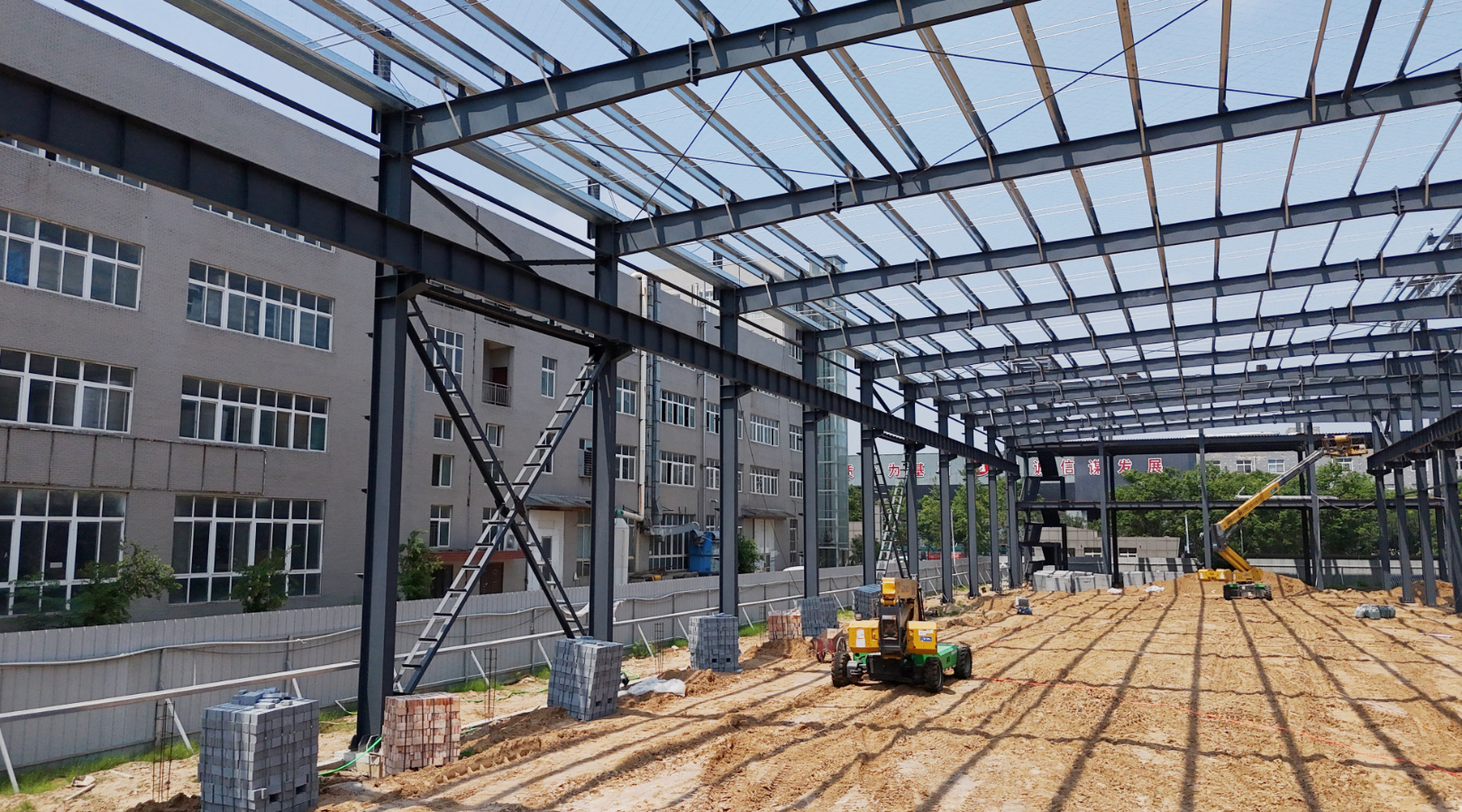
เมื่อโครงสร้างรองติดตั้งเสร็จสมบูรณ์แล้ว แผ่นหลังคาและผนังโลหะ ซึ่งมักเป็นเหล็กชุบสังกะสีเกรด G90 หรือเหล็กเคลือบ PVDF จะถูกยึดติดกับคานรองรับหลังคา (purlins) และคานรองรับผนัง (girts) ด้วยสกรูแบบเจาะเองพร้อมแ Washer ชนิด EPDM เพื่อให้แน่นหนาและกันน้ำได้อย่างมีประสิทธิภาพ วัสดุฉนวนความร้อน เช่น ฉนวนใยแก้วแบบแผ่น (fiberglass batts), โฟมโพลีไอโซไซยาเนอเรตแบบแข็ง (rigid polyisocyanurate) หรือโฟมแบบพ่นแบบเซลล์ปิด (spray applied closed cell foam) จะถูกติดตั้งระหว่างองค์ประกอบโครงสร้างเพื่อให้สอดคล้องกับข้อกำหนดด้านฉนวนความร้อนตามกฎหมายพลังงานท้องถิ่น (เช่น IECC 2021) ควบคุมการเกิดหยดน้ำควบแน่น และเพิ่มประสิทธิภาพการฉนวนความร้อน ด้านที่มีอุณหภูมิสูงกว่าของระบบประกอบจะมีฟิล์มกันไอน้ำแบบต่อเนื่อง (continuous vapor barrier) เพื่อป้องกันการสะสมของความชื้นภายในช่องว่างระหว่างวัสดุ รายละเอียดการตกแต่งขอบ (trim detailing) เช่น ชิ้นส่วนปิดปลายชายคา (eaves closures), ฝาครอบสันหลังคา (ridge caps), แผ่นปิดมุม (corner flashing) และชิ้นส่วนตกแต่งรอบประตูและหน้าต่าง จะถูกติดตั้งโดยคำนึงถึงระยะทับซ้อนที่แม่นยำและใช้ซีลเลนต์ตามคำแนะนำของผู้ผลิต ช่องว่าง รู และรอยต่อต่าง ๆ จะถูกจัดวางตามคำแนะนำในการติดตั้งล่วงหน้า (pre-engineered instructions) เพื่อปิดผนึกจุดที่อาจรั่วซึมได้ทั้งหมด สิ่งนี้ทำให้เกิดเปลือกหุ้มอาคาร (building envelope) และเปลี่ยนโครงร่างโครงสร้างเหล็กสำเร็จรูปของคลังสินค้าให้กลายเป็นโครงสร้างที่ทนทาน ใช้งานได้จริง และสามารถตอบสนองต่อสภาพภูมิอากาศได้อย่างเหมาะสม
คำถามที่พบบ่อย
ความสำคัญของการติดตั้งสลักยึด (anchor bolts) อย่างแม่นยำคืออะไร
การติดตั้งสลักยึดอย่างแม่นยำมีความสำคัญมาก เนื่องจากการวางตำแหน่งที่คลาดเคลื่อนเพียงเล็กน้อยอาจทำให้การก่อสร้างล่าช้า ก่อให้เกิดปัญหากับโครงสร้าง และส่งผลให้เกิดค่าใช้จ่ายสูงมาก นอกจากนี้ยังช่วยให้สามารถติดตั้งเสาเหล็กในขั้นตอนถัดไปได้ในตำแหน่งที่ถูกต้อง และทำให้สามารถก่อสร้างโครงสร้างได้ตามแผน
หลักเกณฑ์ในการวางแผนการเข้าถึงของเครนสำหรับคลังสินค้าโครงสร้างเหล็กแบบพรีฟับริเคตคืออะไร
การวางแผนการเข้าถึงของเครนจะพิจารณาจากช่วงความกว้างเปิดโล่ง (clear span) ของโครงสร้าง ระดับชายคา (eaves) และน้ำหนักของชิ้นส่วนที่หนักที่สุด เครนต้องตั้งบนฐานรองรับที่ออกแบบมาเป็นพิเศษ (engineered cribbing) หรือบนพื้นฐานที่บดอัดแน่นแล้ว (compacted subgrade) โดยการตรวจสอบความเหมาะสมนี้จะดำเนินการผ่านตารางความสามารถในการยก (lift chart) เพื่อให้มั่นใจว่าเครนที่ใช้เข้าถึงพื้นที่ทำงานสามารถปฏิบัติงานได้อย่างปลอดภัย
มาตรฐานทั่วไปใดบ้างที่ใช้ในการก่อสร้างคลังสินค้าโครงสร้างเหล็ก
มาตรฐานสำหรับการก่อสร้างคลังสินค้าแบบโครงสร้างเหล็กส่วนใหญ่ ได้แก่ ASTM A307 (สลักยึดฐาน), ASTM A490, OSHA 1926, AISI S100 และ AISC 360 สำหรับโครงสร้างรองและระบบถ่ายโอนแรงอย่างมีประสิทธิภาพ การปฏิบัติตามมาตรฐานเหล่านี้ช่วยให้มั่นใจในความปลอดภัยของโครงสร้าง
วัสดุใดที่มักใช้สำหรับแผ่นปิดผิวหลังคาและผนัง?
แผ่นปิดผิวผนังและหลังคาแบบเหล็กส่วนใหญ่มักใช้สี PVDF หรือเหล็กชุบสังกะสีเกรด G90 ซึ่งเมื่อใช้ร่วมกับฉนวนกันความร้อนที่เหมาะสมและการออกแบบชิ้นส่วนตกแต่งอย่างรอบคอบ วัสดุเหล่านี้จะมีความทนทานและสามารถต้านทานสภาพอากาศได้ดี