Comprehensive Full-Process Services
We Don't Just Ship Steel—We See It Through
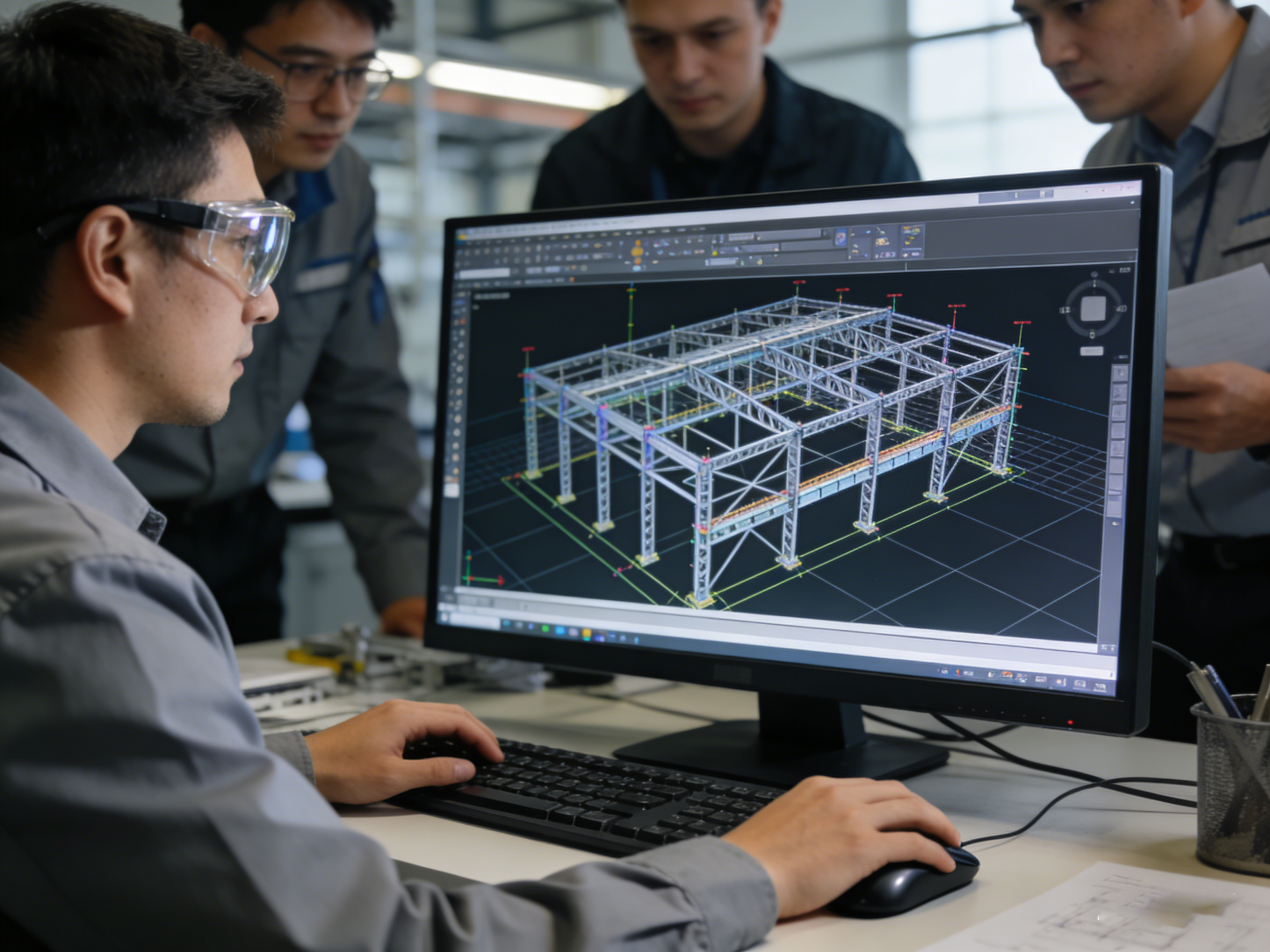
A Malaysian client once told us: "Your price was middle of the pack, but your service was first class." That stuck with me. Because what they meant was—when their site team couldn't read our shop drawings, we flew a detailer over in 48 hours. When shipping was delayed by port strikes, we rerouted through Singapore and ate the extra cost. No finger-pointing. Just delivery.
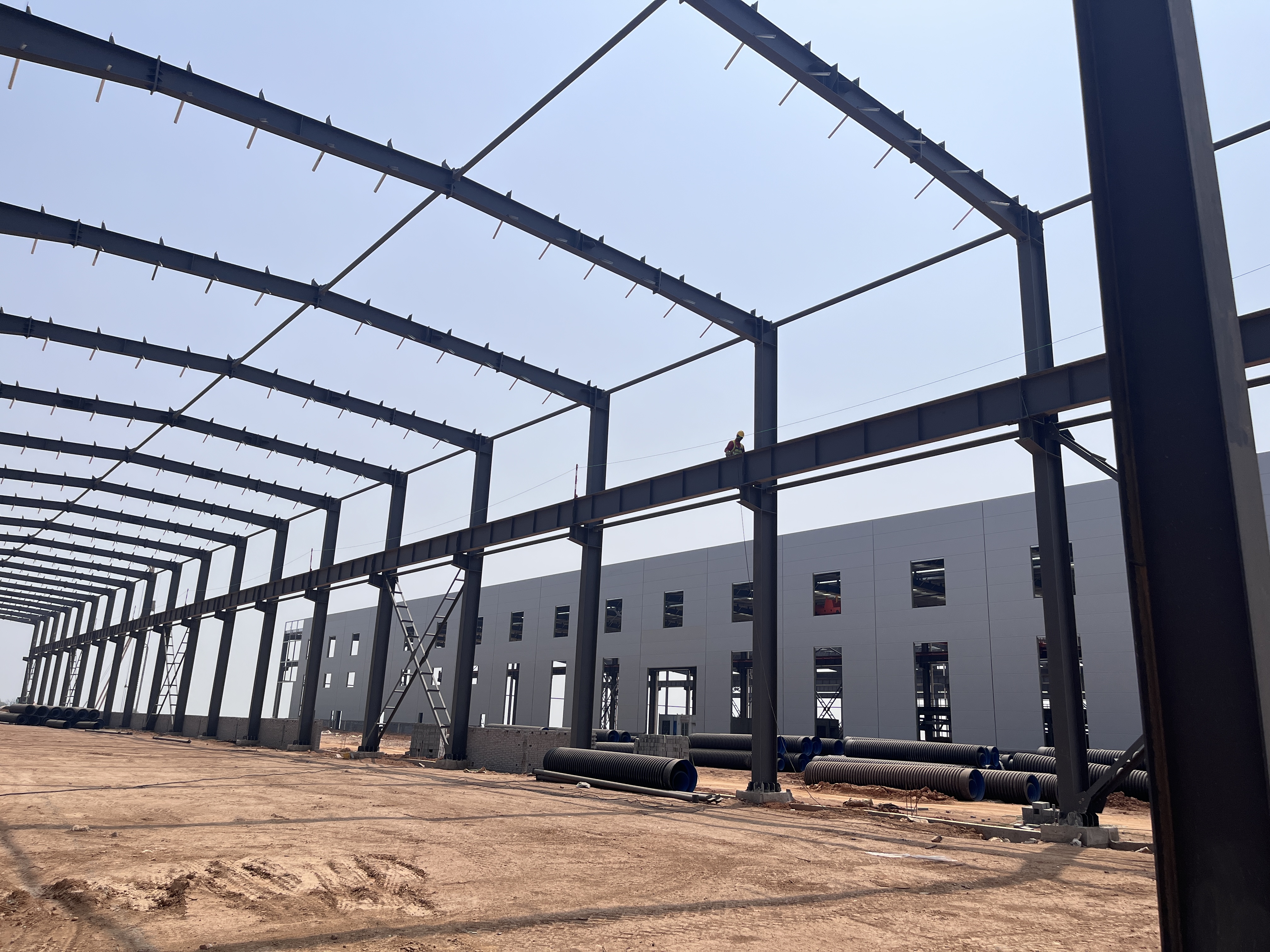
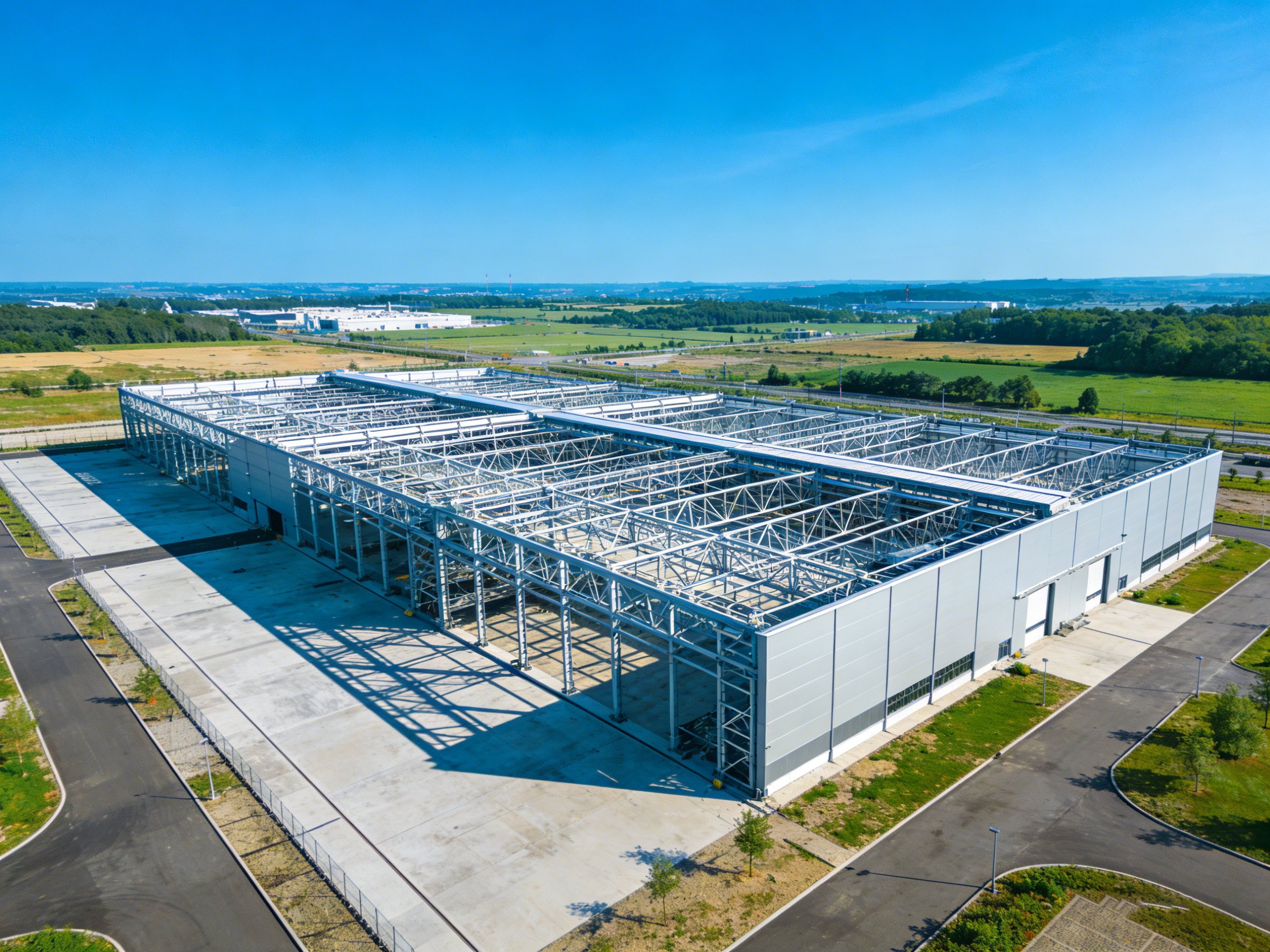
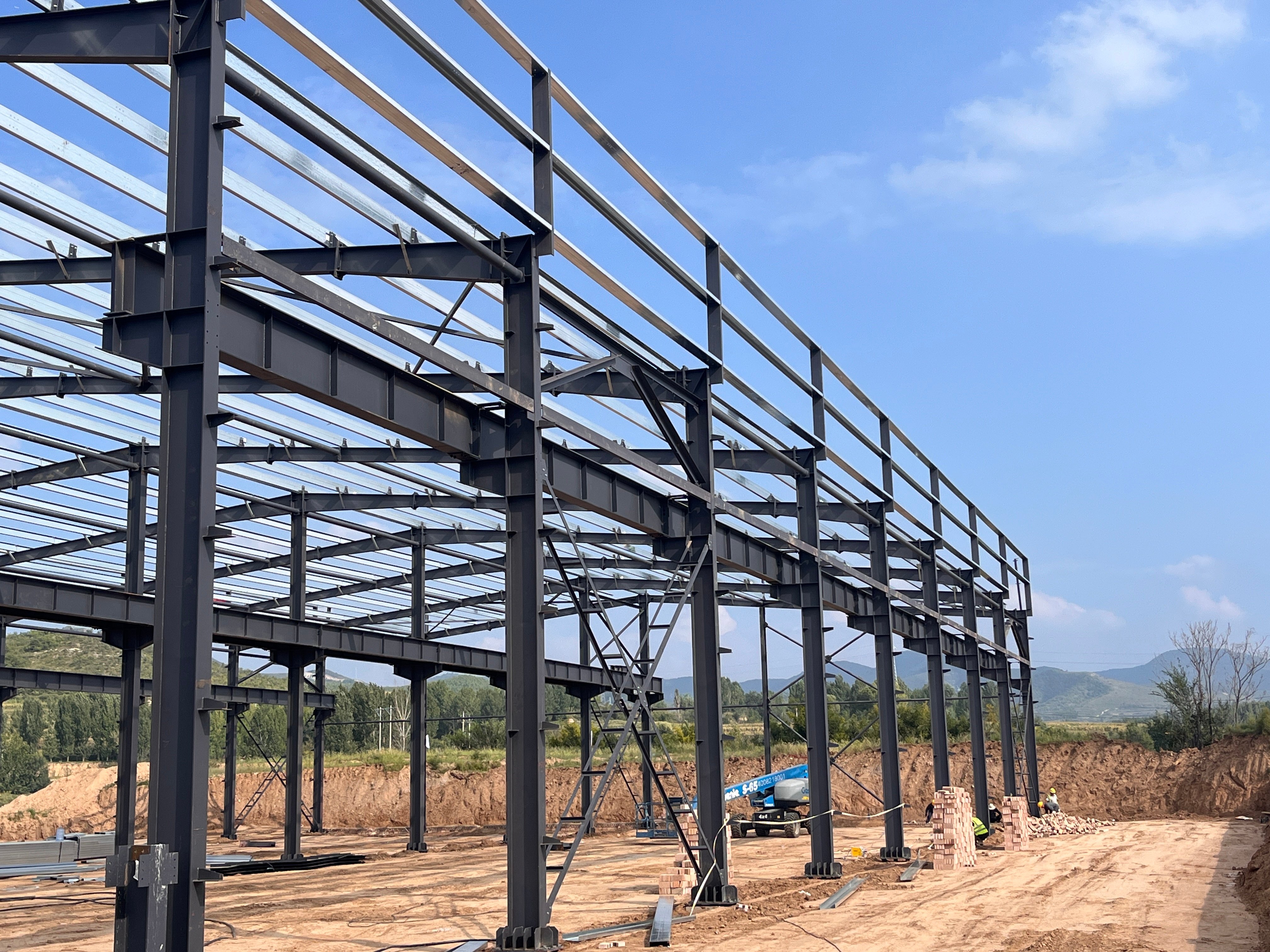
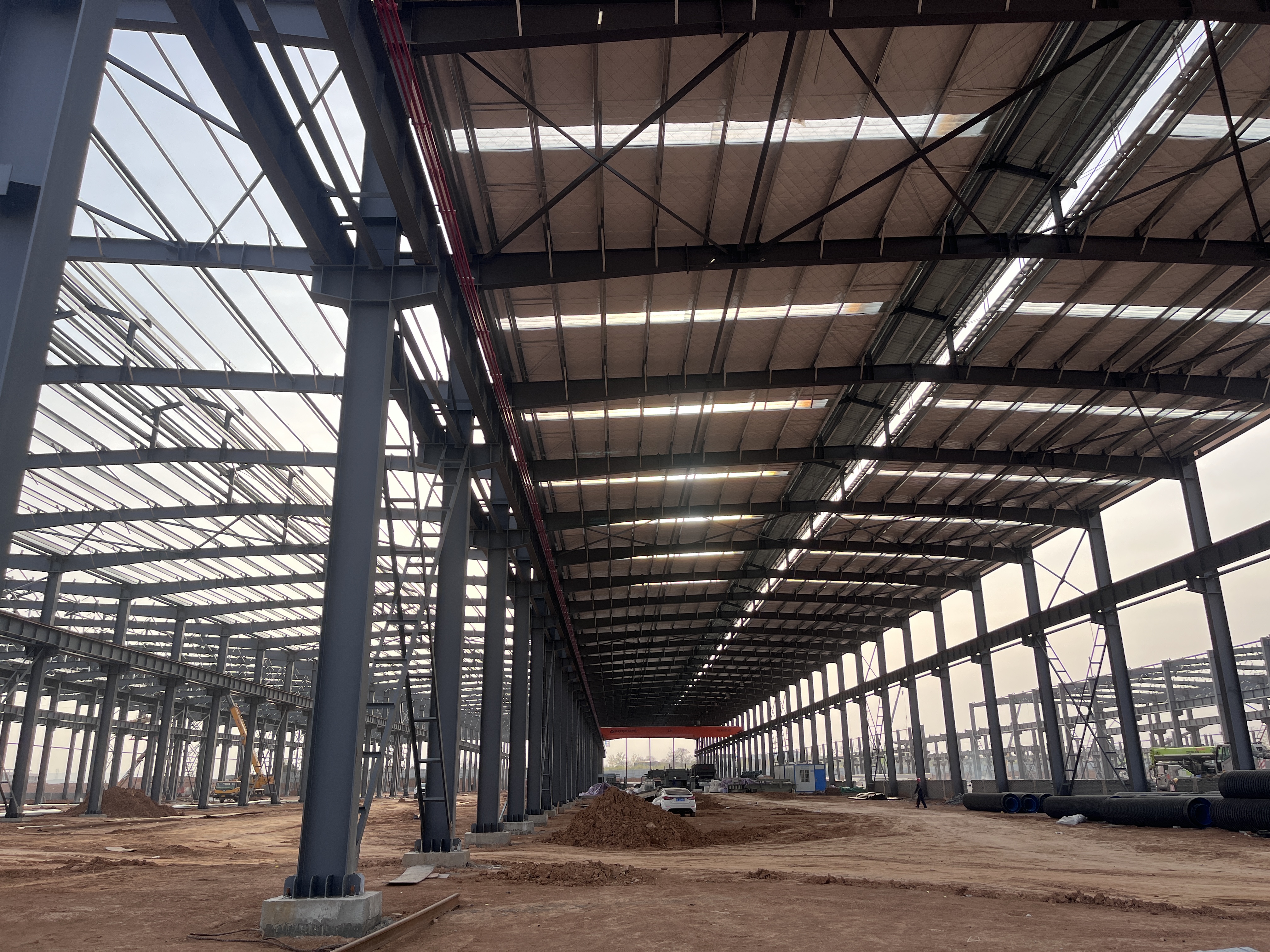
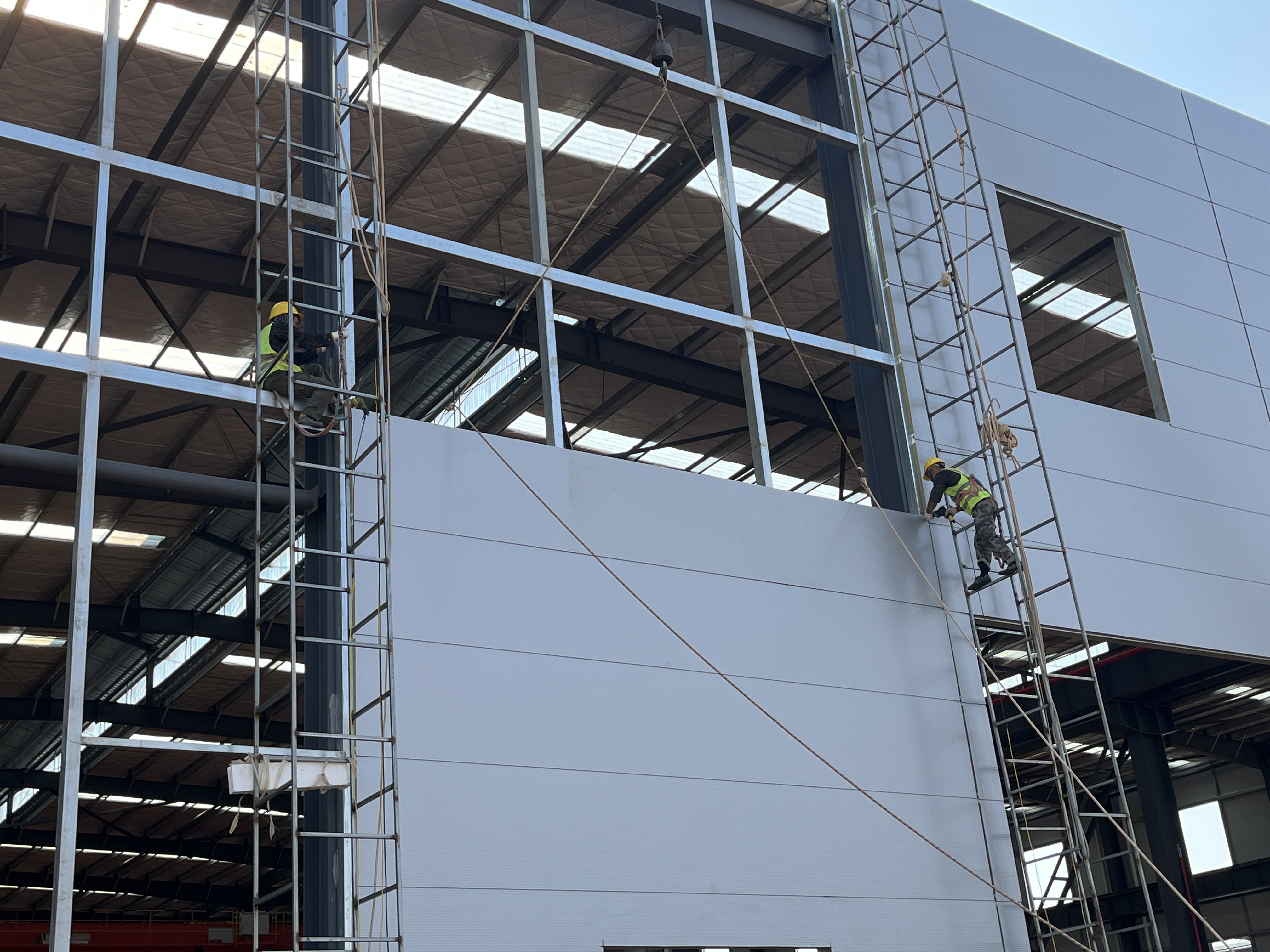
From consultation to final bolt, we handle every step in-house. Our 30 engineers coordinate with our own installation crews—no outsourcing, no passing the buck. We've delivered 200+ projects across 15 countries, and we treat each one like it's our own facility. Because in the end, a building is only as good as the support behind it.